EGU Blogs

Retired blogs

How can we make hydrogeology free from plagiarism? Reflections five years after a documented case of plagiarism in the hydrologic sciences

How can we make hydrogeology free from plagiarism? Reflections five years after a documented case of plagiarism in the hydrologic sciences
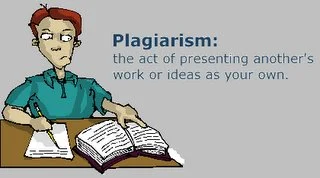
Tom Gleeson and Matt Currell (just to be clear about our sources…header image from http://iditis.blogspot.ca/2006/03/plagiarism-lesson-learned.html) Plagiarism is a clear contradiction of scientific values and practice. Although no universal definition of plagiarism exists, a useful working definition is the wrongful appropriation, stealing and publication of another author’s language, thoughts, ideas, or expressions and the representation of …[Read More]

Data drought or data flood?

Data drought or data flood?

Post by Anne Van Loon, Lecturer in Physical Geography (Water sciences) at the University of Birmingham, in the United Kingdom. __________________________________________________ The basis for (almost) all scientific work, at least in the earth and environmental sciences, is DATA. We all need data to search for the answers to our questions. There are a number of options to get hold …[Read More]

Demonstrating the Importance of Geoscience in the Transformation Towards Sustainable and Resilient Societies

Demonstrating the Importance of Geoscience in the Transformation Towards Sustainable and Resilient Societies

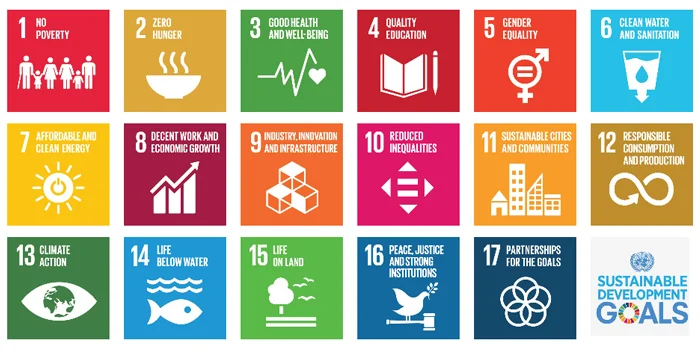
Next week the UN Annual Forum on Science, Technology and Innovation for the Sustainable Development Goals (SDGs) will discuss the science required for “transformation towards sustainable and resilient societies”. Discussions will focus on SDGs 6 (water and sanitation), 7 (energy), 11 (sustainable cities), 12 (responsible consumption and production) and 15 (life on land).   This …[Read More]

Socio-hydrology meets Broadway: Can we survive drought if we stop using the toilet?

Socio-hydrology meets Broadway: Can we survive drought if we stop using the toilet?

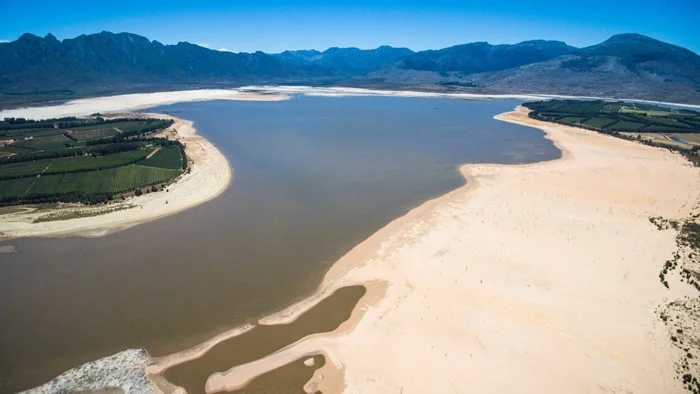
Post by Samuel Zipper, postdoctoral fellow at both McGill University and the University of Victoria, in Canada. You can follow Sam on Twitter at @ZipperSam. ___________________________________________________________ How can society best cope with water scarcity? With Cape Town on the verge of being the first major city to run out of water (a topic for a future post …[Read More]

Climate migration needs to be predicted and planned now. Geoengineering can slow down sea level rise but could also lead to international conflicts. CO2 as a natural resource. All in Jesse Zondervan’s Mar 8 – Apr 4 2018

Climate migration needs to be predicted and planned now. Geoengineering can slow down sea level rise but could also lead to international conflicts. CO2 as a natural resource. All in Jesse Zondervan’s Mar 8  – Apr 4 2018

Each month, Jesse Zondervan picks his favourite posts from geoscience and development blogs/news which cover the geology for global development interest. Here’s a round-up of Jesse’s selections for the last month: Imagine 140 million people across sub-Saharan Africa, south Asia and Latin America migrating in response to climate change effect, by 2050. This is what …[Read More]