Geology Jenga

Radiocarbon dating

Sharing my new discovery – aquatic plants are (sometimes) suitable for radiocarbon dating!
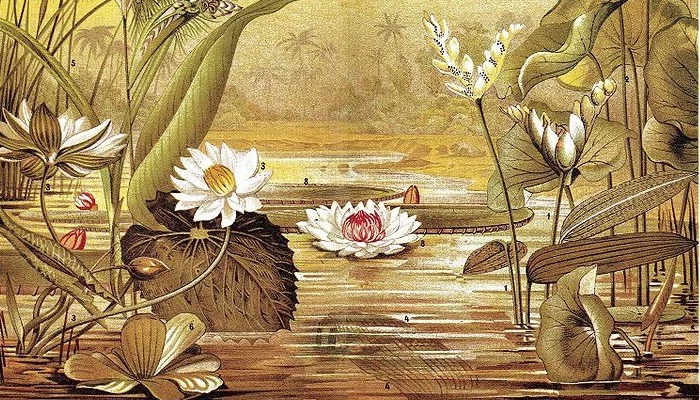
Sharing my new discovery – aquatic plants are (sometimes) suitable for radiocarbon dating!
Radiocarbon dating is probably the most well-known chronological technique regularly employed by archaeologists, geomorphologists and researchers analysing sediment cores. Palaeolimnologists (those who study lake sediments) hoping to determine the age of a sample extracted from a long sediment core traditionally seek terrestrial plant macrofossils (fragments of organic matter visible without a microscope), as these are …[Read More]

Moraines in Costa Rica? Really?

Moraines in Costa Rica? Really?

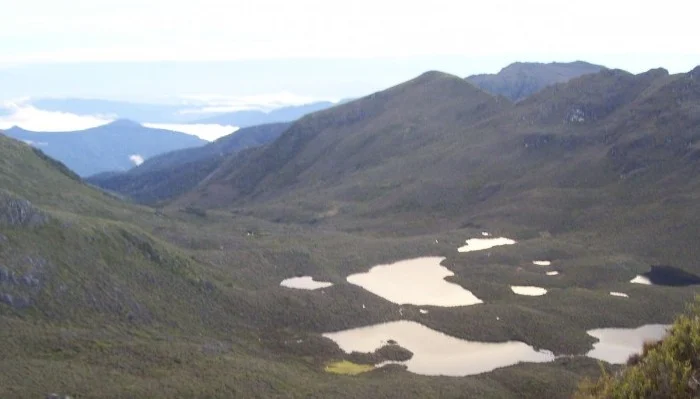
During a recent trip to Costa Rica in May, I had a conversation with some family and friends in which I uttered those words: “Moraines in Costa Rica? Really?” as they were describing a trek they’d undertaken earlier this year to the summit of Cerro Chirripó. This is the highest peak in the country (3819 …[Read More]

Reporting on a recent visit to the NERC Radiocarbon Facility (East Kilbride, Scotland)

I (Daniel) recently had the opportunity to visit the Natural Environment Research Council (NERC) Radiocarbon Facility – Environment (NRCF-EK), hosted at the Scottish Universities Environmental Research Centre (SUERC), a collaborative facility between the Universities of Glasgow and Edinburgh. The lab is located in East Kilbride, a 30-minute train ride south of Glasgow city centre. The …[Read More]