
The Earth’s surface temperatures can have a profound effect on the Earth’s ice sheets, the huge layers of ice thousands of metres thick that cover Greenland and Antarctica. Over the past few decades, satellites have monitored the changes of these icy landscapes, revealing that parts of Greenland and West Antarctica are melting. This is important as it contributes to sea level rise, which can have ...[Read More]
Citizen science: how can we all contribute to the climate discussion?
Until the turn of the 20th century, science was an activity practiced by amateur naturalists and philosophers with enough money and time on their hands to devote their lives to the pursuit of knowledge and the understanding of the natural world. Today, scientific research is an industry of its own, carried out by highly trained and specialised professionals in academic institutions and research la ...[Read More]
Towards a greener energy world?
Marion reports on the latest Grantham Institute for Climate Change special lecture by International Energy Agency Chief Economist Dr Fatih Birol. On January 29th, I attended the Grantham Institute for Climate Change special lecture by International Energy Agency (IEA) Chief Economist Dr Fatih Birol at Imperial College London. Dr Birol discussed the future of the world’s energy market and outlined ...[Read More]
The Water-Energy Nexus
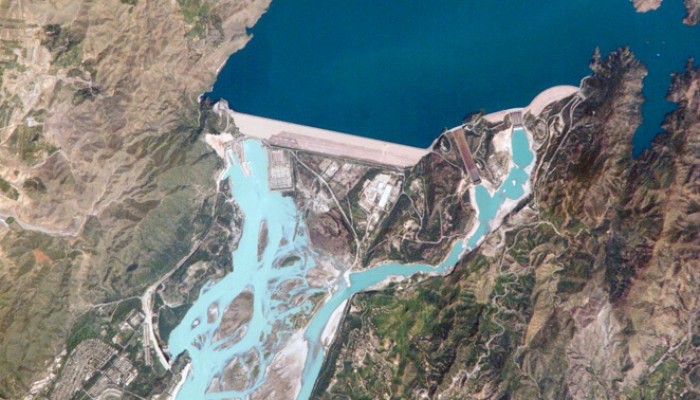
Flo Bullough writes on the concept of the water-energy nexus; its implications for energy and water security and the impact of climate change and future planning and regulation. I first came across the concept of the water-energy nexus when the former UK Chief Scientific Advisor John Beddington discussed the interdependence of food, water and energy as part of his tenure at government: something ...[Read More]
Climate and Policy Roundup – January 2014
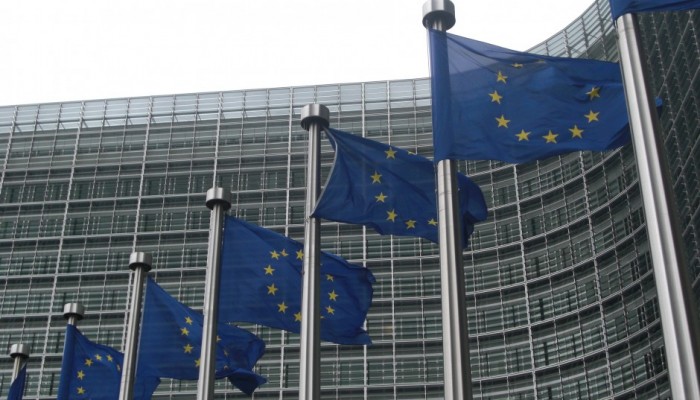
News EU announces climate and energy goals for 2030 The European commission has announced a target to reduce its emissions by 40% by 2030 compared to 1990 levels. It also stated that 27% of total energy production should come from renewable sources. The announcement came on 22 January following intense negotiations between its member states. The 40% reduction is at the high end of the range of pro ...[Read More]
Has climate change changed in the media?
Whether in a concerned, neutral, alarmist or sceptical tone, climate change is often reported in the media. But has the press approached this subject differently over the years? Marion Ferrat takes a look at the UK press coverage of the last two IPCC reports and investigates how the treatment of climate change has changed in British newspapers. Last week, polling expert Leo Barasi posted the resul ...[Read More]
Snacking on climate
ClimateSnack is a new initiative for early-career climate scientists around the world to improve their writing and communication skills. Snackers get to write tasty climate blogs and discuss them in a friendly and interactive environment. Marion talked to three members of the Imperial College London group for the latest issue of GeoQ! Good written and oral communication skills are quickly becoming ...[Read More]
Climate and Policy Roundup – November 2013
From London to Warsaw and Tokyo: Flo Bullough and Marion Ferrat discuss some of last month’s hot topics in the climate and policy world. News UN Warsaw Climate Talks The UN’s Climate Change Conference in Warsaw concluded this week at the end of a 30-hour deadlock in decision making over the wording of the final deal. After a series of controversies including hunger strikes, walkouts and stan ...[Read More]
What’s Geology got to do with it? 2 – Coffee
We should start this post with a declaration of interest. We absolutely love coffee. Whether it’s latte, macchiato, flat white (or cafe au lait for Marion!) we drink it everyday! So for our second installation of “What’s geology got to do with it?’ we’re going to highlight the connections between coffee and geology! As well as being absolutely delicious (and often powering an entire communi ...[Read More]
Climate change: it’s just a matter of time!
Natural or man-made: what factors are responsible for the climate changes we are seeing today? Ahead of the release of the latest IPCC report next week, Marion Ferrat discusses the different factors affecting climate change and shows that who takes the blame all depends on timing… Over the past century, our planet’s climate system has been changing. Changes in the composition of the atmosphere, ho ...[Read More]