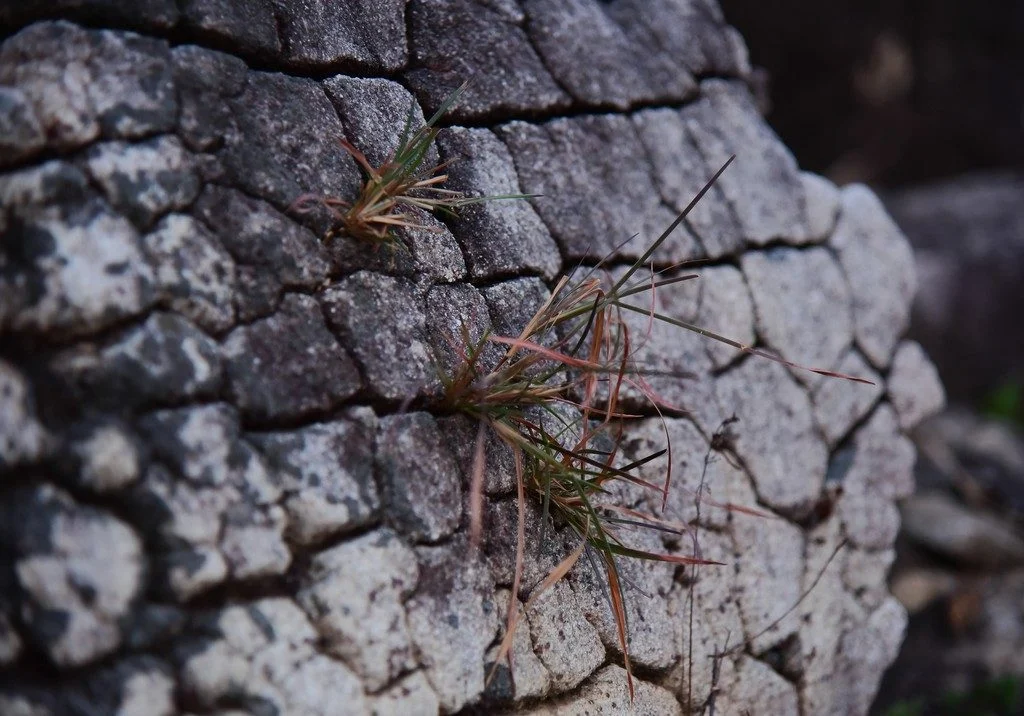
This image depicts the soil formation, that is weathering of rock. Soil is actually formed by weathering of rock by physical, chemical and biological methods. This image depicts physical and biological weathering. Physical weathering by the action of temperature and biological weathering by the growth of some species of grass through the cracks. Image clicked from Trivandrum district of Kerala, In ...[Read More]
weathering
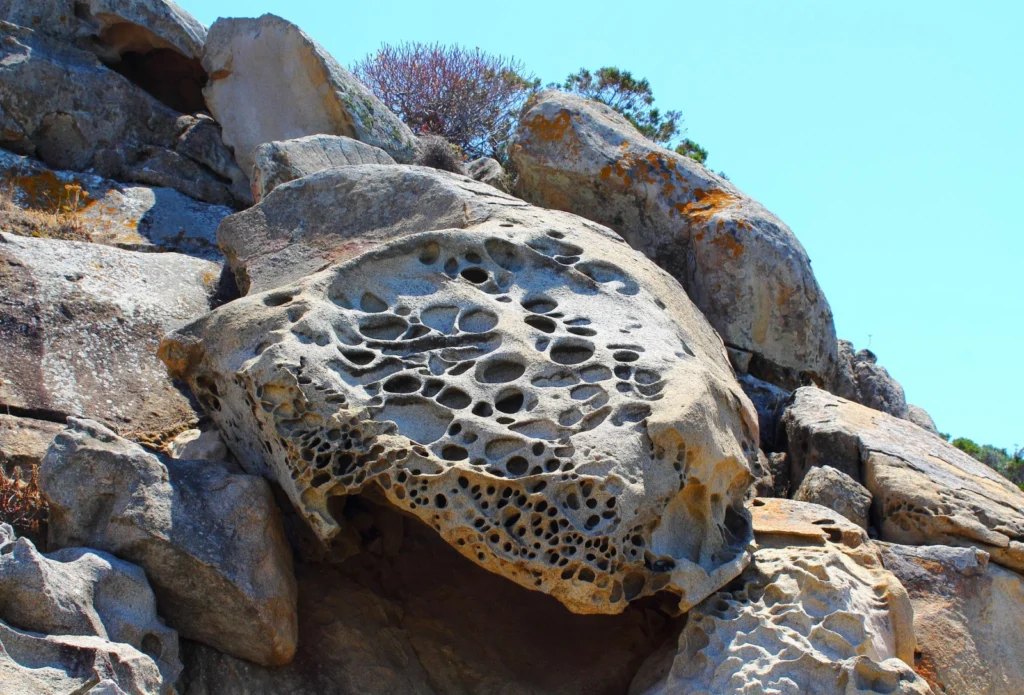
Imaggeo on Mondays: the rocks that look like Swiss cheese
Over the course of centuries and millennia, the force of winds, seas, ice and rains, sculpt rock formations around the globe. From the world-famous glacier carved landscapes of Yosemite National Park, to the freeze-thawed hoodoos at Bryce National Park, through to the wind battered stone pillars of South China Karst, boundless geological formations have been transformed by the power of erosion and ...[Read More]
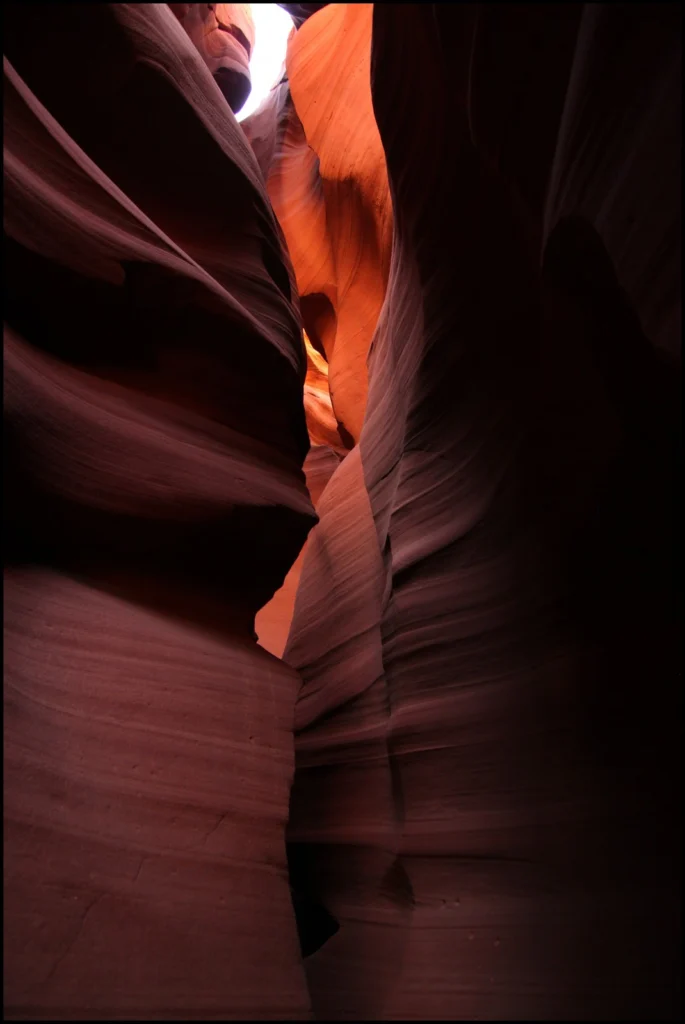
Imaggeo on Mondays: The place where water runs through rocks
Antelope Canyon, located in Arizona, USA, was formed by erosion of the Navajo Sandstone, primarily due to flash flooding and secondarily due to other sub-aerial processes (think of physical weathering processes such as freeze-thaw weathering exfoliation and salt crystallisation). Rainwater runs into the extensive basin above the slot canyon sections, picking up speed and sand as it rushes into the ...[Read More]
Imaggeo on Mondays: Pitter-patter of little paws in Patomsky crater
This week’s Imaggeo on Mondays is brought to you by Dmitry Demezhko, who describes how Patomsky crater may have formed and why it keeps scientists puzzling… Patomsky crater, also known as Patomskiy crater or the Patom cone, sits in the Irkutsk Region of Eastern Siberia. The site is a curious cone with a crater at the top and a small mound in the center. The cone totals some 39 metres in height and ...[Read More]
Imaggeo on Mondays: Long live the lichen!
Lichens are amazing organisms. They are a composite of algae and fungi, each of which supports the other through the exchange of nutrients (fungi to algae) and carbon (algae to fungi). They are also capable of making a home out of seemingly inhospitable rock surfaces – and what’s more – making the most of these surfaces to release the nutrients they need to grow. The quartzite above is home to the ...[Read More]
Imaggeo on Mondays: All kinds of exposure
This photo was taken by Grant Wilson at Arches National Park, Utah, USA. The park is home to more than 2,000 sandstone arches, exposed by years of weathering and the removal of softer rock. They are part of the Entrada Sandstone formation, which was deposited during the Jurassic. “The arches form as ice accumulated in fissures expands and breaks the rock forming fins. Wind and water eroded the fin ...[Read More]