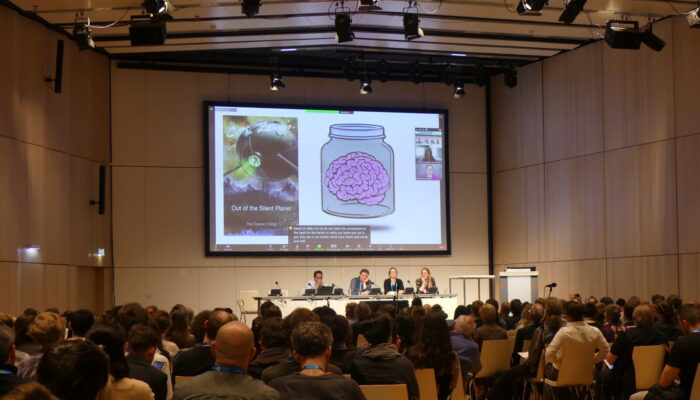
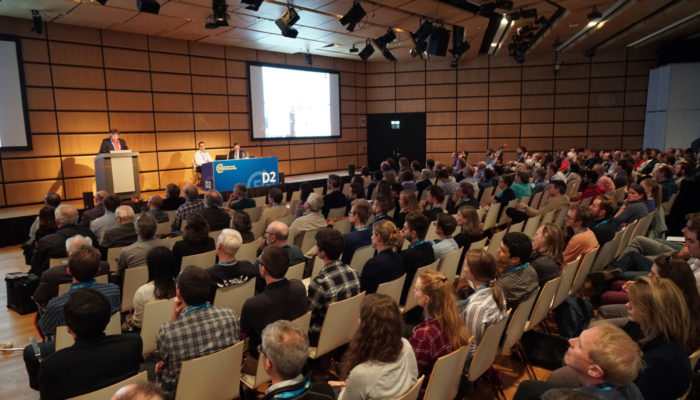
Most people spend a lot of time and effort making their presentation engaging and impactful, but how much time do you spend making sure it is accessible!? An accessible presentation takes into account the diverse backgrounds and abilities of the audience, to support a better understanding of the message and information you are trying to share. This is particularly important for scientific research ...[Read More]
How to make your EGU25 presentation accessible!
Most people spend a lot of time and effort making their presentation engaging and impactful, but how much time do you spend making sure it is accessible!? An accessible presentation takes into account the diverse backgrounds and abilities of the audience, to support a better understanding of the message and information you are trying to share. This is particularly important for scientific research ...[Read More]
How to make your EGU24 presentation accessible!
Most people spend a lot of time and effort making their presentation engaging and impactful, but how much time to you spend making sure it is accessible!? An accessible presentation takes into account the diverse backgrounds and abilities of the audience, to support a better understanding and of the message and information you are trying to share. This is particularly important for scientific rese ...[Read More]
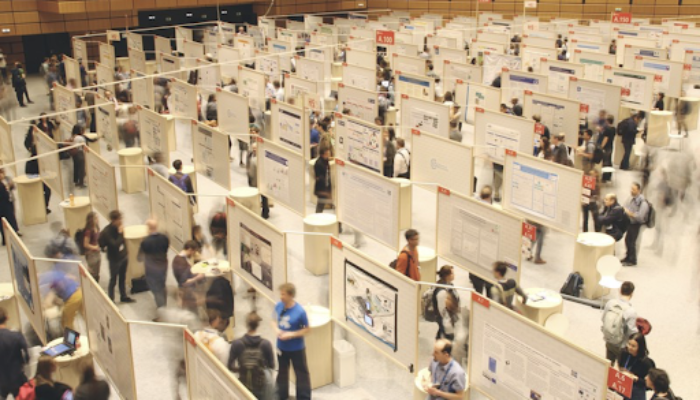
Honest observations about EGU23 poster designs: from geophysicist and graphic designer Fabio Crameri
Science tells us: more is more, and less is less. As geoscientists, we therefore intuitively conceive paragraphs of text as a lot of information, and a generous selection of colours as strongly eye-catching. But text-filled, rainbow-coloured poster presentations communicate neither effectively nor in an accessible manner. After working for months or even years on a geoscience project, we have a lo ...[Read More]
How to make your EGU23 presentation accessible to all
Most people spend their time and effort making their presentation engaging and impactful, but what about accessibility? An accessible presentation takes into account the diverse backgrounds and abilities of the audience, to enable better understanding and recall of the content shared. This is also true for the way we share scientific research: presenters would do well to communicate their research ...[Read More]
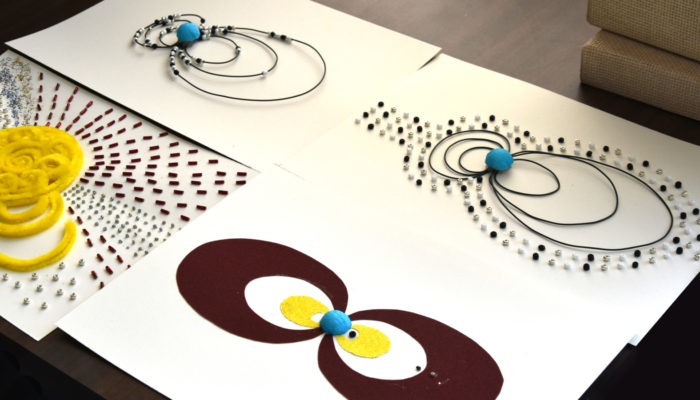
A touch of space weather! An EGU funded outreach project for blind and visually impaired students
We can all probably agree that the Northern Lights are one of the world’s most spectacular natural displays. But how do we share this beauty with children who are blind? How do we explain the processes behind the aurora creation to the visually impaired when all the illustrations of Earth’s magnetosphere are in 2D? The Northern Lights are just one of the consequences of ‘space weather’. Space weat ...[Read More]
How to EGU22: Making your presentation accessible to all!
The last couple of years have changed the way we communicate with each other – both in our professional and personal lives. The pandemic has inspired many of us to experiment with and embrace new digital ways of working, catching up with family and friends, networking, and more! This is also true for the way we share scientific research. In the digital world though, we’re sometimes mor ...[Read More]
Accessibility at vEGU21: creating an accessible (and effective) presentation!
Even before the global pandemic reshaped how we share our scientific research, presenting our results online has become more and more a normal activity for researchers around the world. Digital conferencing, remote presentations and pre-recorded talks shared over the internet have a lot of positives and negatives, not least of which is the ability to share your work with a wider audience than migh ...[Read More]
Colour deficient vision and the geosciences; just another way of looking at things
Like a reasonably large proportion of the population, I have colour vision deficiency (also known as colour deficient vision or colourblindness). I’m not going to get into the technical aspects of what this is like as they are covered well here and here, and you can do an Ishihara test, and other tests here, to check your own vision. The other reason I’m not going to discuss the technicalities of ...[Read More]
Accessibility at EGU: Top 10 tips for visually accessible presenting – the sequel!
Do you remember a time when everyone else around you started laughing, but you didn’t notice a joke? By designing presentations that are inaccessible – either in PICO, poster or oral presentation format – sometimes people in your audience have this experience of feeling left out. Last month we posted our top 10 tips for making a presentation ‘accessible’ following the announcement that EGU ...[Read More]