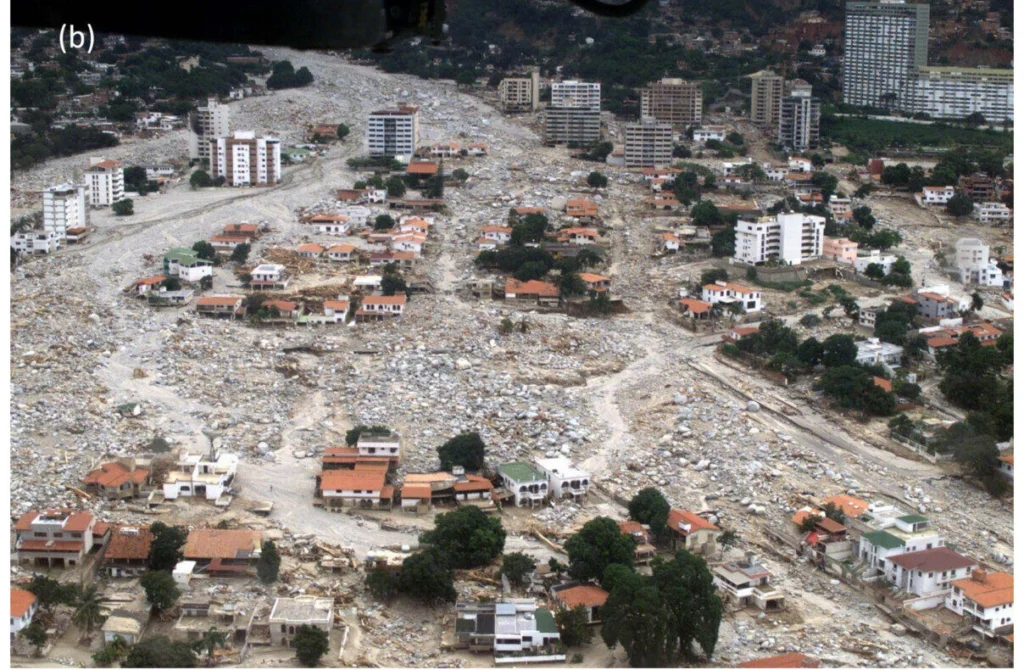
Thirty years ago, in August 1996, a catastrophic flash flood swept through the Las Nieves campsite on the alluvial fan of the Barranco de Aras near Biescas in the Central Pyrenees of Aragón, Spain. The tragedy claimed 87 lives and injured over 180 people. This makes it one of the most severe weather-related disasters in modern European history. In the decades following the disaster, geoscientists ...[Read More]
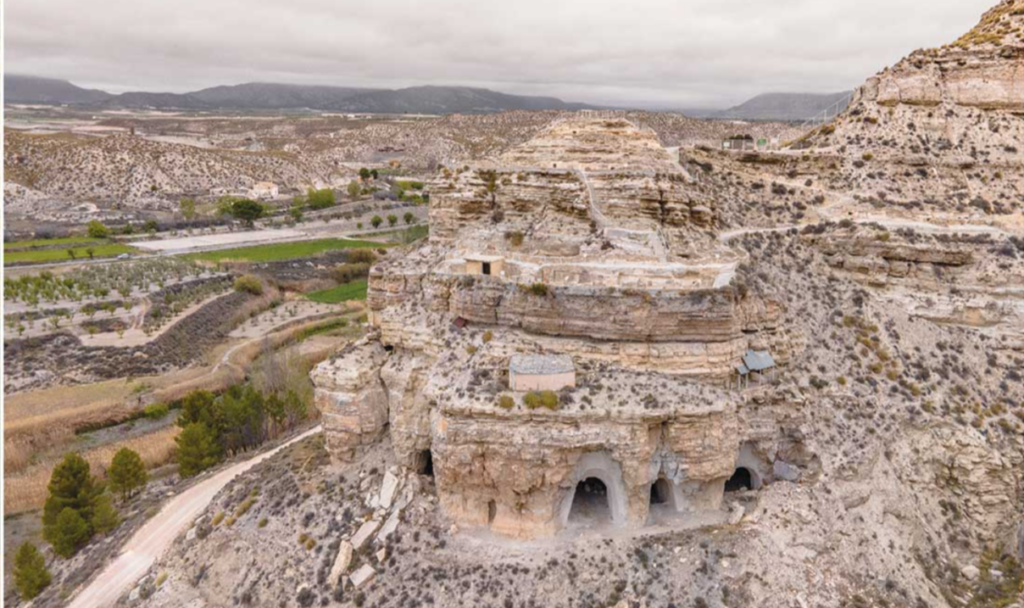
Palaeoseismic crisis in the Galera Fault (southern Spain): consequences in Bronze Age settlements?
Alright, buckle up folks for this blog post, because we’re about to explore the wild ride of plate tectonics between the Iberian Peninsula (Eurasia plate) and North Africa (Nubia plate). These two plates are moving slowly at a moderate pace of 5-7 mm per year, which might not seem like much, but it’s enough to shake things up—literally! In a recent paper, published by our journal Solid Earth ...[Read More]
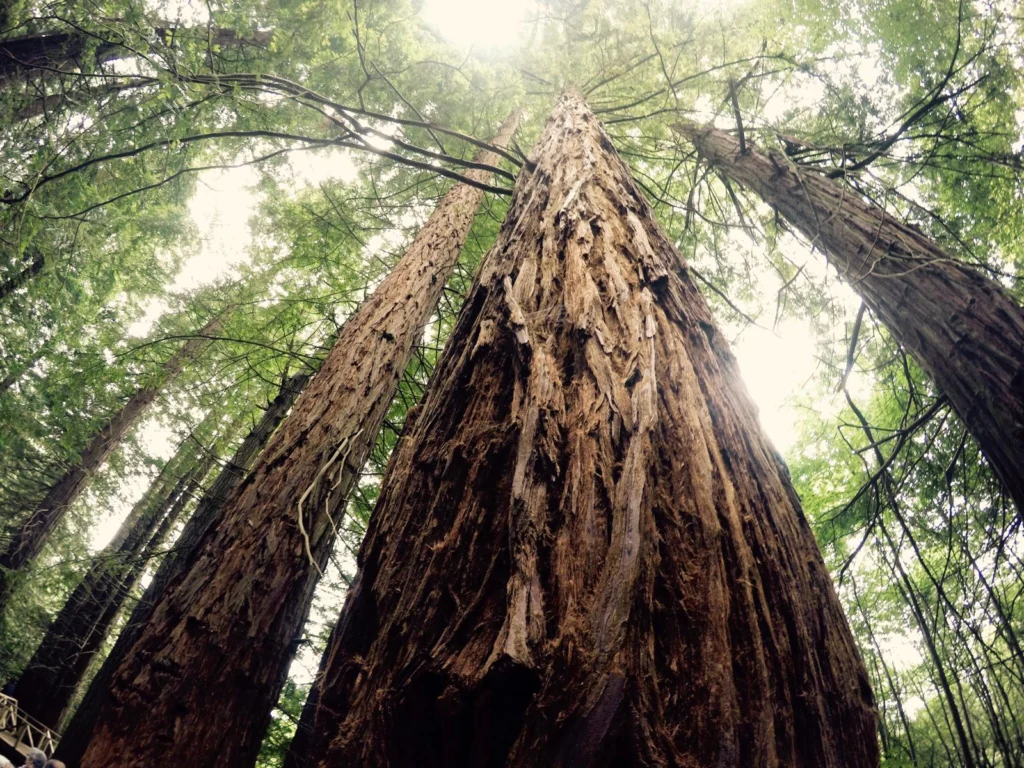
Imaggeo On Monday: A marvellous sequoia in spring time
Although more commonly associated with the west coast of the United States, if you visit Cabezón de la Sal in Spain you may come across a stand of giant redwood trees or Sequoia. Around 800 trees were brought to Spain in the 1940s, so are still very young, but even at their young age they are still around 40 meters high! Sequoia groves, as well as being awe-inspiring to look at, provide a uniquely ...[Read More]
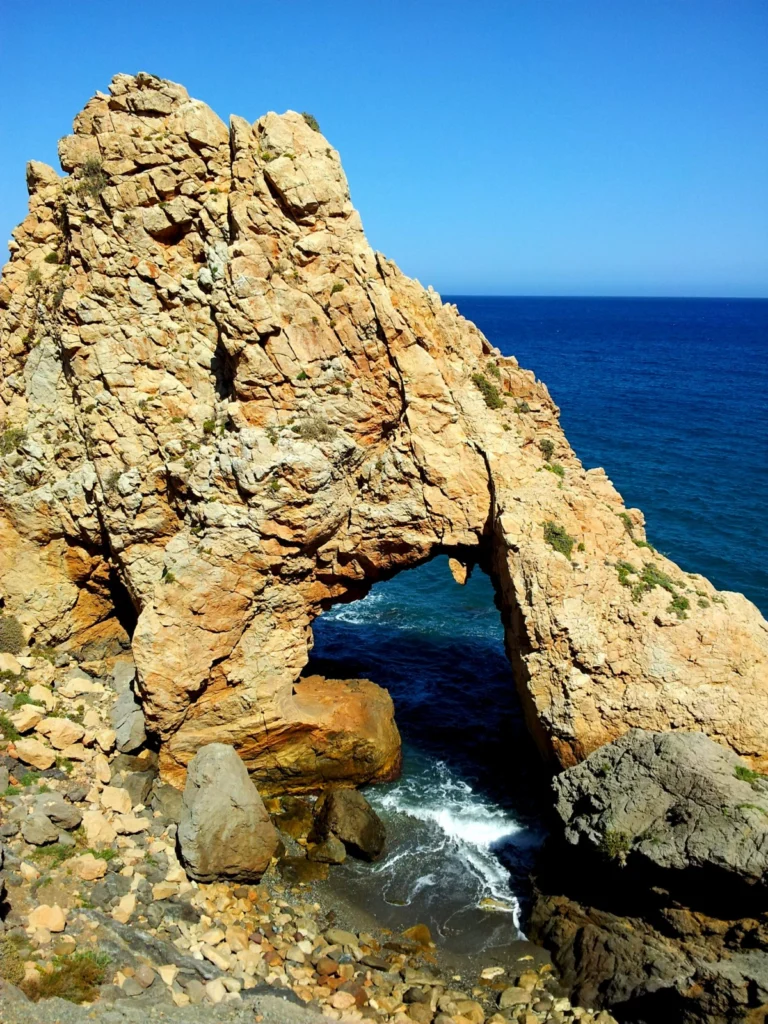
Imaggeo On Mondays: Natural Arch
This natural arch named Pirulico’s tower is located in Mojácar, situated in the south east of the Province of Almería (Andalucia) in southern Spain. A natural arch, natural bridge or, less commonly, a rock arch is a natural rock formation where a rock arch forms, with an opening underneath. Most natural arches form as a narrow bridge, walled by cliffs, become narrower from erosion, wi ...[Read More]