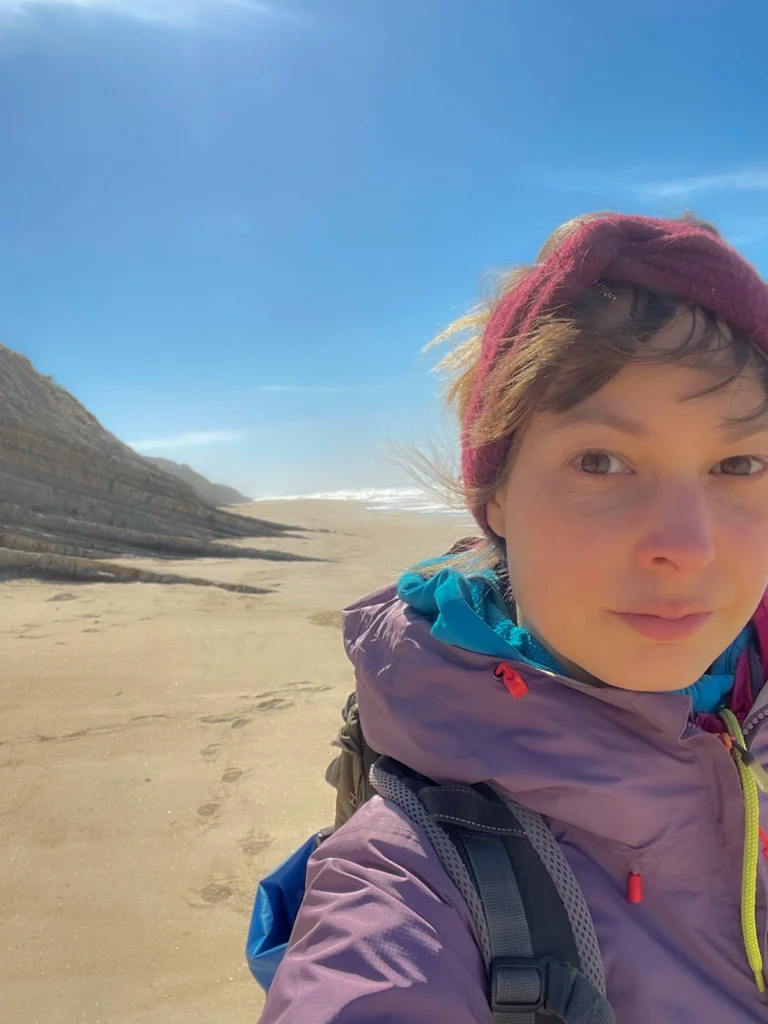
Hi Marisa. Thank you for joining us today! Could you tell our readers a bit about yourself and your research? Hi, I am a geologist and organic geochemist, currently working as a postdoc at the NIOZ Netherlands Institute for Sea Research based on the island Texel. After my geology-focused undergraduate and master studies in Germany at the RWTH Aachen and Heidelberg University, I graduated wi ...[Read More]
sedimentology
Imaggeo On Monday: Erosion and suspension
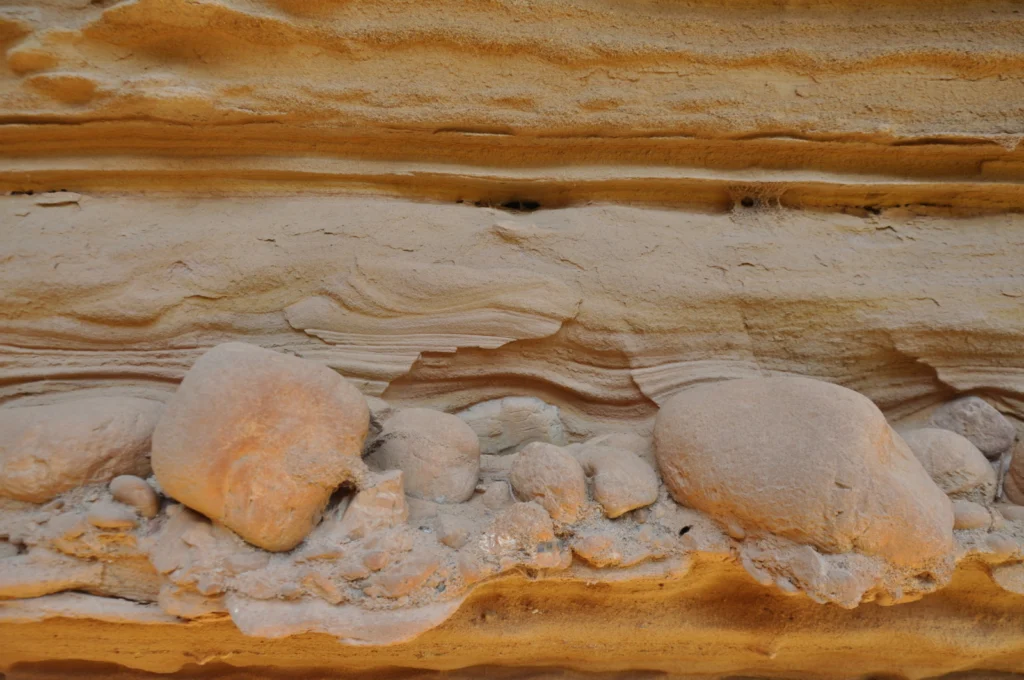
This image shows bottomset beds from the Kerinitis Gilbert-type delta. The Pleistocene delta uplifts along the active southern margin of the Corinth rift in Greece. A bottomset bed is one where layers of sedimentary material lying along the bottom of a body of water near the point of entry of a stream are subsequently covered by foreset and topset beds in the formation of a delta. Thus in this ima ...[Read More]
Imaggeo on Mondays: how short-term storms can impact our landscapes
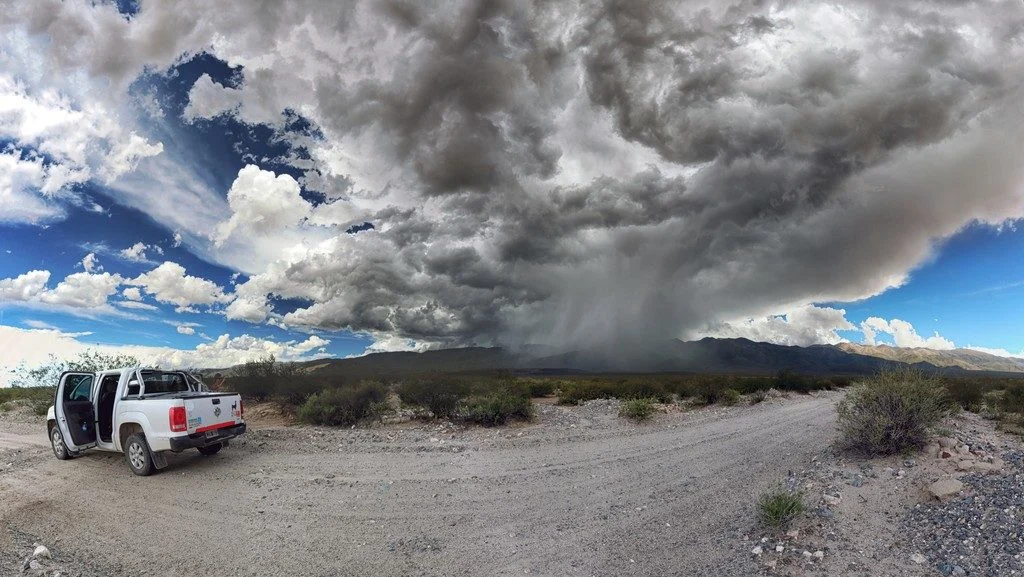
In the Sierra de Aconquija, a mountain range in the southern Central Andes of Argentina, strong storms often come and go at a moment’s notice, but they can have a long-lasting impact on the Earth’s surface. The thunderstorm cell featured in this photo formed in less than half an hour, giving all those nearby only a few minutes to take cover. Mitch D’Arcy, a geomorphologist and postdoctoral researc ...[Read More]
Imaggeo on Mondays: Small scale processes, large scale landforms
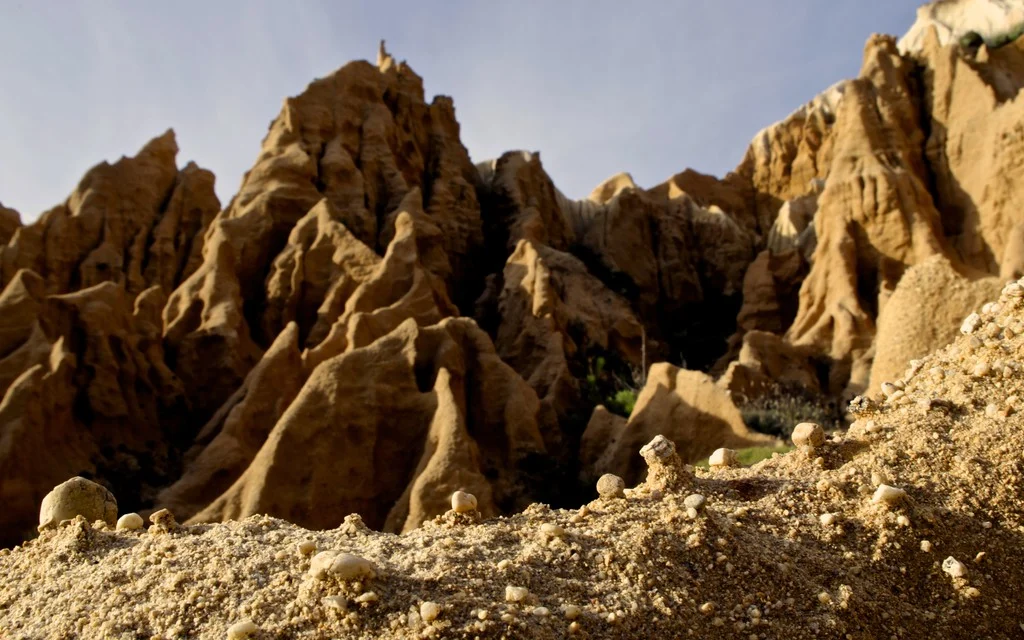
This picture was taken in a sea cliff gully landscape at the Portuguese coast. It shows the microrelief which small scale wash and erosional processes produce in these poorly consolidated sediments. These small scale landforms could be interpreted as initial stages of larger scale gully landforms, which can be seen in the back. This highlights the importance of regarding scales and scale linkages ...[Read More]
Imaggeo on Mondays: Probing the Pliocene
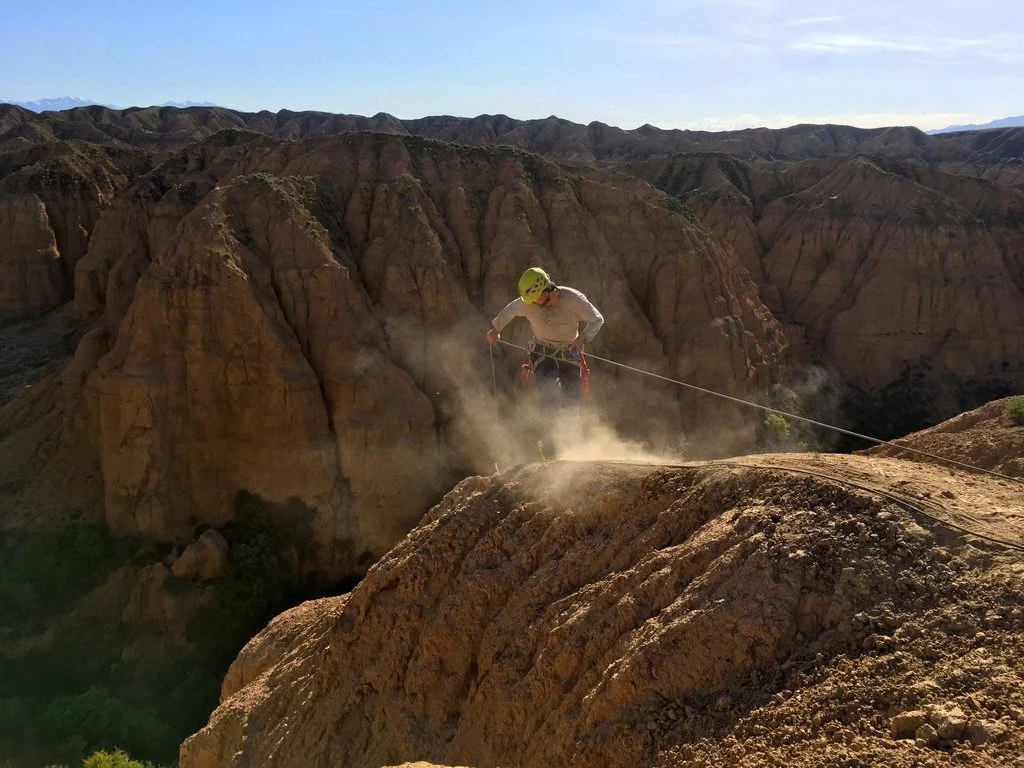
The heights we go to for science… This photograph shows a member of our team preparing to abseil down a cliff in the Charyn Canyon, in the Ili River basin of southeast Kazakhstan. The Charyn River and its tributaries, a branch of the Ili River north of the Tien Shan Mountains, have cut canyons up to 300 metres deep, carving through rocks of different geologic ages, some as old as 540 million years ...[Read More]
Imaggeo on Mondays: Angular unconformity
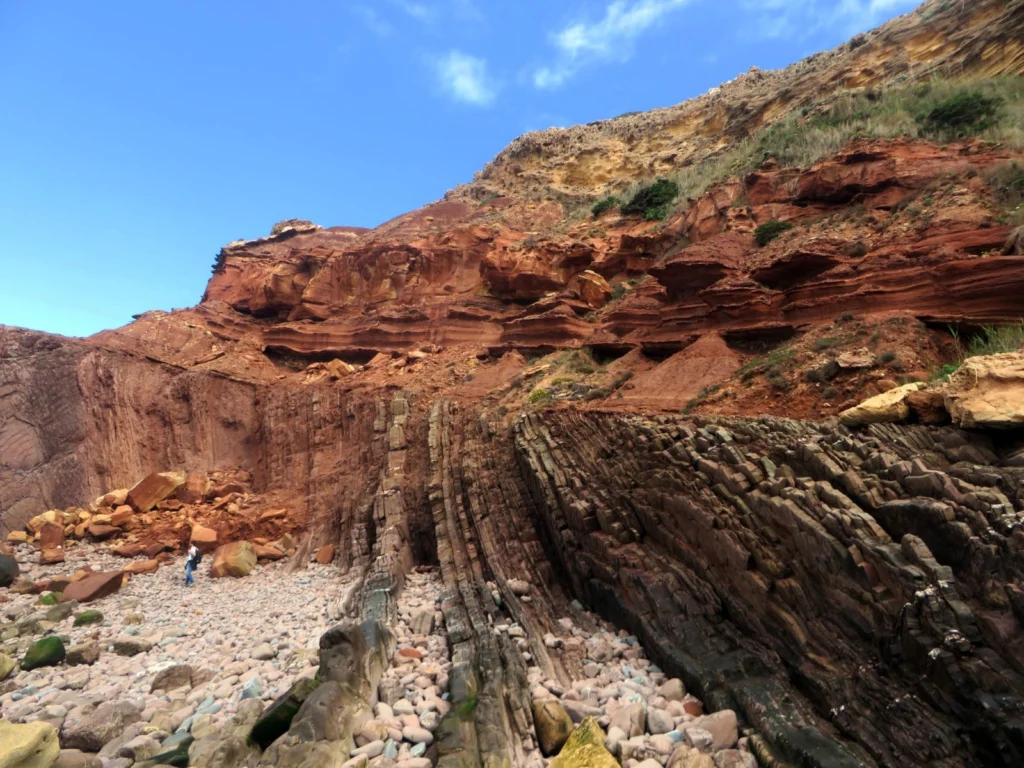
It is not unusual to observe abrupt contacts between two, seemingly, contiguous rock layers, such as the one featured in today’s featured image. This type of contact is called an unconformity and marks two very distinct times periods, where the rocks formed under very different conditions. Telheiro Beach is located at the western tip of the Algarve; Portugal’s southernmost mainland region and the ...[Read More]
Imaggeo on Mondays: Viñales Valley
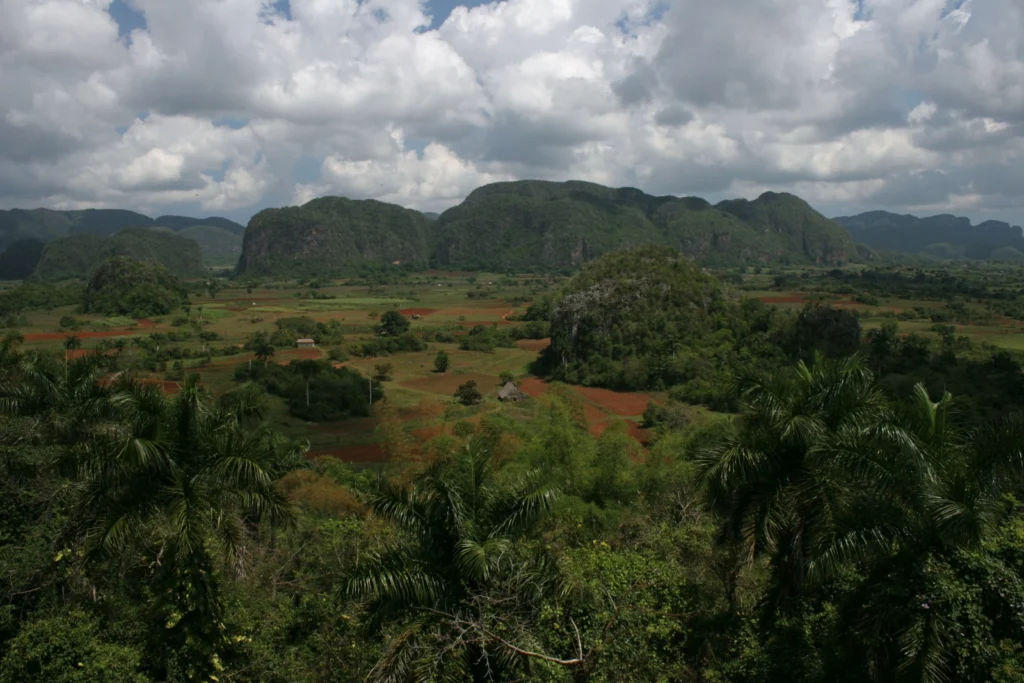
From last week’s unusual desert landscape to this week’s lush valley in Cuba… The picture shows the Vinales Valley, a karstic depression with mogotes in western Cuba. Karst is the general term for landscapes formed when limestone is disolved by carbonic acid, in rain water. This leads, in particular, to the formation of an underground network of caves and rivers. In the tropics, ...[Read More]
Imaggeo on Mondays: Sedimentary record of catastrophic floods in the Atacama desert
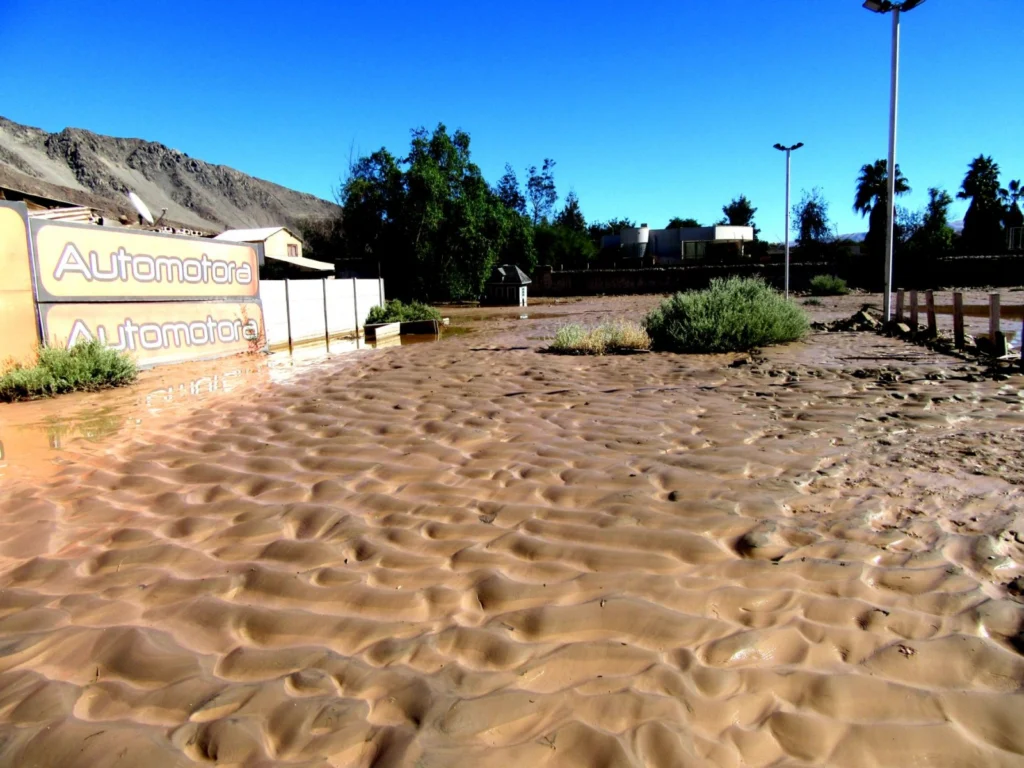
Despite being one of the driest regions on Earth, the Atacama desert is no stranger to catastrophic flood events. Today’s post highlights how the sands, clays and muds left behind once the flood waters recede can hold the key to understanding this natural hazard. During the severe rains that occurred between May 12 and 13, 2017 in the Atacama Region (Northern Chile) the usually dry Copiapó R ...[Read More]
Imaggeo on Mondays: Escullos
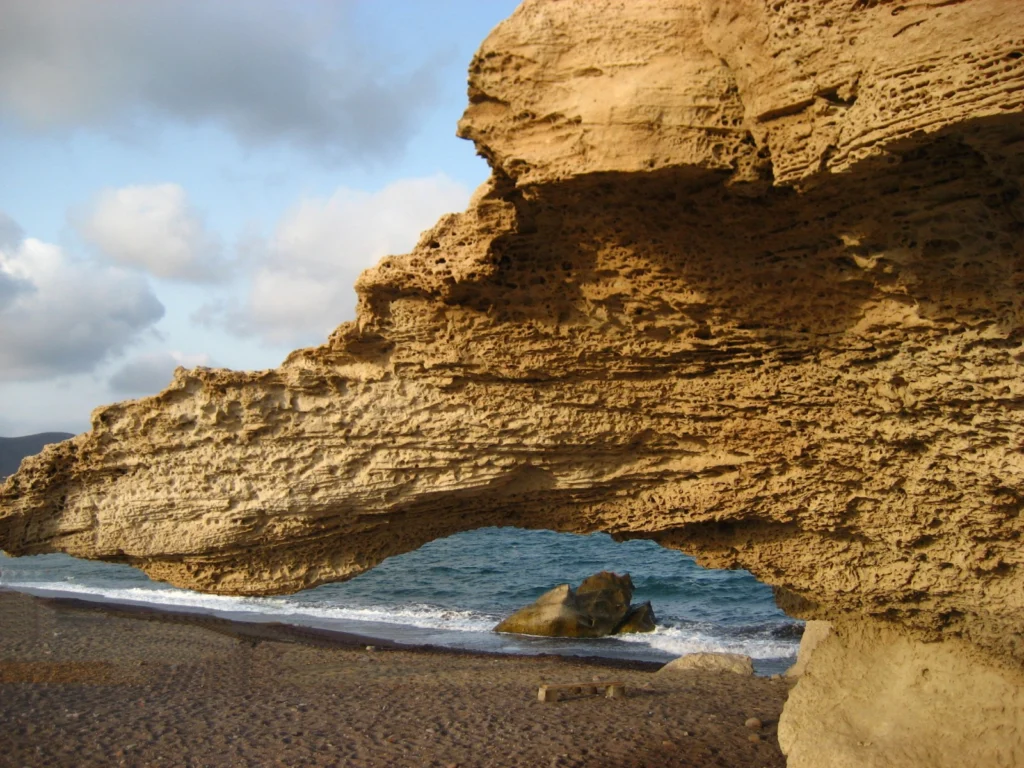
This picture shows a Quaternary aeolianite fossil dune at the Escullos beach, in the Nature Reserve of Cabo de Gata (Almeria, Spain). Originally a soft accumulation of sand grains, shaped by the wind into large mounds and ridges, the dunes eventually turn into rock. As the sediments compact under their own pressure and expel any moisture and fluids retained within them, they become lithified and b ...[Read More]