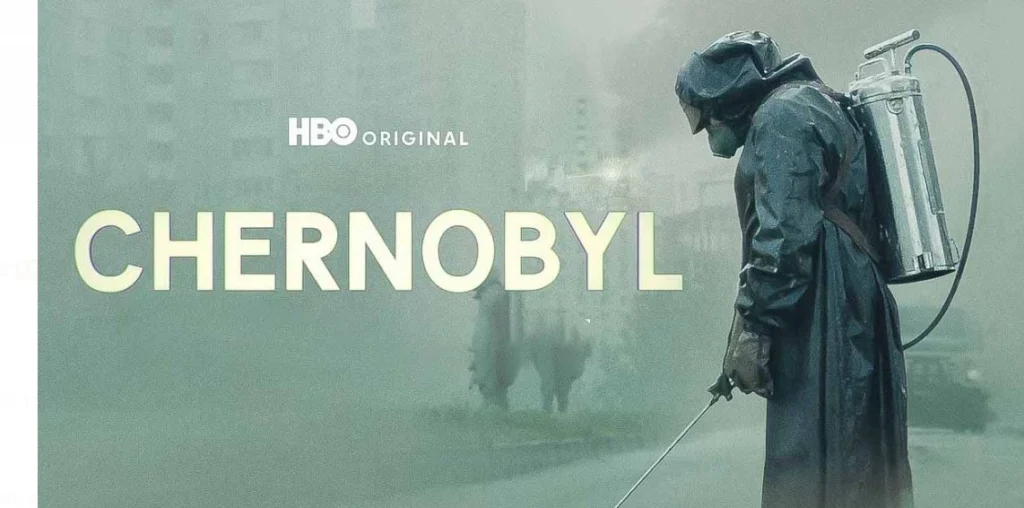
The HBO and Sky UK television series Chernobyl is a historical drama that explores the events leading up to and following the 1986 Chernobyl nuclear disaster in Pripyat Ukraine. Not only does this series focus on one of the worst nuclear accidents in history, but also on the challenges and successes of one of the lead scientists involved in communicating the scientific evidence to key decision-mak ...[Read More]
science advice
GeoPolicy: Science Activism vs. Science Advice – choosing your path to policy impact
Science is a vital part of the policymaking process. It enables decision-makers to better understand the policy options that they have and the potential consequences of any actions or inaction. While it is just one factor that policymakers should consider during their decision-making process, it is an important one! This month’s GeoPolicy blog post will explore two different approaches that scient ...[Read More]
GeoPolicy: What is science diplomacy?
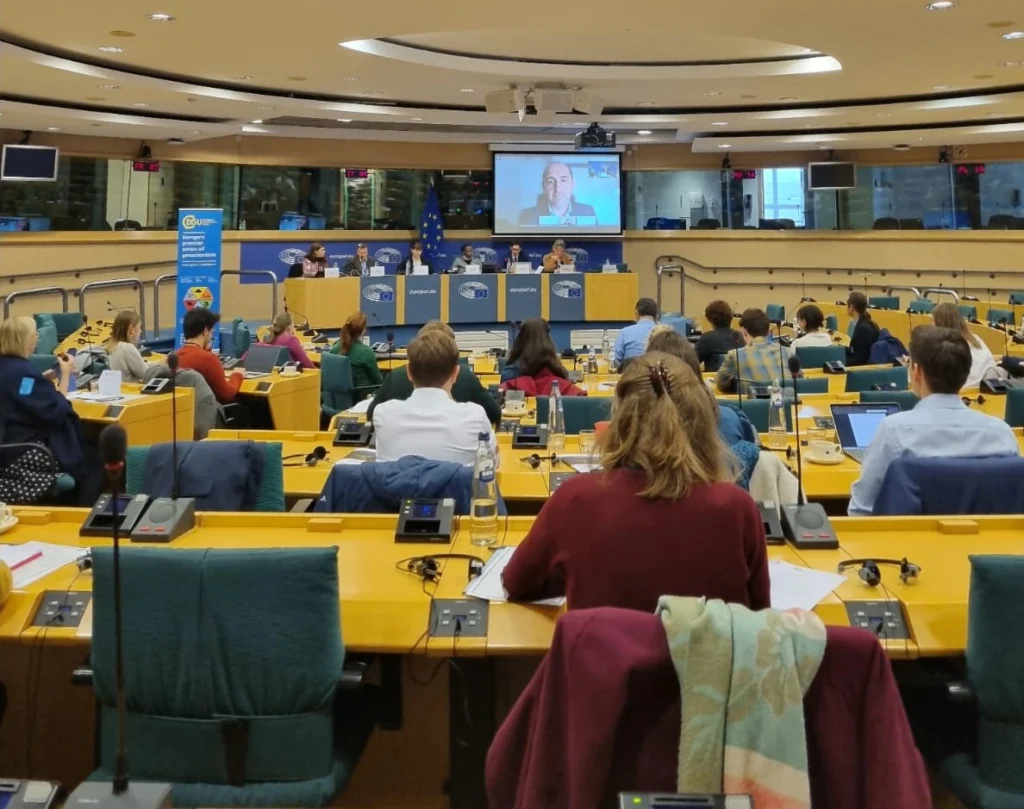
For the most part, EGU’s policy activities focus on science advice, science for policy, and occasionally a policy for science initiative! But Science Diplomacy is another adjacent area that is often asked about. This month’s GeoPolicy Blog post will give an overview of Science Diplomacy, its different strands, and how scientists can engage with it! What do we mean by science diplomacy? Scie ...[Read More]
GeoPolicy: My experience with the EGU’s science-policy pairing scheme
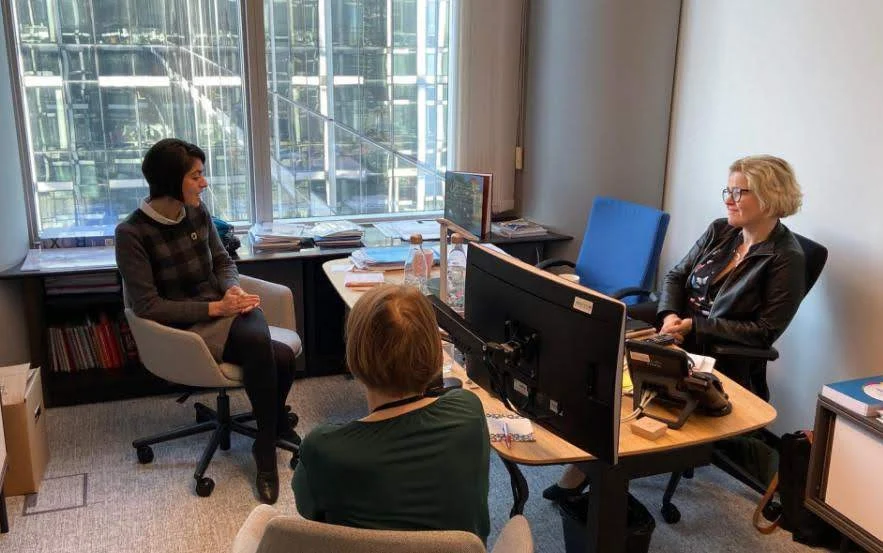
“Thanks for coming, but no time for celebratory drinks,” I told my colleagues. I arrived in Brussels right after defending my doctoral thesis to brief the Finnish Member of the European Parliament (MEP) Miapetra Kumpula-Natri and her team about the impact of sea-level rise and climate change on the coastal communities of the Baltic Sea. Climate science? Baltic Sea? EU Parliament? I was soon bombar ...[Read More]
GeoPolicy: Making a case for science at the United Nations
This month’s GeoPolicy is a guest post by the International Council for Science (ICSU). Based in Paris, the organisation works at the science-policy interface on the international scale. Here, Heide Hackmann, Executive Director at ICSU, highlights key initiatives ensuring science is present within the United Nations (UN) and explains how ICSU and the scientific community can support these pr ...[Read More]
GeoPolicy: Living in a post-factual society and why it’s more important than ever for scientists to engage
Last week, the EGU Science Policy Fellow packed her bags and flew to Brussels. Now this wasn’t to sample some of the fine beers Belgium has to offer, but to attend the 2nd International Network on Government Science Advice (INGSA) Conference. This conference, co-organised by INGSA and the European Commission, aimed to discuss the major principles needed for effective science advice to governments, ...[Read More]
GeoPolicy: Science and the policy cycle
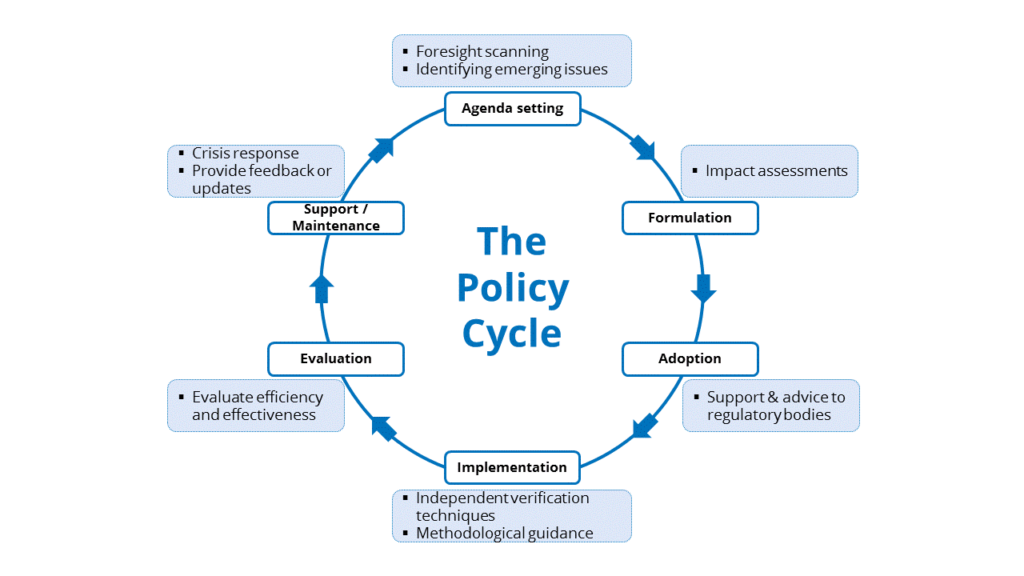
One way to improve the impact of your scientific research is to engage with policy. Doing so can create new opportunities for yourself and your research. The main challenges are knowing when and how to effectively communicate scientific results to policy. If the wrong timing or communication method is chosen then results are less likely to be incorporated into the policy process. This month’s GeoP ...[Read More]