GeoLog

sandstone

Imaggeo on Mondays: Red triassic sandstone
Imaggeo on Mondays: Red triassic sandstone
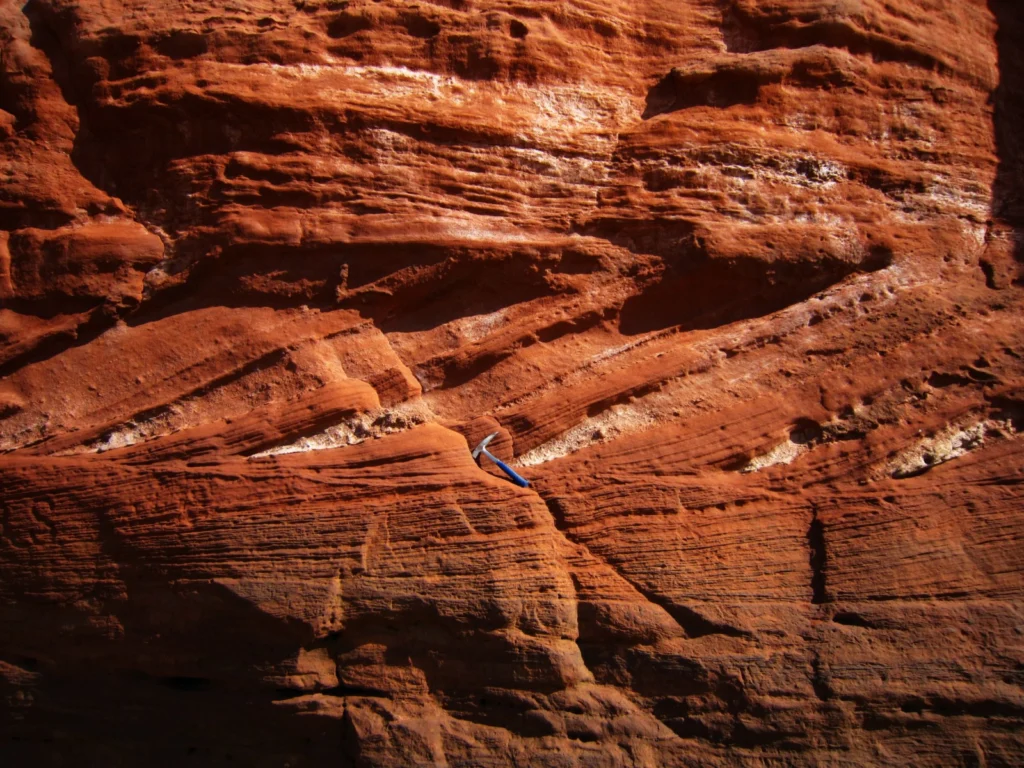
As child growing up on the south coast of Devon in the UK, I never really realised that our beaches were unusual. A glorious, glowing orange-red colour, the cliffs that you can see in this photograph by Sarah Weick produced similarly red sand beaches and warm ochre soils. The bright colour is the result of the sandstone and conglomerates of these rocks, collectively called the New Red Sandstones, ...[Read More]

Imaggeo on Mondays: The sun rises also in the middle of nowhere

Imaggeo on Mondays: The sun rises also in the middle of nowhere

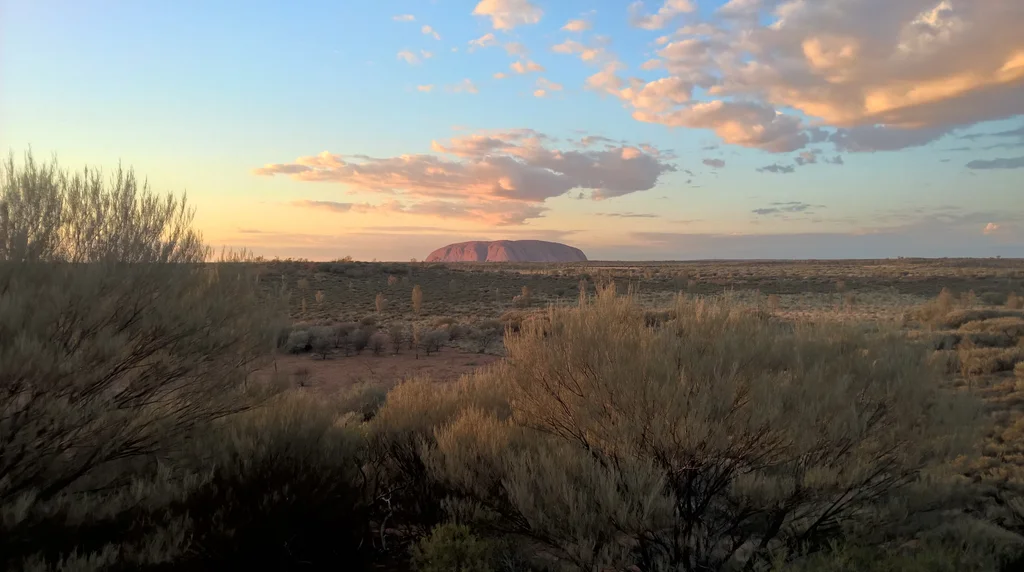
Uluru in Australia is one of the most visibly recognisable geological features in the world. This sandstone formation covers an area of 3.3 kilometres and stands 345 metres above the plains around it. According to geoscientists, the rocks that form Uluru were deposited in an inland sea during the Cambrian Period approximately 500 million years ago. The arkose sandstones were then uplifted and fold ...[Read More]

Imaggeo On Mondays: Contrasting Colors of Pinnacles and Mountains

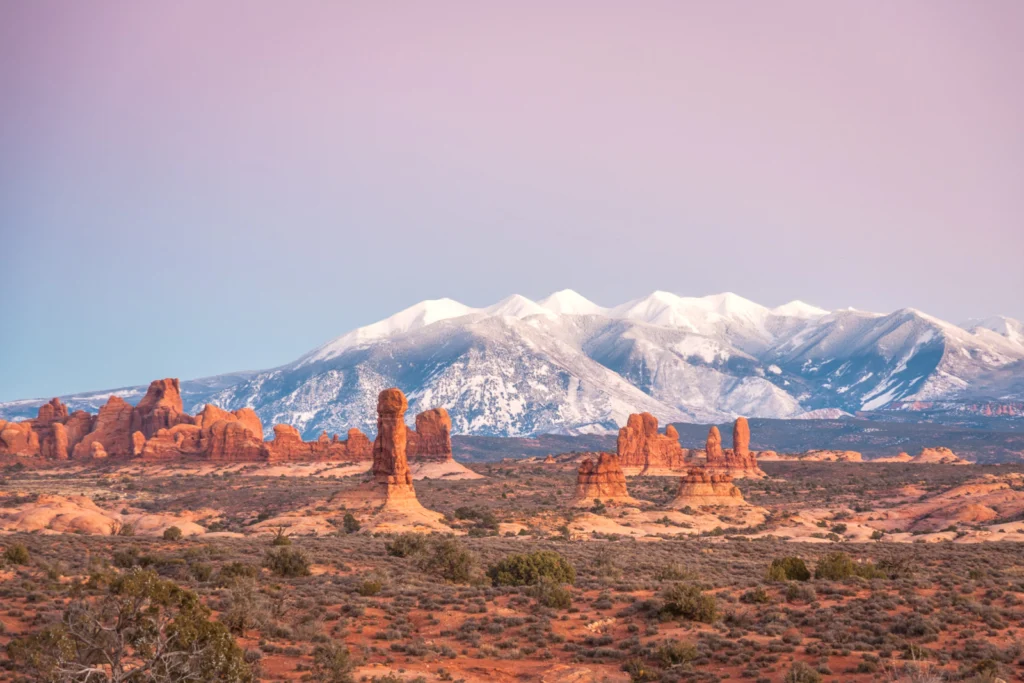
Imaggeo On Mondays: Contrasting Colors of Pinnacles and Mountains

Despite its rugged appearance of sandstone pinnacles and arches, the ecosystem of Arches National Park in Utah, U.S.A. is very fragile. Beyond the normal ‘high desert’ environment, this beautiful landscape is home to microbial communities in the soil called cryptobiotic crusts. These biological soil crusts are very vulnerable to damage and when harmed they can take years to grow back. These barren ...[Read More]

Imaggeo on Mondays: Natural Bridges Monument, Utah, USA

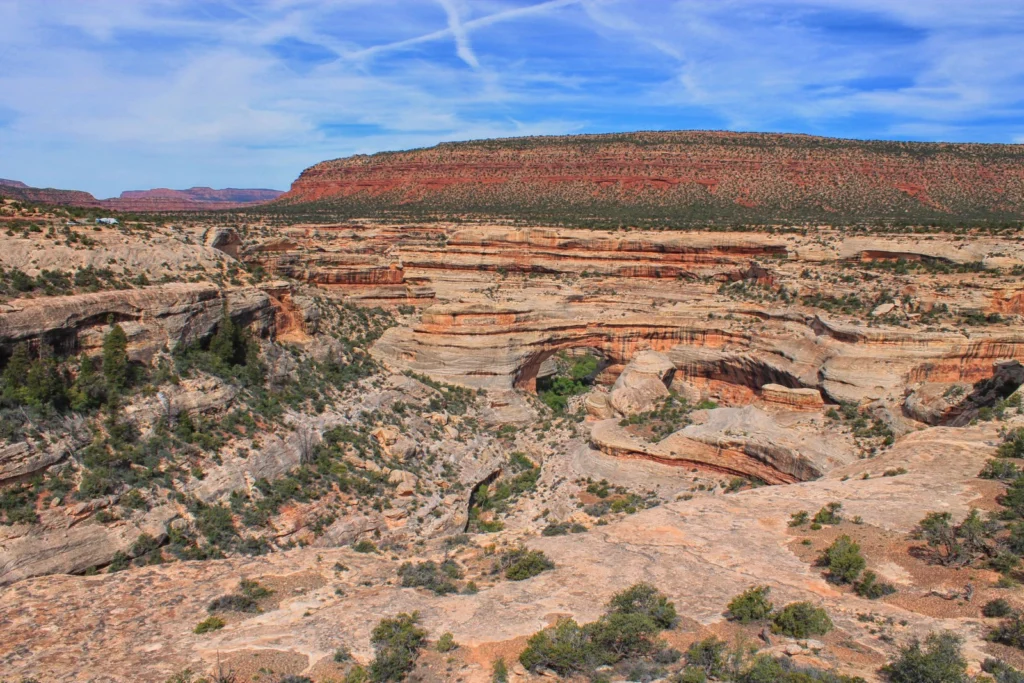
Imaggeo on Mondays: Natural Bridges Monument, Utah, USA

Slowly but surely, the force of water has carved out a beautiful landscape in the sandstones of the Colorado Plateau. Suspended over canyons, naturally formed bridges and arches are the starts of Utah’s first national monument. The geological and modern  history of the region is rich as Kimberly Galvez, a student of the University of Miami, describes below. This image shows an overview of a ...[Read More]

Imaggeo on Mondays: Through the hole

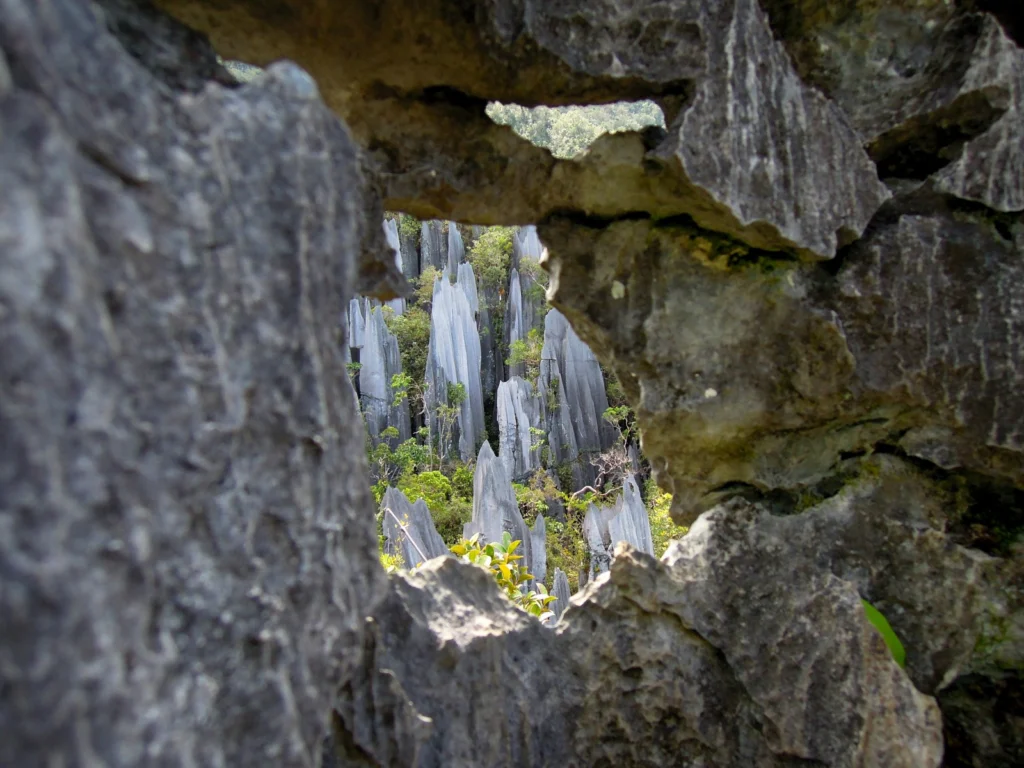
Imaggeo on Mondays: Through the hole

The Gunung Mulu National Park is an area so geologically remarkable and home to such incredibly diverse fauna and flora it has been declared a World Heritage Area.  Located on the island of Borneo, the park is famous for its over 100 different palm species and 3500 other plant types. Geologically speaking, a trip though the varied landscapes will be rewarded with views of deep gorges and hidden va ...[Read More]

Imaggeo on Mondays: The organisation of a river system

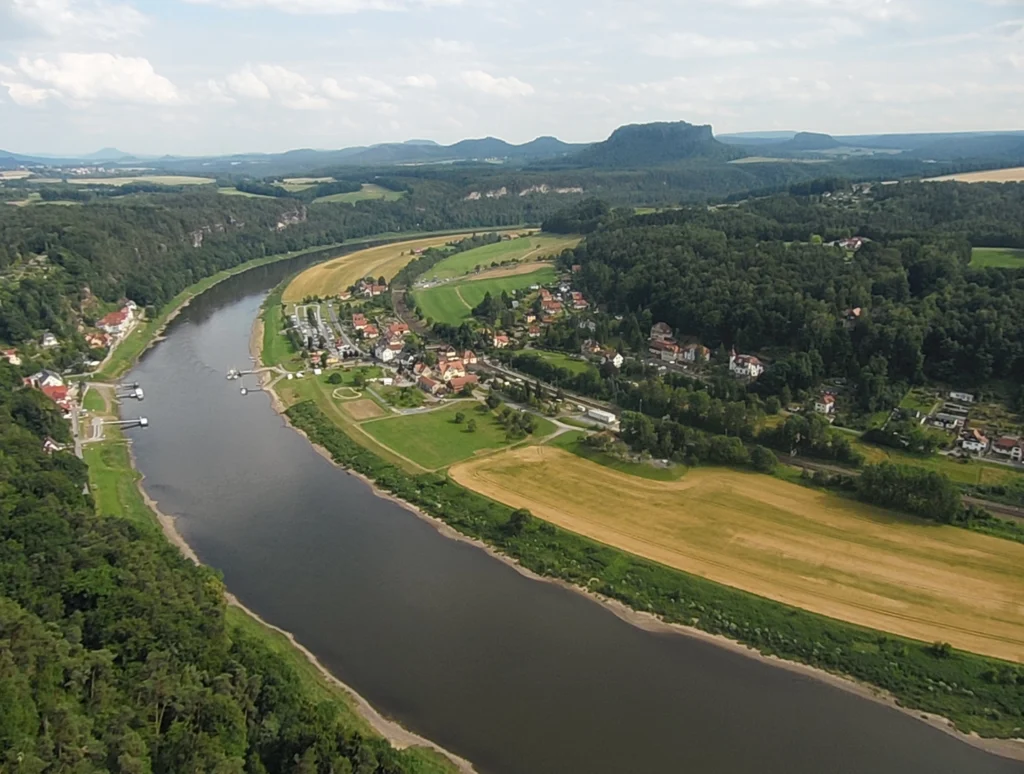
Imaggeo on Mondays: The organisation of a river system

The picture shows the Elbe Rivervalley, one of the major rivers of Central Europe. It was taken from the Bastei Bridge close to Rathen, which towers 194 meters above the Elbe River in the state of Saxony in the south-eastern Germany. This region belongs to the national park known as Saxon Switzerland. Together with the Bohemian Switzerland in the Czech Republic, the Saxon Switzerland National Park ...[Read More]

Imaggeo on Mondays: The place where water runs through rocks

Imaggeo on Mondays: The place where water runs through rocks

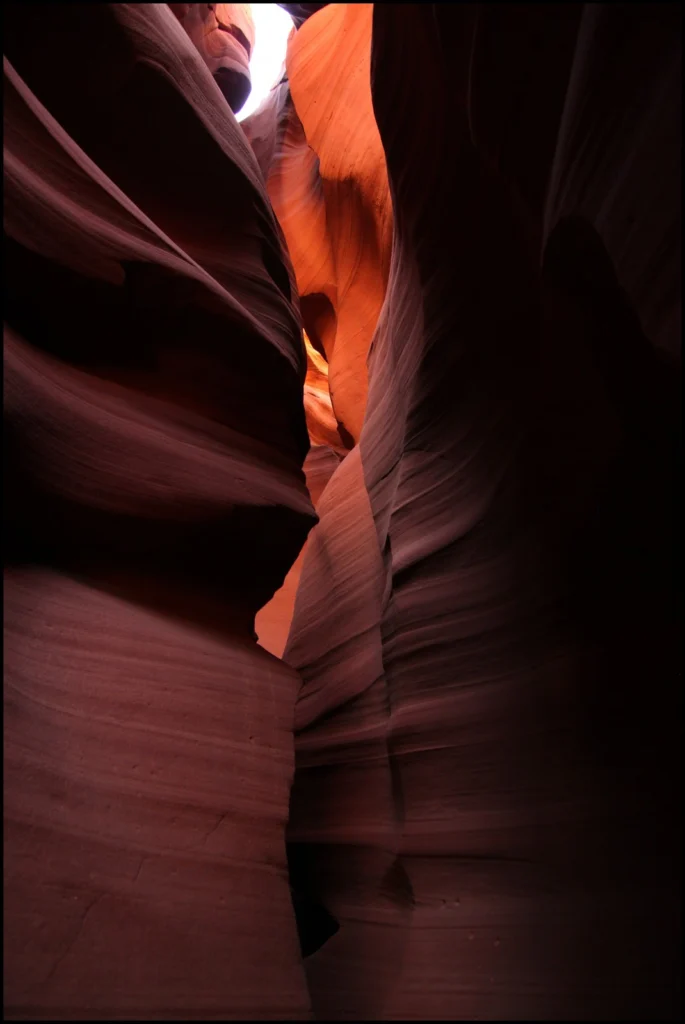
Antelope Canyon, located in Arizona, USA, was formed by erosion of the Navajo Sandstone, primarily due to flash flooding and secondarily due to other sub-aerial processes (think of physical weathering processes such as freeze-thaw weathering exfoliation and salt crystallisation). Rainwater runs into the extensive basin above the slot canyon sections, picking up speed and sand as it rushes into the ...[Read More]

Imaggeo on Mondays: All kinds of exposure

This photo was taken by Grant Wilson at Arches National Park, Utah, USA. The park is home to more than 2,000 sandstone arches, exposed by years of weathering and the removal of softer rock. They are part of the Entrada Sandstone formation, which was deposited during the Jurassic. “The arches form as ice accumulated in fissures expands and breaks the rock forming fins. Wind and water eroded the fin ...[Read More]