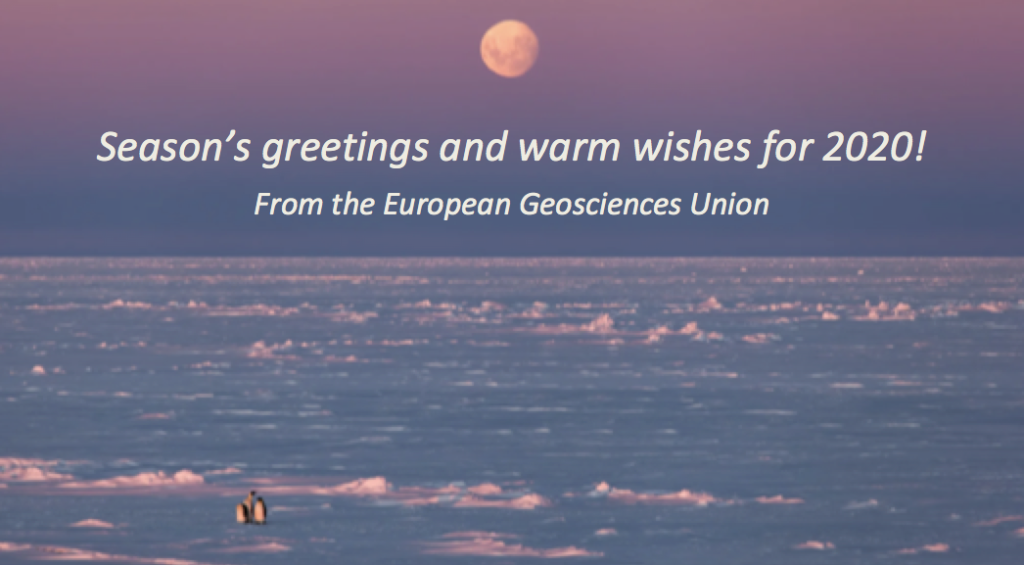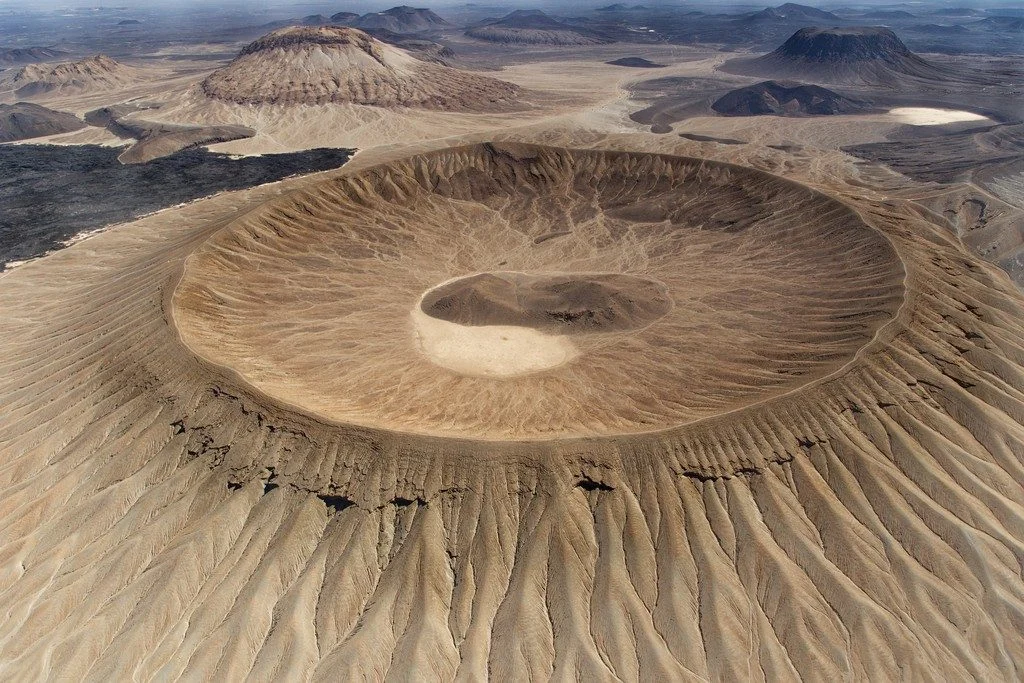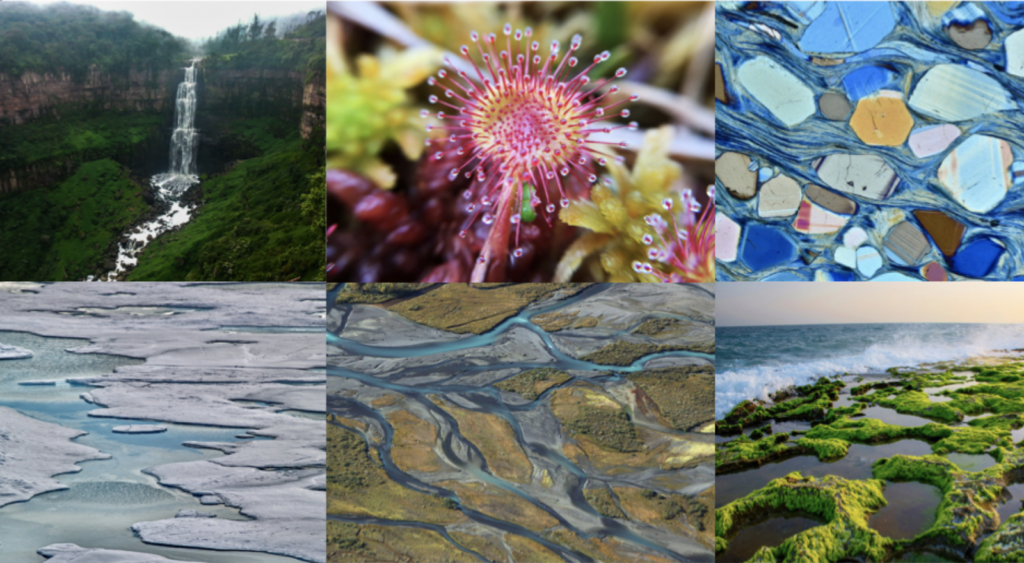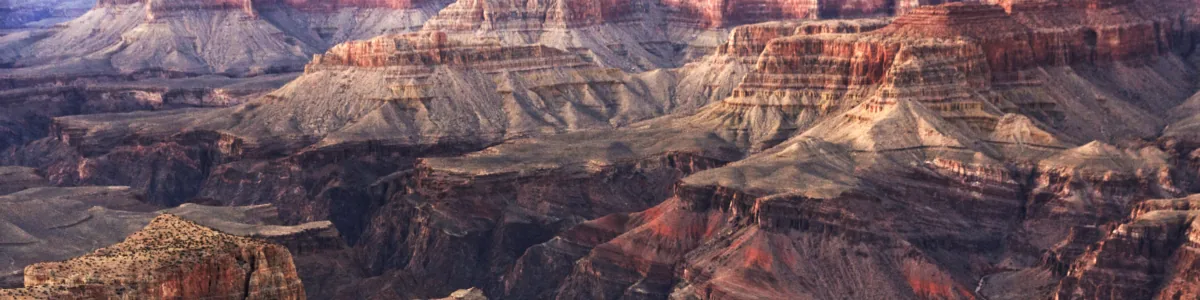
The EGU wishes all our readers happy holidays and very warm wishes for the new year. And for a chance to be featured on GeoLog throughout the new year, don’t forget to submit your field and lab based photographs and other visuals to Imaggeo: our open access image repository. All geoscientists (and others) can submit their photos …[Read More]
open access
Uploading your 2019 General Assembly presentation
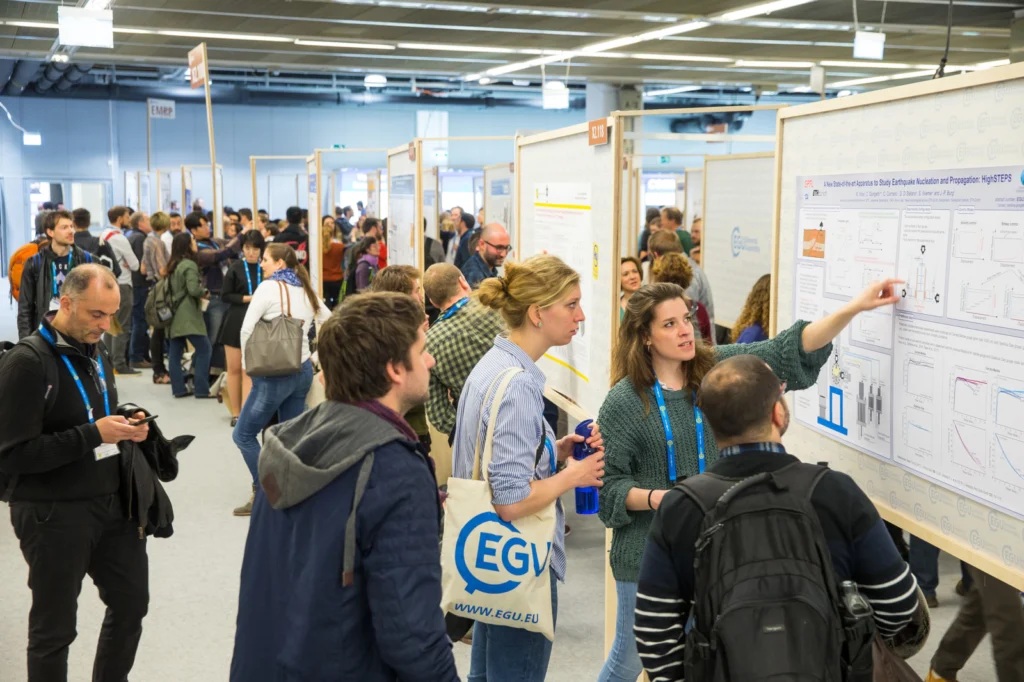
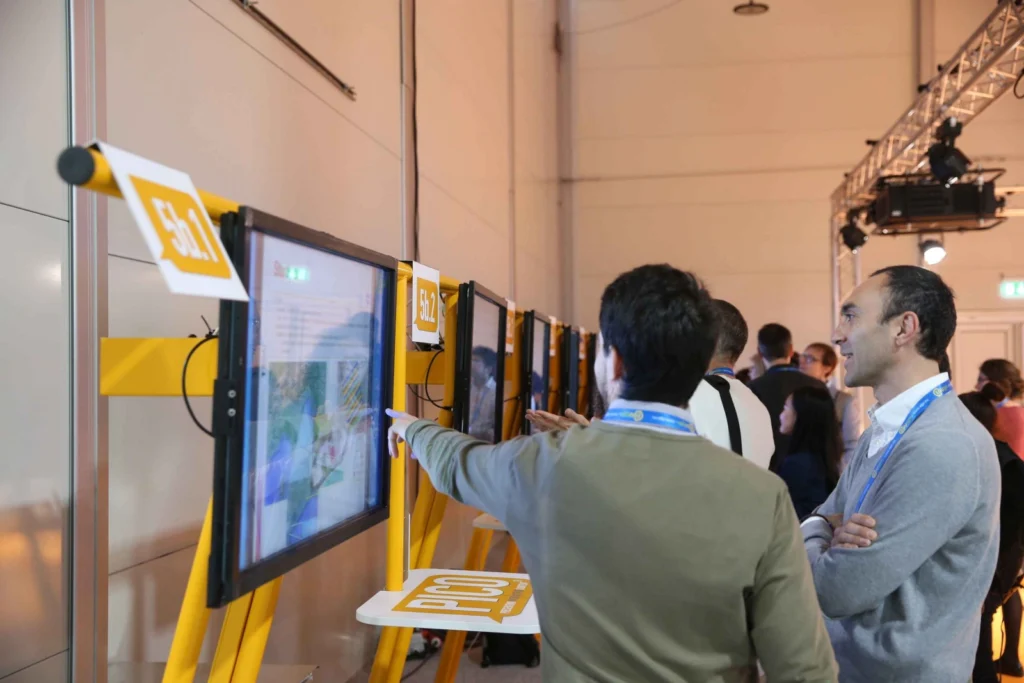
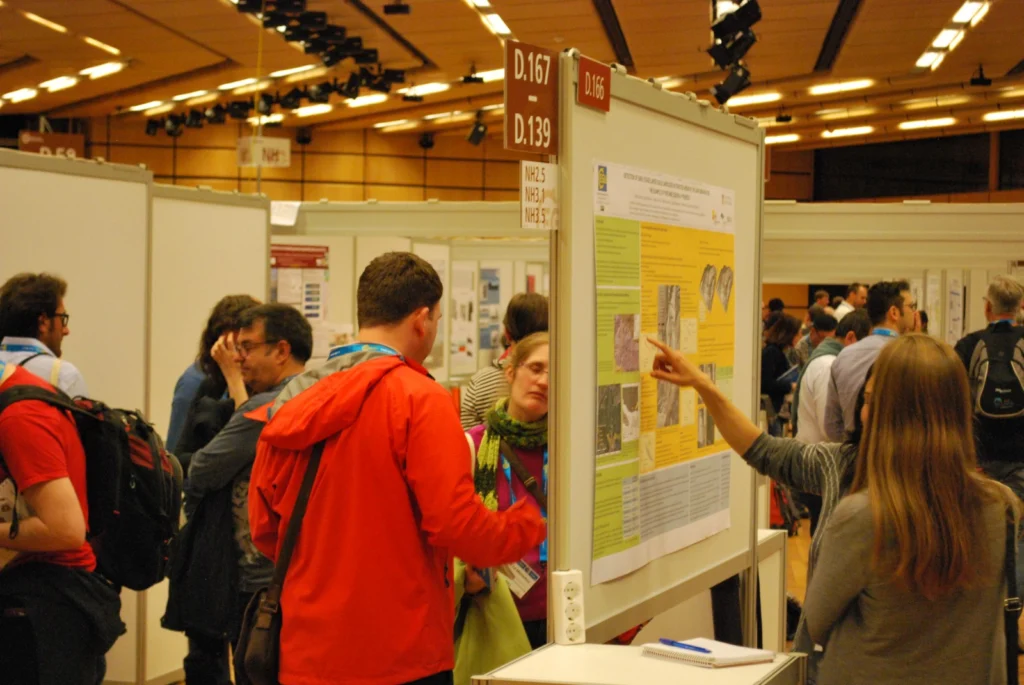
This year it is, once again, possible to upload your oral presentations, PICO presentations and posters from EGU 2019 for online publication alongside your abstract, giving all participants a chance to revisit your contribution – hurray for open science! Files can be in either PowerPoint or PDF format. Note that presentations will be distributed under the Creative Commons Attribution …[Read More]
How to increase reproducibility and transparency in your research
Contemporary science faces many challenges in publishing results that are reproducible. This is due to increased usage of data and digital technologies as well as heightened demands for scholarly communication. These challenges have led to widespread calls for more research transparency, accessibility, and reproducibility from the science community. This article presents current findings and solutions …[Read More]
EGU Photo Competition 2019: Now open for submissions!
If you are pre-registered for the 2019 General Assembly (Vienna, 7 – 12 April), you can take part in our annual photo competition! Winners receive a free registration to next year’s General Assembly! The tenth annual EGU photo competition opened on 15 January. Up until 15 February, every participant pre-registered for the General Assembly can submit up to …[Read More]
Imaggeo on Mondays: The best of imaggeo in 2018
Imaggeo, our open access image repository, is packed with beautiful images showcasing the best of the Earth, space and planetary sciences. Throughout the year we use the photographs submitted to the repository to illustrate our social media and blog posts. For the past few years we’ve celebrated the end of the year by rounding-up some …[Read More]
Preprint power: changing the publishing scene
Open access publishing has become common practice in the science community. In this guest post, David Fernández-Blanco, a contributor to the EGU Tectonics and Structural Geology Division blog, presents one facet of open access that is changing the publishing system for many geoscientists: preprints. Open access initiatives confronting the publishing system The idea of open …[Read More]
Uploading your 2018 General Assembly presentation
This year it is, once again, possible to upload your oral presentations, PICO presentations and posters from EGU 2018 for online publication alongside your abstract, giving all participants a chance to revisit your contribution – hurrah for open science! Files can be in either PowerPoint or PDF format. Note that presentations will be distributed under the Creative Commons Attribution 4.0 License. Uploading …[Read More]
Geosciences Column: How fast are Greenland’s glaciers melting into the sea?
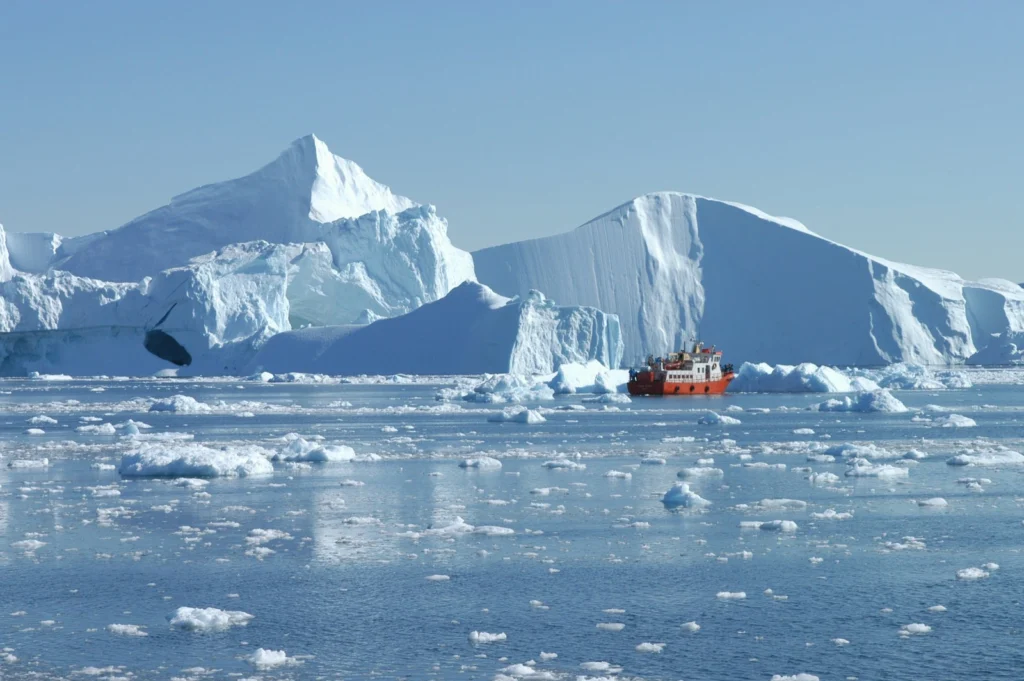
The Greenland ice sheet is undergoing rapid change, and nowhere more so than at its margins, where large outlet glaciers reach sea level. Because these glaciers are fed by very large reservoirs of ice, they don’t just flow to the coast, but can extend many kilometres out into the ocean. Here, the ice – being …[Read More]
GeoSciences Column: Don’t throw out that diary – medieval journals reveal the secret of lightning
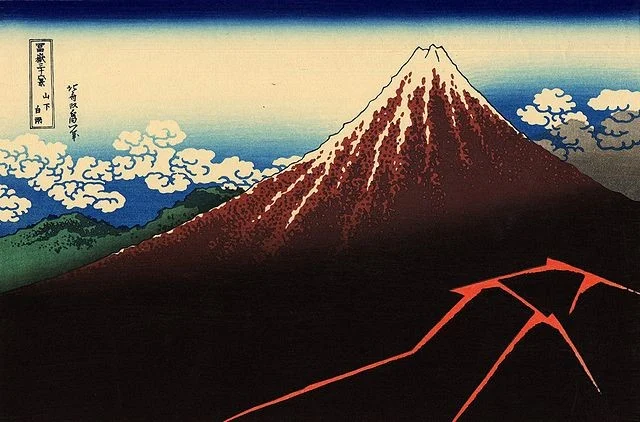
When 17th century Japanese princess Shinanomiya Tsuneko took note of an afternoon storm in her diary one humid Kyoto summer, she could not have imagined her observations would one day help resolve a longstanding scientific conundrum. Statistical analysis of her journals has revealed a link between lightning strikes and the solar wind – proving that …[Read More]
Share the work you presented at EGU 2016: upload your presentations for online publication
This year it is, once again, possible to upload your oral presentations, PICO presentations and posters from EGU 2016 for online publication alongside your abstract, giving all participants a chance to revisit your contribution – hurrah for open science! Files can be in either PowerPoint or PDF format. Note that presentations will be distributed under the Creative Commons Attribution …[Read More]