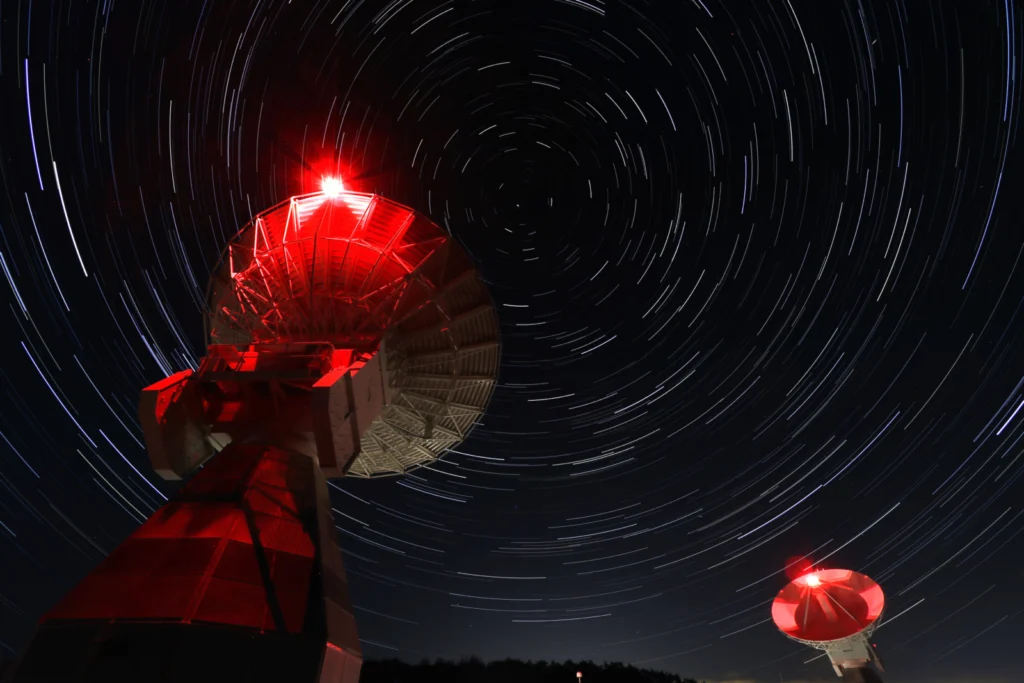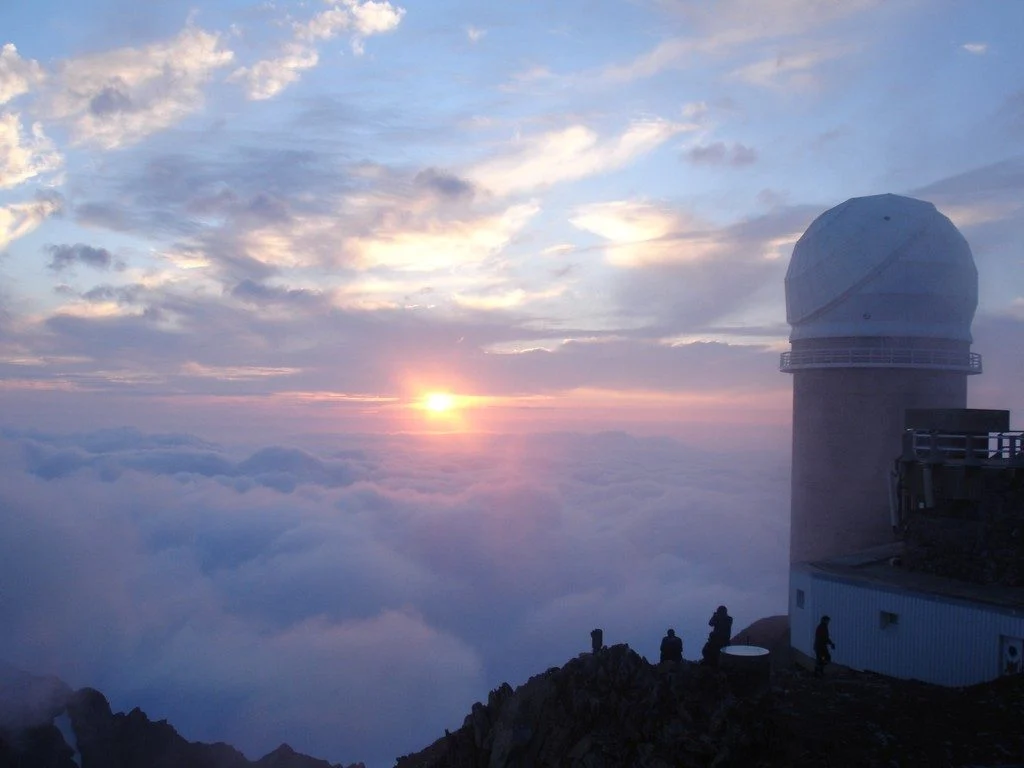
“The Onsala Twin Telescopes are part of the global geodetic Very Long Baseline Interferometry (VLBI) network. Radio telescopes all around the globe are observing extra-galactic radio sources simultaneously to determine Earth orientation parameters, source positions and station coordinates, as well as velocities. Geodetic Very Long Baseline Interferometry is used to maintain the International ...[Read More]
observatory
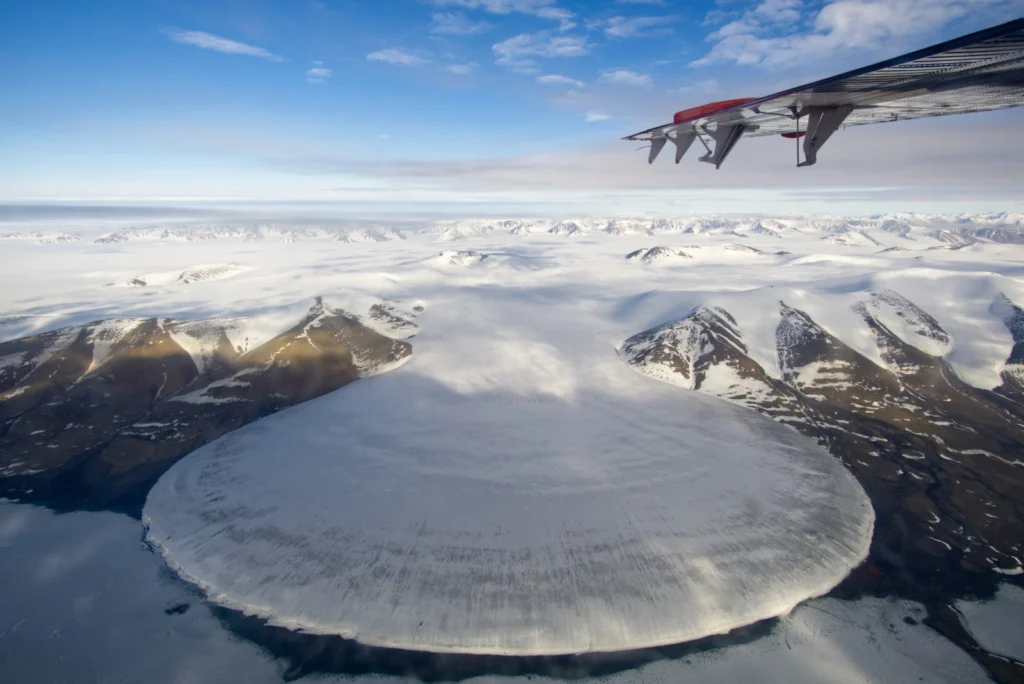
Imaggeo On Monday: Elephant Foot Glacier in Greenland from a Twin Otter perspective
“I was told that there will be a piedmont glacier on the way from Station Nord, a Danish military base in northeast Greenland, to our destination in no-man’s-land next to the 79°N Glacier. On half the way, we passed the beautiful Elephant Foot Glacier, named after its symmetric shape originating from the viscous flow of the ice. The glacier is located on a peninsula and connected to a small ...[Read More]
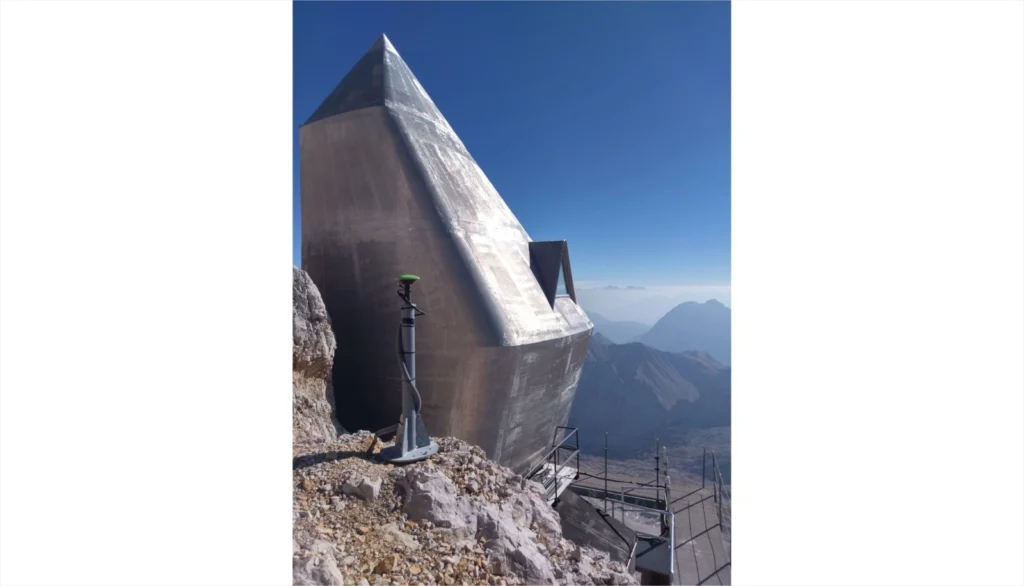
Imaggeo On Monday: Geodesy on Zugspitze
The Zugspitze Geodynamic Observatory Germany (ZUGOG) has been setup on the summit of mountain Zugspitze at an altitude of almost 3000 m during 2018 with the main scientific objective being a better understanding of seasonal and long-term mass redistributions in the European Alps. This knowledge is very important (e.g. with regard to water storage and its high sensitivity to climate change), but is ...[Read More]
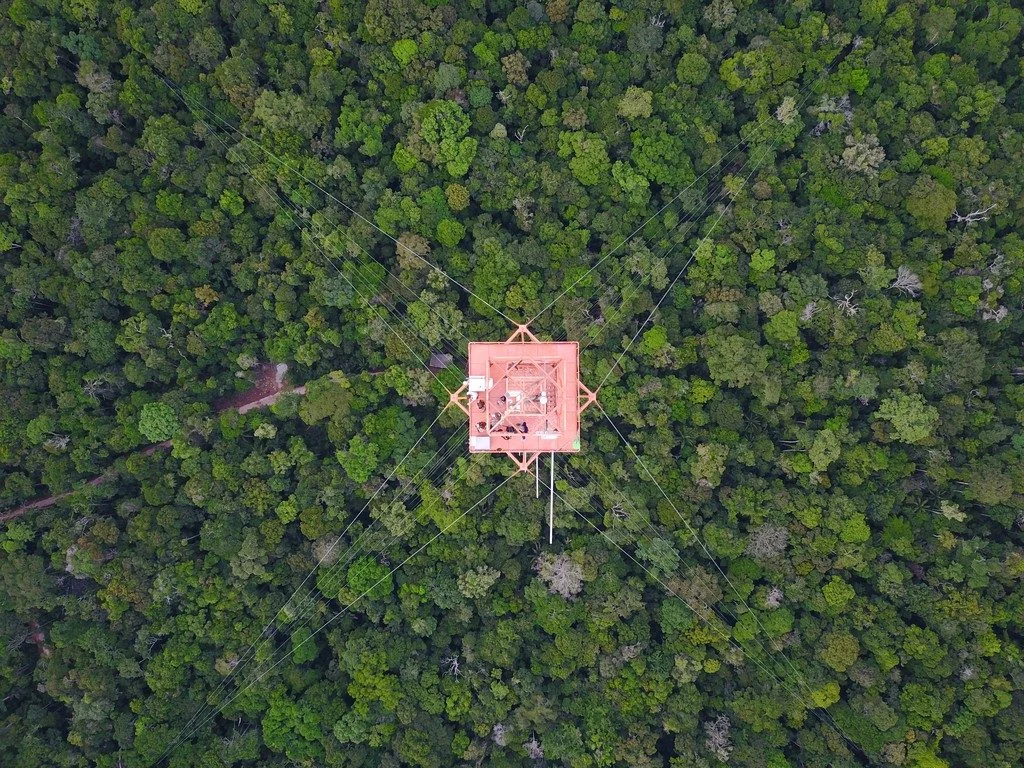
Imaggeo on Mondays: Science above the Amazon rainforest
The color and symmetry of the Amazon Tall Tower Observatory (ATTO) sticks out against the endless green of the rainforest. Built in a remote and pristine location, the ATTO tower is the tallest construction in South America. In a joint Brazilian-German project, atmospheric scientists aim to unravel the interaction of pristine rainforest with the atmosphere. With its height of 325 meters, the ATTO ...[Read More]
Imaggeo on Mondays: A pink and blue evening
At sunset, the light travels a longer path in the atmosphere to reach our eyes than when the sun is high in the sky. At this time of the day, the light is more subject to scattering, as it interacts with more air (molecules and particles) before reaching our eyes, which explains why the sun is much less luminous and can be observed directly without being dazzled. The sun appears redder because amo ...[Read More]