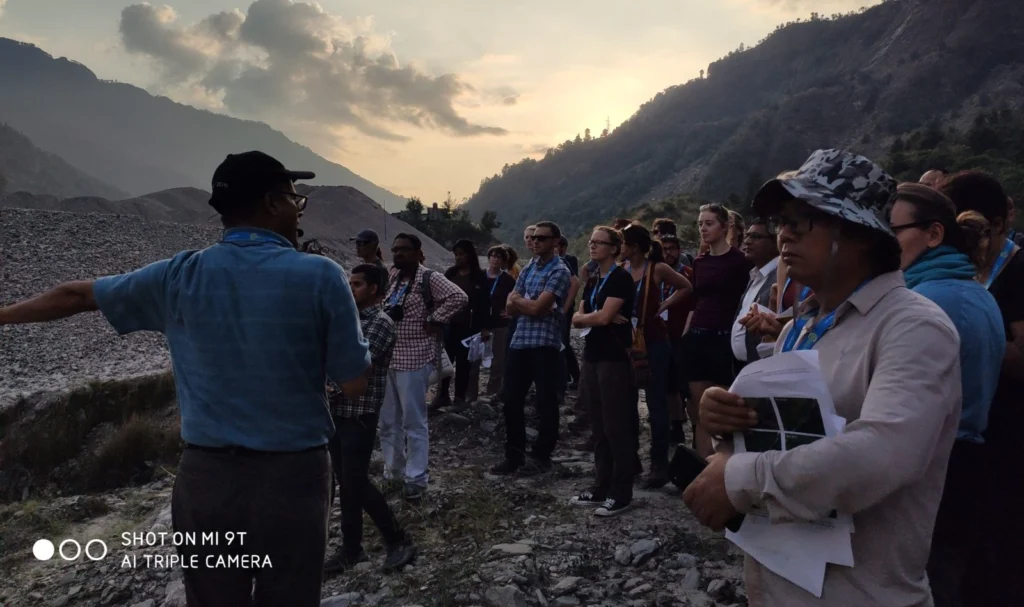
Throughout the year, EGU hosts a number of meetings, workshops, and conferences for the geoscience community. While the EGU’s annual General Assembly brings more than 15,000 scientists together under one roof, the EGU Galileo Conferences allows a smaller number of scientists to discuss and debate issues at the forefront of their discipline. In this blog post, the organisers of the 6th Galileo Conf ...[Read More]
Nepal
Geosciences Column: Extreme snowfall potentially worsened Nepal’s 2015 earthquake-triggered avalanche
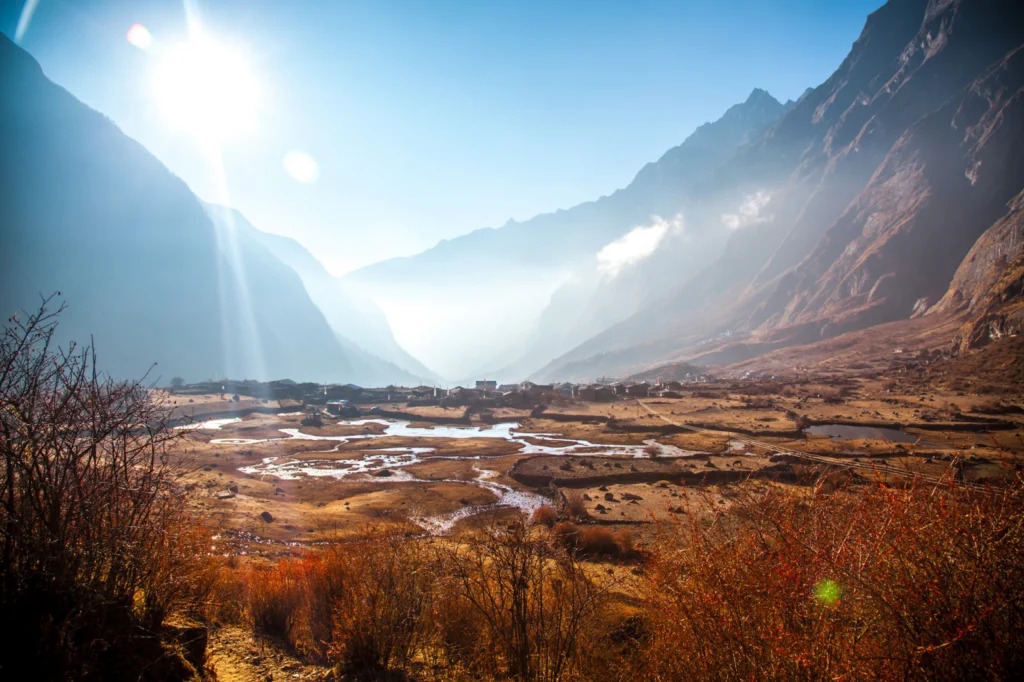
Three years ago, an earthquake-induced avalanche and rockfalls buried an entire Nepalese village in ice, stone, and snow. Researchers now think the region’s heavy snowfall from the preceding winter may have intensified the avalanche’s disastrous effect. The Langtang village, just 70 kilometres from Nepal’s capital Kathmandu, is nestled within a valley under the shadow of the Himalayas. The town wa ...[Read More]
When mountains collapse…
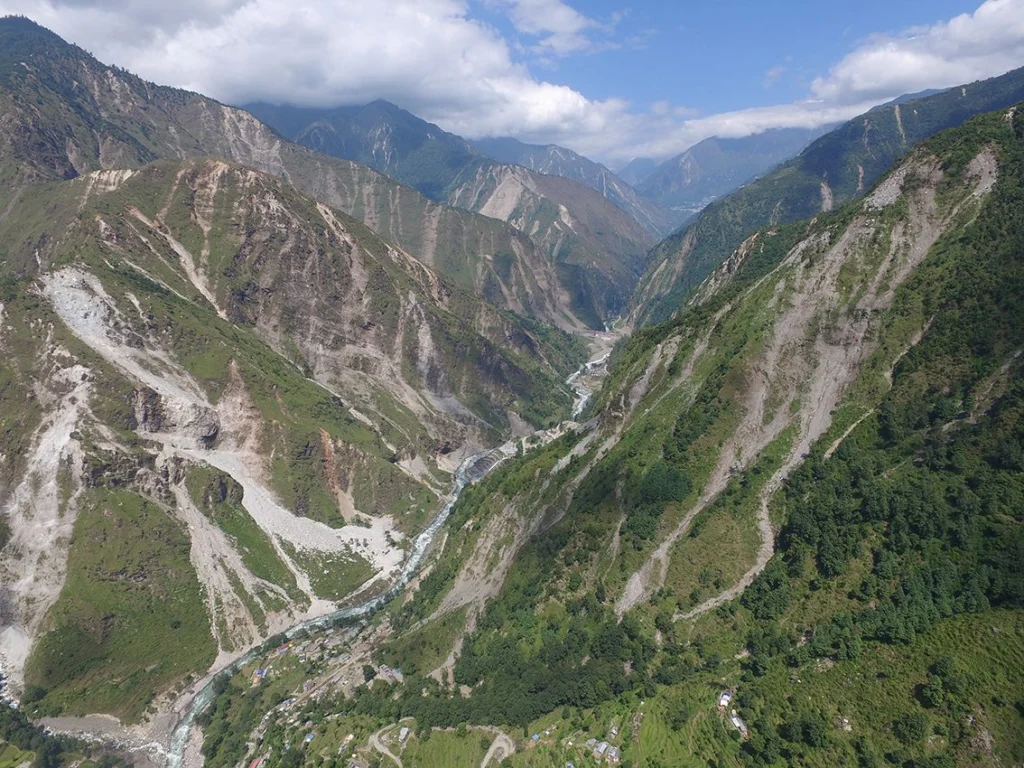
Jane Qiu, a grantee of the Pulitzer Center on Crisis Reporting, took to quake-stricken Nepal last month — venturing into landslide-riddled terrains and shadowing scientists studying what makes slopes more susceptible to failure after an earthquake. The journey proved to be more perilous than she had expected. What would it be like to lose all your family overnight? And how would you cope? It’s wit ...[Read More]
Imaggeo on Mondays: Annapurna snow avalanche
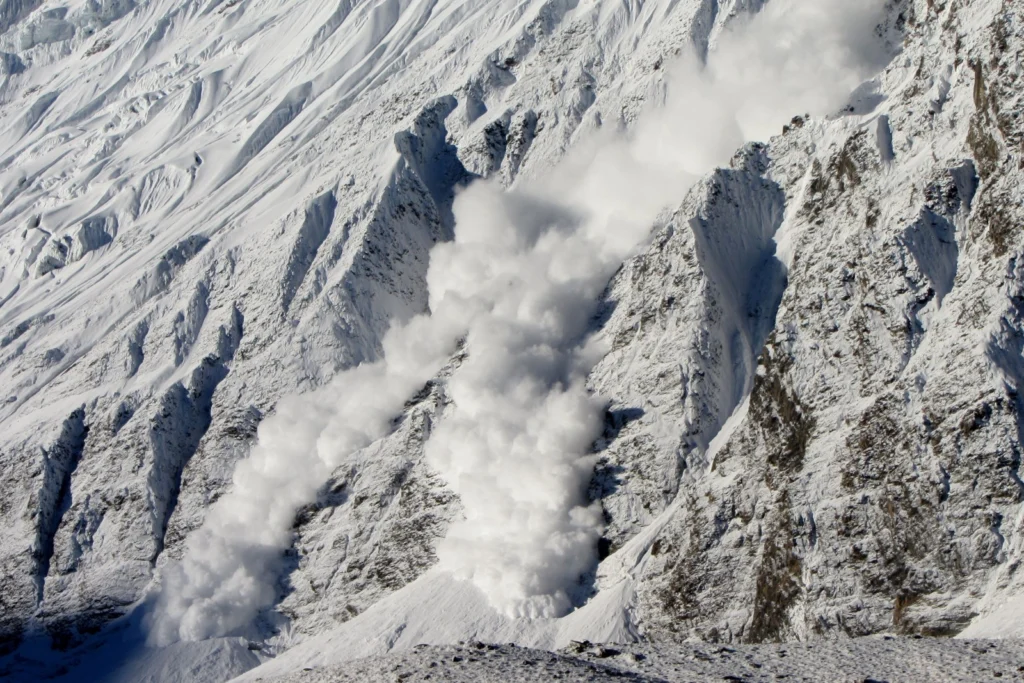
The Annapurna massif is located in an imposing 55 km long collection of peaks in the Himalayas, which behave as a single structural block. Composed of one peak (Annapurna I Main) in excess of 8000 m, a further thirteen peaks over 7000 m and sixteen more of over 6000 m, the massif forms a striking structure within the Himalayas. Annapurna I Main, the tenth highest peak in the world, is towering at ...[Read More]
The day the Earth trembled: A first-hand account of the 25 April Nepal earthquake
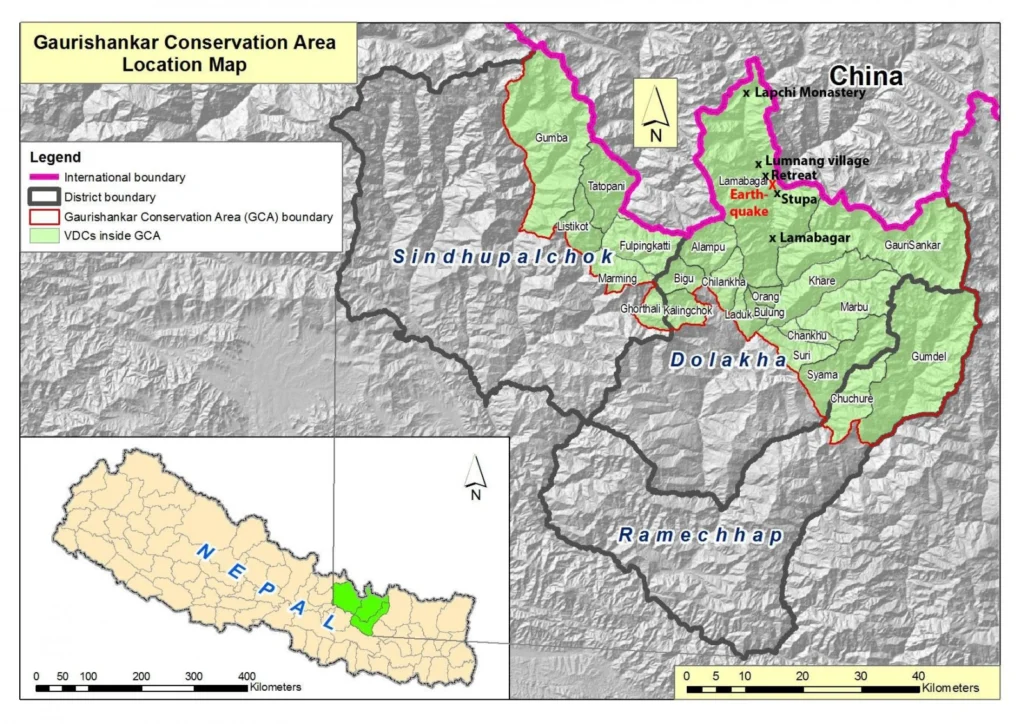
On the 25th April 2015, Viktor Bruckman, a researcher at the Austrian Academy of Sciences, and a team of his colleagues were a few hours into a hike between the settlements of Lamabagar, in a remote area of northeastern Nepal, and the Lapchi Monastery when a magnitude 7.8 earthquake struck Nepal. Their journey cut short by the trembling Earth, stranded in the heights of the Himalayas, this is thei ...[Read More]
People power
Seismic monitoring is critical in earthquake-prone areas such as Nepal, but limited resources mean limited monitoring. EGU Science Journalism Fellowship awardee Kate Ravilious reports back on how scientists are using social media to fill the gap. Data gathering needn’t always involve expensive instruments or exotic fieldtrips. Here in resource strapped Nepal, seismologists are tapping into the po ...[Read More]
Sniffing out signs of an earthquake
Last year Kate Ravilious was awarded an EGU Science Journalism Fellowship to follow scientists studying continental faults. Now she’s out in Nepal alongside researchers who are working out when the county’s next big quake will be… Sometimes the best rocks are found in the worst locations. Yesterday I was reminded of this as I watched Paul Tapponnier, from the Earth Observatory of Singapore, ...[Read More]