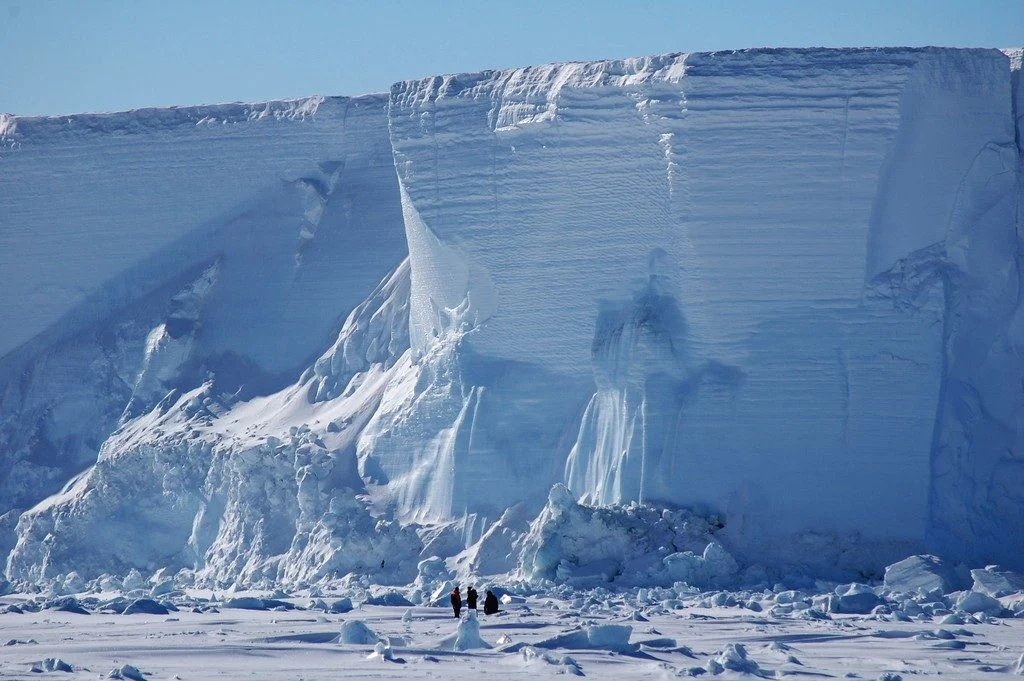
This was taken during a study, undertaken by me and my colleagues, on the sea ice of McMurdo Sound, Antarctica. We designed the project to document how supercooled water carrying suspended ice crystals flows along its pathway towards the open ocean. Ultimately, this work aims to assess the Ross Ice Shelf’s contribution of local melt …[Read More]
Imaggeo
Imaggeo on Mondays: The calm before the storm
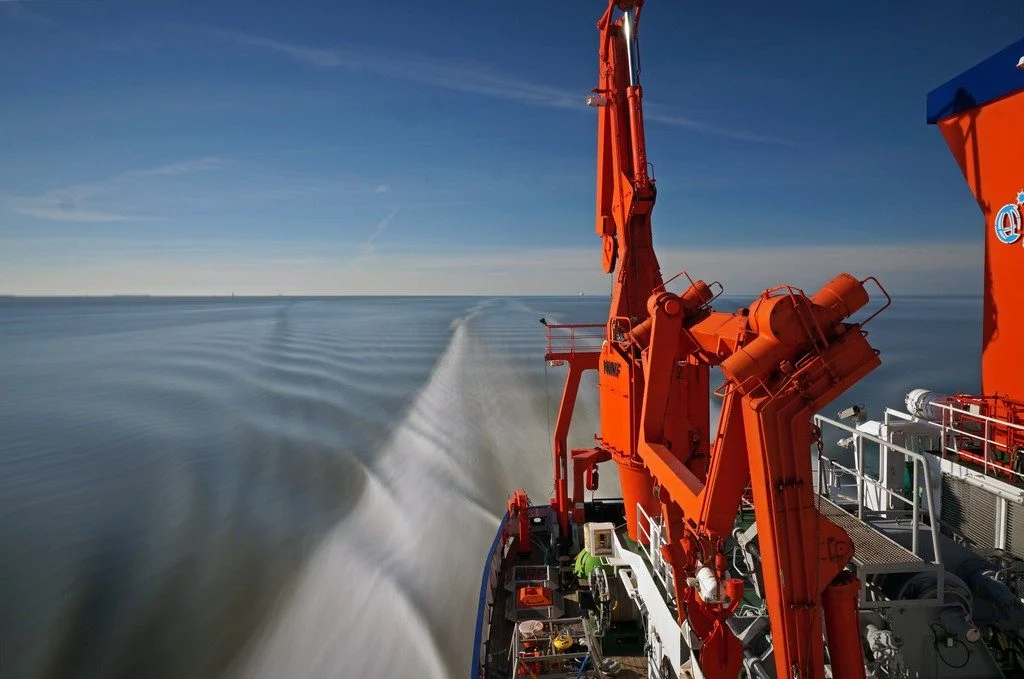
The picture was taken during the 2015 research cruise HE441 in the southern German Bight, North Sea. It features the research vessel Heincke, on a remarkably calm and warm spring day, forming a seemingly steady wake. The roughly 55 metre long FS Heincke, owned by the German federal government and operated by the Alfred Wegener …[Read More]
EGU Photo Competition 2019: Now open for submissions!
If you are pre-registered for the 2019 General Assembly (Vienna, 7 – 12 April), you can take part in our annual photo competition! Winners receive a free registration to next year’s General Assembly! The tenth annual EGU photo competition opened on 15 January. Up until 15 February, every participant pre-registered for the General Assembly can submit up to …[Read More]
Imaggeo on Mondays: Crowned elephant seals do citizen science
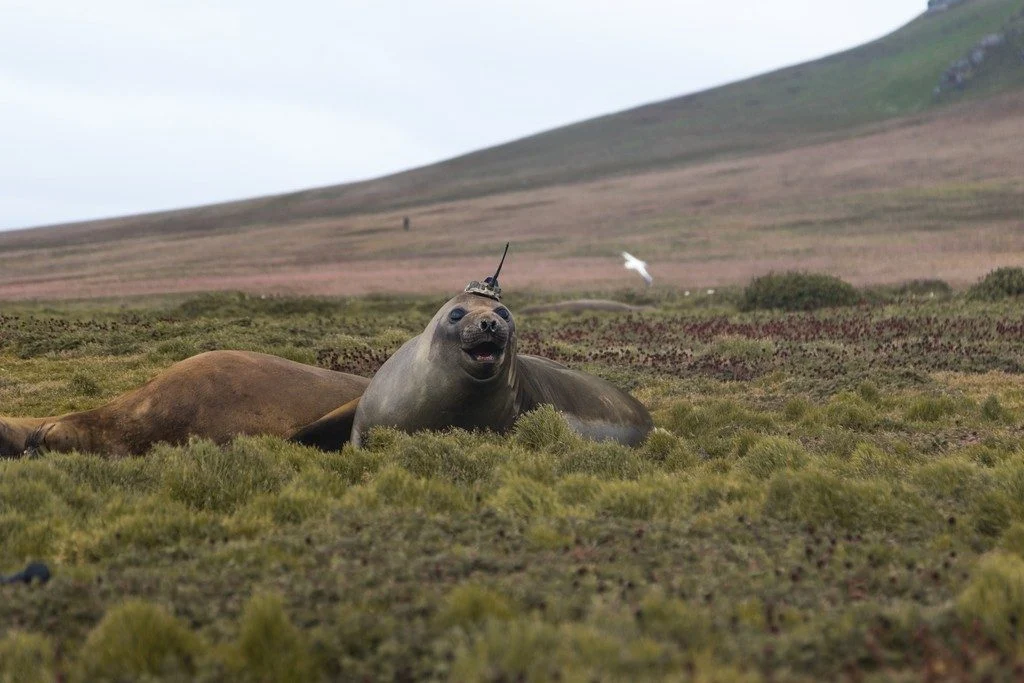
In the Southern Ocean and North Pacific lives a peculiar type of elephant seal. This group acts like any other marine mammal; they dive deep into the ocean, chow down on fish, and sunbathe on the beach. However, they do all this with scientific instruments attached to their heads. While the seals carry out their …[Read More]
Imaggeo on Mondays: The best of imaggeo in 2018
Imaggeo, our open access image repository, is packed with beautiful images showcasing the best of the Earth, space and planetary sciences. Throughout the year we use the photographs submitted to the repository to illustrate our social media and blog posts. For the past few years we’ve celebrated the end of the year by rounding-up some …[Read More]
Imaggeo on Mondays: Happy holidays!
The EGU wishes all our readers happy holidays and very warm wishes for the new year. And for a chance to be featured on GeoLog throughout the new year, don’t forget to submit your field and lab based photographs and other visuals to Imaggeo: our open access image repository. All geoscientists (and others) can submit their photos …[Read More]
Imaggeo on Mondays: Watching the world from space with EarthKAM
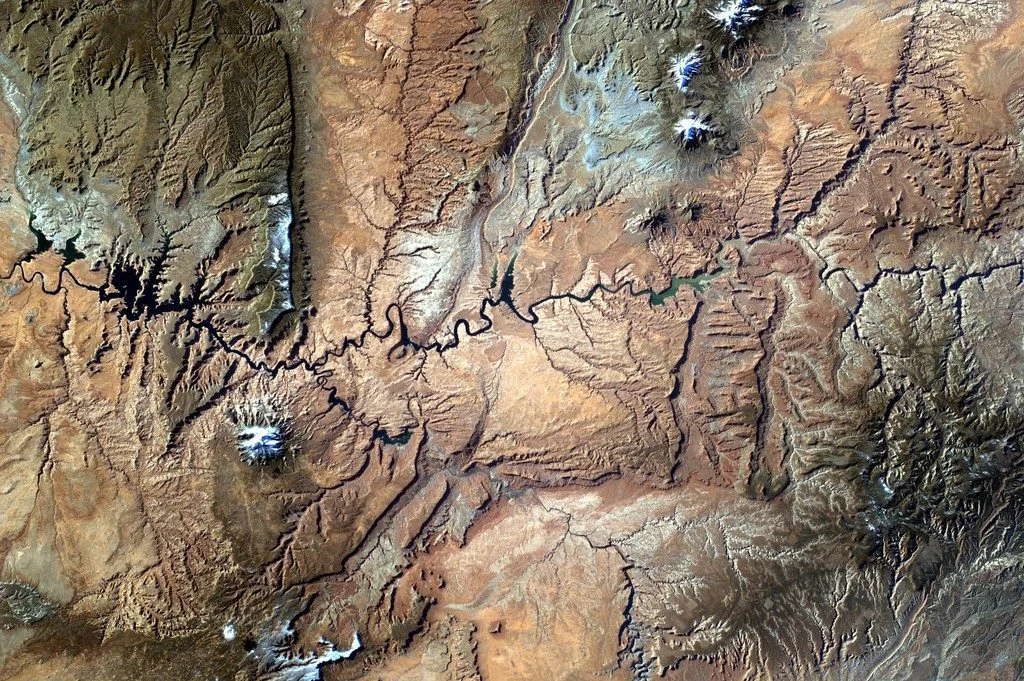
This photo was taken from the International Space Station (ISS), approx. 400 km above the Earth, in the NASA-led educational project Sally Ride EarthKAM (www.earthkam.org), Mission 58, April 2017. The image was requested by a team of 10th and 11th grade students from the National College of Computer Science, Piatra-Neamț, Romania, coordinated by me. The …[Read More]
Imaggeo on Mondays: On the way to Tristan’s penguins
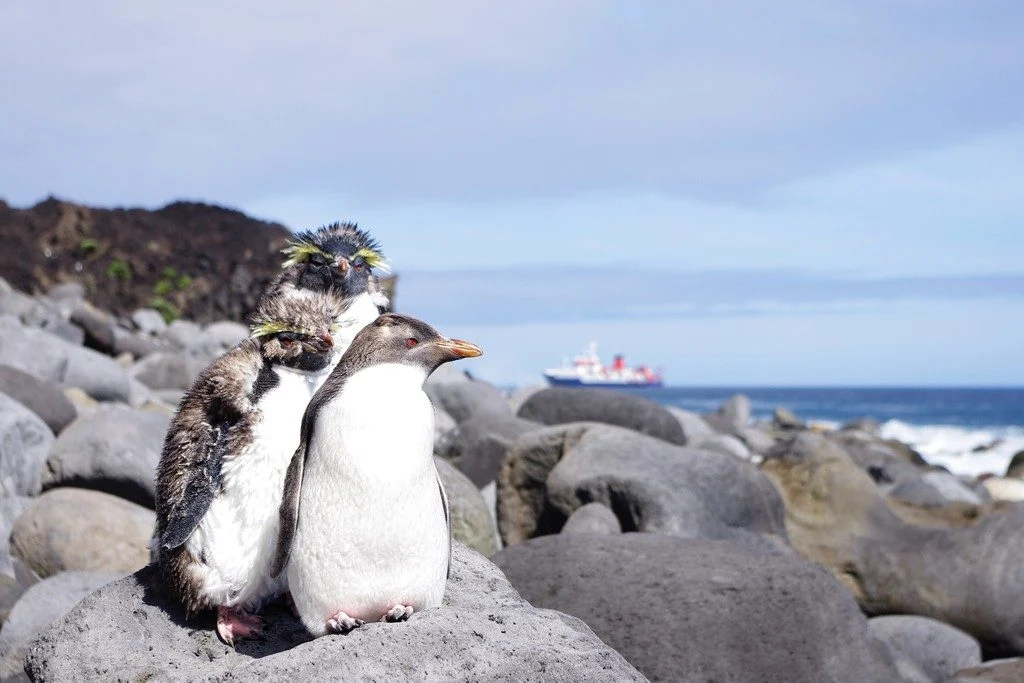
Tristan da Cunha is a remote volcanic island in the south Atlantic Ocean. In fact, it is the most remote inhabited archipelago in the world. Tristan is still volcanically active; the last time it erupted was in 1961. After the eruption, which luckily did not have any casualties, the whole population of around 260 people …[Read More]
Imaggeo on Mondays: Hole in a hole in a hole…
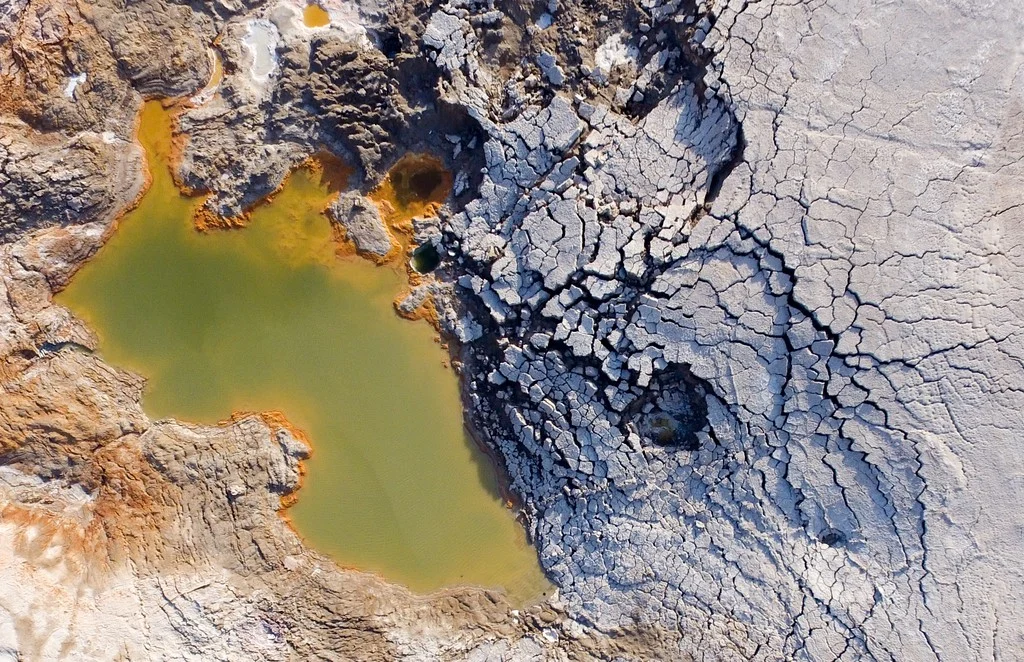
This photo, captured by drone about 80 metres above the ground, shows a nested sinkhole system in the Dead Sea. Such systems typically take form in karst areas, landscapes where soluble rock, such as limestone, dolomite or gypsum, are sculpted and perforated by dissolution and erosion. Over time, these deteriorating processes can cause the surface …[Read More]
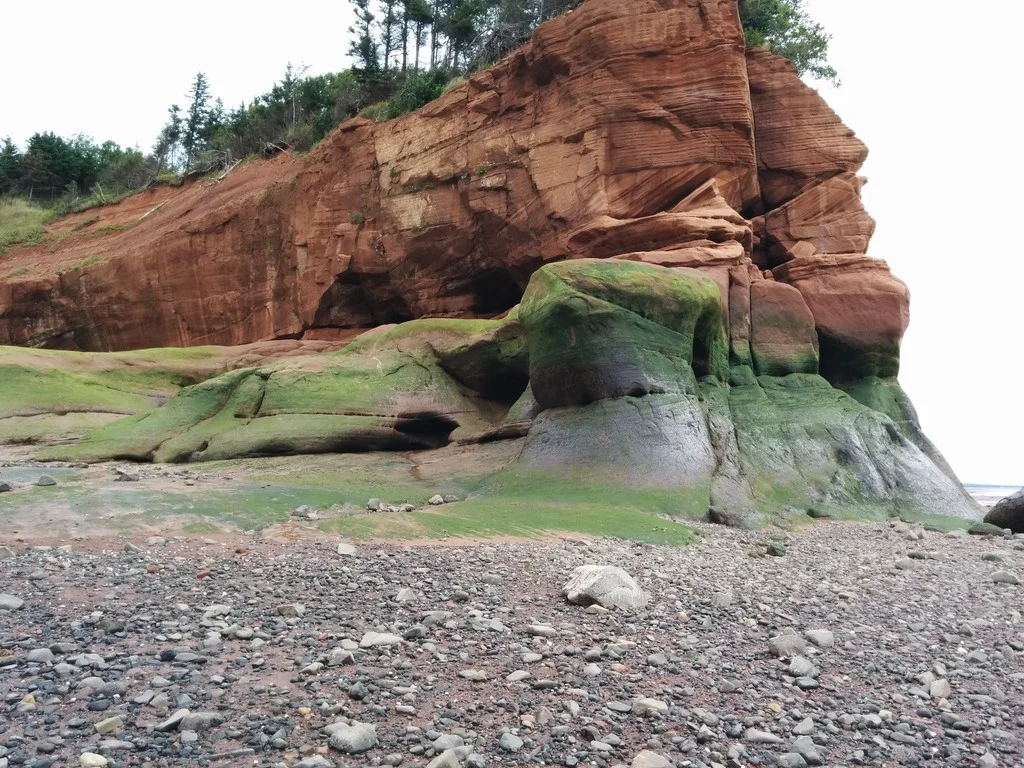
Imaggeo on Mondays: A modern cliff hides ancient dunes
Ancient sand dunes exposed off a cliff face on the shoreline of Nova Scotia at the Islands Provincial Park. The juxtaposition of the high angled strata and flat lying layers above revels the drastic change in climate in Nova Scotia’s history; from vast sand dunes to a calm lake system, and presently the western coastline …[Read More]