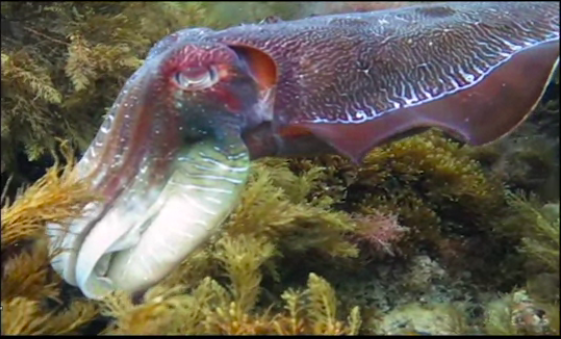
In the shadow of the Santos oil and gas processing plant and export terminal lies the only place in the world where cuttlefish come together by the tens of thousands to mate every winter. The unique geology of the area, with a seafloor composed of bedrock and tabular quartzite blocks, makes for an ideal egg-laying …[Read More]
Imaggeo
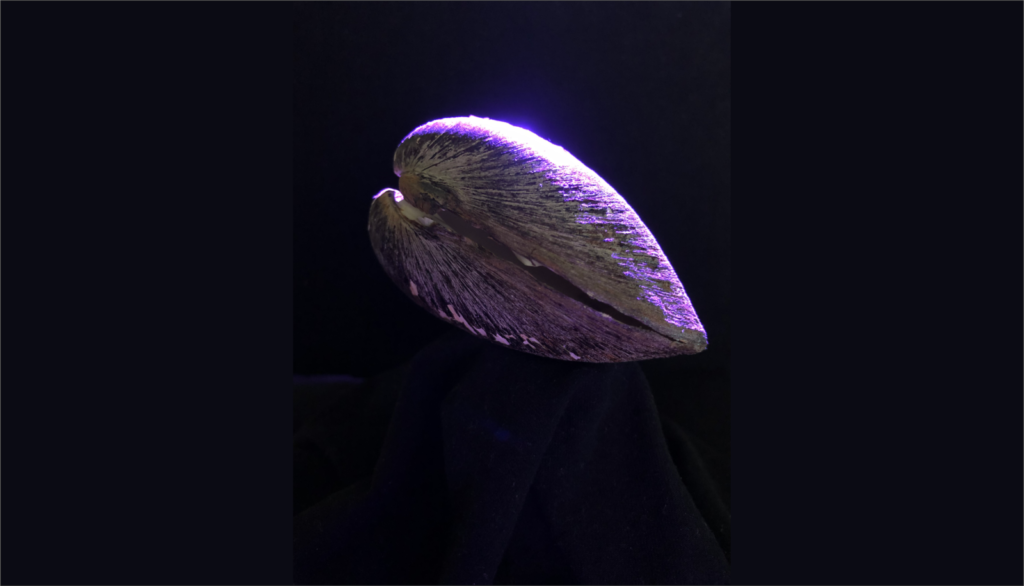
Imaggeo On Monday: Studying shell morphodynamics to improve climate models
Profile of a specimen of Arctica islandica, one of the longest lived marine bivalves known, undergoing a 3D scan. Their longevity is exploited for reconstruction of climate patterns in the North Atlantic. However, mathematical models of their morphodynamics are necessary to account for bias induced by their asymmetric growth (“morphodynamics” is the study of how …[Read More]
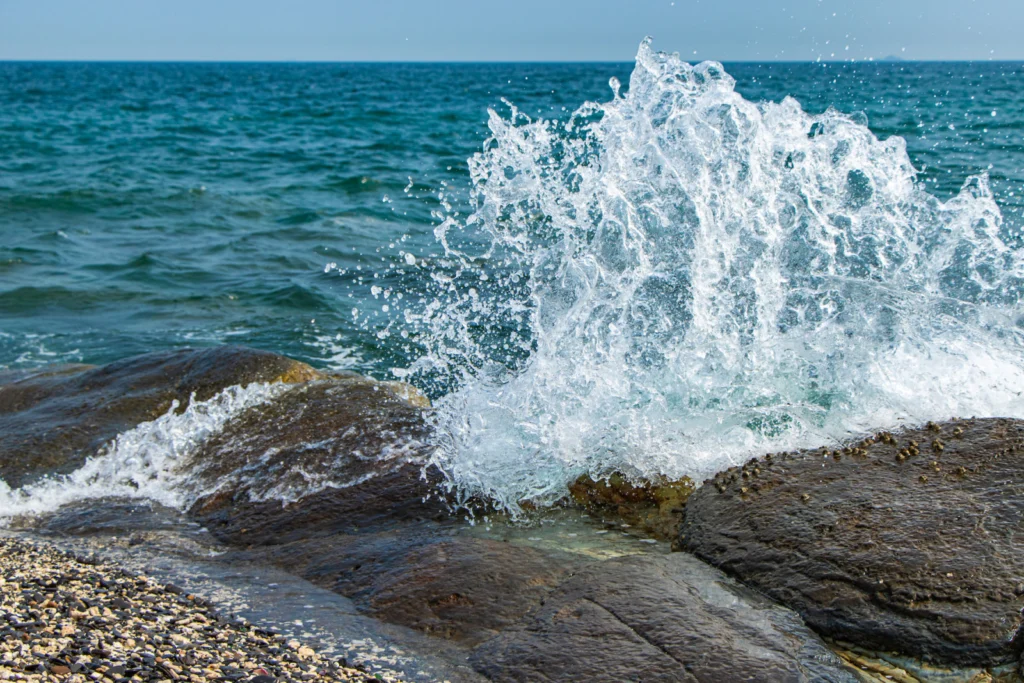
Imaggeo On Monday: Catch the wave hitting on the rocks
A wave is caught on camera when it hits the rocks on Tung Ping Chau, an offshore island in the northeastern corner of Hong Kong. Tung Ping Chau is unique island in Hong Kong that is mainly made up of sedimentary rock. Weathering and erosion have great impacts on forming the current landscape and geologic …[Read More]
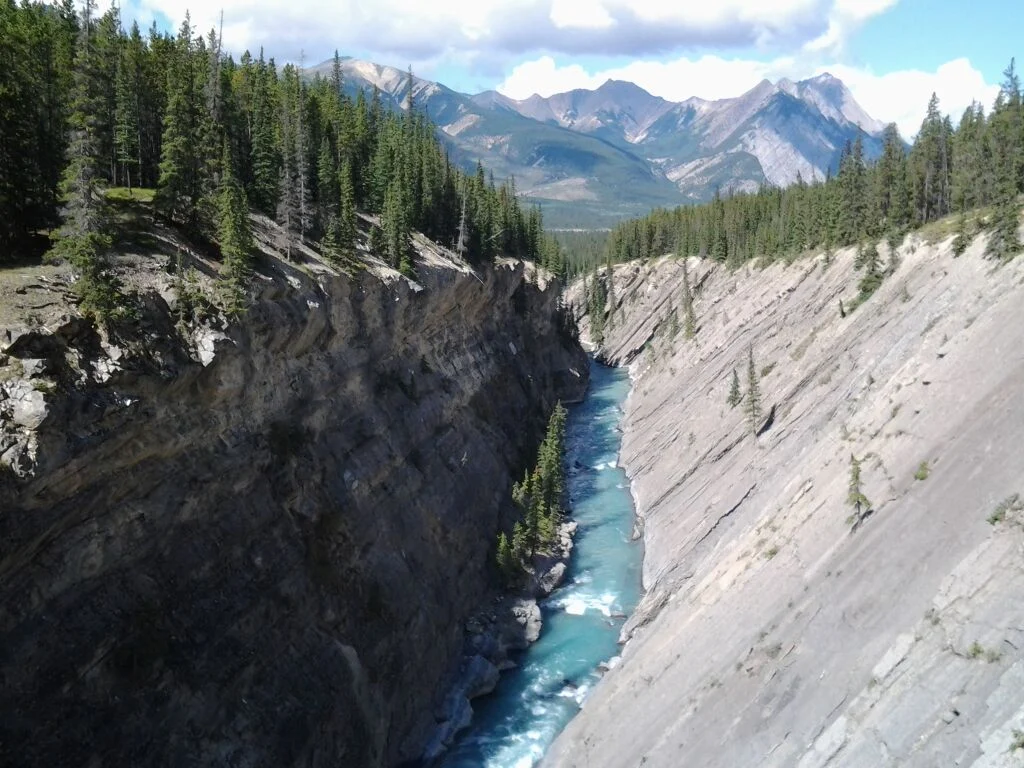
Imaggeo On Monday: Water Force
A force is a push or pull upon an object resulting from the object’s interaction with another object. This image shows the most magnificent force in nature; water, interacting with an inclined rock formation, with a backdrop of the magnificent landscapes of Canada. Description by Daniela Lobianco, after the description on imaggeo.egu.eu. Imaggeo is …[Read More]
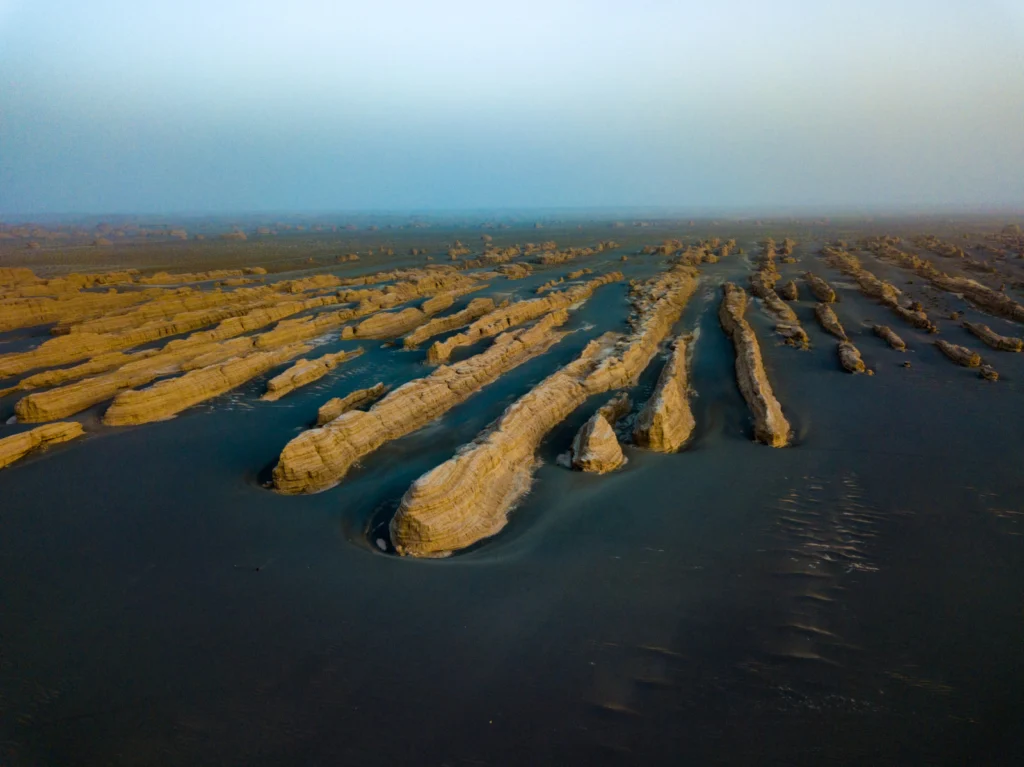
Imaggeo On Monday: Yardangs in the Gobi desert
Seeing the Yardang rock formations during sunset was a surreal experience. While they seem to have be standing in a sea of water that formed them, the fluid dynamics that actually lead to their existence is the result of wind abrasion by dust and sand and the removal of loose material by wind turbulence. The …[Read More]
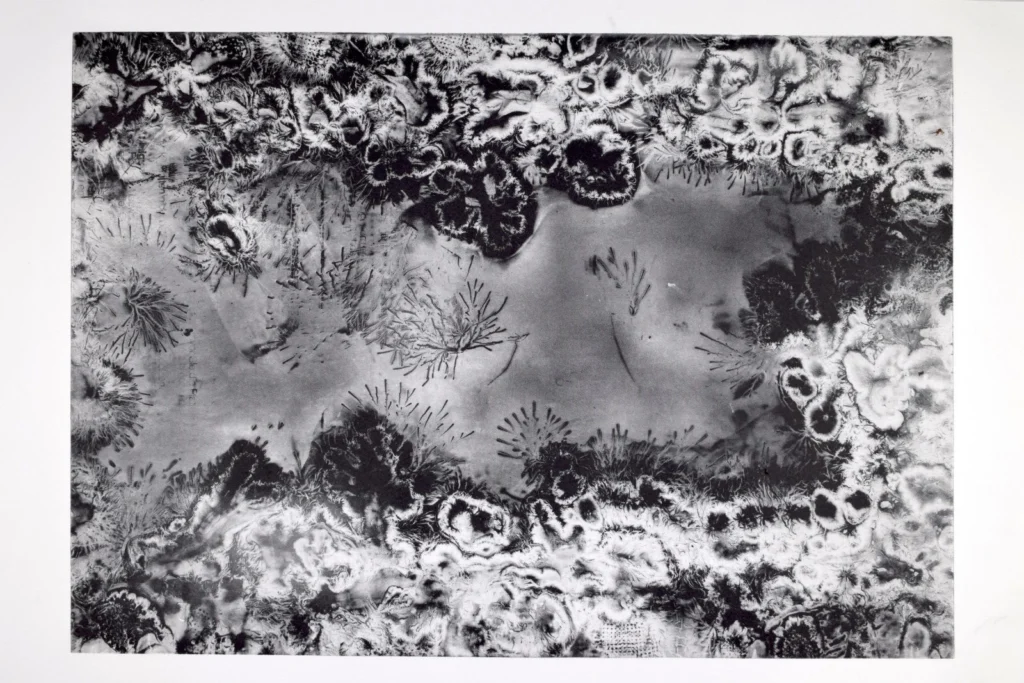
Imaggeo On Monday: Lichtenberg Figure Visualisation
A visualisation of an electrical charge moving through plastic. Machines are used to discharge electricity onto surfaces then metallic powders are used to visualise the static. The image is then exposed onto a photopolymer plate and etched with ink. Is is called the photogravure process. Description by Nicolas Strappini, after the description on imaggeo.egu.eu. …[Read More]
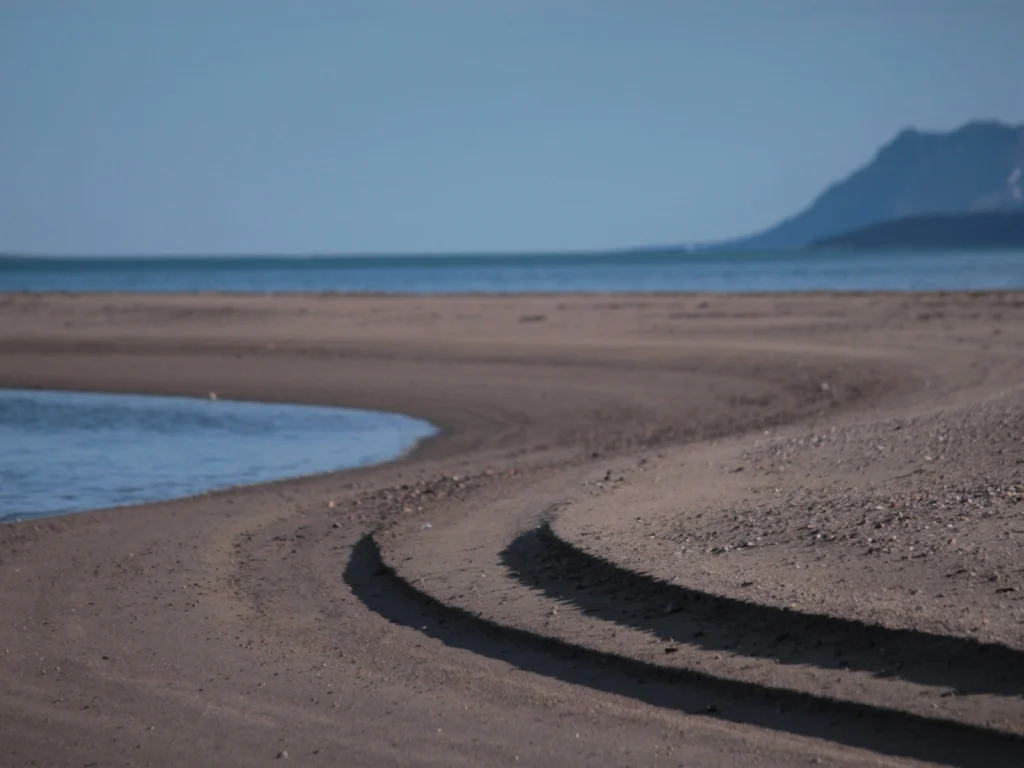
Imaggeo On Monday: Tides at Young Sound
The work of the autumn tides at Young Sound, Northeast Greenland, created a fine sand artwork just before the freezing in of the fjord with the approaching winter. Due to the changing sediment of the nearby Zackenberg river, the local coastal erosion is an object of great recent investigations. Description by Maria Scheel, after …[Read More]
Announcing the winners of the EGU21 Photo Competition!
For this year’s Photo Contest, EGU received scores of amazing images capturing a broad spectrum of the geosciences. After the selection committee whittled the field down to 10 finalists, members have been voting for their favourites throughout the two weeks of vEGU21. We’ve had thousands of votes, but now we are very excited to announce …[Read More]
vEGU21 Photo Competition finalists – who will you vote for?
This year’s Photo Competition judging panel did a fantastic job of narrowing down the outstanding photo submissions to the EGU’s Photo Competition to just 10 finalists! The finalist photos are listed below by alphabetical order of the photographer and on the Imaggeo website where you can vote for them from Monday 19 April until Thursday, …[Read More]
What’s on at vEGU21: #ActualLivingScientist
This year for vEGU21, the Union’s working group on Equality, Diversity and Inclusion (EDI) was very interested in how to increase the visibility of our wonderful and diverse community of researchers – now that we won’t be walking the halls of the Austria Centre Vienna together. Using an online initiative started in 2017 with a …[Read More]