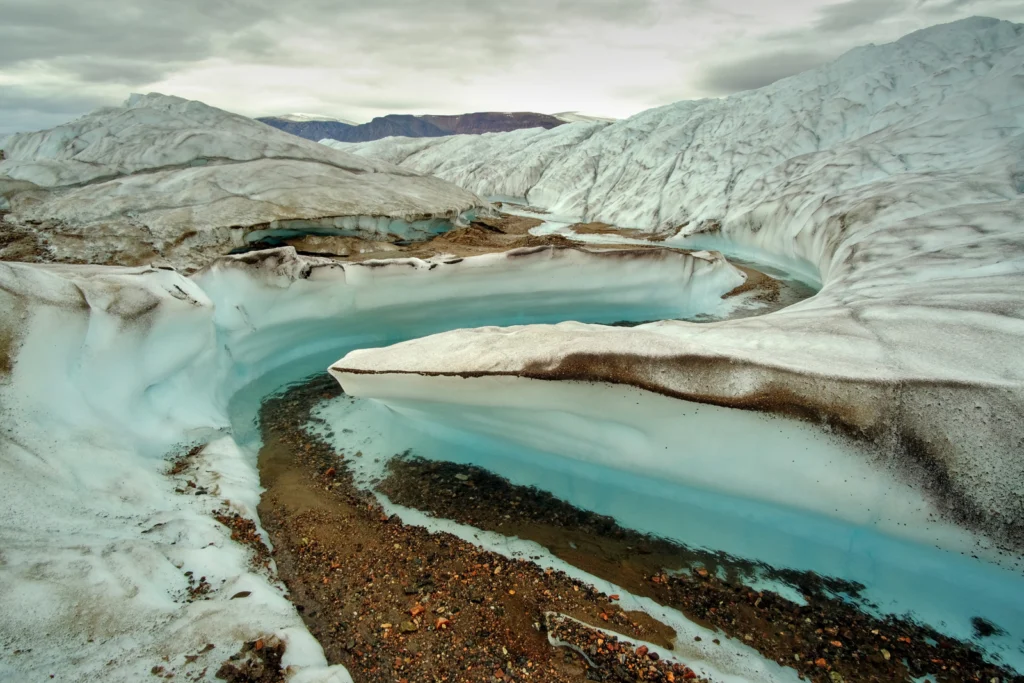
At the edge of the Greenland Ice Sheet, surface melt releases old layers of dust, that have travelled thousands of years into the ice. Under sunny weather, the dust heats up with radiation, melts the ice underneath, and thus accumulates in tiny potholes and meltwater creeks. However, this photo was taken after a rainy day. …[Read More]
ice
Imaggeo On Monday: Contorted Streams on the Gates Glacier
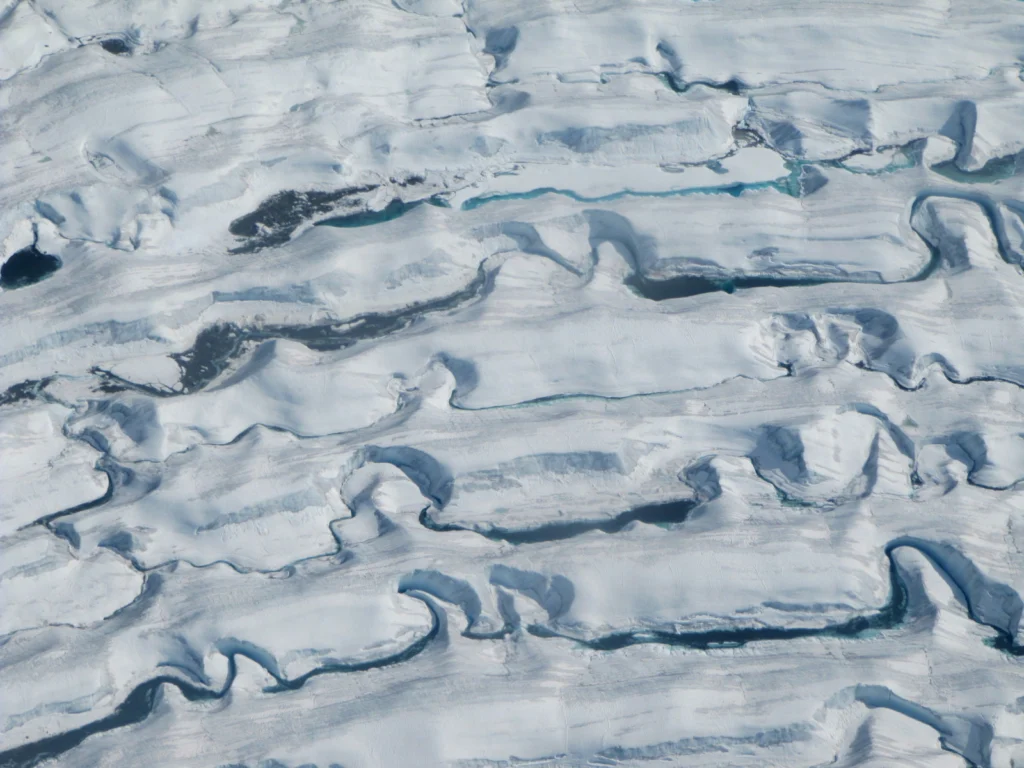
Annual ridges and troughs (called wave ogives) are formed as the ice of the Gates Glacier (in Alaska’s Wrangell Mountains) flows through a steep icefall. Down-glacier, as the ice melts, the rushing meltwater is funnelled into streams, carving ice canyons as it flows, but ultimately directed by these topographic constraints. Description by Allen Pope, …[Read More]
Imaggeo On Monday: Nature of ice crystals
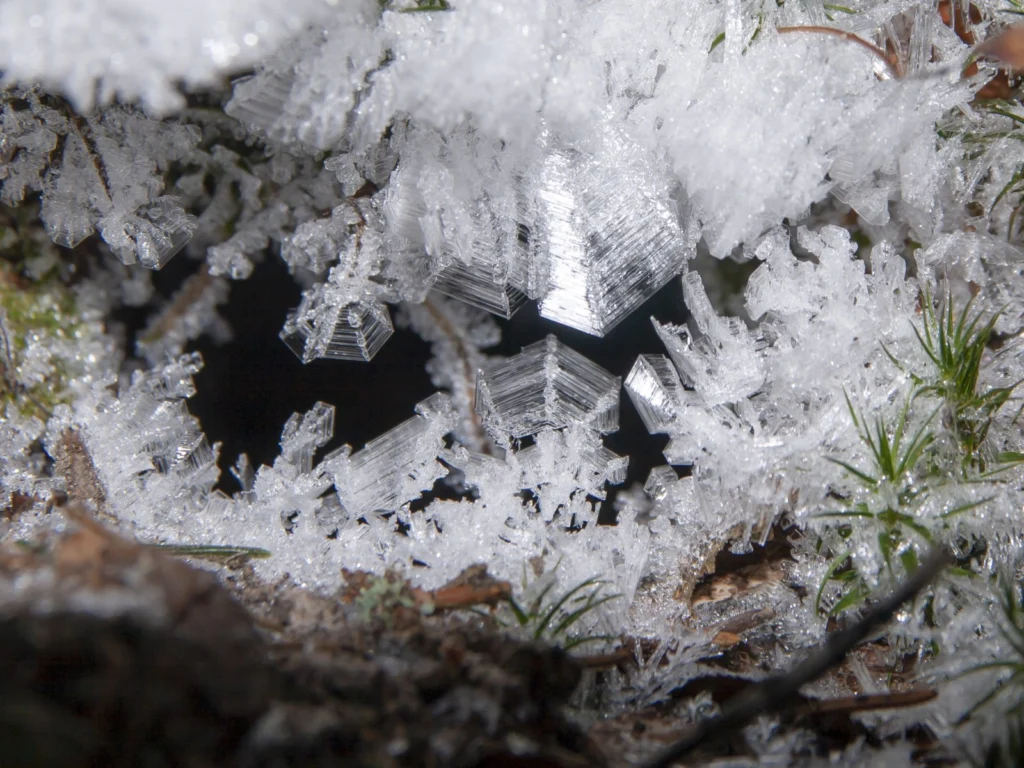
Moisture coming from the ground is freezing at the entrances of small ground pockets, shaping wonderful natural ice crystals, during a very cold and dry winter in Poland in 2019. Description by Katarzyna Walczak, after the description on imaggeo.egu.eu. Imaggeo is the EGU’s online open access geosciences image repository. All geoscientists (and others) can submit their photographs …[Read More]
Imaggeo On Monday: Ice-coated roots at sunset
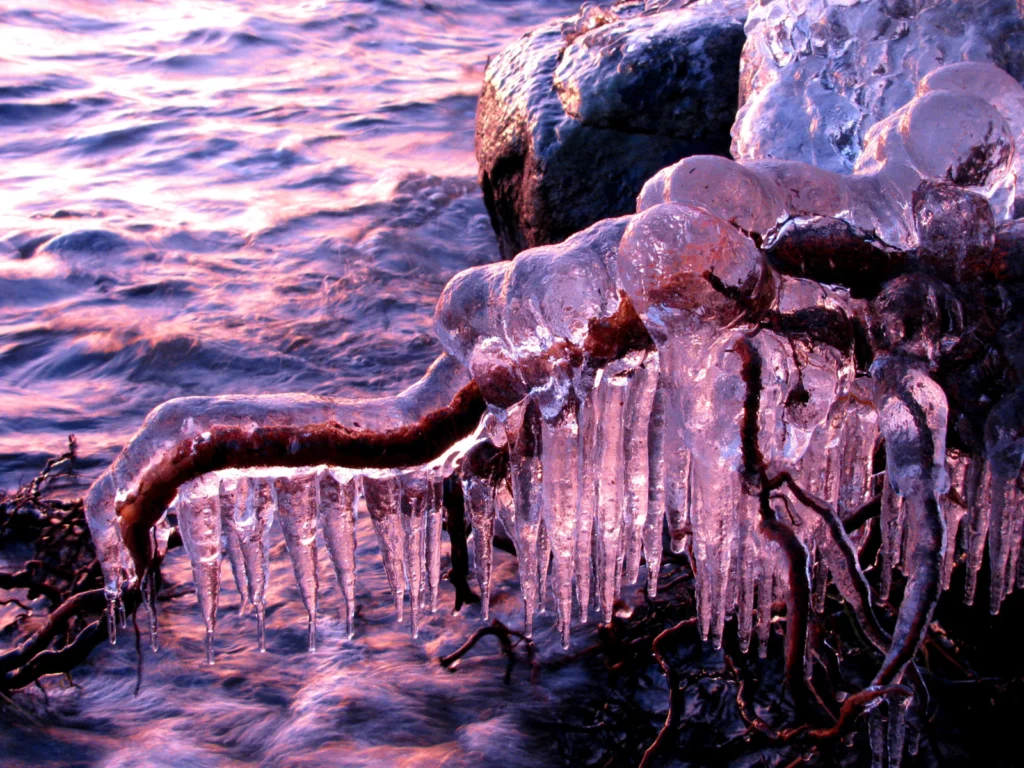
The coating by the ice and the icicles are created through the interplay of wave action and the simultaneous freezing of the water around the exposed tree roots. The reason for the exposed tree roots is increased bank erosion due to a rather unusual circumstance. The combination of the lake not yet being frozen in …[Read More]
Imaggeo on Mondays: Wandering the frozen Svalbard shore
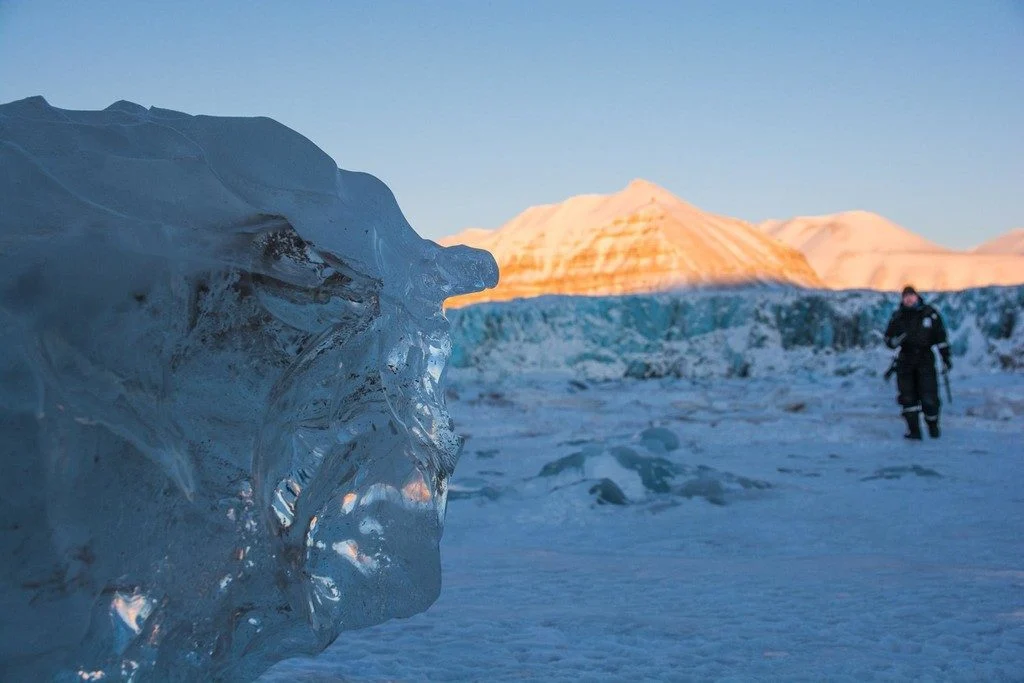
These ethereal, twisted ice sculptures litter the frozen shoreline of Tempelfjorden, Svalbard, giving the landscape an otherworldly feel and creating a contrast with the towering ice cliff of the glacier and the mountains behind. They are natural flotsam, the scoured remnants of icebergs calved from the Tunabreen glacier, washed up on the shoreline. These icebergs …[Read More]
Imaggeo on Mondays: Exploring ice in the deep
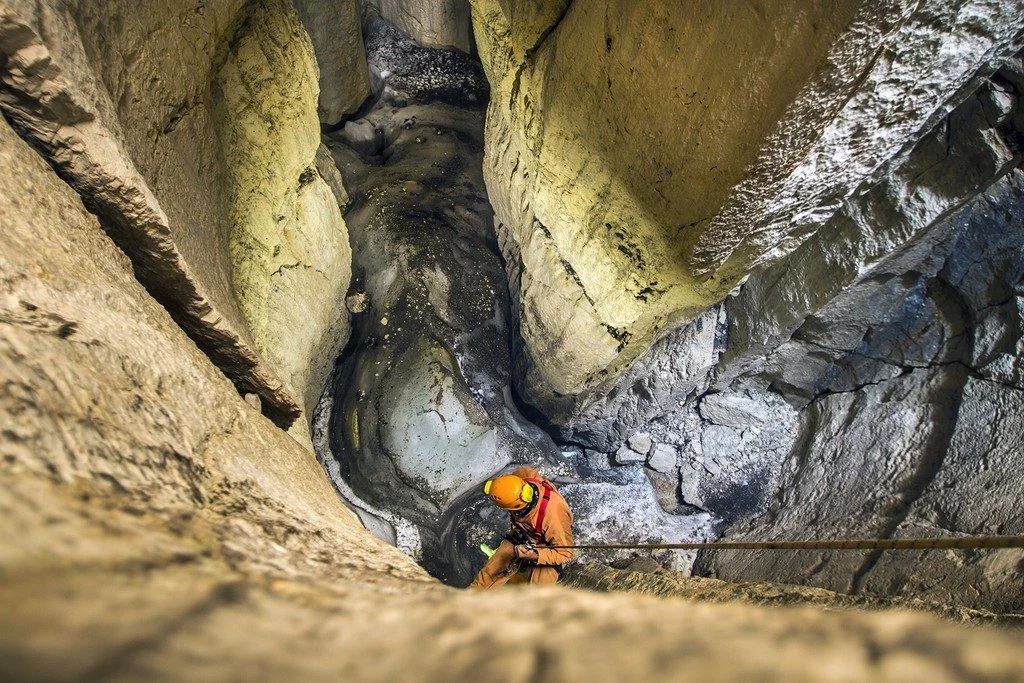
The occurrence of sporadic permafrost in the Alps often needs challenging fieldwork in order to be investigated. Here in the high altitude karstic plateau of Mt. Canin-Kanin (2587 m asl) in the Julian Alps (southeastern European Alps) several permanent ice deposits have been recently investigated highlighting how also in such more resilient environments global warming …[Read More]
Imaggeo on Mondays: Antarctic winds make honeycomb ice
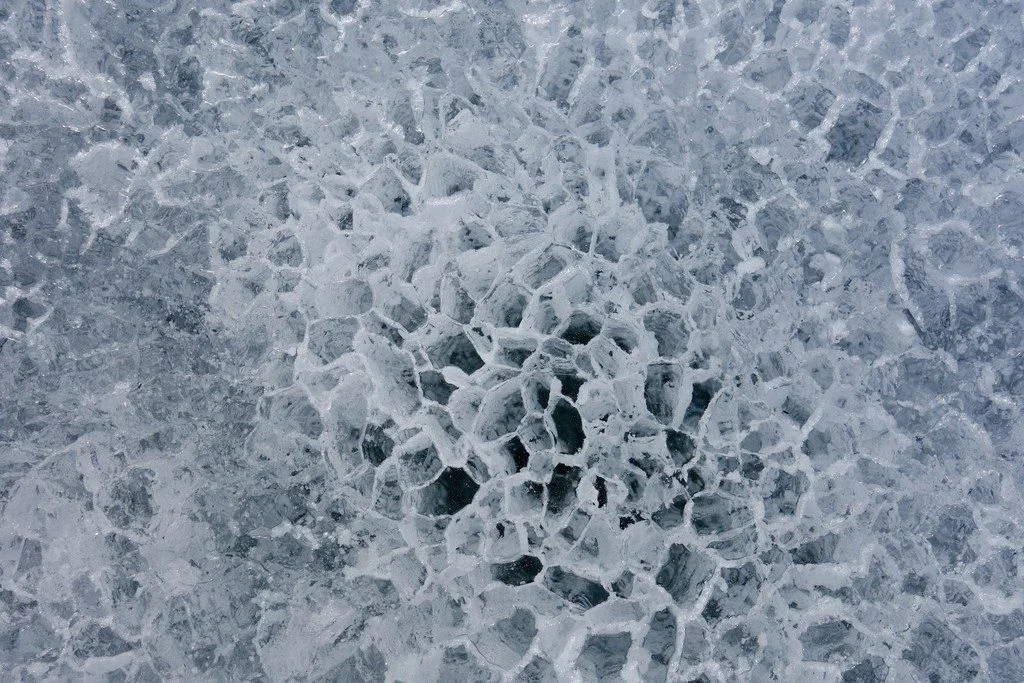
These delicate ice structures may look like frozen honeycombs from another world, but the crystalline patterns can be found 80 degrees south, in Antarctica, where they are shaped by the white continent’s windy conditions. In Western Antarctica is a 9-kilometre line of rocky ridges, called Patriot Hills. Often cold wind furiously descends from the hills …[Read More]
Geosciences Column: The best spots to hunt for ancient ice cores
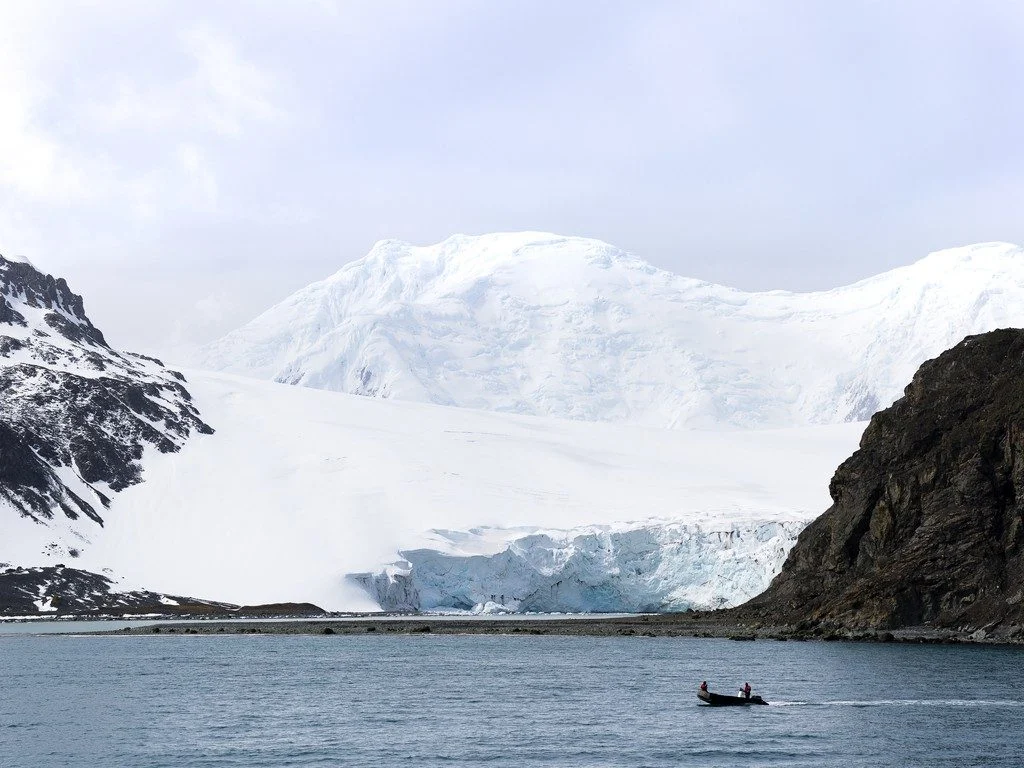
Where in the world can you find some of Earth’s oldest ice? That is the question a team of French and US scientists aimed to answer. They recently identified spots in East Antarctica that likely have the right conditions to harbor ice that formed 1.5 million years ago. Scientists hope that obtaining and analysing an …[Read More]
Imaggeo on Mondays: Science in the Arctic trenches
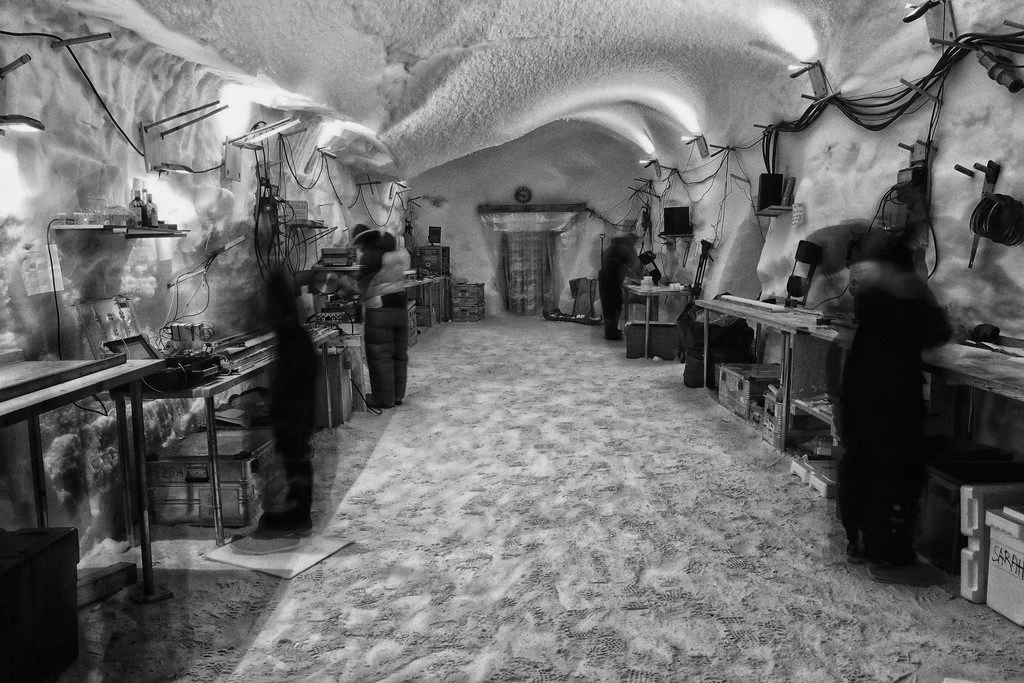
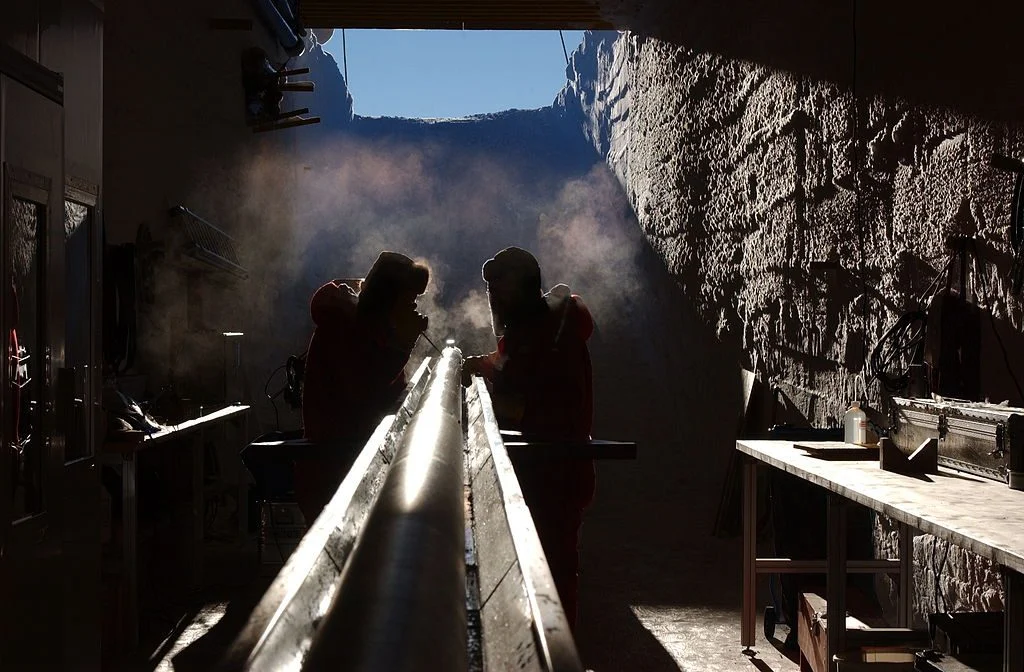
Pictured here are climate scientists processing ice core samples in the East Greenland Ice-core Project (EastGRIP) science trench 10 m under the surface of the Greenland ice cap. The trenches of this ice core camp require minimum building materials, utilising giant inflatable balloons that are dug in and covered with snow. The snow is left …[Read More]
Geosciences Column: The hunt for Antarctica’s oldest time capsule
The thick packs of ice that pepper high peak of the world’s mountains and stretch far across the poles make an unusual time capsule. As it forms, air bubbles are trapped in the ice, allowing scientists to peer into the composition of the Earth’s atmosphere long ago. Today’s Geosciences Column is brought to you by …[Read More]