GeoLog

Geomagnetism

Geo-magicians: The mysterious work of understanding our magnetic Earth
Geo-magicians: The mysterious work of understanding our magnetic Earth
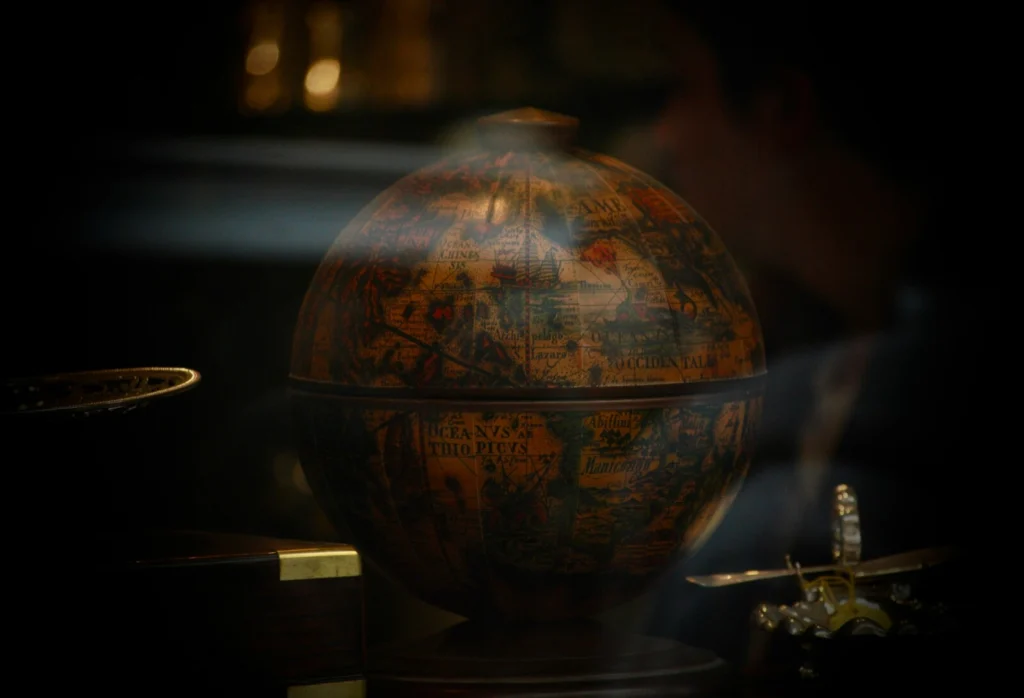
There is a force all around us—unseen, unfelt, and yet profoundly influential. It guides the migration of birds across continents, whispers secrets to ancient rocks, and shields us from cosmic storms. This force is as mysterious as it is essential, shaping our world in ways that most of us never think about. Imagine a sailor centuries ago, staring at a compass that always points north. What guides ...[Read More]

What if a tsunami’s magnetic field could predict the height of the wave?

What if a tsunami’s magnetic field could predict the height of the wave?

It’s been well established that tsunamis generate magnetic fields as they move seawater (which is conductive unlike freshwater) through the Earth’s magnetic field. Although researchers previously predicted that the tsunami’s magnetic field would arrive before a change in sea level, they lacked the means to simultaneously measure magnetics and sea level to confirm this phenomenon. Now, a new study ...[Read More]

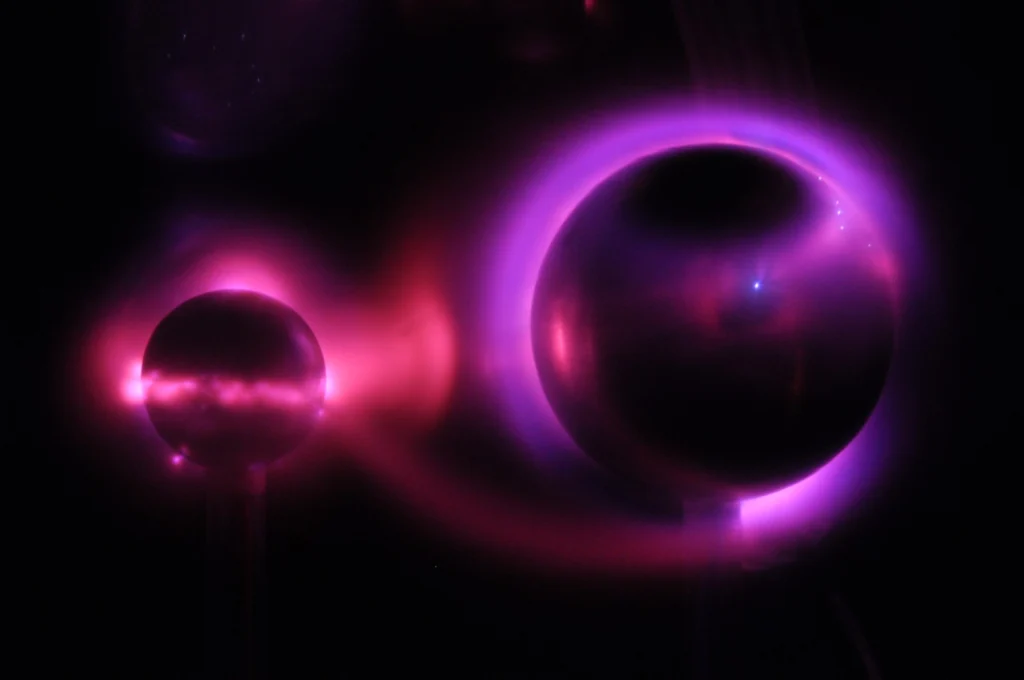
Imaggeo on Mondays: Magnetic interaction

Imaggeo on Mondays: Magnetic interaction

Space weather is a ubiquitous, but little known, natural hazard. Though not as tangible as a volcanic eruption, storm or tsunami wave, space weather has the potenital to cause huge economic losses across the globe. In Europe alone, the interaction of solar wind with our planet’s magnetosphere, ionosphere and thermosphere, could lead to disrutions to space-based telecommunications, broadcasti ...[Read More]

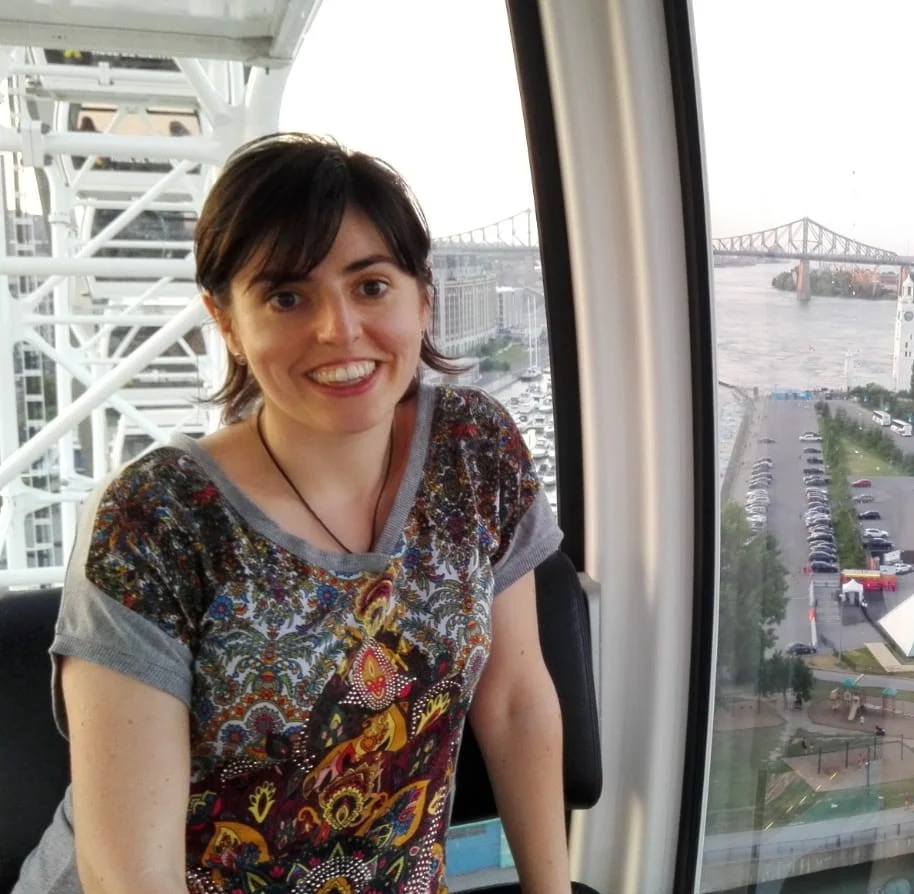
GeoTalk: Meet Saioa Arquero, the Earth Magnetism and Rock Physics Division’s Early Career Scientist Representative

GeoTalk: Meet Saioa Arquero, the Earth Magnetism and Rock Physics Division’s Early Career Scientist Representative

Hello Saioa, thank you for speaking with us today! Could you introduce yourself? My name is Saioa Arquero Campuzano. I’m a postdoctoral researcher at the Geosciences Institute in Madrid and I’m the Early Career Scientist (ECS) Representative for the Earth Magnetism and Rock Physics Division at EGU. This is my fourth year as a postdoc. After my PhD in Physics at Complutense University of Madrid, I ...[Read More]

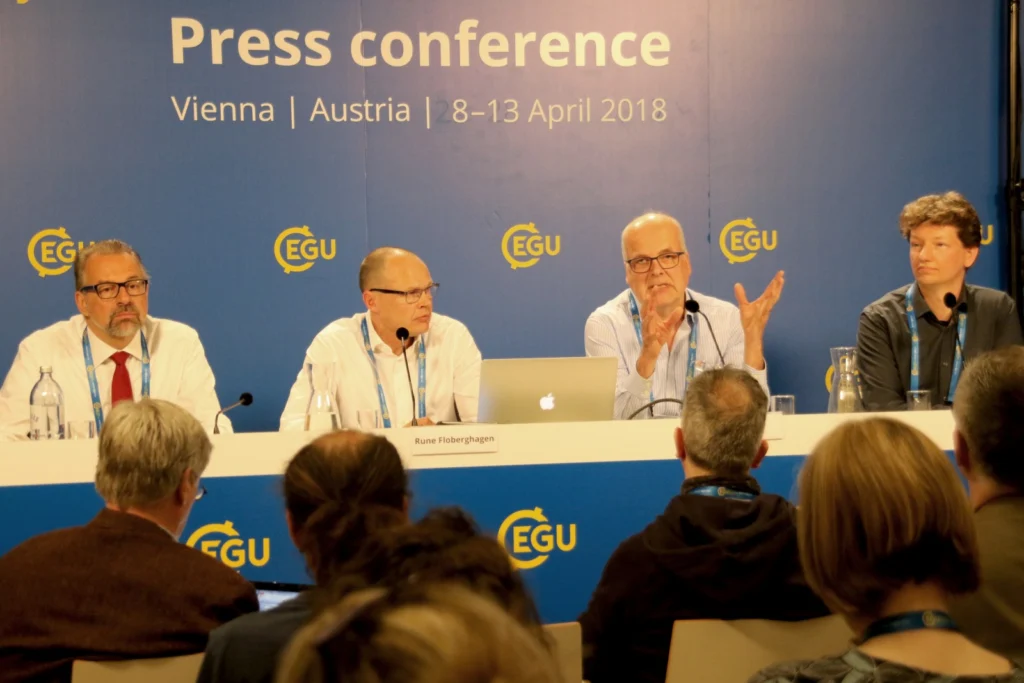
April GeoRoundUp: the best of the Earth sciences from the 2018 General Assembly

April GeoRoundUp: the best of the Earth sciences from the 2018 General Assembly

The 2018 General Assembly took place in Vienna last month, drawing more than 15,000 participants from 106 countries. This month’s GeoRoundUp will focus on some of the unique and interesting stories that came out of research presented at the Assembly. Mystery solved The World War II battleship Tirpitz was the largest vessel in the German navy, stationed primarily off the Norwegian coastline as a fo ...[Read More]

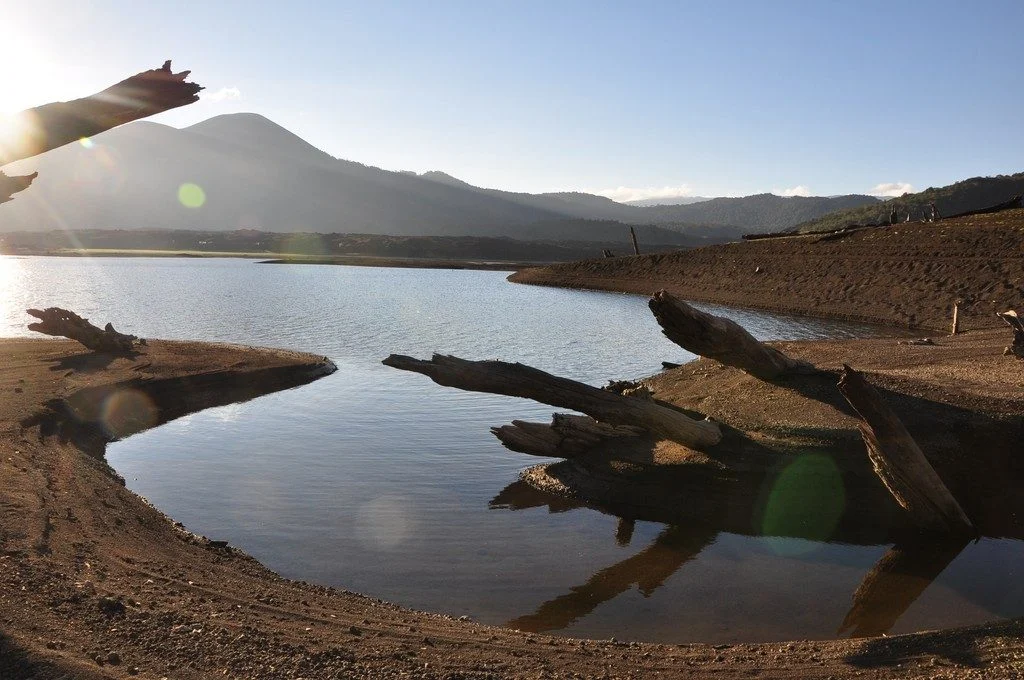
Imaggeo on Mondays: Chilean relics of Earth’s past

Imaggeo on Mondays: Chilean relics of Earth’s past

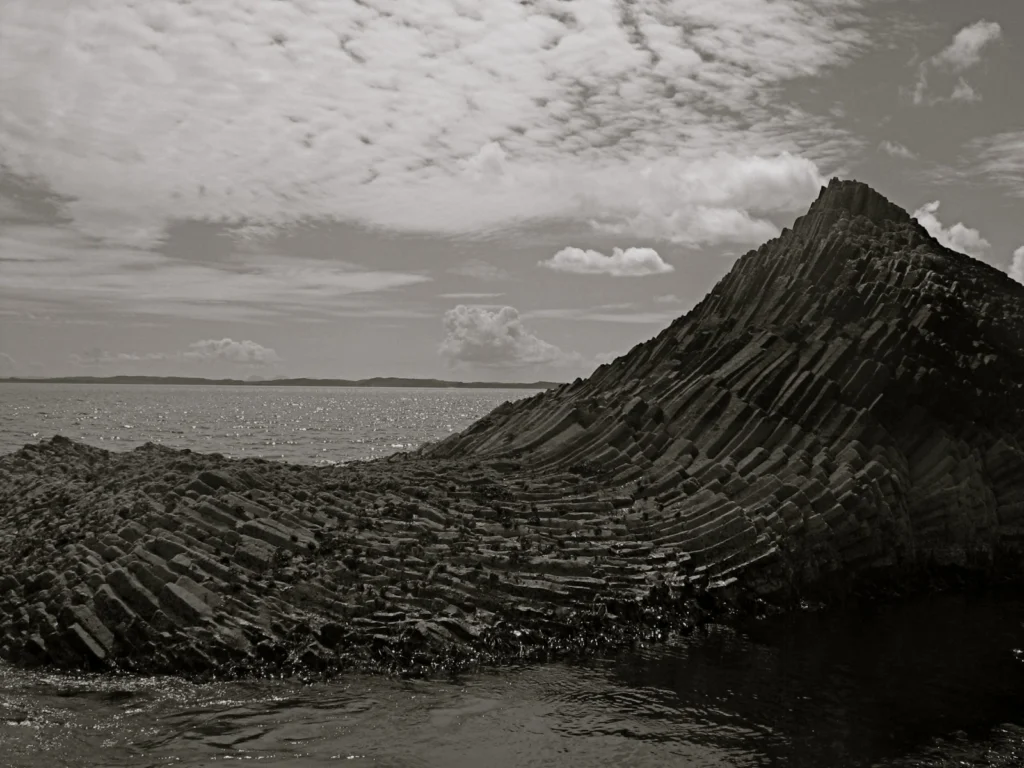
As Earth’s environment changes, it leaves behind clues used by scientists to paint portraits of the past: scorched timber, water-weathered shores, hardened lava flows. Chile’s Conguillío National Park is teeming with these kind of geologic artifacts; some are only a few years old while others have existed for more than 30 million years. The photographer Anita Di Chiara, a researcher at Lancaster U ...[Read More]

Imaggeo on Mondays: Magnetic interaction

Imaggeo on Mondays: Magnetic interaction

Space weather is a ubiquitous, but little known, natural hazard. Though not as tangible as a volcanic eruption, storm or tsunami wave, space weather has the potenital to cause huge economic losses across the globe. In Europe alone, the interaction of solar wind with our planet’s magnetosphere, ionosphere and thermosphere, could lead to disrutions to space-based telecommunications, broadcasti ...[Read More]

GeoTalk: The anomaly in the Earth’s magnetic field which has geophysicists abuzz

GeoTalk: The anomaly in the Earth’s magnetic field which has geophysicists abuzz

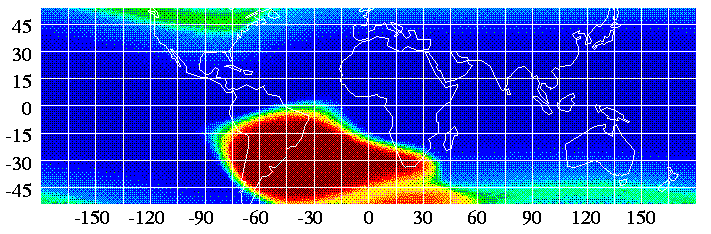
Geotalk is a regular feature highlighting early career researchers and their work. In this interview we speak to Jay Shah, a PhD student at Imperial College London, who is investigating the South Atlantic Anomaly, a patch over the South Atlantic where the Earth’s magnetic field is weaker than elsewhere on the globe. He presented some of his recent findings at the 2017 General Assembly. First, coul ...[Read More]

Imaggeo on Mondays: recording the Earth’s magnetic field one grain at a time

Imaggeo on Mondays: recording the Earth’s magnetic field one grain at a time

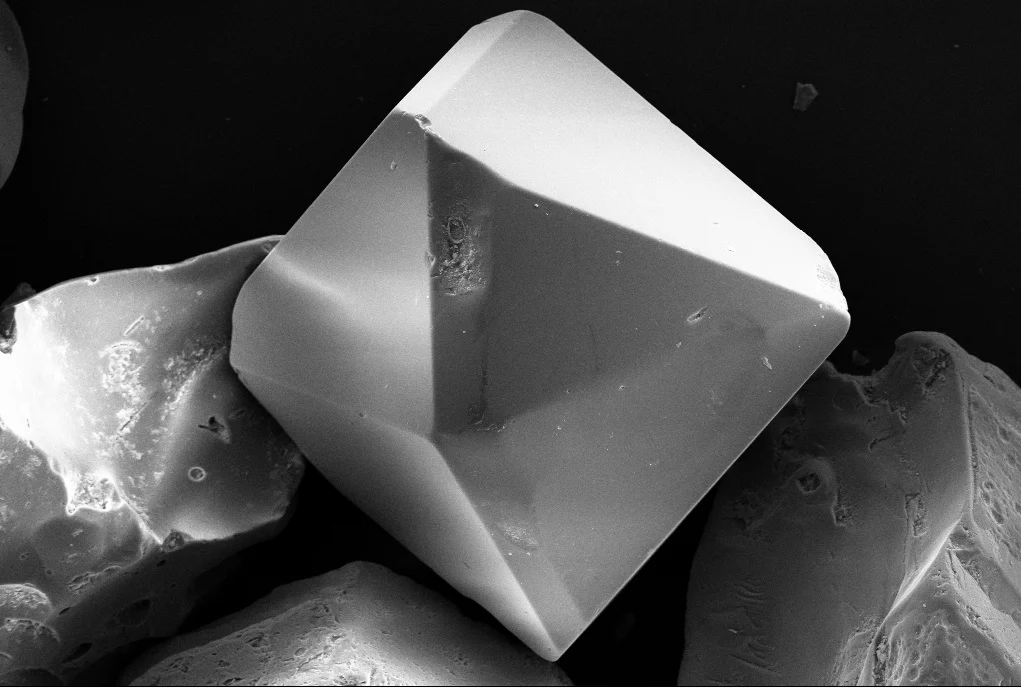
The Earth’s magnetic field extends from the core of the planet, right out to space. It is an invisible, butterfly-like, shield which protects us against the harmful particles ejected by solar flares. In addition, it guards us from atmospheric erosion and water loss caused by solar wind. But how do scientists study the Earth’s magnetic field when it can’t be see? Much of what is known results from ...[Read More]

Geoscience hot topics – Part I: The Earth’s past and its origin

Geoscience hot topics – Part I: The Earth’s past and its origin

What are the most interesting, cutting-edge and compelling research topics within the scientific areas represented in the EGU divisions? Ground-breaking and innovative research features yearly at our annual General Assembly, but what are the overarching ideas and big research questions that still remain unanswered? We spoke to some of our division presidents and canvased their thoughts on what the ...[Read More]