GeoLog

fossil

Sue the unconventional tyrant: 35 years of discovery, science, and icon status
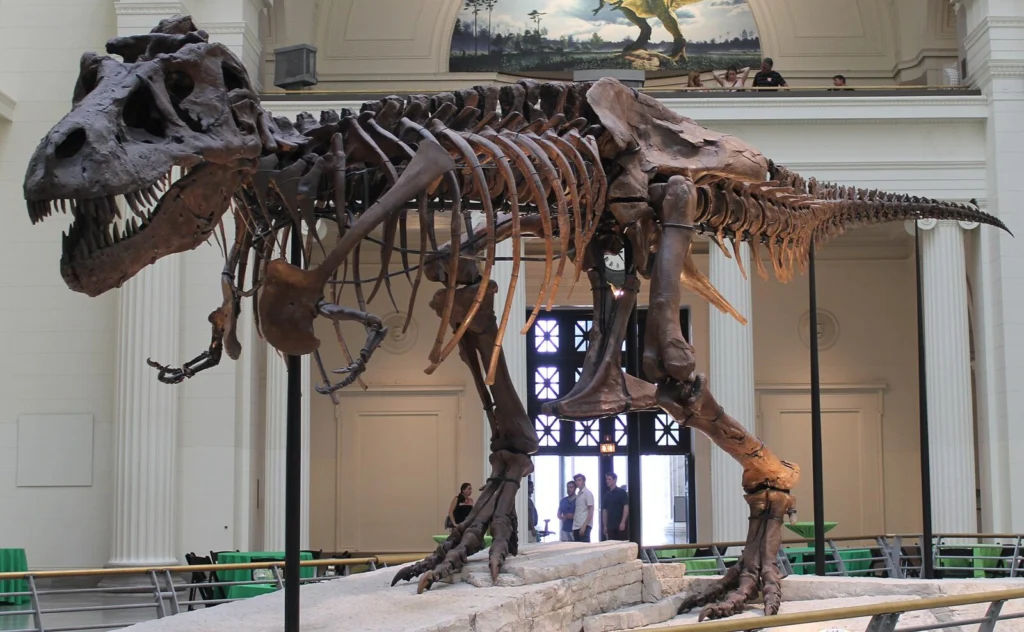
Sue the unconventional tyrant: 35 years of discovery, science, and icon status
This year marks the 35th anniversary of a discovery that redefined our understanding of the Tyrannosaurus Rex and captivated the world. It’s a story of serendipity, fierce legal battles, groundbreaking science, and an unexpected journey into pop culture. Discovered in South Dakota in 1990 by fossil hunter Sue Hendrickson, Sue is not just any dinosaur skeleton; it is the largest and most complete T ...[Read More]

GeoTalk: Meet Marisa Storm, Molecular Fossil researcher!

Marisa Storm

  Hi Marisa. Thank you for joining us today! Could you tell our readers a bit about yourself and your research? Hi, I am a geologist and organic geochemist, currently working as a postdoc at the NIOZ Netherlands Institute for Sea Research based on the island Texel. After my geology-focused undergraduate and master studies in Germany at the RWTH Aachen and Heidelberg University, I graduated wi ...[Read More]

Imaggeo on Mondays: Tertiary Flying Saucers

Imaggeo on Mondays: Tertiary Flying Saucers

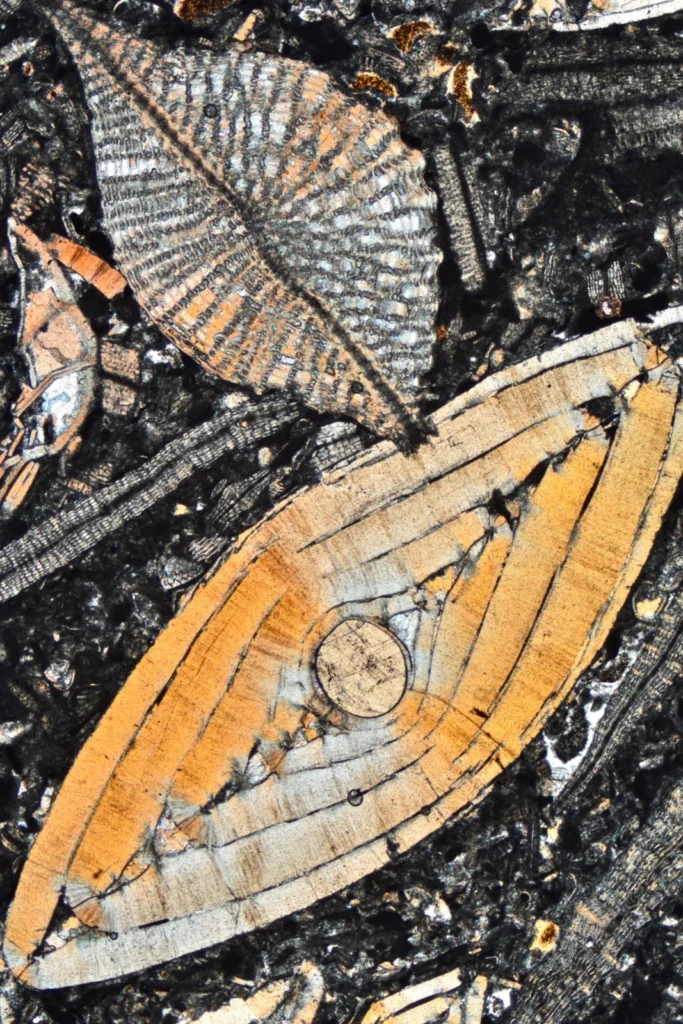
Besides for the purposes of documenting my research, I like to take photos of rocks under the microscope also because of their aesthetic appeal. It’s an hidden, marvelous world. These flying-saucer-looking objects are in fact the fossil skeletons of a Nummulites (the larger) and a Discocyclina (the one on top left), both belong to the phylum of Foraminifera. These single-celled organisms occupyied ...[Read More]

Imaggeo on Mondays: An expedition to better understand Antarctic soils

Imaggeo on Mondays: An expedition to better understand Antarctic soils

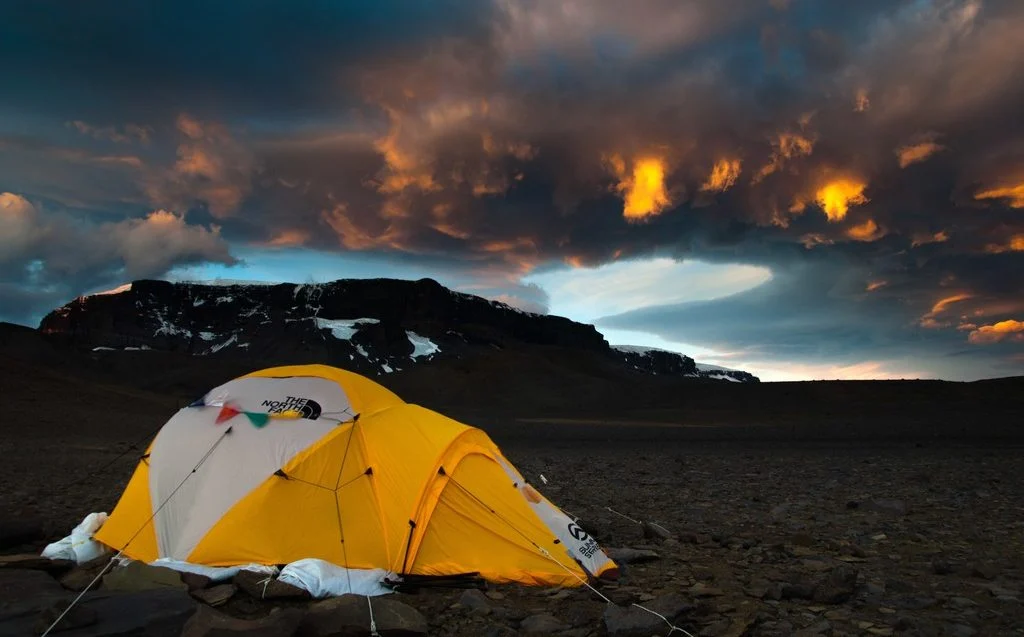
A dramatic evening sky puts the frame to a photo taken during the Brazilian Antarctic expedition to James Ross Island in 2016. Brazilian palaeontologists and soil scientists together with German soil scientists spent over 40 days on the island to search for fossils and sample soils at various locations of the northern part of the island. The island was named after Sir James Clark Ross who led the ...[Read More]

Imaggeo on Mondays: A slice of fossil life

Imaggeo on Mondays: A slice of fossil life

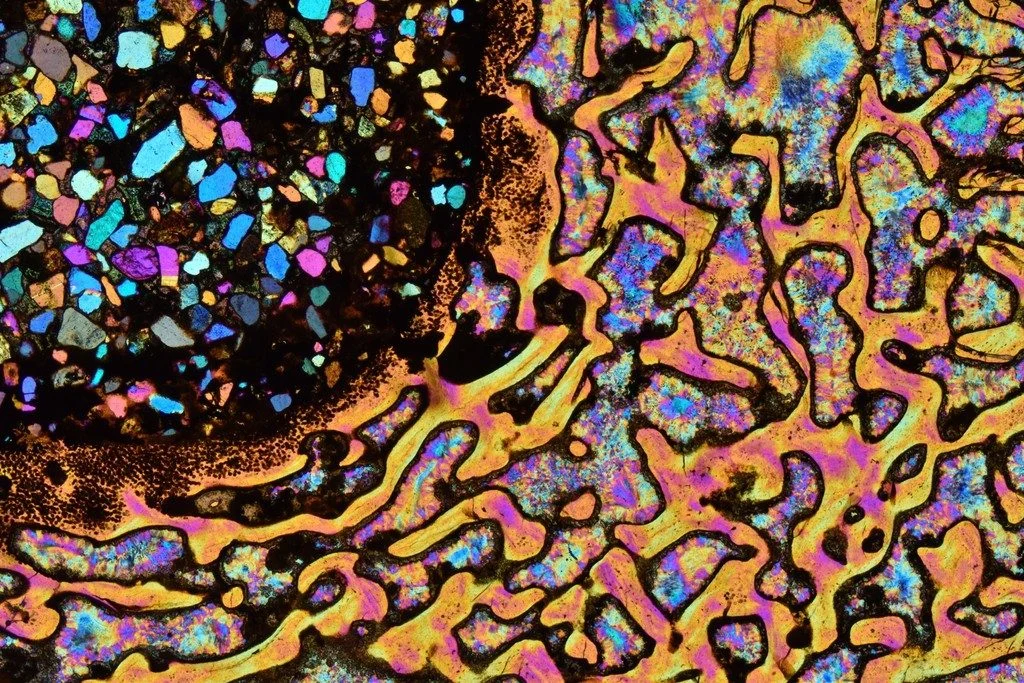
I am a petrographer at the University of Padova, Italy, studying the metamorphic rocks that form the deep Earth’s crust beneath our feet, and what happens when they get so hot to start to melt. I’ve spent (enjoyed I should say) more than 30 years looking at rocks with an optical microscope. This simple, cheap tool, and more importantly, its skilled use, remain key ingredients for good research in ...[Read More]

Imaggeo on Mondays: Nummulites, the living lentils

Imaggeo on Mondays: Nummulites, the living lentils

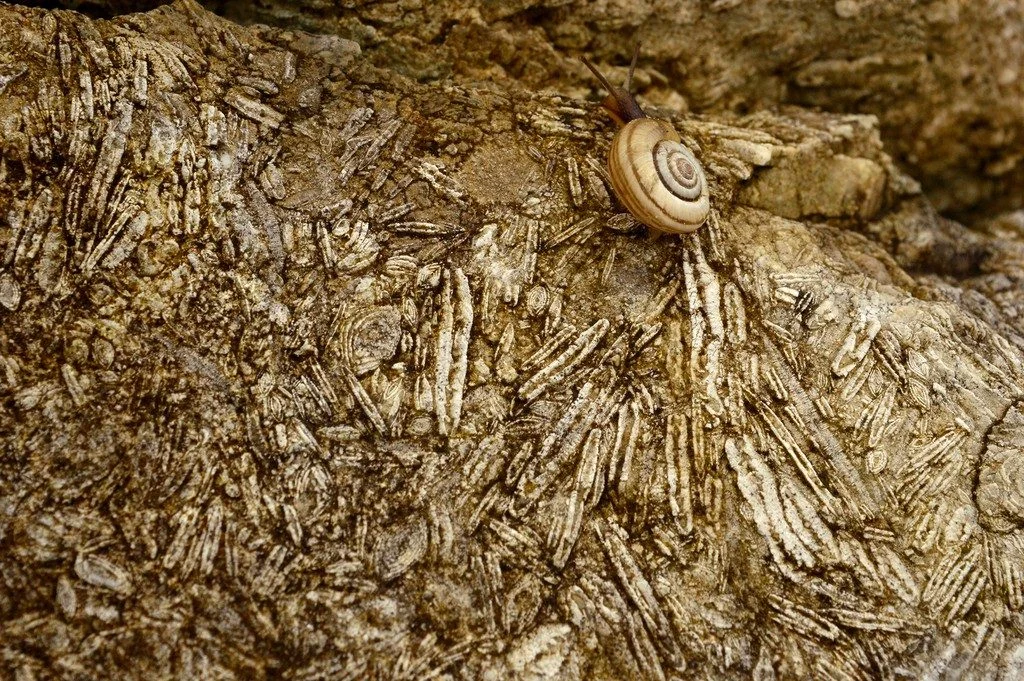
This photograph depicts a close-up of Eocene limestones from the Sardinero Formation in Cantabria (Northern Spain). The limestone is rich with foraminifera shells, most of them from the Nummulitidae family. These organisms once lived in a very shallow sea that separated Europe from Iberia in the late Mesozoic and early Cenozoic era. Later the sea basin’s  closure led to the formation of the Pyrene ...[Read More]

GeoTalk: Hellishly hot period contributed to one of the most catastrophic mass extinctions of Earth’s history

GeoTalk: Hellishly hot period contributed to one of the most catastrophic mass extinctions of Earth’s history

Geotalk is a regular feature highlighting early career researchers and their work. Following the EGU General Assembly, we spoke to Yadong Sun, the winner of a 2017 Arne Richter Award for Outstanding Early Career Scientists, about his work on understanding mass-extinctions. Using a unique combination of sedimentological, palaeontological and geochemical techniques Yadong was able to identify some o ...[Read More]