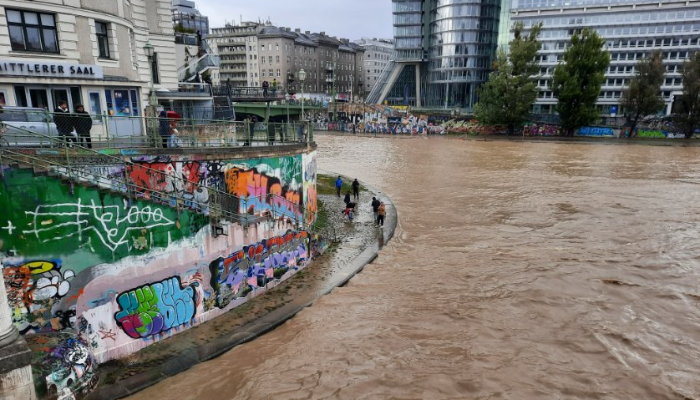
This blog post is co-published with the Hydrology Division (HS). Storm Boris is the latest in a series of deluges during one of Europe’s most flood-prone periods in 500 years, yet Vienna managed to avoid major damage. The city’s preparations may offer valuable lessons for other urban areas facing similar challenges. Dealing with record rainfall: September 2024 in Vienna When record rainfall ...[Read More]
Turning adversity into opportunity: mapping plastic pollution in rivers
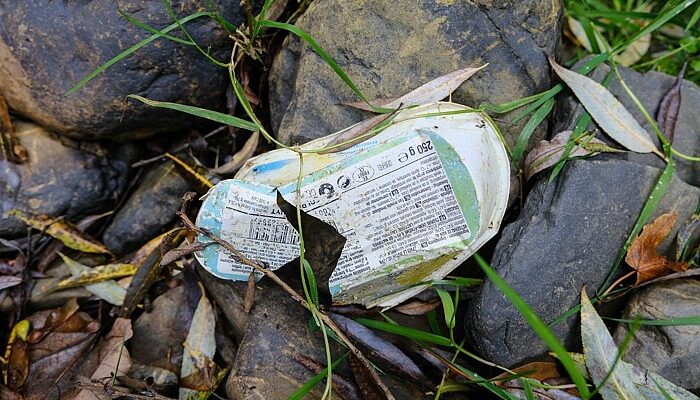
In July 2021, the Benelux area, Germany, and France experienced heavy rainfall followed by mass flooding, causing widespread damage. Along the vast quantities of plastic swept along the riverbanks, Rahel Hauk, a researcher from Wageningen University, conducted fieldwork to assess the impact of the flood event on plastic deposition. Amidst the debris, Hauk and her colleagues noticed a large volume ...[Read More]
When race and natural hazards intersect: three geoscientists share their experiences
Around the world, the month of October is observed as Black History Month and includes the International Day for Disaster Reduction. While both these observances are significant in their own right, it gave EGU the opportunity to hear from geoscientists of Black, Indigenous, and People of Colour (BIPOC) communities about the many ways that race and natural hazards are linked: does one affect the ot ...[Read More]
August GeoRoundUp: the best of the Earth sciences from around the web
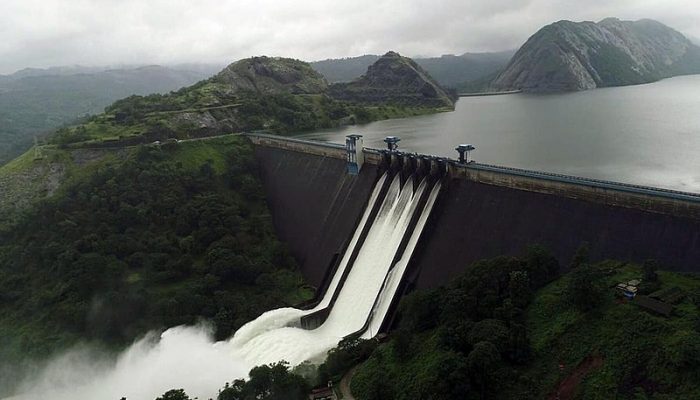
Drawing inspiration from popular stories on our social media channels, major geoscience headlines, as well as unique and quirky research, this monthly column aims to bring you the latest Earth and planetary science news from around the web. Major story The south Indian state of Kerala has suffered unusually heavy monsoon rainfall this month, triggering the worst flooding the state has seen in more ...[Read More]
Imaggeo on Mondays: Why is groundwater so important?
Groundwater is an often underestimated natural resource, but it is vital to the functioning of both natural and urban environments. Indeed, it is a large source of drinking water for communities world-wide, as well as being heavily used for irrigation of crops and crucial for many industrial processes. The water locked in the pores and cracks within the Earth’s soils and rocks, also plays an impor ...[Read More]
Geoscience hot topics – The finale: Understanding planet Earth
What are the most interesting, cutting-edge and compelling research topics within the scientific areas represented in the EGU divisions? Ground-breaking and innovative research features yearly at our annual General Assembly, but what are the overarching ideas and big research questions that still remain unanswered? We spoke to some of our division presidents and canvased their thoughts on what the ...[Read More]
GeoTalk: Want a record of historical floods? Ask the taxman
Extreme weather events, like catastrophic floods, are the malicious exclamation points of Earth’s chaotic and variable climate system; they arrive without warning and extract huge costs, both economic and humanitarian, from the communities they strike. Evidence suggests the frequency and severity of these events may be on the rise in a changing climate, but scientists struggle to place modern even ...[Read More]
Geosciences Column: Getting a handle on glacial lakes
Glacial lake outburst floods (GLOFs) are caused when masses of meltwater are released from behind a glacier moraine. Moraines are piles of unconsolidated debris that have either eroded from the glacier valley or have been deposited by melting glaciers. When they fail, a huge volume of water can be released, threatening populations further down the valley. Moraine failure can be caused by avalanche ...[Read More]