GeoLog

fieldwork

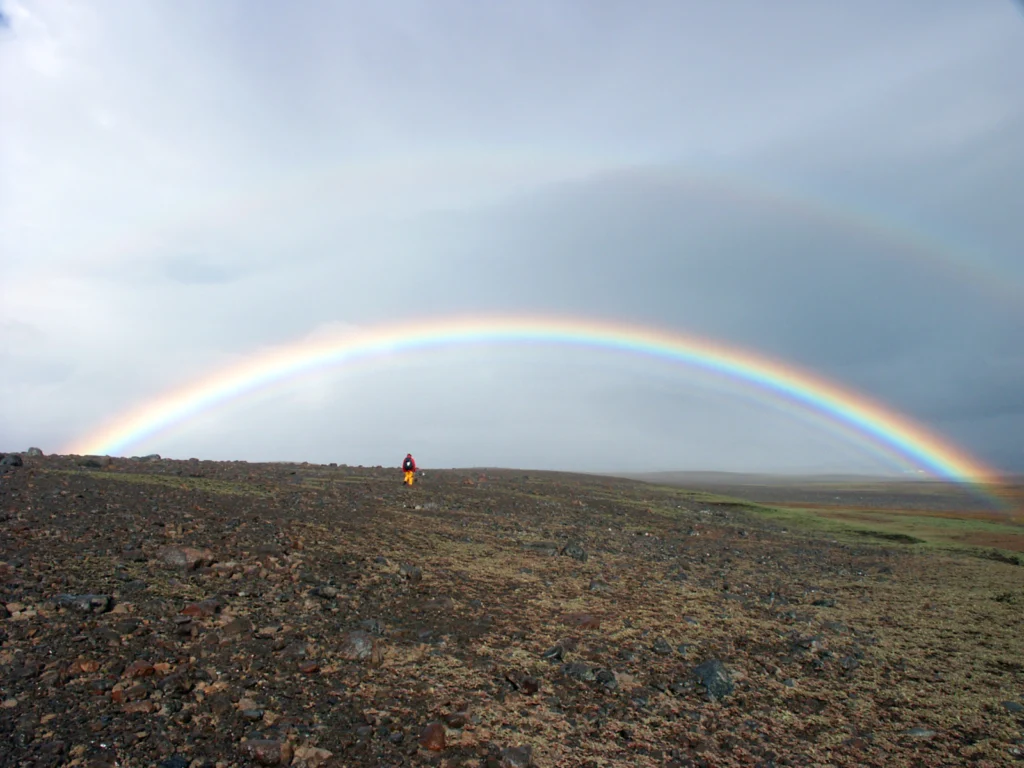
Hold my Baby: Improving Institutional Policies of Parenting and Field-based Research
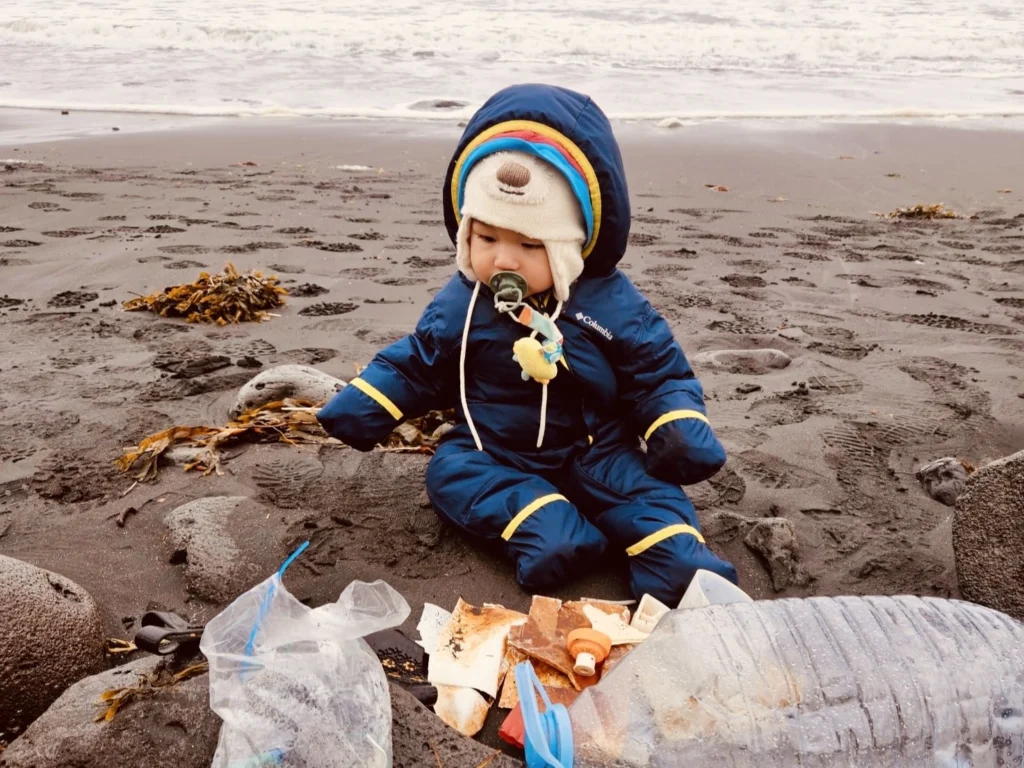
Hold my Baby: Improving Institutional Policies of  Parenting and Field-based Research
We are researchers. Researchers are people. People sometimes have children. These are three simple statements (and fundamental truths) that are often overlooked by institutional and funding policies, leading to a disconnect between the demands of research and the responsibilities of parenthood. Especially in field-based research, which is typical in the geosciences, rigorous expectations of long h ...[Read More]

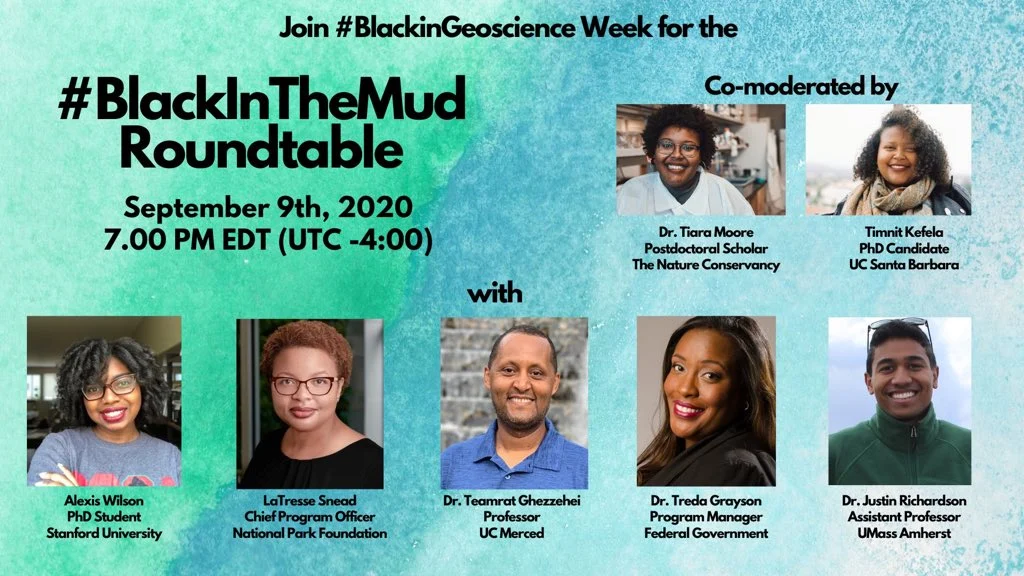
GeoTalk: #BlackInTheMud panellists reflect on Black in Geoscience Week 2020

GeoTalk: #BlackInTheMud panellists reflect on Black in Geoscience Week 2020

After telling a personal and traumatizing field experience to my fellow colleagues of color, I found that we all had shared similar events! Shocked and outraged, I wanted to find a place to expose and highlight these events thus the #BlackInTheMud panel was created. This event was inspired by this picture. And it’s so funny because this photo has been used, until it’s almost like a stock photo on ...[Read More]

LGBTQIA+ in the field

LGBTQIA+ in the field

As a part of any field-based science work, whether it be as an individual scientist, research team or with students, we must first conduct a risk assessment. This often focuses on the physical dangers that you, your colleagues or students may encounter whilst working in stressful and sometimes unfamiliar environments. More recently, field-based risk assessments for physical/environmental scientist ...[Read More]

Travels in Geology: A World Turned Upside Down

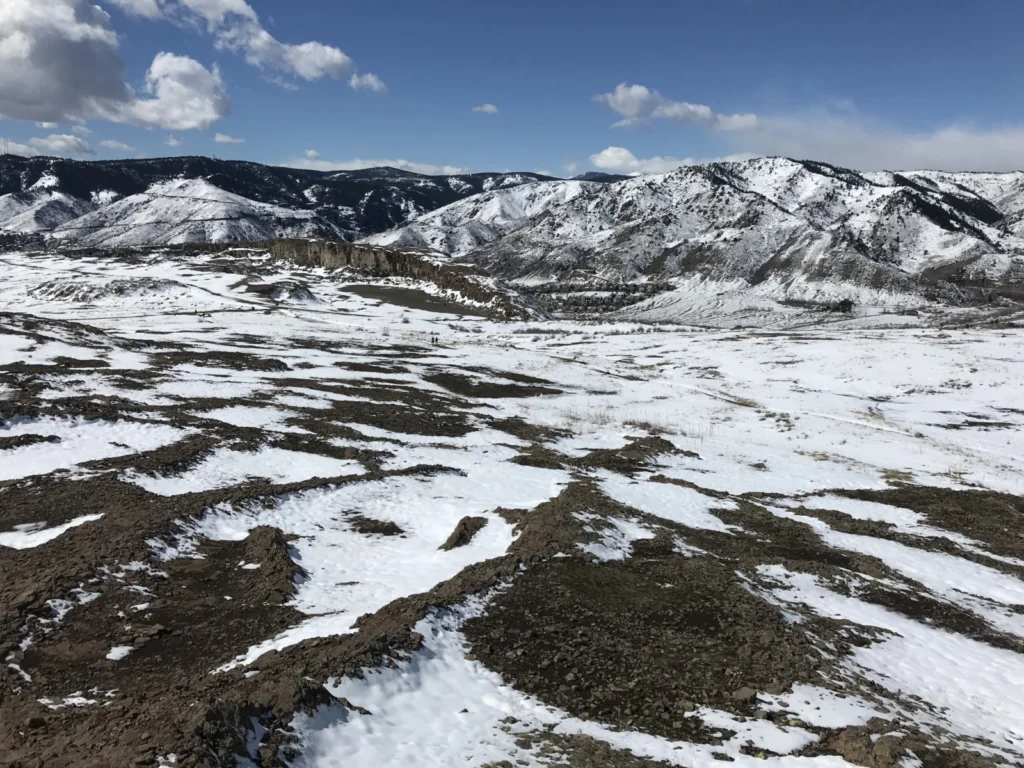
Travels in Geology: A World Turned Upside Down

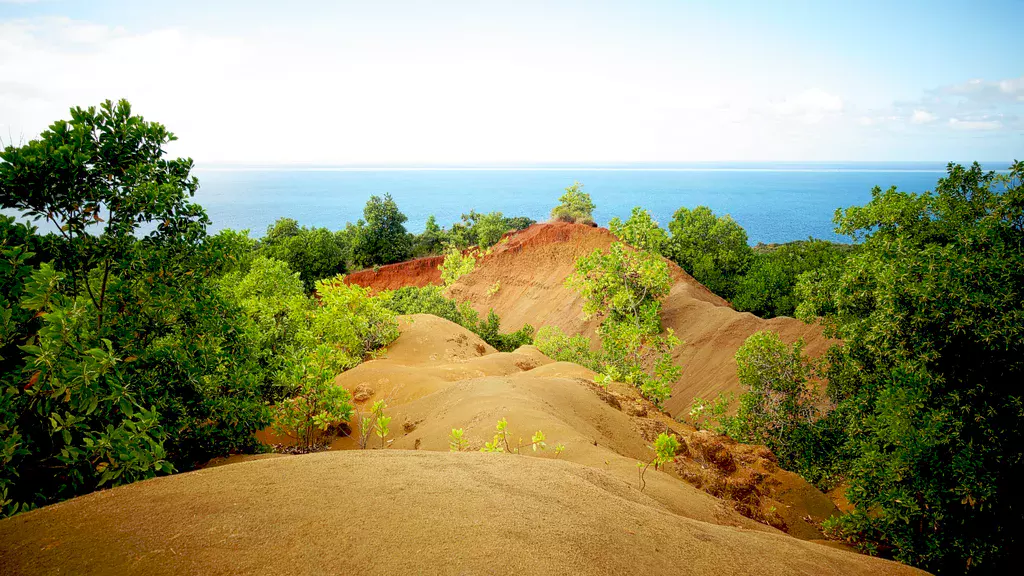
Last weekend, with a strict, stay-at-home coronavirus order looming on the horizon, I decided to practice social distancing by escaping on one last hike. Since I’m currently in Colorado, I chose to climb North Table Mountain, the remnant of an ancient basalt lava flow located on the outskirts of Denver.   Locally this mesa, along with its twin located a short distance to the south, are popula ...[Read More]

Inclusive flood mapping: using citizen science to collect historical flood data in Dakar, Senegal.

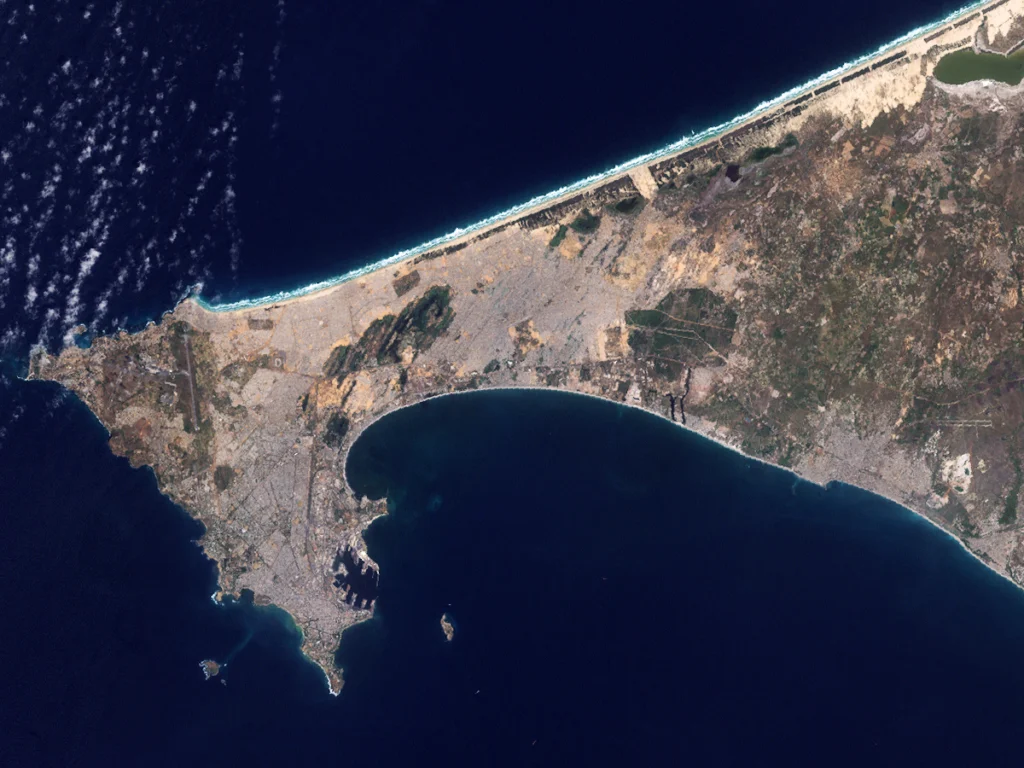
Inclusive flood mapping: using citizen science to collect historical flood data in Dakar, Senegal.

During the month of February, we are focusing on ‘Accessibility and Inclusivity’ here at the EGU. Although these topics are clearly relevant to the General Assembly, some people may wonder whether they also relate to scientific research. Clearly all geoscientists are people, so accessibility and inclusivity matter regardless of what scientific discipline they are in. But there can also be tangible ...[Read More]

Imaggeo On Mondays: Contrasting Colors of Pinnacles and Mountains

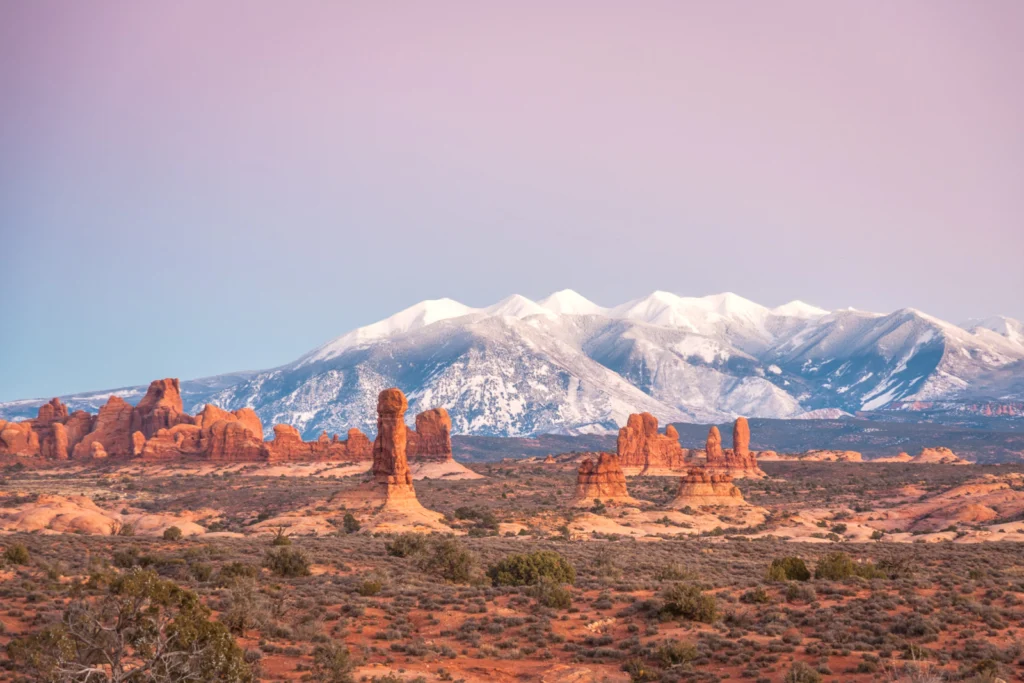
Imaggeo On Mondays: Contrasting Colors of Pinnacles and Mountains

Despite its rugged appearance of sandstone pinnacles and arches, the ecosystem of Arches National Park in Utah, U.S.A. is very fragile. Beyond the normal ‘high desert’ environment, this beautiful landscape is home to microbial communities in the soil called cryptobiotic crusts. These biological soil crusts are very vulnerable to damage and when harmed they can take years to grow back. These barren ...[Read More]

Weathering the storm from a research vessel

Weathering the storm from a research vessel

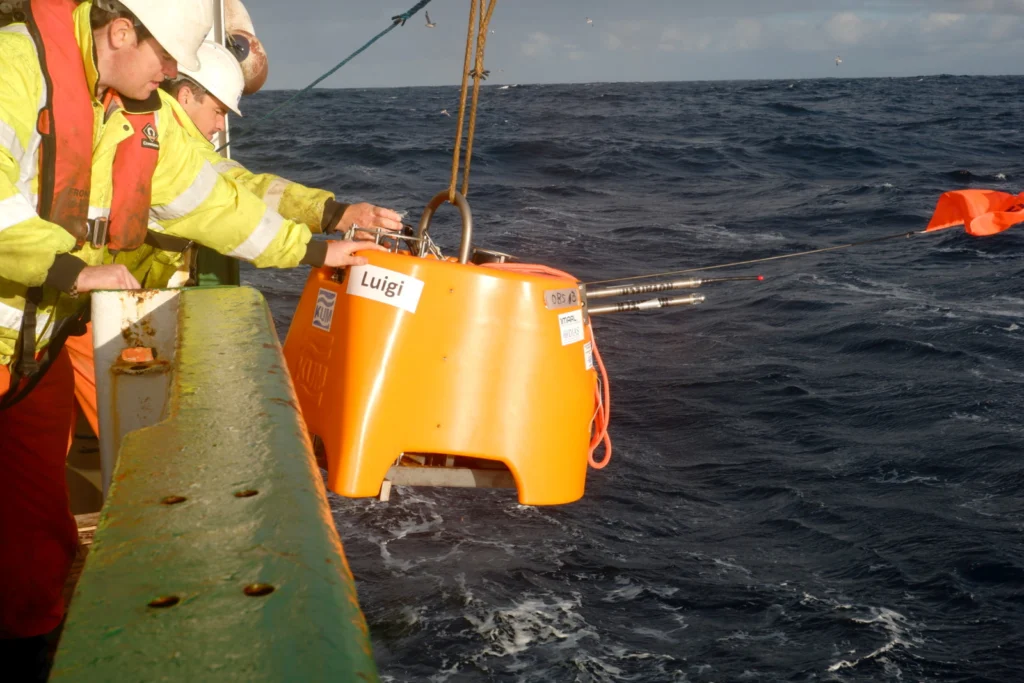
Fieldwork can take geoscientists to some of the most remote corners of the Earth in some of the harshest conditions imaginable, but stories from the field hardly make it into a published paper. In this blog post, Raffaele Bonadio, a PhD student in seismology at the Dublin Institute for Advanced Studies in Ireland, shares a particularly formidable experience in the field while aboard a research ves ...[Read More]

Imaggeo on Mondays: Air samples from afar

Imaggeo on Mondays: Air samples from afar

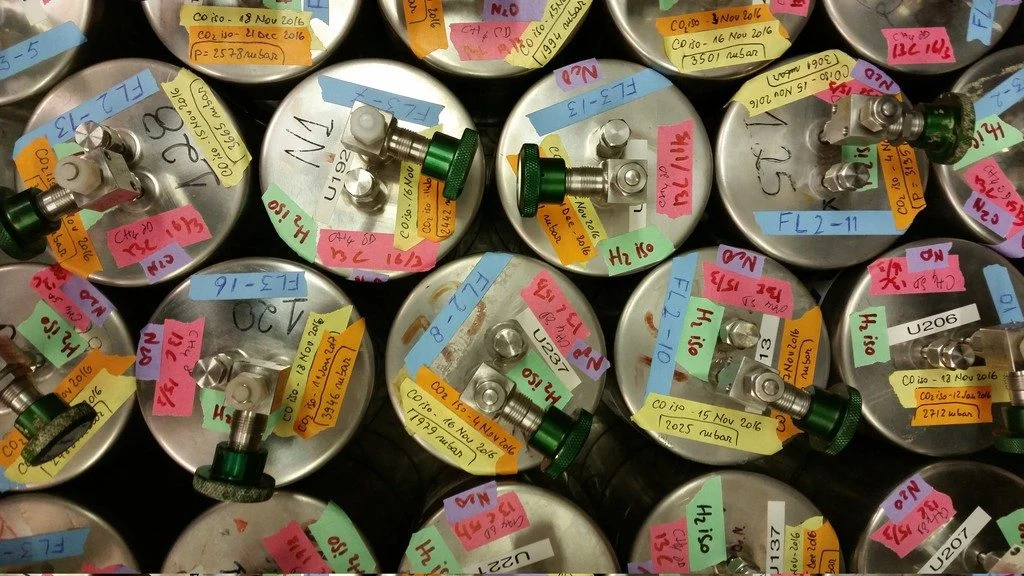
I’ve taken many photos on fieldwork, everywhere from Malaysia to Antarctica but this particular photo was taken in my ‘home’ lab at the University of East Anglia (UEA) in Norwich, UK. Atmospheric scientists collect air samples canisters such as these from around the world: from high altitude research aircraft (such as the Geophysica), long-term measurement time series (such as Ca ...[Read More]

Last chance to enter the EGU Photo Competition 2019!

Last chance to enter the EGU Photo Competition 2019!

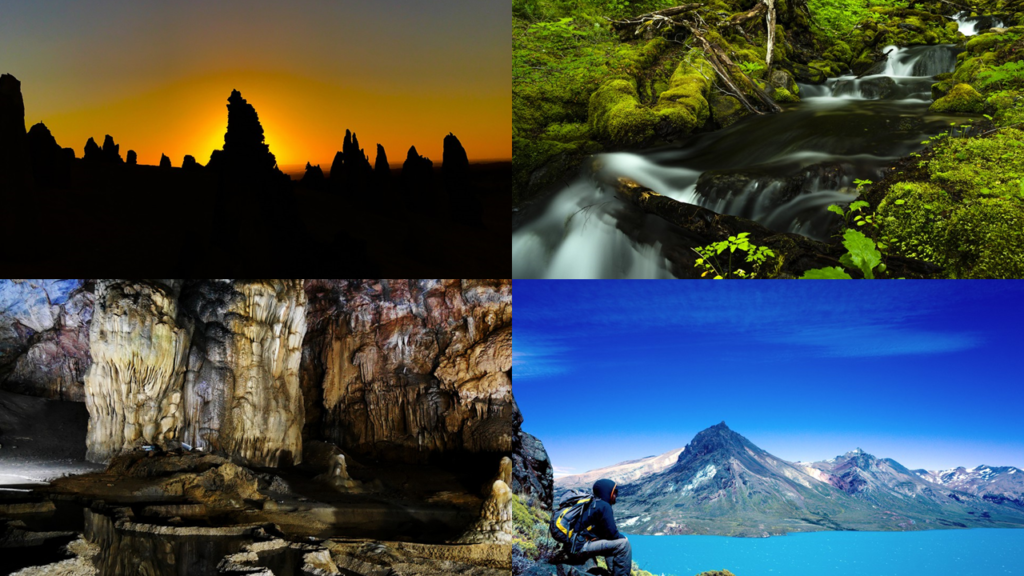
If you are pre-registered for the 2019 General Assembly (Vienna, 7-12 April), you can take part in our annual photo competition! Winners receive a free registration to next year’s General Assembly! But hurry, there are only a few days left to enter! Every year we hold a photo competition and exhibit in association with our open access image repository, Imaggeo, and our annual General Assembly. The ...[Read More]