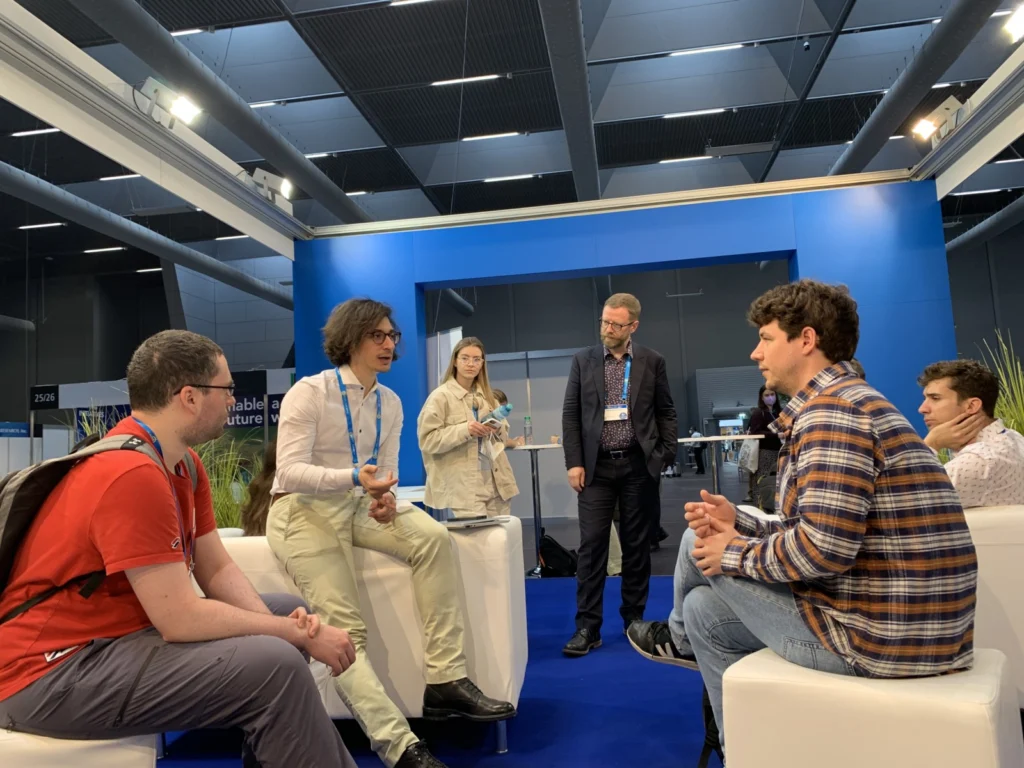
EGU’s Science for Policy Working Group aims to promote greater collaboration between the geoscientific community and policymakers, highlight policy-relevant outputs from EGU scientists, and support evidence-based policy. Not only does the Working Group support EGU’s policy activities but it also provides individual members with relevant information and opportunities through the EGU’s Science for Policy Newsletter, …[Read More]
european commission
GeoPolicy: Proposed cuts to EU science funding could slow future research and innovation
As a European scientific union with over 20,000 members, the EGU is well positioned to provide feedback on the current and future state of research and innovation funding in Europe. The recent cuts to the EU’s 2021-2027 research budget from European Parliament’s initial proposal of €120 billion to the current proposal of €81 billion (at …[Read More]
GeoPolicy: What really drives political decision-making?
On July 17 2019, the EU Commission’s Joint Research Centre (JRC) published a report highlighting how thinking is challenged by today’s information environment and the role of evidence-informed policymaking in a well-functioning democracy. Titled Understanding our political nature, the report was produced with the assistance of 60 international experts in the humanities, behavioural and social …[Read More]
GeoPolicy: The importance of communicating your research with the public
Science and innovation are a central priority for the European Union with the current research framework, Horizon 2020, allocating almost €80 billion to research and innovation over seven years, until 2021. It appears that policymakers are currently happy with this investment as they are looking to increase research and innovation spending to at least €100 …[Read More]
EGU’s response to potential changes to the European Research Council
A major re-organisation of the European Commission’s Research and Innovation Directorate General is scheduled to take place this year with a goal to revise staff reporting procedures and increased coordination between the agencies. While improved coordination may be of benefit in some areas, concerns have been raised about the potential impact these changes may have …[Read More]
GeoSciences Column: The dirty business of shipping goods by sea
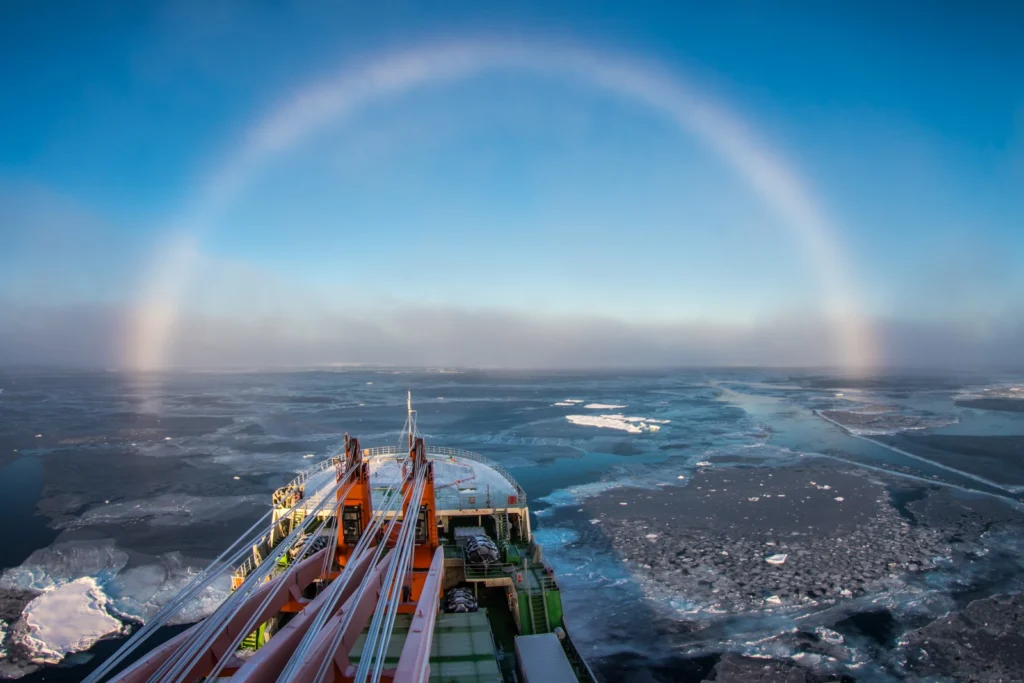
Shipping goods across the oceans is cost-effective and super-efficient; that’s why over 80% of world trade is carried by sea (according to the International Maritime Organisation). But the shipping industry also contributes significant amounts of air pollutants to marine and coastal environments. A new study, published in the EGU’s open access journal Earth System Dynamics, …[Read More]
GeoPolicy: What are European Commission Consultations and how can scientists contribute?
The European Commission requires both expert advice and an understanding of public opinion to steer policy and draft new EU legislation proposals that will be introduced to both the Council and the EU Parliament to debate. The EU Commission regularly hosts hearings, workshops, expert groups and consultations to gain valuable insights, prompt discussion and help …[Read More]
GeoPolicy: Have your say on Horizon 2020
The European Union provides almost 75 billion euros of funding through the Horizon 2020 scheme. This money can fund research projects, studentships, post-doctorates and scientific outreach (to name but a few!). The EU is now calling for feedback and comments about the scheme. This month’s GeoPolicy explains how you can have your say. Are …[Read More]
GeoPolicy: A new vehicle emissions test to be introduced, say EU’s top scientists
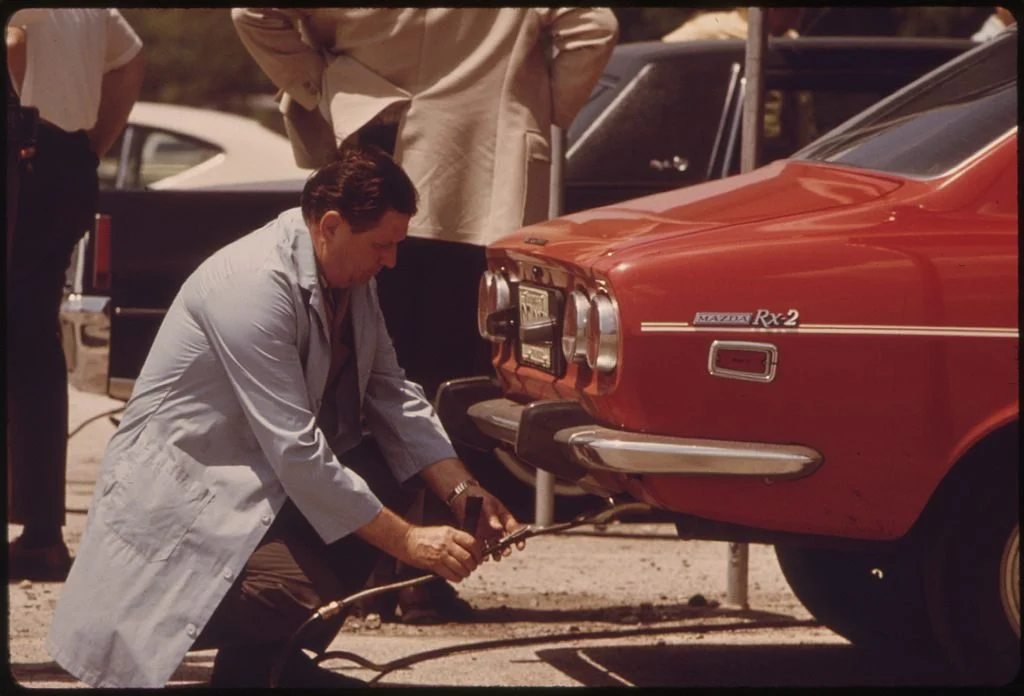
Last year the European Commission appointed a panel of world leading scientists to advise on key science policy issues. In November, the panel issued their first recommendation report focusing on CO2 vehicle emissions. The month’s GeoPolicy post takes a closer look at this high-level advisory panel and the recommendations they have published. In 2015, the …[Read More]
GeoPolicy: 8 ways to engage with policy makers
Scientific research is usually verbally communicated to policy officials or through purposefully written documents. This occurs at all levels of governance (local, national, and international). This month’s GeoPolicy post takes a look at the main methods in which scientists can assist in the policy process and describes a new method adopted by the European Commission (EC) that aims to enhance …[Read More]