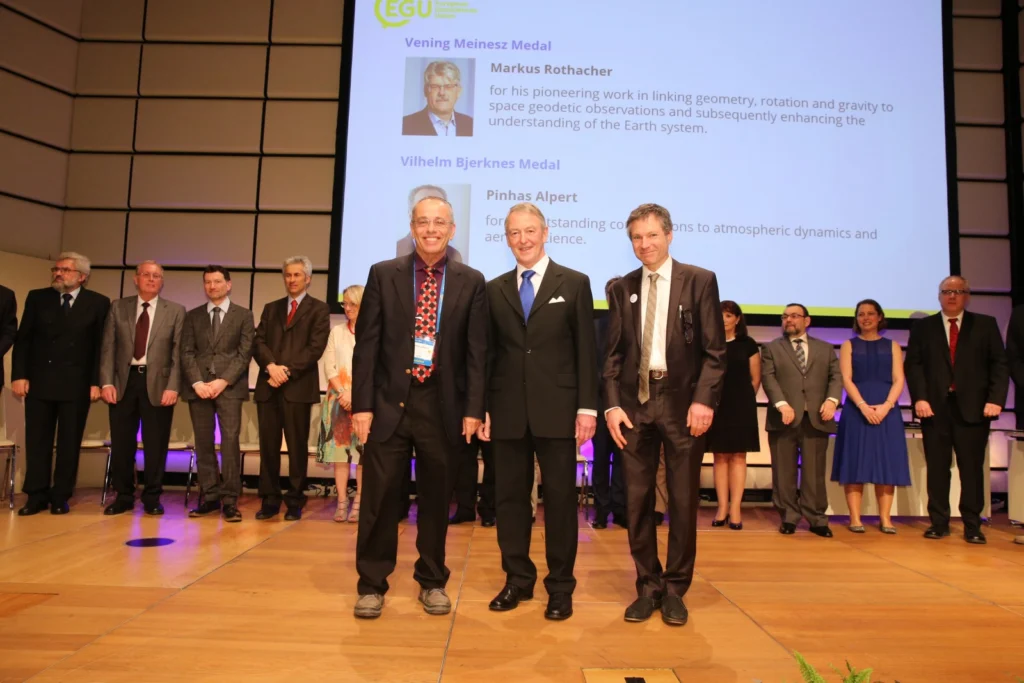
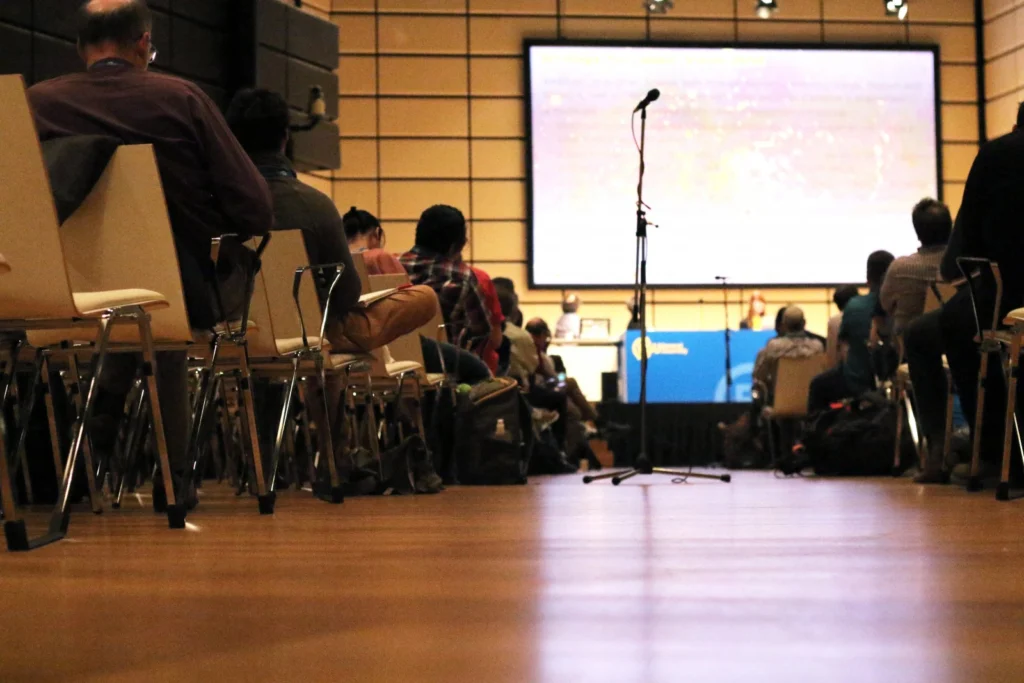
GeoTalk interviews usually feature the work of early career researchers, but this month we deviate from the standard format to speak to Pinhas Alpert, professor in geophysics and planetary sciences at Tel Aviv University and recipient of the 2018 Vilhelm Bjerknes Medal. Alpert was awarded for his outstanding contributions to atmospheric dynamics and aerosol science. Here we talk to him about his c ...[Read More]
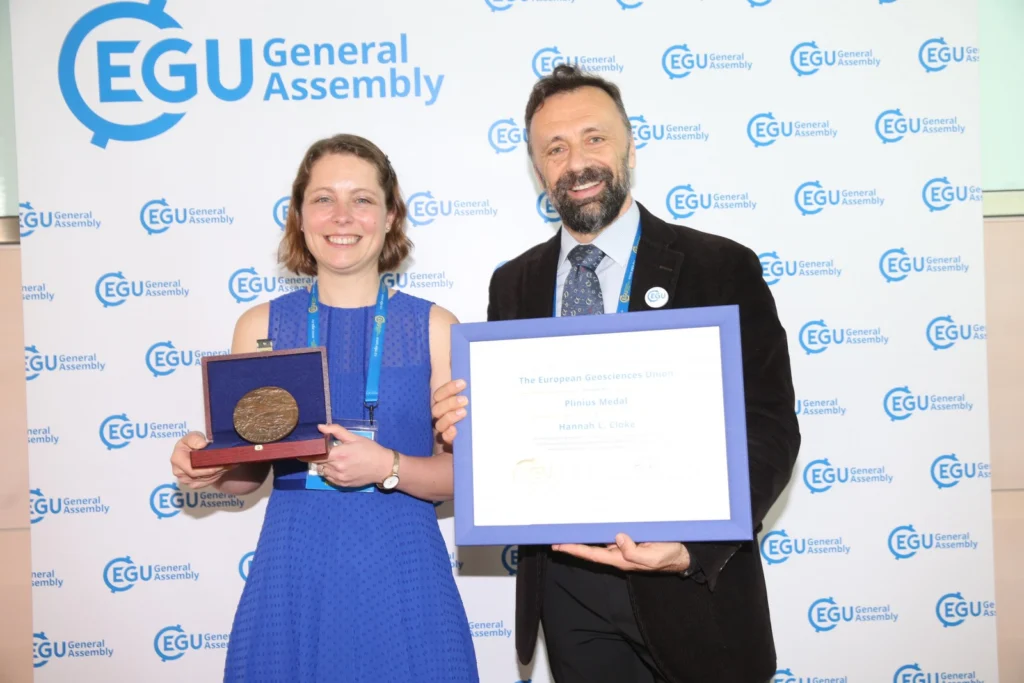
EGU announces 2019 awards and medals
From 14th to the 20th October a number of countries across the globe celebrate Earth Science Week, so it is a fitting time to celebrate the exceptional work of Earth, planetary and space scientist around the world. This week, the EGU announced the 45 recipients of next year’s Union Medals and Awards, Division Medals, and Division Outstanding Early Career Scientists Awards. The aim of the awards is ...[Read More]
A young participant’s experience at the 2018 General Assembly: So much to discover!
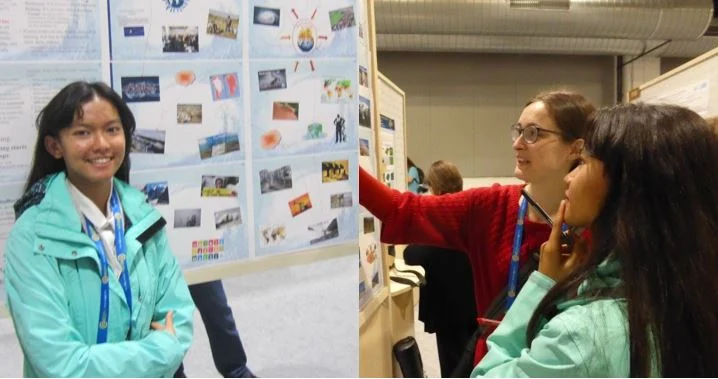
Today we welcome probably one of the youngest participants who attended the 2018 General Assembly, Pariphat Promduangsri, a 16-year-old science baccalaureate student at Auguste Renoir high school in Cagnes-sur-mer, France, as our guest blogger. With a deep interest in the natural world and in taking care of the environment, Pariphat was a keen participant at the conference. She gave both oral and ...[Read More]
How to convene a session at the General Assembly… in flow charts!
Convening a session at a conference can seem daunting, especially if you are an early career scientist (ECS) and a first-time convener. At the 2018 General Assembly, Stephanie Zihms, the Union-level ECS representative, discussed the basics of proposing, promoting and handling a session in the short course ‘How to convene a session at EGU’s General Assembly.’ In today’s post she has created s ...[Read More]
Giving back to the city: First EGU Public Lecture at the General Assembly 2018 in Vienna
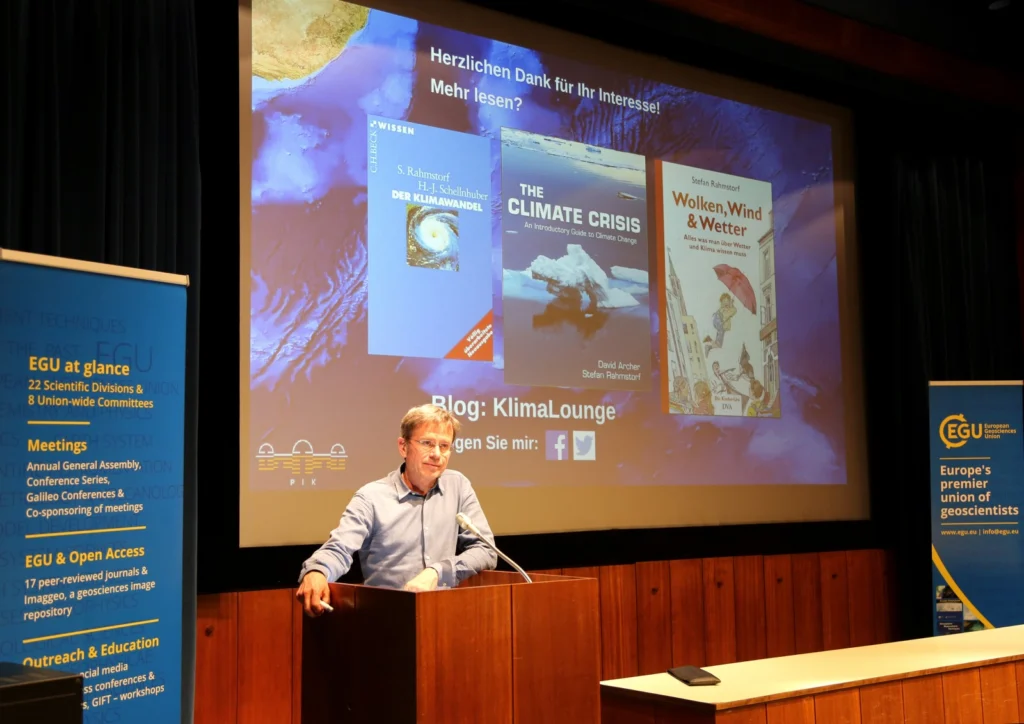
The inaugural EGU Public Lecture, titled ‘After Paris: Are we getting the climate crisis under control?’, took place last April at the 2018 General Assembly in the Natural History Museum of Vienna. In this first public lecture, Stefan Rahmstorf, a climate scientist at the Potsdam Institute for Climate Impact Research in Germany, took the audience on a fascinating journey through the climate system ...[Read More]
Plate Tectonics and Ocean Drilling – Fifty Years On
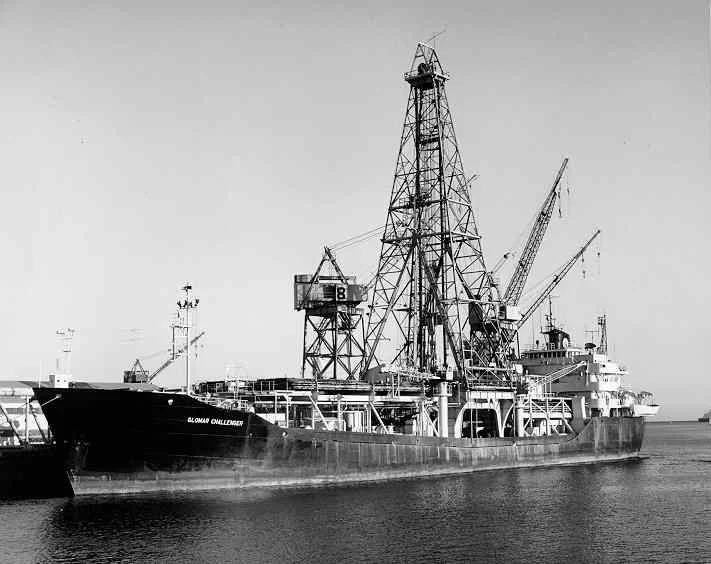
What does it take to get a scientific theory accepted? Hard facts? A strong personality? Grit and determination? For many Earth Scientists today it can be hard to imagine the academic landscape before the advent of plate tectonics. But it was only fifty years ago that the theory really became cemented as scientific consensus. And the clinching evidence was found in the oceans. Alfred Wegener had p ...[Read More]
Wildfires in the wake of climate change
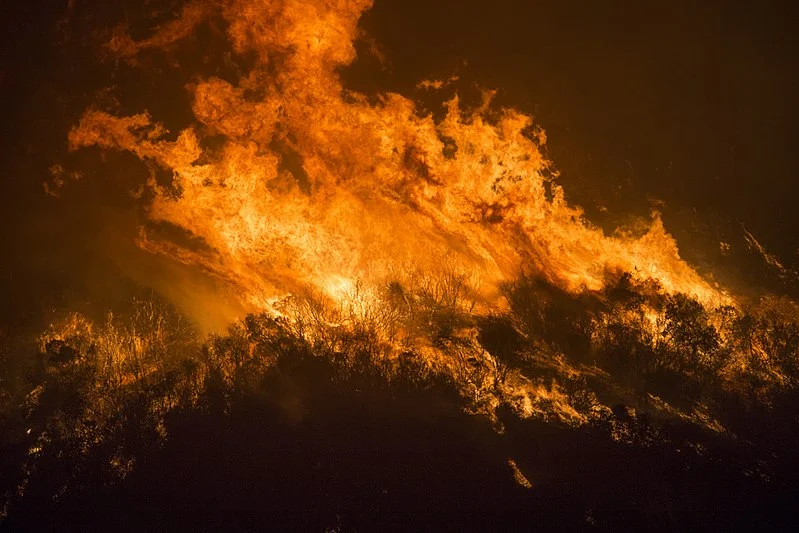
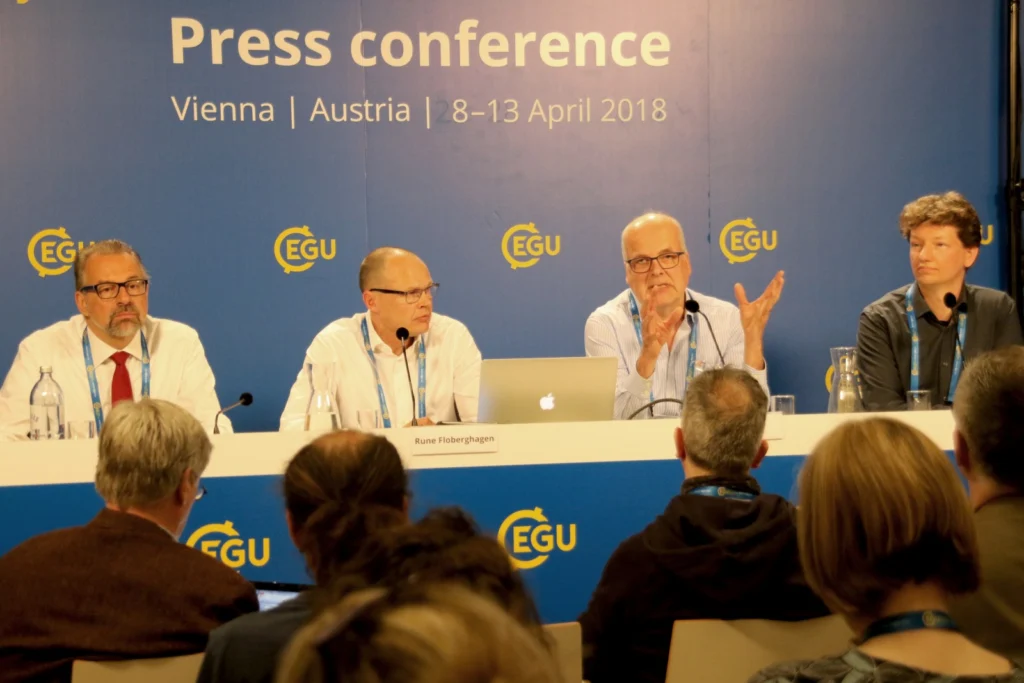
Last year saw some of the biggest blazes in history, and may be a sign of things to come. 2017 was a record year for wildfires. California and neighboring western states saw the most destructive fire in US history, with an estimated 18 billion dollars worth of damage over the season. In central Portugal, fires caused 115 deaths over the same period. Researchers presenting at a press conference at ...[Read More]
April GeoRoundUp: the best of the Earth sciences from the 2018 General Assembly
The 2018 General Assembly took place in Vienna last month, drawing more than 15,000 participants from 106 countries. This month’s GeoRoundUp will focus on some of the unique and interesting stories that came out of research presented at the Assembly. Mystery solved The World War II battleship Tirpitz was the largest vessel in the German navy, stationed primarily off the Norwegian coastline as a fo ...[Read More]
GeoPolicy: Scientific research in a changing European Union
Scientific research in a changing European Union The 2018 EGU General Assembly was a huge success. Not only was it the biggest yet (with over 15,000 participants) but it also held a large variety of Short Courses, Townhalls and Union Symposia that gave the scientists attending a chance to step out of their comfort zone and learn about something other than their area of expertise. One example of su ...[Read More]
A flood of attention: extreme weather and digital media
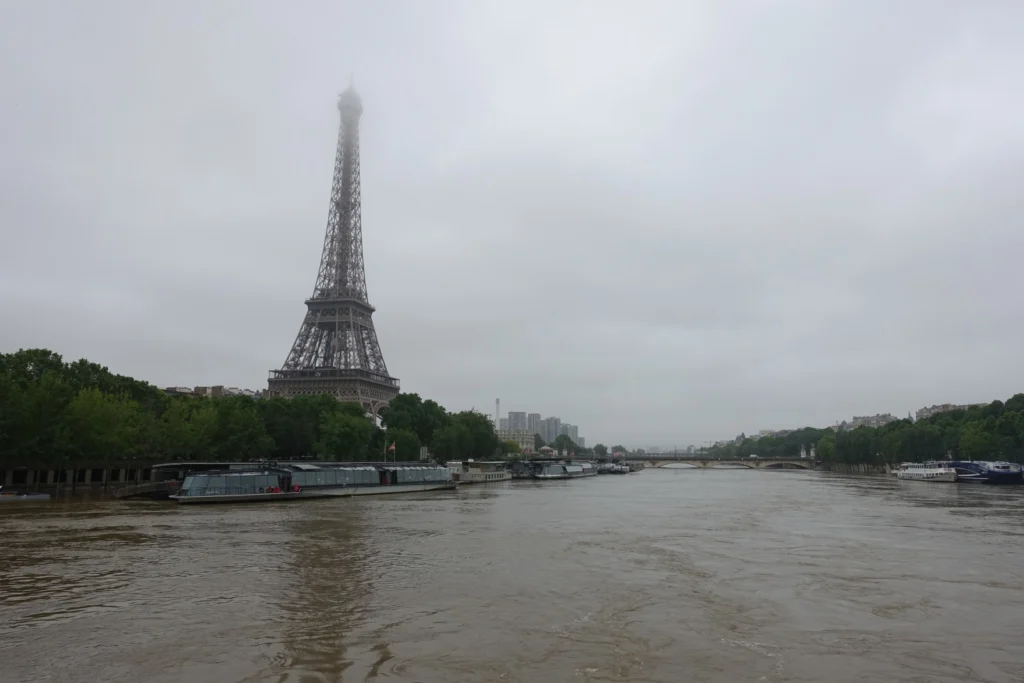
In June 2016, Paris was transformed. The River Seine burst its banks, submerging some of the nearby roads; floodwater lapped at the tops of street lamps and traffic lights. The event marked the the worst flooding in Paris for more than 30 years. When a flood event hits a major city, numerous researchers are keen to collect data for their work. However, Rosa Vicari, a PhD student at the the École d ...[Read More]