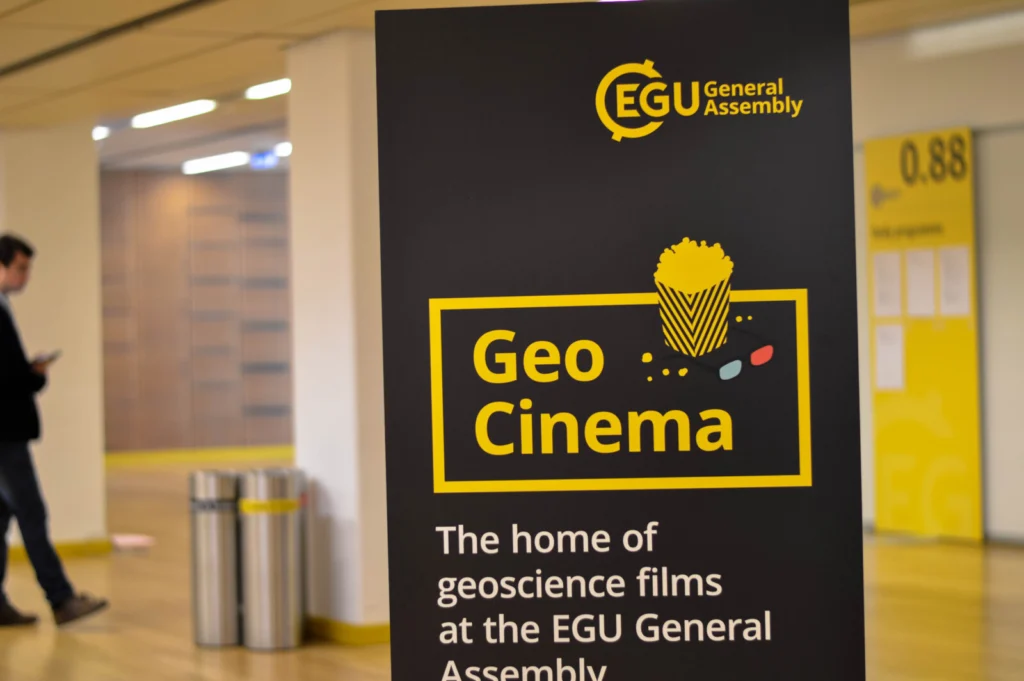
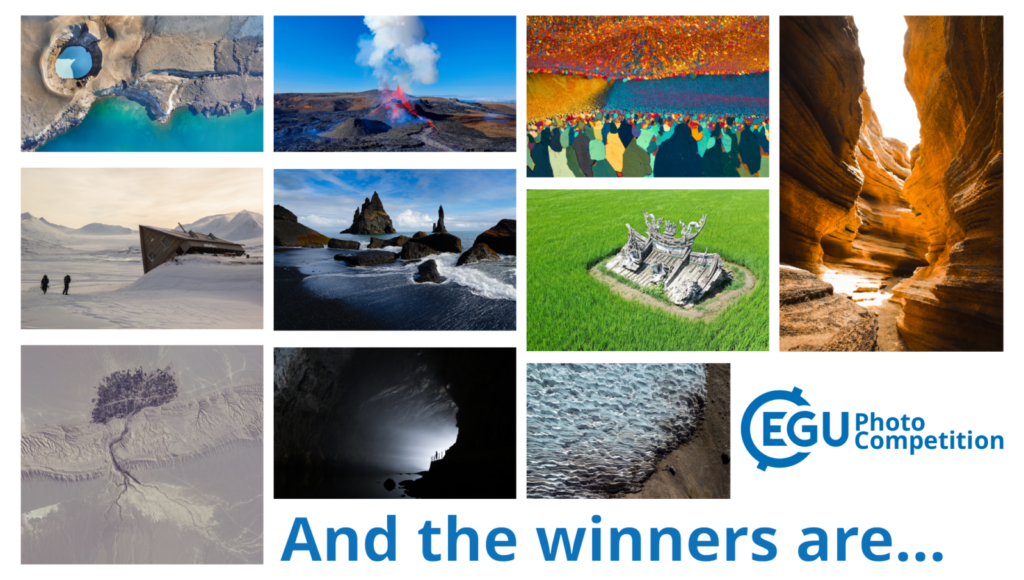
After a big success last year, GeoCinema is back for EGU26! As many of you know, doing science is very rarely just about the research, but also involves sharing that research in several forms and formats. For many talented researchers this means using films. Either working with a film-maker or creating something themselves, several of our EGU26 attendees submitted wonderful films this year, from s ...[Read More]
How to make the most out of your experience at EGU26 (part 2)
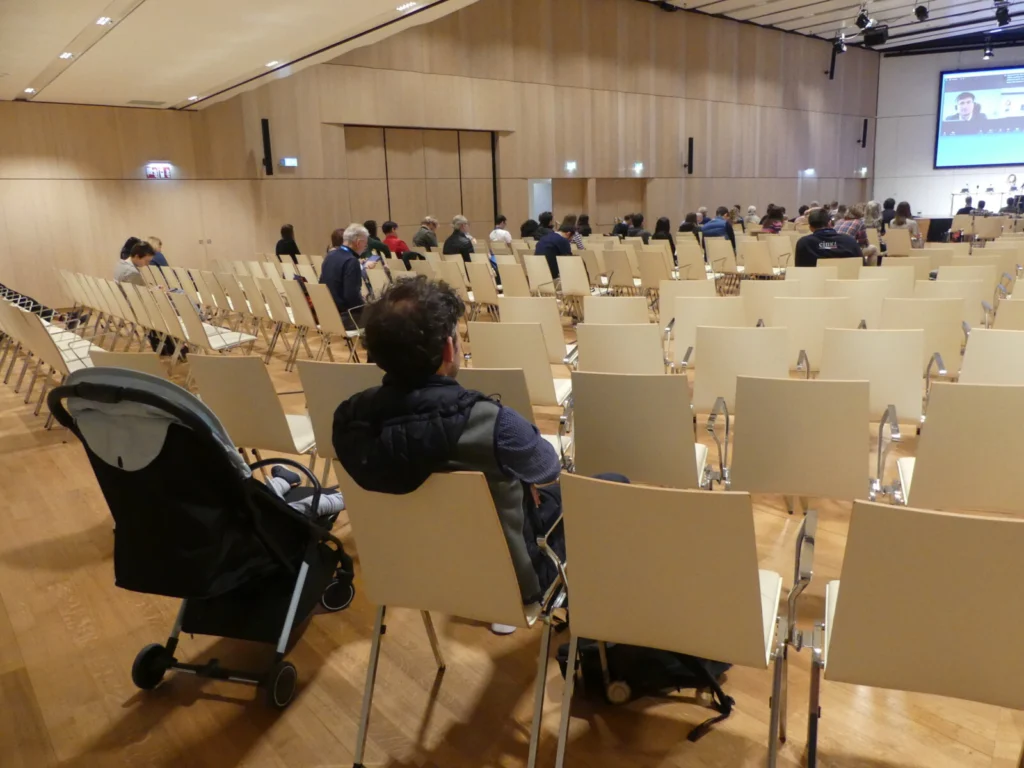
Presenting can be a big topic on its own, so I am about to share some essentials. Let’s suppose you have a talk: have its content completely ready at least a day before, practice it at least three times in full length, and once before you are in front of a real audience. If you don’t have a test audience, you can use a mirror. I know, this can sound embarrassing, and it does take time, ...[Read More]
A Geoscientist’s Colorful Journey from Research to Children’s Books
In today’s blog we’re having a chat with our very own Dr Lucia Perez-Diaz. As Lucia put it at the start of this year’s General Assembly, us scientists get to wear many “hats”, and she lives up to that statement. Besides a brilliant geoscientist, she is an incredible artist – also featured as last year’s artist in residence – and a budding press assistant! But more importantly, she is the author of ...[Read More]
Io: a spongy world consumed by molten rock
Jupiter’s moon Io is the most volcanically active world in our solar system, with hundreds of volcanoes that constantly erupt on its ever renewing surface. Although Io always points the same side toward Jupiter in its orbit around the gas giant, two other Galilean moons, Europa and Ganymede, pull Io’s orbit into an irregularly elliptical one. Thus, in its widely varying distances from ...[Read More]