Drawing inspiration from popular stories on our social media channels, as well as unique and quirky research news, this monthly column aims to bring you the best of the Earth and planetary sciences from around the web. Major story While May’s headlines may have been dominated by the Kilauea Volcano’s recent eruption in Hawaii, the science news world directed its attention to another volcanic ev ...[Read More]
How to convene a session at the General Assembly… in flow charts!
Convening a session at a conference can seem daunting, especially if you are an early career scientist (ECS) and a first-time convener. At the 2018 General Assembly, Stephanie Zihms, the Union-level ECS representative, discussed the basics of proposing, promoting and handling a session in the short course ‘How to convene a session at EGU’s General Assembly.’ In today’s post she has created s ...[Read More]
Give us the foundation to build our transferrable skills!
The EGU Early Career Scientists’ (ECS) Great Debates offer early career scientists at the EGU General Assembly the chance to network and voice their opinions on important topics in the format of round-table discussions. At the end of the debate, each table delivers a statement that summarises the discussion and recommendations. By publishing the results, we hope to highlight some of the needs of t ...[Read More]
Uploading your 2018 General Assembly presentation
This year it is, once again, possible to upload your oral presentations, PICO presentations and posters from EGU 2018 for online publication alongside your abstract, giving all participants a chance to revisit your contribution – hurrah for open science! Files can be in either PowerPoint or PDF format. Note that presentations will be distributed under the Creative Commons Attribution 4.0 License. ...[Read More]
Treat that brilliant early career scientist to an EGU award nomination
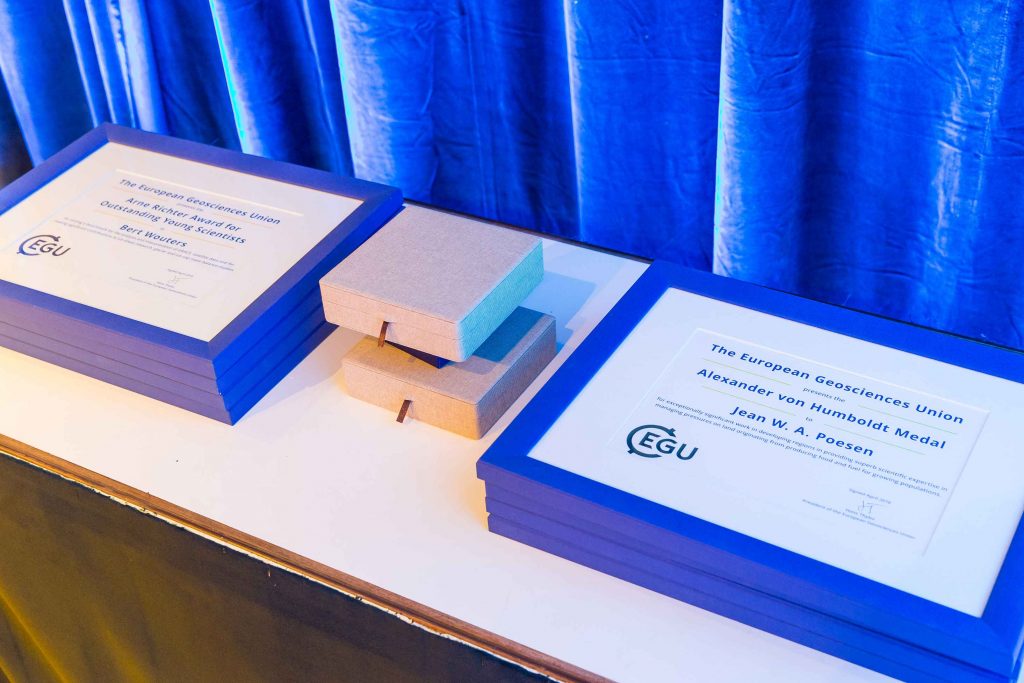
As a colleague or proud supervisor of postgraduate students and post-docs, there is a simple thing you can do to congratulate them on their excellence and research: nominate them for the one of the European Geosciences Union’s awards for outstanding early career scientists. The deadline is 15 June 2018, so now is the time to act. Putting early career researchers in the spotlight To credit research ...[Read More]
Plate Tectonics and Ocean Drilling – Fifty Years On
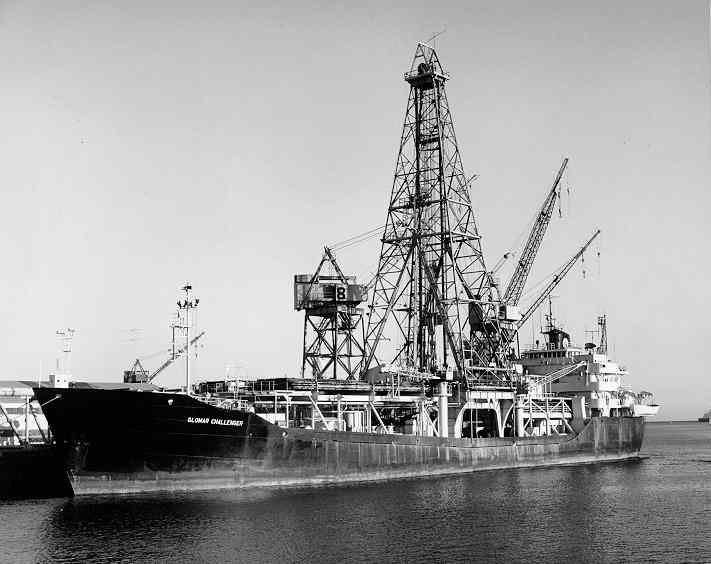
What does it take to get a scientific theory accepted? Hard facts? A strong personality? Grit and determination? For many Earth Scientists today it can be hard to imagine the academic landscape before the advent of plate tectonics. But it was only fifty years ago that the theory really became cemented as scientific consensus. And the clinching evidence was found in the oceans. Alfred Wegener had p ...[Read More]
GeoPolicy: Scientific research in a changing European Union
Scientific research in a changing European Union The 2018 EGU General Assembly was a huge success. Not only was it the biggest yet (with over 15,000 participants) but it also held a large variety of Short Courses, Townhalls and Union Symposia that gave the scientists attending a chance to step out of their comfort zone and learn about something other than their area of expertise. One example of su ...[Read More]
A flood of attention: extreme weather and digital media
In June 2016, Paris was transformed. The River Seine burst its banks, submerging some of the nearby roads; floodwater lapped at the tops of street lamps and traffic lights. The event marked the the worst flooding in Paris for more than 30 years. When a flood event hits a major city, numerous researchers are keen to collect data for their work. However, Rosa Vicari, a PhD student at the the École d ...[Read More]
General Assembly 2018 – Highlights
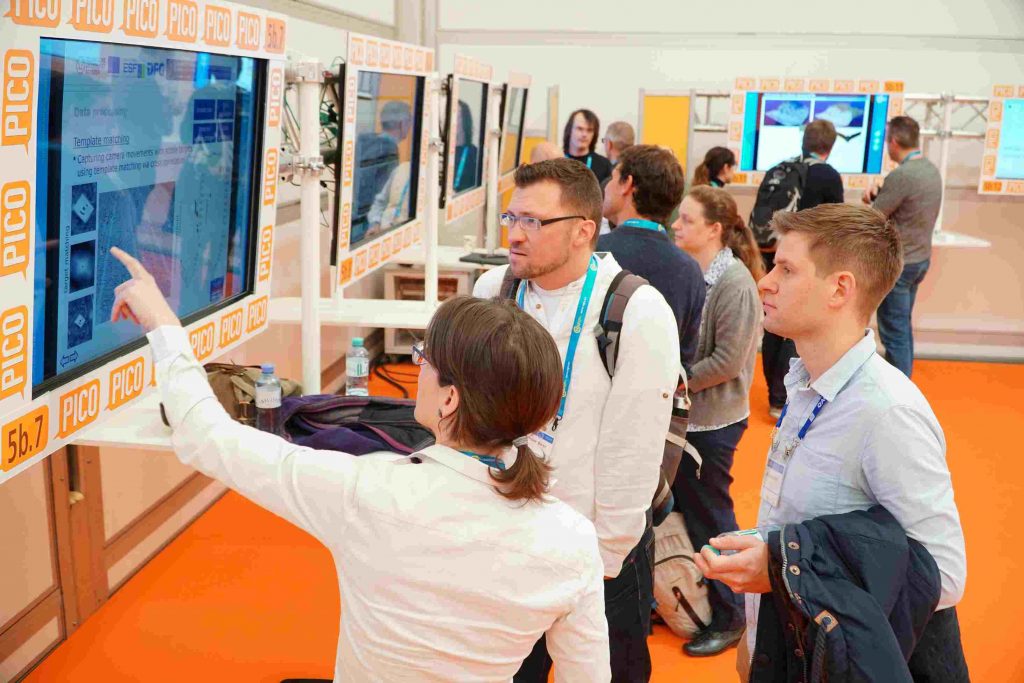
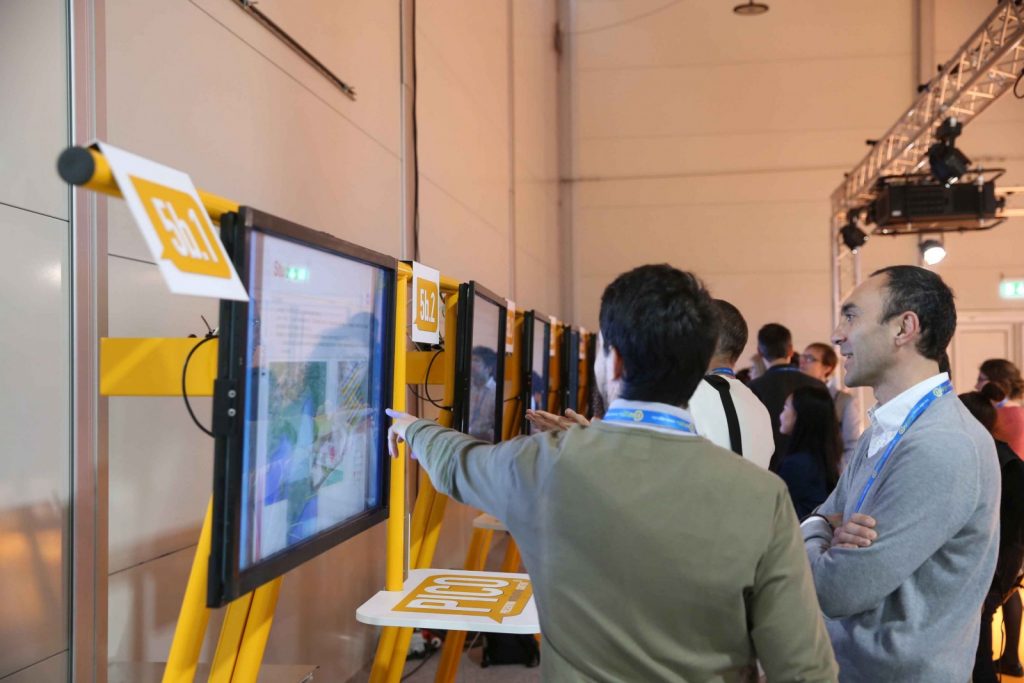
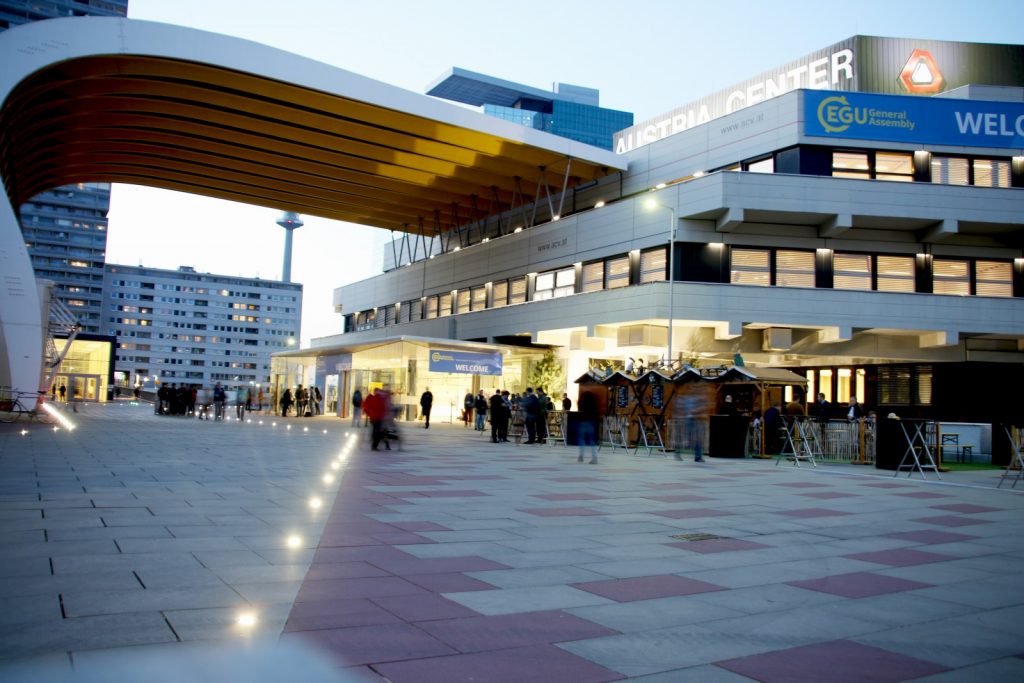
It’s been about two weeks since the EGU General Assembly 2018 in Vienna. The conference this year was a great success with 4,776 oral, 11,128 poster, and 1,419 PICO presentations. There were 666 unique scientific sessions, complimented by 68 short courses and 294 side events, making for an interesting and diverse programme. The conference brought together 15,075 scientists from 106 countries, 53% ...[Read More]
Underwater robot shares ocean secrets
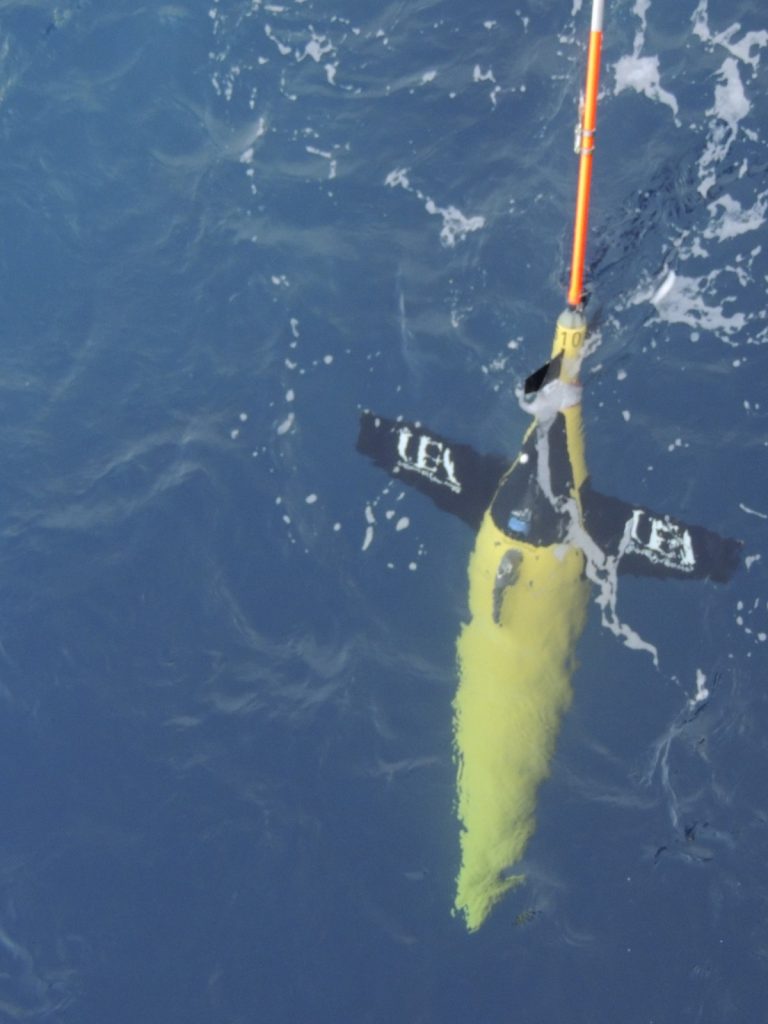
Buoyancy-driven drones are helping scientists paint a picture of the ocean with sound. Around the world, silent marine robots are eavesdropping on the ocean and its inhabitants. The robots can travel 1000 metres beneath the surface and cover thousands of kilometres in a single trip, listening in on the ocean as they go. These bright yellow bots, known as Seagliders, are about the size of a diver, ...[Read More]