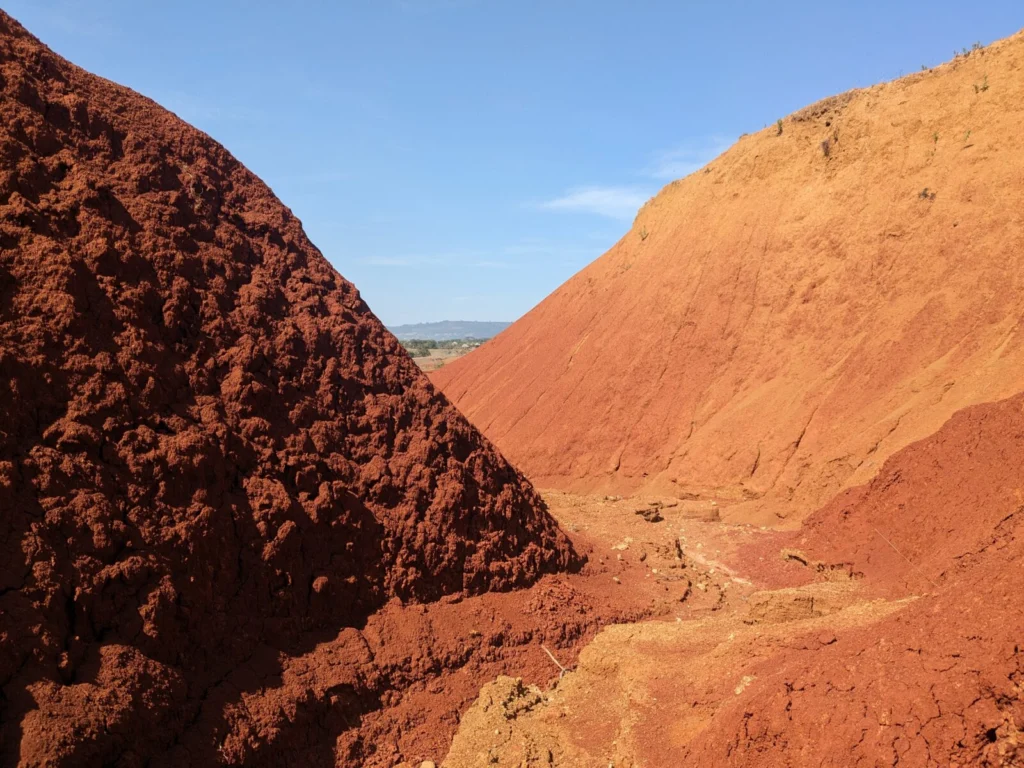
Happy International Soil Day (5 December)! Today, we’re celebrating the incredible capacity of soil organic carbon (SOC) to fight climate change. But hold the celebratory cake! A paper in the journal SOIL by Raza et al. (2025) has exposed an unexpected scientific blind spot, and it’s a bit surprising! The paper, titled “Missing the input: the underrepresentation of plant physiology in ...[Read More]
carbon
When nature isn’t “natural”: Reflections on World Wetlands Day
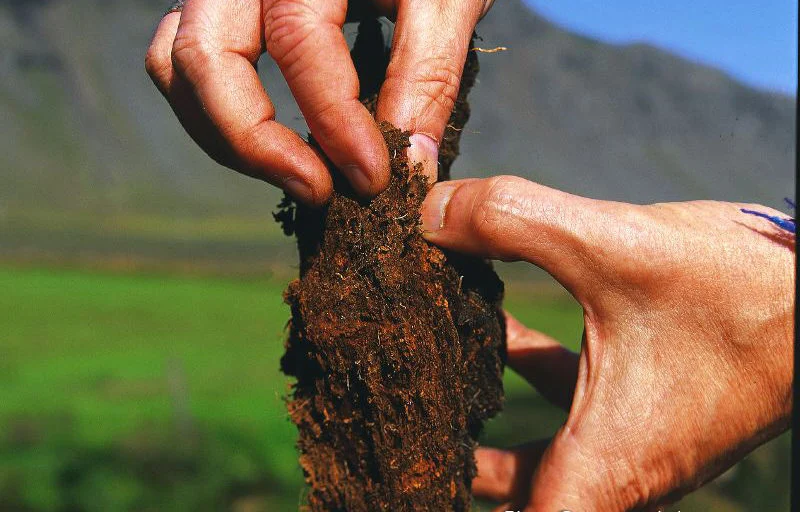
In 1821, peat cutters discovered a body similar to a mummy, pinned down by two wooden stakes deep in the mud. The body’s face still held red hair and a beard, their teeth were well preserved, and a hoop of willow was wrapped around their throat. But this wasn’t the dry, hot climate of Egypt but a cold and rain-sodden bog of Ireland. Later assessment suggested that these were the remain ...[Read More]
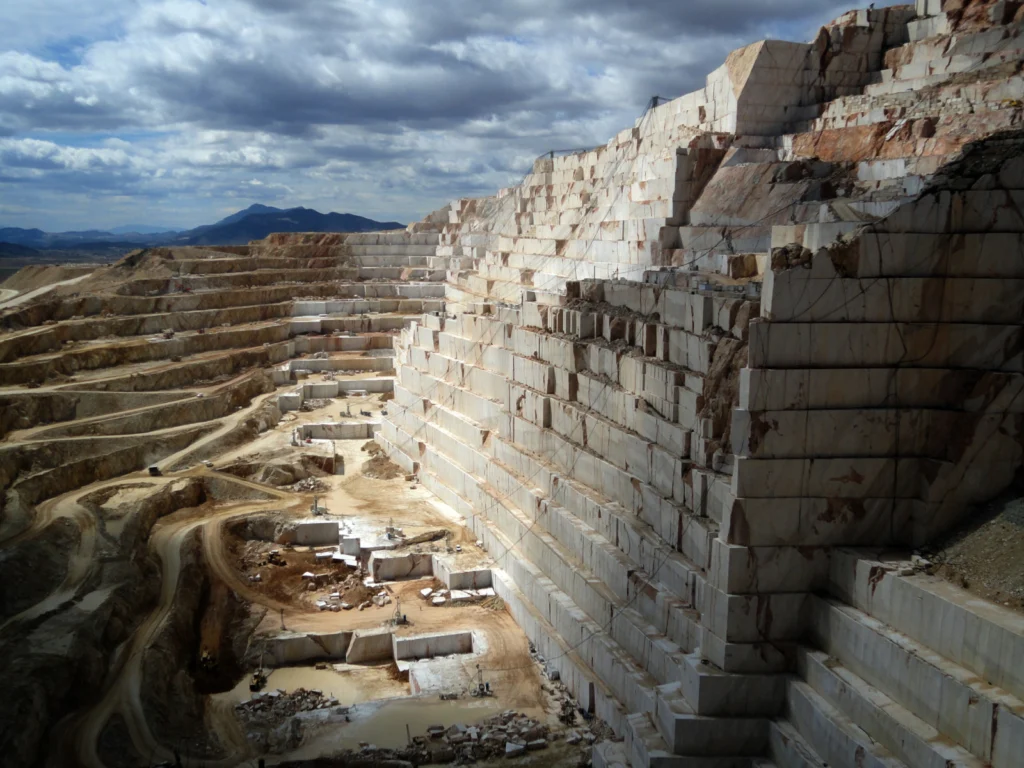
Imaggeo On Monday: Marble quarry west of Alicante, Spain
The largest marble quarry in Europe is located at Monte Coto next to Pinoso in the Spanish Alicante province. Here an Eocene limestone named “Crema Marfil” is exploited on a large scale. Photo by Christoph Mayr, as described on imaggeo.egu.eu. Imaggeo is the EGU’s online open access geosciences image repository. All geoscientists (and others) can submit their photographs ...[Read More]
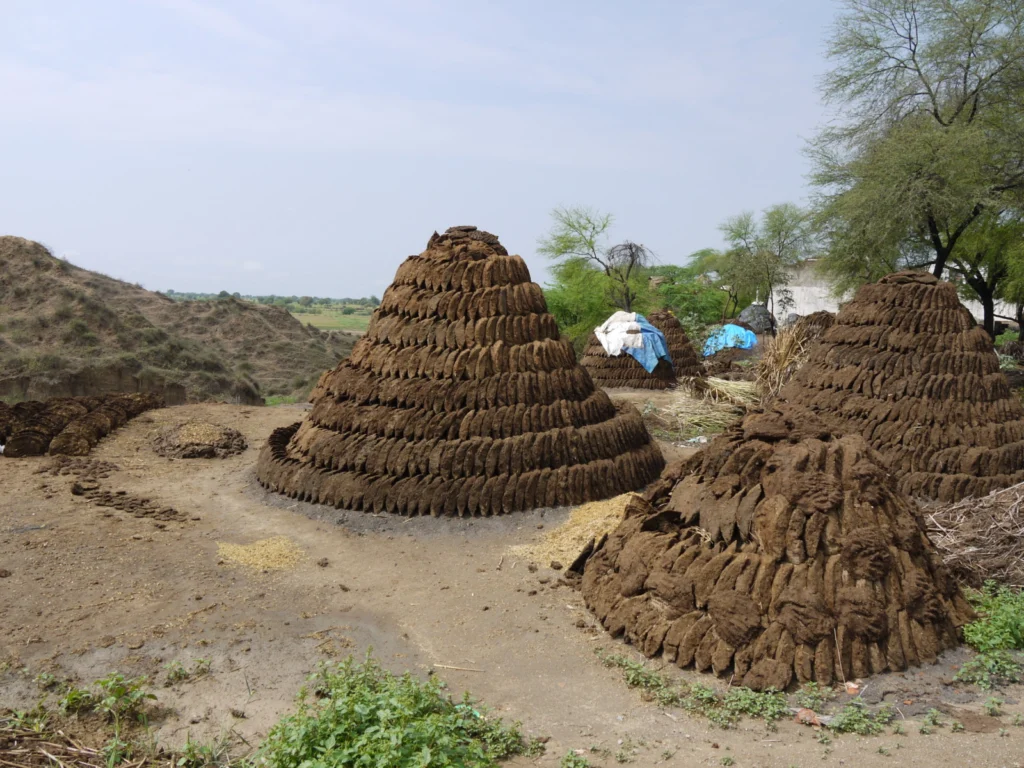
Imaggeo On Monday: Works of art – works of muck
Dung cakes made from buffalo manure are artfully piled up in a village in Madhya Pradesh. Used as fuel for cooking fires, they are a sustainable energy source in rural areas of India, but add to air pollution by biomass burning. Photo by Irene Marzolff, as described on imaggeo.egu.eu. Imaggeo is the EGU’s online open access geosciences image repository. All geoscientists (and others) ...[Read More]
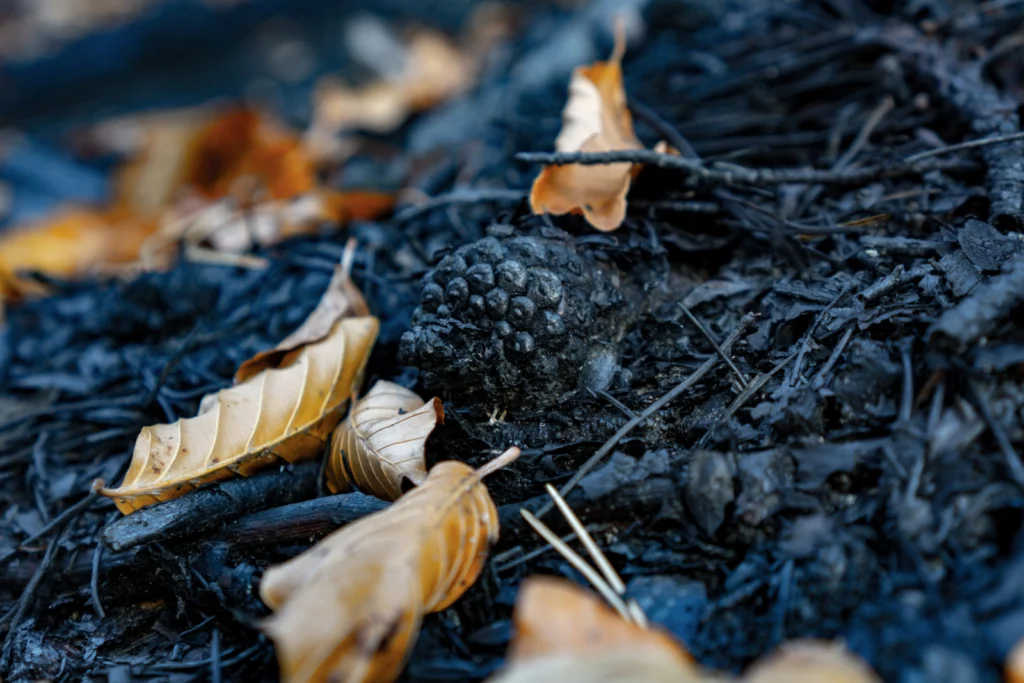
Imaggeo On Monday: Beech leaves on burned ground
A charred pine cone lies on the ground of a mixed beech-pine forest following a forest fire in the Rax-Schneeberg region of Austria in 2021. The charred pine cone and litter are surrounded by unburned yellow beech leaves that fell to the ground after the surface fire. Pyrogenic carbon such as the charred pine cone can remain stable in the environment for extended periods of time and can affect bio ...[Read More]
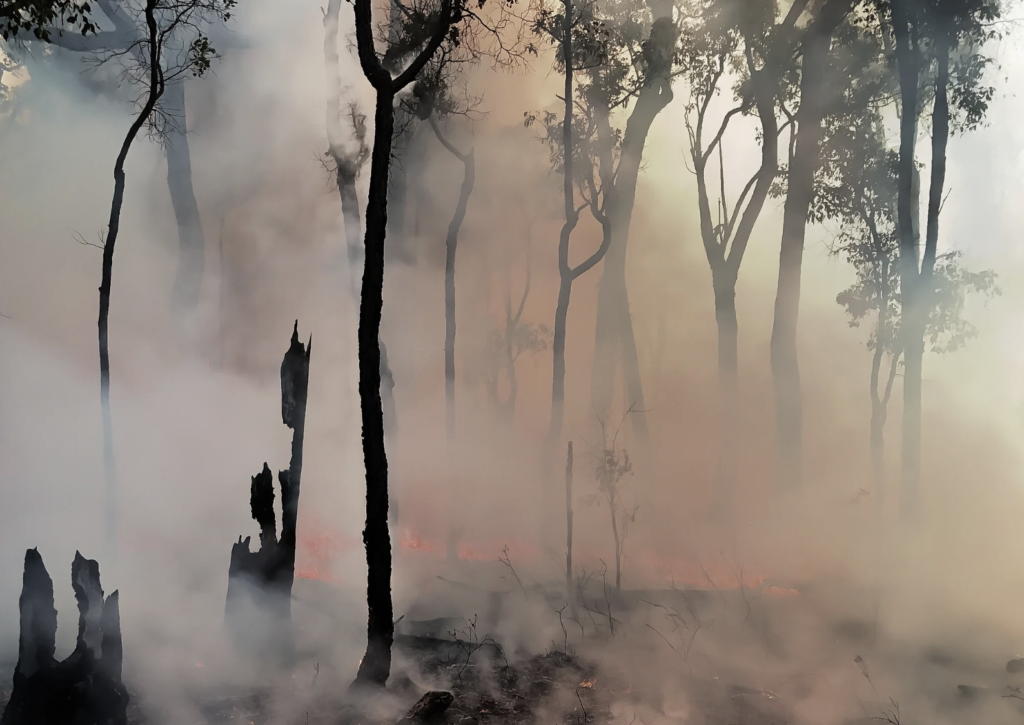
Imaggeo on Mondays: Setting trees aflame to understand the carbon balance of fires
Smoke clears after an experimental wildfire in Australian eucalyptus forest carried out for carbon balance estimations of wildfires. We meticulously measured the carbon in all leaves, twigs, logs and bark in a forest block about 35km east of Manjimup and then they set it on fire with help from the Dept. of Parks and Wildlife, [Western Australia]. We the counted the carbon all over again including ...[Read More]
Can the EU become carbon neutral by 2050? A new strategy from the EU!
On Wednesday 28 November 2018, the European Commission adopted a strategic long-term vision for a climate neutral economy (net-zero emissions) by 2050! A Clean Planet for All, tactically released ahead of the 24th Conference of the Parties (COP 24), which will be hosted in Katowice, Poland from 2-14 December, describes seven overarching areas that require action and eight different scenarios that ...[Read More]
October GeoRoundUp: the best of the Earth sciences from around the web
Drawing inspiration from popular stories on our social media channels, major geoscience headlines, as well as unique and quirky research, this monthly column aims to bring you the latest Earth and planetary science news from around the web. Major story In October, the UN Intergovernmental Panel on Climate Change (IPCC) released a landmark report and summary statement that detailed the severe conse ...[Read More]
Geosciences Column: The quest for life on Mars
Understanding where we come from and whether Earth is the only habitable planet in the Solar System has been a long standing conundrum in science. Partly because it is our nearest neighbour, partly because of its past and current similarities with our own home, Mars, the red planet, is a likely contender in the quest for extra-terrestrial life. In this guest blog post, James Lewis, a PhD student a ...[Read More]
Geosciences Column: Using tall trees to tot up tropical carbon
Forests in the tropics account for about half the above-ground carbon on Earth and as the trees grow older they are capable of storing more and more. In fact, their carbon-storing potential is so large that they are increasingly being viewed as a means of mitigating climate change. Take, for example, the United Nations effort to reduce degradation and deforestation by assigning value to forest car ...[Read More]