GeoLog

Aurora

Imaggeo on Mondays: Magnetic interaction
Imaggeo on Mondays: Magnetic interaction
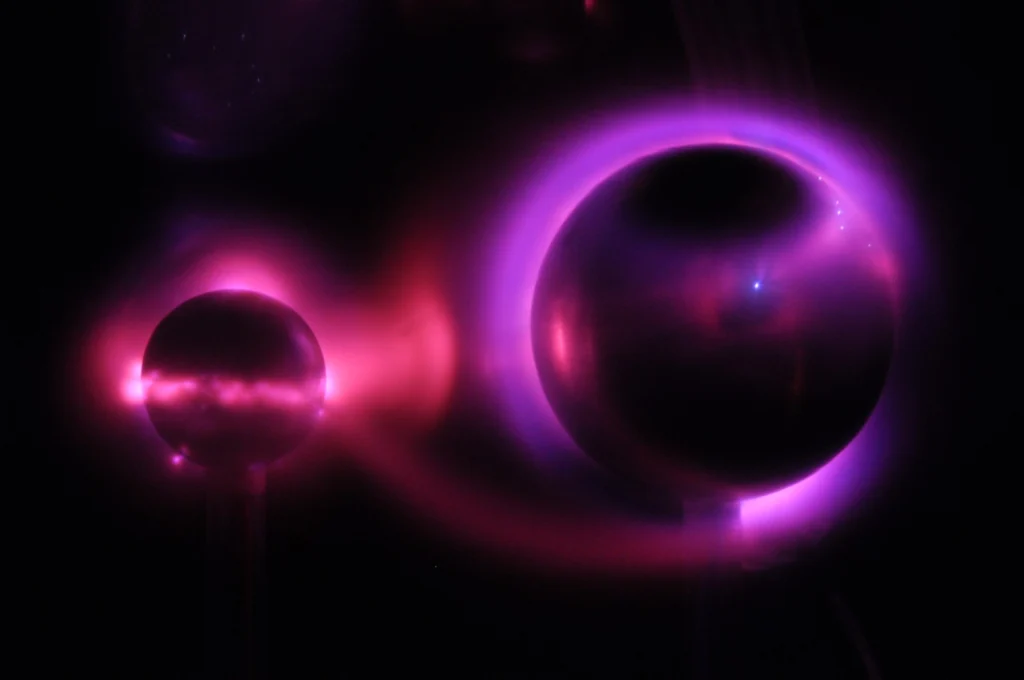
Space weather is a ubiquitous, but little known, natural hazard. Though not as tangible as a volcanic eruption, storm or tsunami wave, space weather has the potenital to cause huge economic losses across the globe. In Europe alone, the interaction of solar wind with our planet’s magnetosphere, ionosphere and thermosphere, could lead to disrutions to space-based telecommunications, broadcasti ...[Read More]

Imaggeo On Monday: Aurora Australis with Southern Cross and Pointer stars

Imaggeo On Monday: Aurora Australis with Southern Cross and Pointer stars

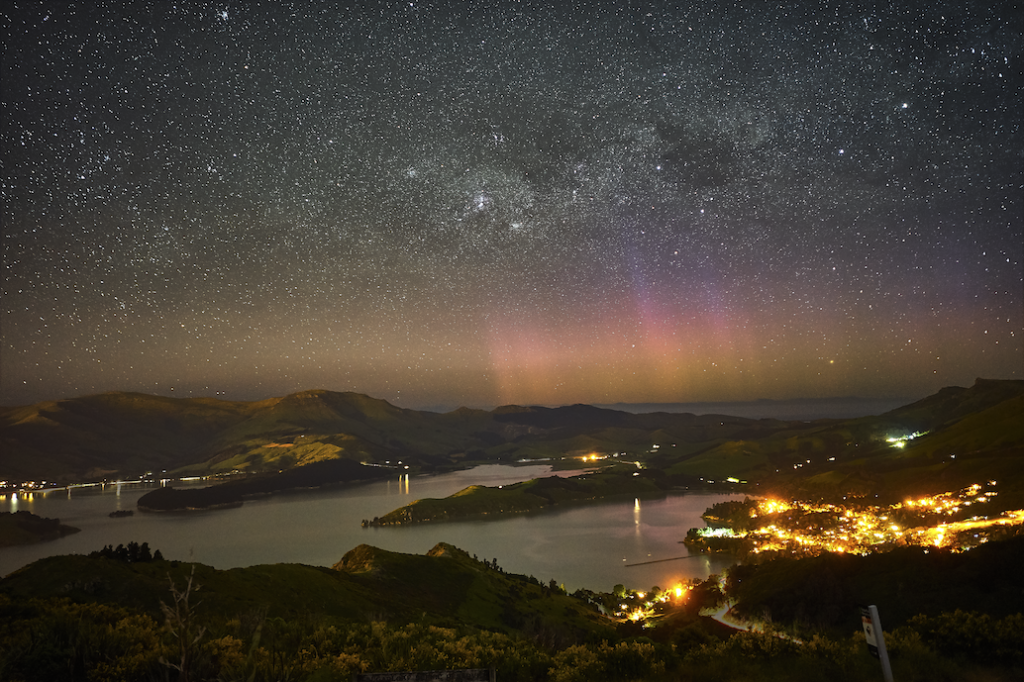
This view from the Port Hills of Christchurch in New Zealand glances South over Governors Bay into the distance, where an Aurora Australis is visible near the horizon. Almost in the center of the starry sky the Southern Cross with its 2 Pointer stars are showing prominently.   Description by Ulrich Schreiber, after the description on imaggeo.egu.eu.   Imaggeo is the EGU’s online open acc ...[Read More]

Imaggeo on Mondays: The Tempest

Imaggeo on Mondays: The Tempest

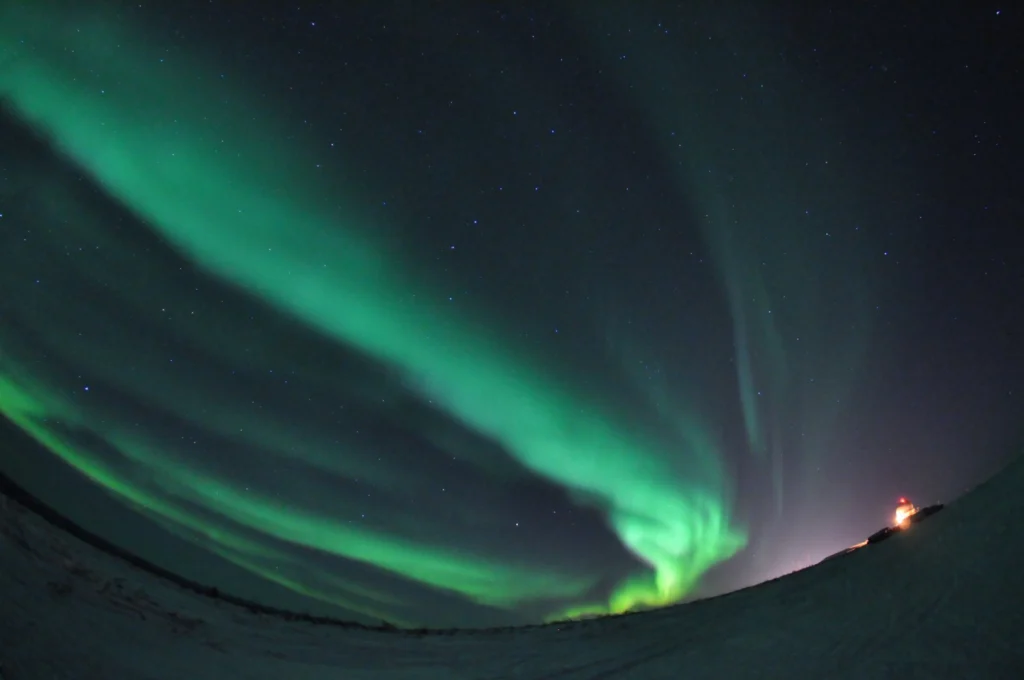
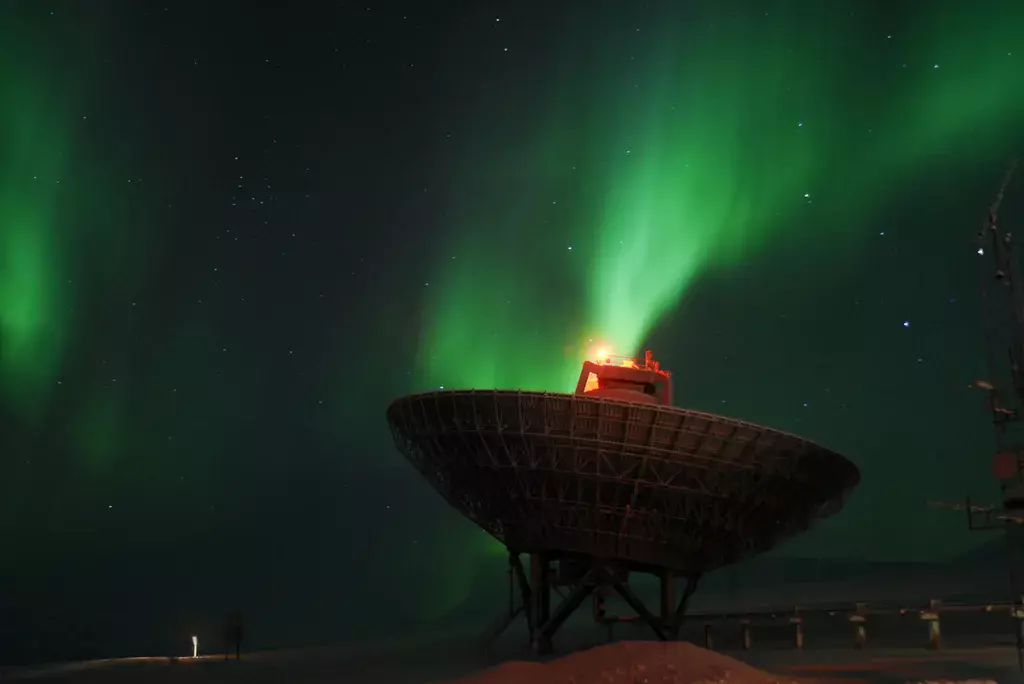
Measuring the aurora. This picture was taken while doing an optical/radar coordinated campaign in Svalbard, Norway, near the settlement of Longyearbyen. In this campaign, we were measuring for the first time the polarisation of the auroral ‘red line’ of atomic oxygen with a photopolarimeter and were running the radars in order to have a better understanding of the state of the ionosphe ...[Read More]

Imaggeo on Mondays: How do Earth’s Northern Lights form?

Imaggeo on Mondays: How do Earth’s Northern Lights form?

Aurora Borealis, which means Northern Lights are caused by electrically charged particles from the sun, which enter the Earth’s atmosphere and collide with gases such as oxygen and nitrogen. When the charged particles are blown towards the Earth by the solar wind, they are largely deflected by the Earth’s magnetic field. However, the Earth’s magnetic field is weaker at the poles and therefore some ...[Read More]

Imaggeo on Mondays: Magnetic interaction
Imaggeo on Mondays: Magnetic interaction
Space weather is a ubiquitous, but little known, natural hazard. Though not as tangible as a volcanic eruption, storm or tsunami wave, space weather has the potenital to cause huge economic losses across the globe. In Europe alone, the interaction of solar wind with our planet’s magnetosphere, ionosphere and thermosphere, could lead to disrutions to space-based telecommunications, broadcasti ...[Read More]

Geosciences column: Making aurora photos taken by ISS astronauts useful for research

Geosciences column: Making aurora photos taken by ISS astronauts useful for research

It’s a clear night, much like any other, except that billions of kilometers away the Sun has gone into overdrive and (hours earlier) hurled a mass of charged particles, including protons, electrons and atoms towards the Earth.  As the electrons slam into the upper reaches of the atmosphere, the night sky explodes into a spectacular display of dancing lights: aurora. Aurora remain shrouded in myste ...[Read More]

Imaggeo on Mondays: A single beam in the dancing night lights

Imaggeo on Mondays: A single beam in the dancing night lights

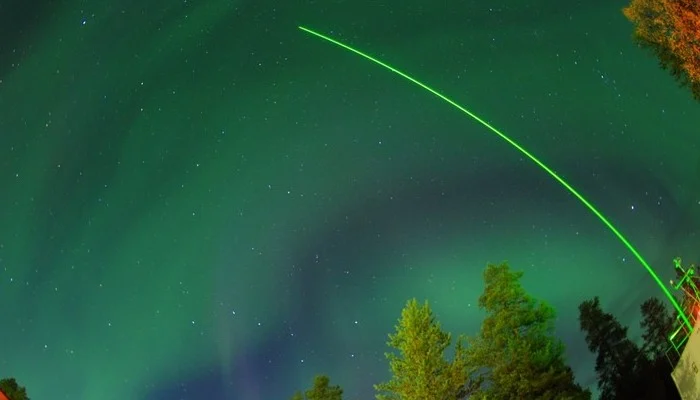
Research takes Earth scientists to the four corners of globe. So, if you happen to have a keen interest in photography and find yourself doing research at high latitudes, chances are you’ll get lucky and photograph the dancing night lights: aurora (or northern lights), arguably one of the planet’s most breath taking natural phenomenon. That is exactly the position Matias Takala, a researcher at th ...[Read More]

GeoTalk: Beate Humberset

GeoTalk: Beate Humberset

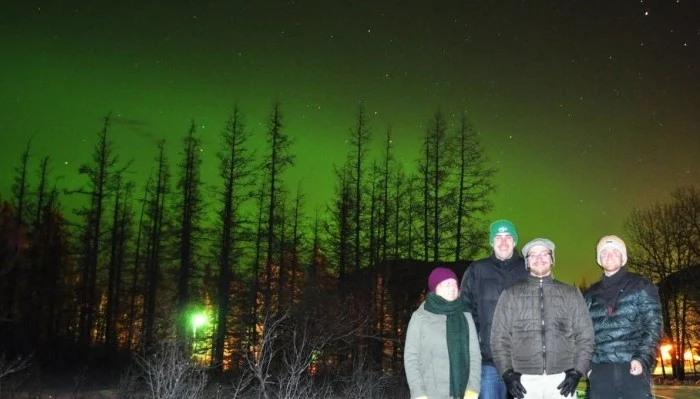
In this edition of Geotalk, the regular feature were we highlight the work and achievements of early career researchers, we are talking to Beate Humberset, the winner of the Outstanding Student Poster (OSP) Award for the Solar- Terrestrial Sciences Division (ST) in 2013. In addition, Beate is the Young Scientist Representative for the ST Division so we will also touch upon her responsibilities in ...[Read More]