
GeoLog

aurora borealis

Imaggeo on Mondays: Magnetic interaction
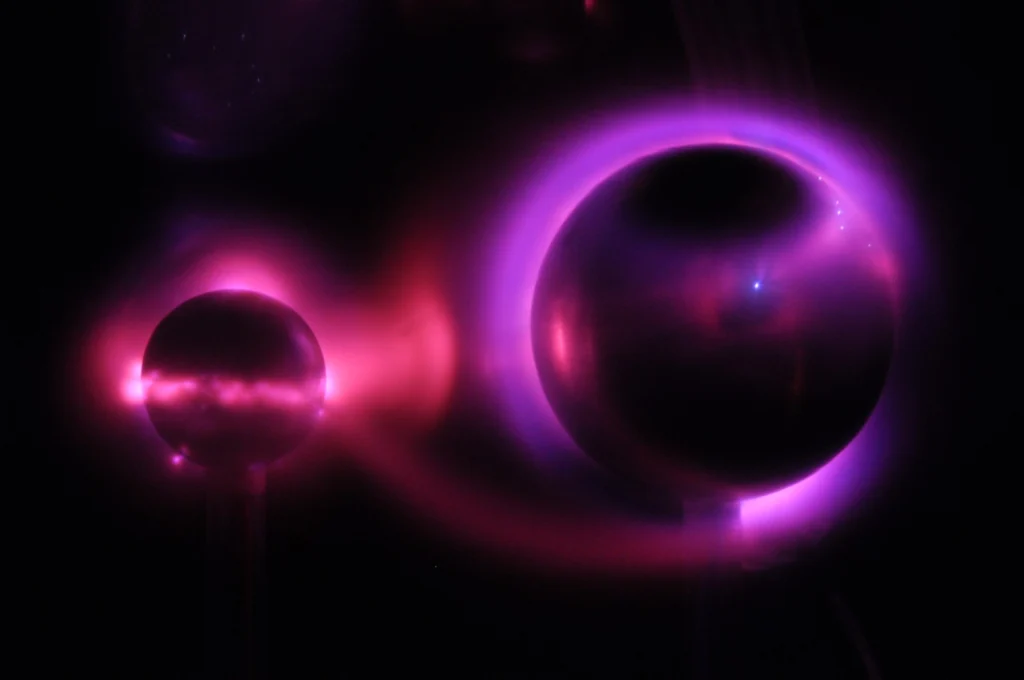
Imaggeo on Mondays: Magnetic interaction
Space weather is a ubiquitous, but little known, natural hazard. Though not as tangible as a volcanic eruption, storm or tsunami wave, space weather has the potenital to cause huge economic losses across the globe. In Europe alone, the interaction of solar wind with our planet’s magnetosphere, ionosphere and thermosphere, could lead to disrutions to space-based telecommunications, broadcasti ...[Read More]

Imaggeo on Mondays: How do Earth’s Northern Lights form?

Imaggeo on Mondays: How do Earth’s Northern Lights form?

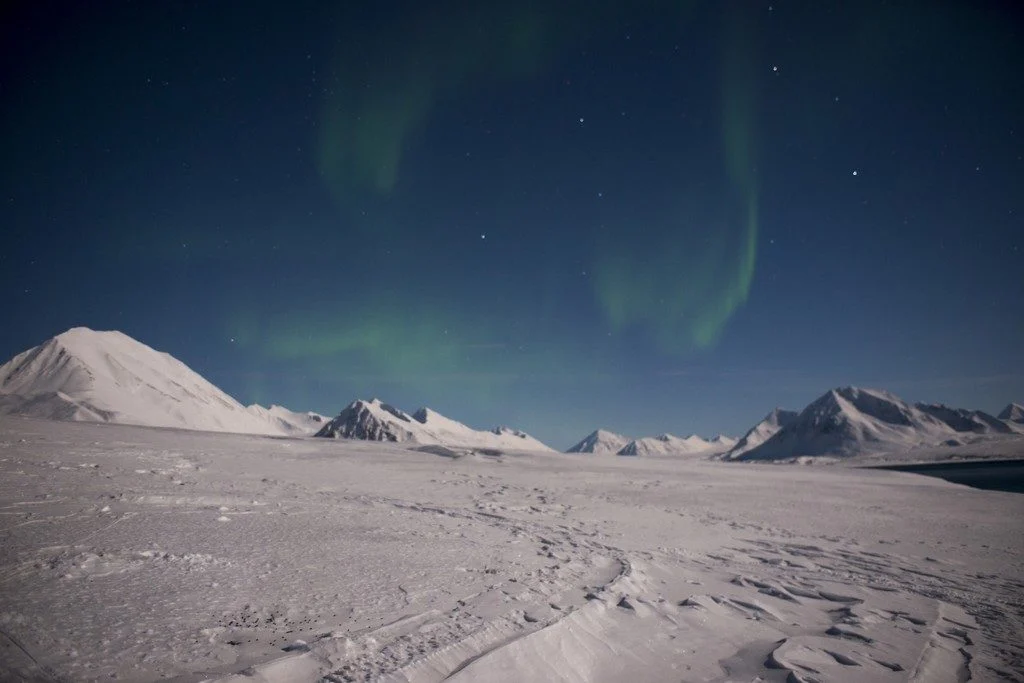
Aurora Borealis, which means Northern Lights are caused by electrically charged particles from the sun, which enter the Earth’s atmosphere and collide with gases such as oxygen and nitrogen. When the charged particles are blown towards the Earth by the solar wind, they are largely deflected by the Earth’s magnetic field. However, the Earth’s magnetic field is weaker at the poles and therefore some ...[Read More]

Imaggeo on Mondays: Northern lights in northern Norway

Imaggeo on Mondays: Northern lights in northern Norway

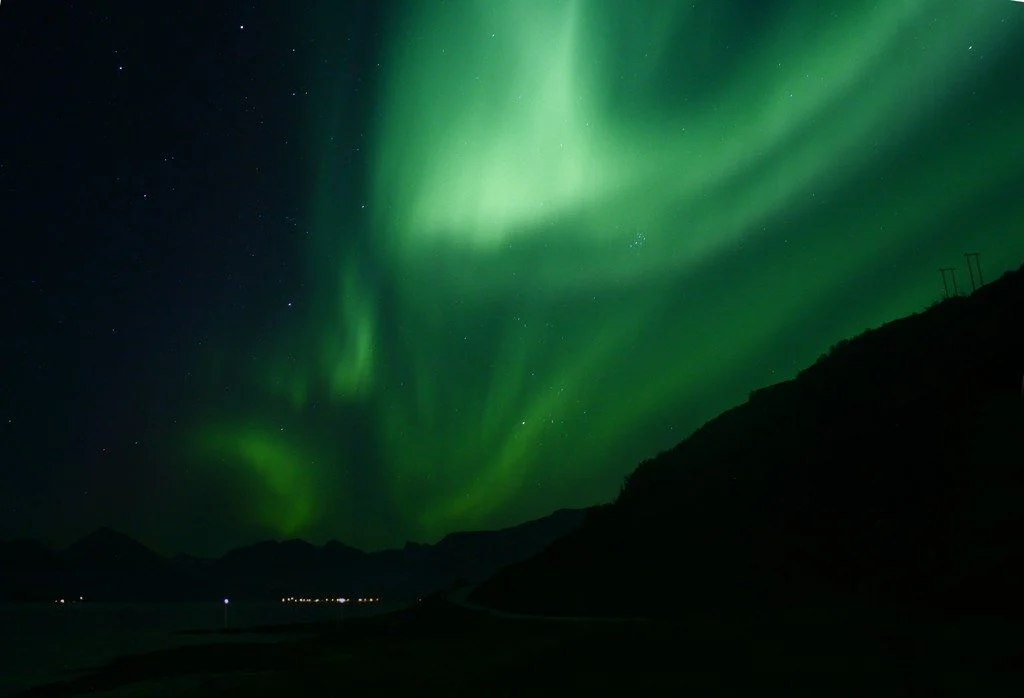
Northern lights in Tromsø, displaying the collisions between electrically charged particles from the sun which penetrate the earth’s magnetic shield and strike atoms and molecules in our atmosphere. Collisions excite the atoms causing electrons to move to higher-energy orbits, further away from the nucleus. When electrons move back to lower-energy orbits, they release particles of light call ...[Read More]

Imaggeo on Mondays: Magnetic interaction
Imaggeo on Mondays: Magnetic interaction
Space weather is a ubiquitous, but little known, natural hazard. Though not as tangible as a volcanic eruption, storm or tsunami wave, space weather has the potenital to cause huge economic losses across the globe. In Europe alone, the interaction of solar wind with our planet’s magnetosphere, ionosphere and thermosphere, could lead to disrutions to space-based telecommunications, broadcasti ...[Read More]

Geosciences column: Making aurora photos taken by ISS astronauts useful for research

Geosciences column: Making aurora photos taken by ISS astronauts useful for research

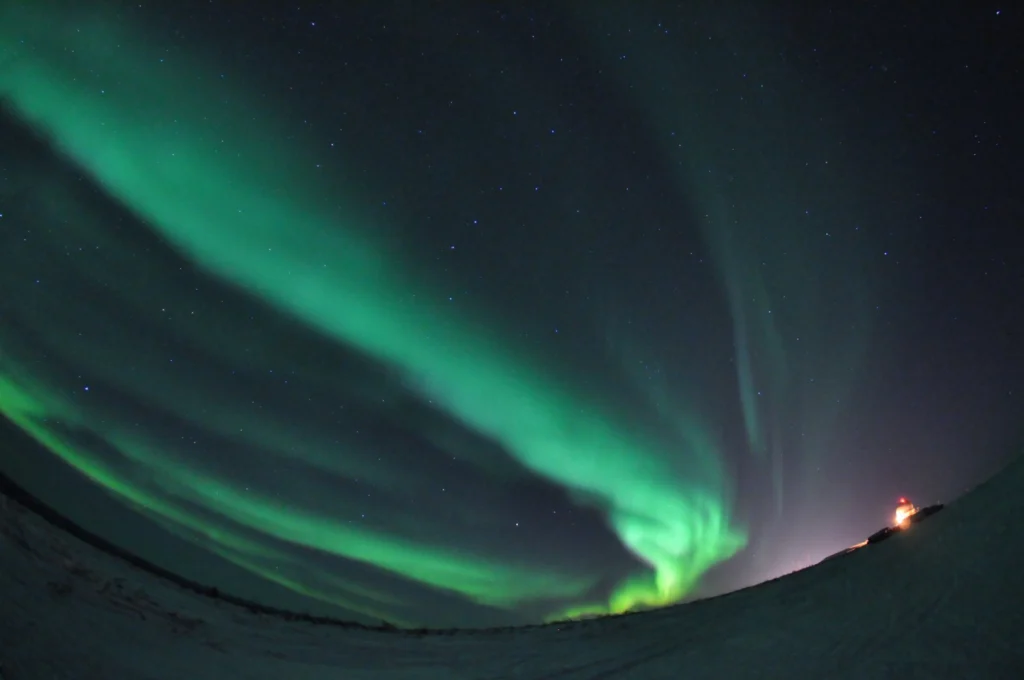
It’s a clear night, much like any other, except that billions of kilometers away the Sun has gone into overdrive and (hours earlier) hurled a mass of charged particles, including protons, electrons and atoms towards the Earth.  As the electrons slam into the upper reaches of the atmosphere, the night sky explodes into a spectacular display of dancing lights: aurora. Aurora remain shrouded in myste ...[Read More]

Imaggeo on Mondays: Light fantastic – flashing phenomena in Norway’s night sky

In this week’s Imaggeo on Mondays, Bjørn Gitle Hauge – from Østfold University College – opens our eyes to the astounding aurora borealis, and the unusual phenomena seen in Norway’s night sky… Hessdalen is a former mining district in the middle of Norway with huge ores of copper and mineshafts up to a kilometre deep. The climate here is sub-Arctic, with temperatures reaching as low as -50 de ...[Read More]

Imaggeo on Mondays: Capturing the aurora

The northern lights, or aurora borealis, are created as charged particles interact with the Earth’s atmosphere.  These electrons are part of the solar wind and as they pass through the Earth’s magnetic shield (the magnetosphere); the charged particles collide with those in our atmosphere, emitting light. In the southern hemisphere this phenomenon is known as the aurora australis, but both are caus ...[Read More]