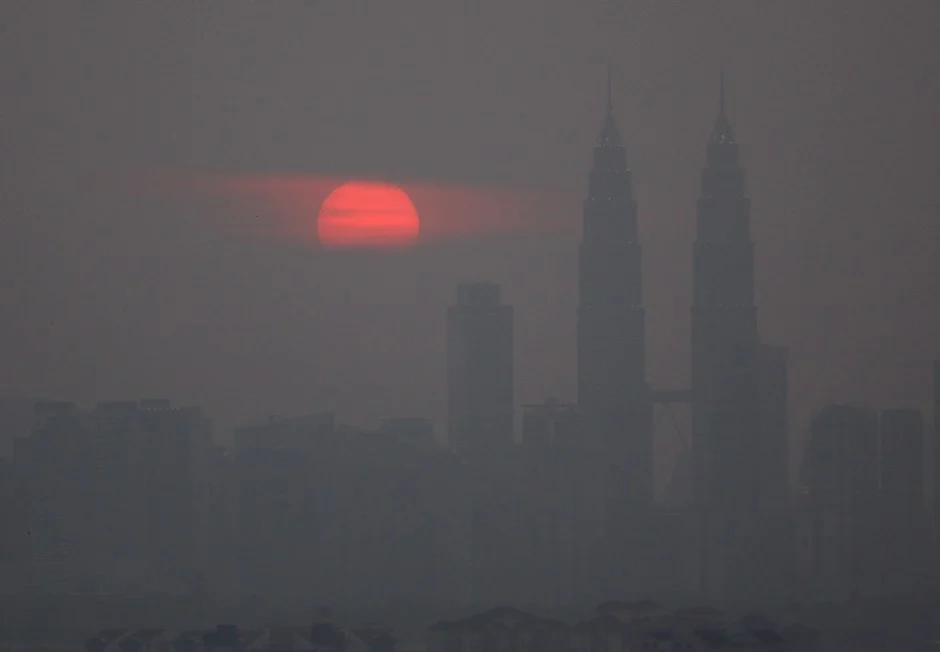
Around the world, societies have many different ways to define the seasons, but for most people a season is identified by a set of culturally specified events, such as the arrival of migratory birds, certain anticipated weather patterns, or a range of expected temperatures. Over recent years many studies have examined the various ways that anthropogenic climate change has affected the way that our ...[Read More]
GeoSciences Column: Catch of the day – what seabirds can tell us about the marine environment
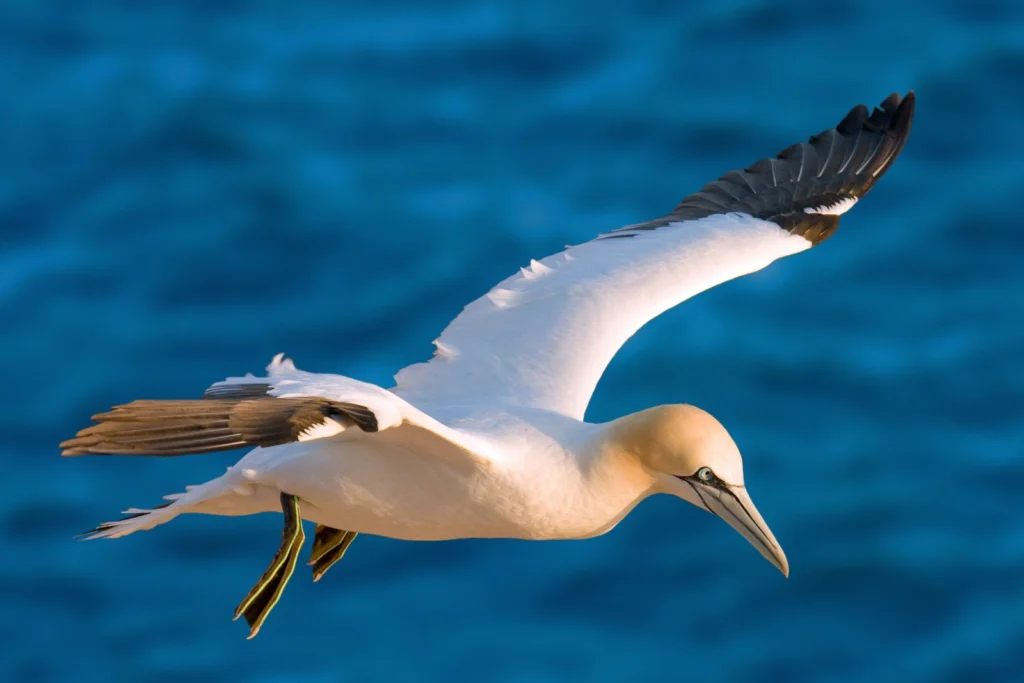
Off the coast of Germany, a male northern gannet (for ease, we’ll call him Pete) soars above the cold waters of the North Sea. He’s on the hunt for a shoal of fish. Some 40km due south east, Pete’s mate and chick await, patiently, for him to return to the nest with a belly full of food. Glints of silver just below the waves; the fish have arrived. Pete readies himself. Body rigid, wings tucked in ...[Read More]
Geosciences Column: Pollen tells a 7300 year old story of Malta’s climate and vegetation
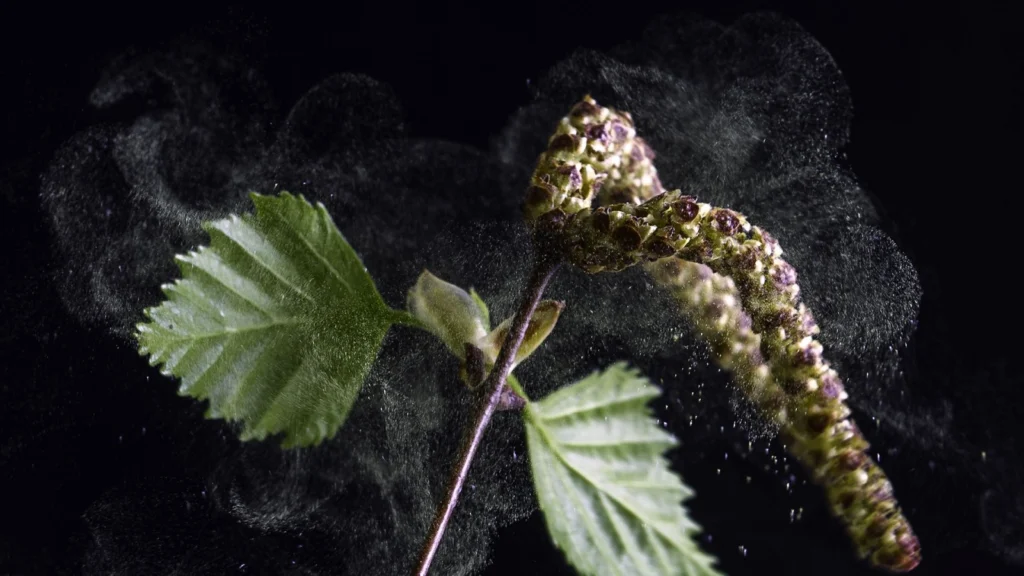
Figuring out what the climate was like, and how it changed, throughout Earth’s history is like trying to complete a 1000 piece puzzle. Except that scientists usually don’t have all the nuggets and building a comprehensive picture relies on a multidisciplinary approach in order to fill in the blanks. This is particularly true during the Holocene, which spans the last 11,700 years of the Earth’ ...[Read More]
Geosciences Column: Fire in ice – the history of boreal forest fires told by Greenland ice cores.
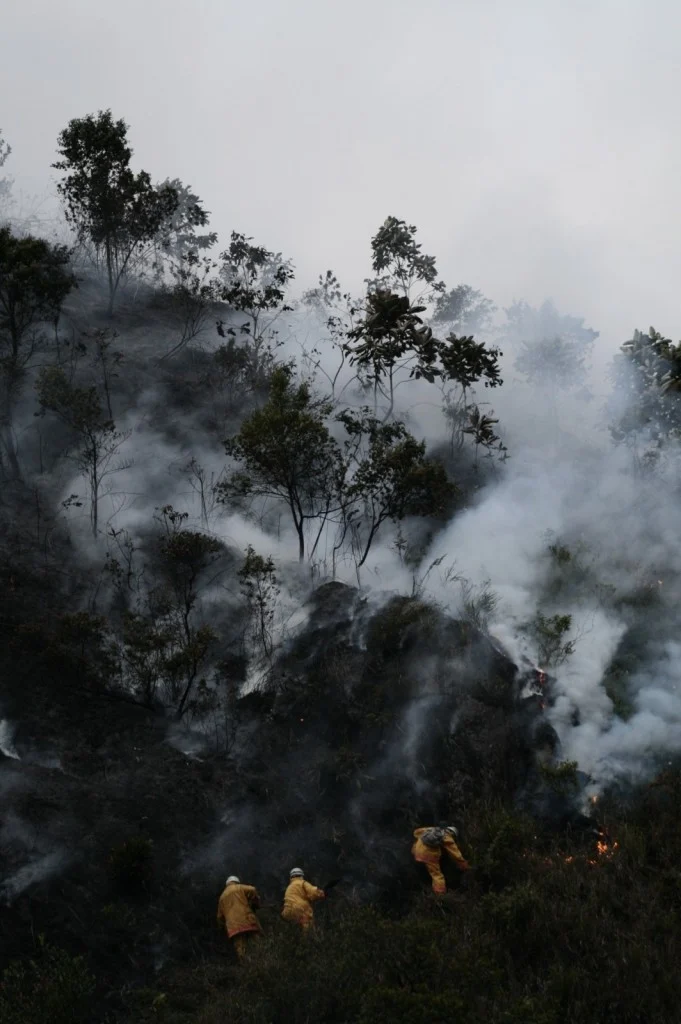
Burning of biomass contributes a significant amount of greenhouses gases to the atmosphere, which in turn influences regional air quality and global climate. Since the advent of humans, there has been a significant increase in the amount of biomass burning, particularly after the industrial revolution. What might not be immediately obvious is that, (naturally occurring) fires also play a part in e ...[Read More]
Geosciences Column: Is it possible to quantify the effect of natural emissions on climate?
The air we breathe is full of tiny particles that can have a big impact on our climate. Industrial activities have greatly increased the number of these particles, cooling the climate and potentially offsetting some of the warming due to greenhouse gases. In this post Kirsty Pringle introduces new research that suggests that it might not be possible to quantify the effect of industrial emissions o ...[Read More]