GeoLog

Antarctic

Imaggeo on Mondays: Antarctic winds make honeycomb ice
Imaggeo on Mondays: Antarctic winds make honeycomb ice
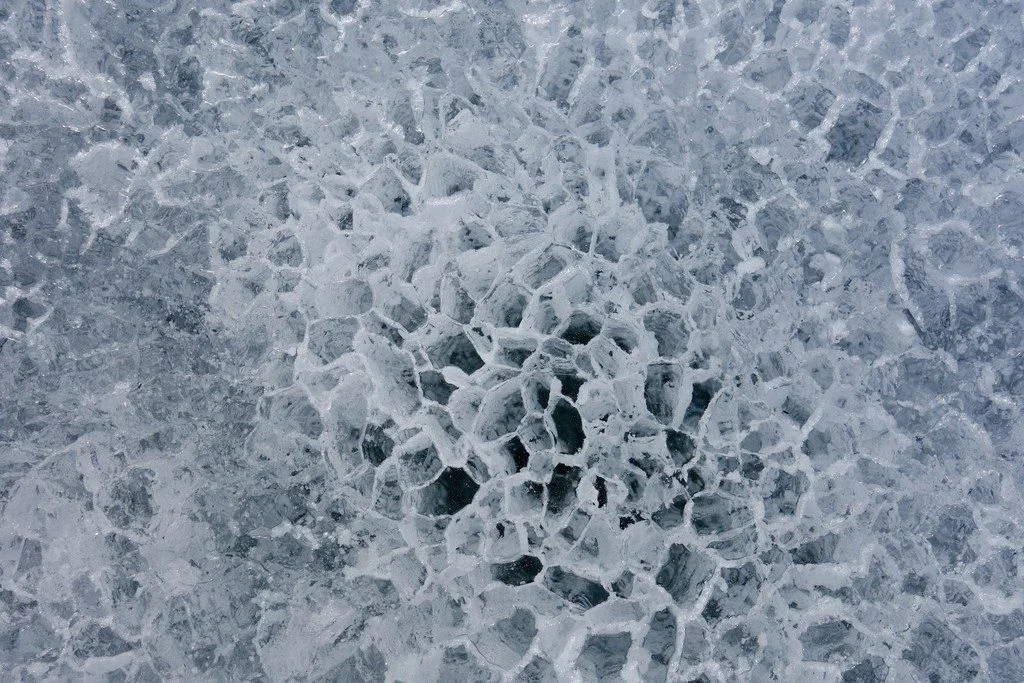
These delicate ice structures may look like frozen honeycombs from another world, but the crystalline patterns can be found 80 degrees south, in Antarctica, where they are shaped by the white continent’s windy conditions. In Western Antarctica is a 9-kilometre line of rocky ridges, called Patriot Hills. Often cold wind furiously descends from the hills across Horseshoe Valley glacier, sculpting do ...[Read More]

August GeoRoundUp: the best of the Earth sciences from around the web

August GeoRoundUp: the best of the Earth sciences from around the web

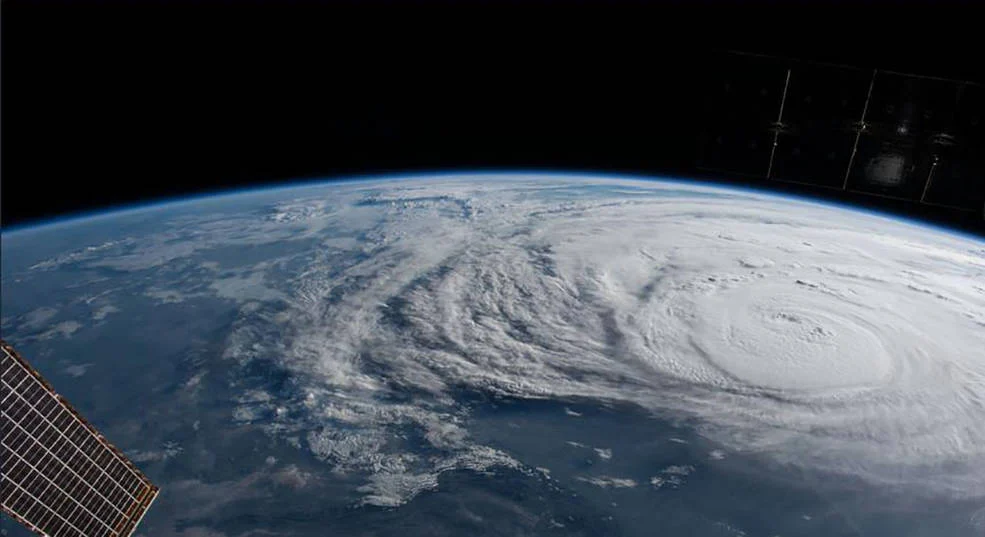
Drawing inspiration from popular stories on our social media channels, as well as unique and quirky research news, this monthly column aims to bring you the best of the Earth and planetary sciences from around the web. Major Stories On August 25th Hurricane Harvey made landfall along the southern coast of the U.S.A, bringing record breaking rainfall, widespread flooding and a natural disaster on a ...[Read More]

Imaggeo on Mondays: Iceberg at midnight

Imaggeo on Mondays: Iceberg at midnight

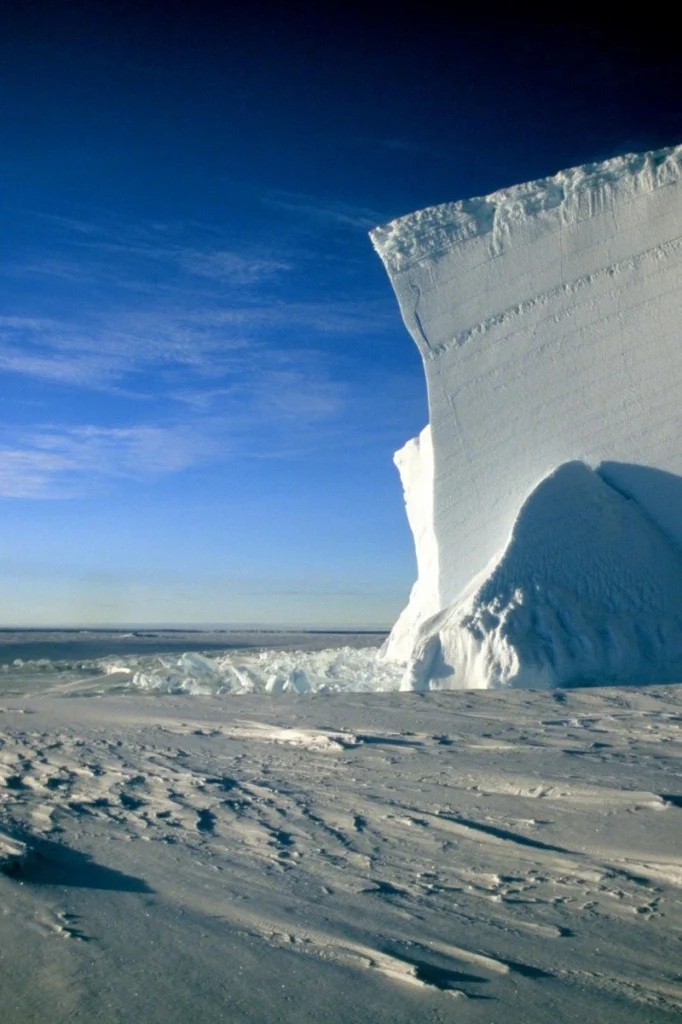
Standing on the vast expanse of gleaming white sea ice of the Atka Bay, Michael Bock took this stunning picture of an Antarctic iceberg. The days, during the Antarctic summer, are never ending. Despite capturing the image at midnight, Michael was treated to hazy sunlight. “Clearly visible [in the iceberg] are the annual snow accumulation layers which illustrate how the ice archive works.; as you l ...[Read More]

Geosciences column: Playing back the Antarctic ice records

Satellites are keeping tabs on the state of Arctic and Antarctic sea ice, and have observed considerable declines in ice extent in many areas since records began, but what do we know of past sea ice extent? Ice cores keep an excellent record of climate change, but until recently, ice cores have not been used to quantify patterns in past sea ice extent because few reliable compounds are preserved i ...[Read More]

Geosciences Column: Autofluorescence in polar regions – how and why?

Marine picoplankton, <2 µm, are one of the most ubiquitous fauna in the open ocean. These marine microorganisms are hugely important – being responsible for a significant proportion of oceanic net primary productivity. Researchers are able to track the evolution of their genomes and the transportation of these microorganisms by analysing ice cores, which offer the potential to study the evoluti ...[Read More]