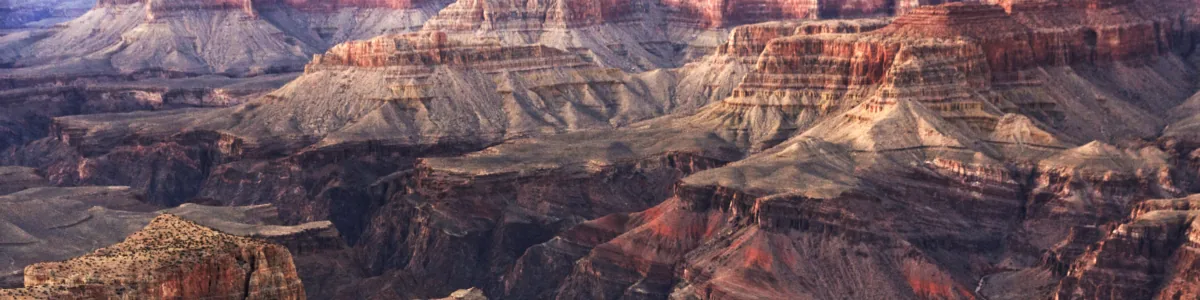
Detail of a photo: Maze of layered canyon walls and buttes in bands of red, cream and grey, receding into the distance in soft evening light.
GeoLog

GeoLog

EGU 2015: Get the Assembly mobile app!

EGU 2015: Get the Assembly mobile app!

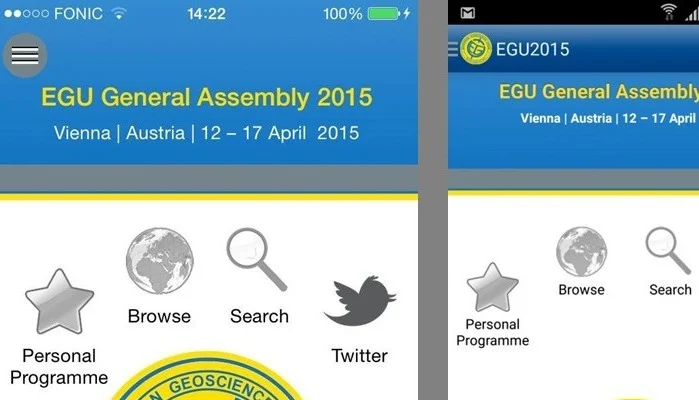
The EGU 2015 mobile app is now available for iPhones and Android smartphones. To download it, you can scan the QR code available at the General Assembly website or go directly to http://app.egu2015.eu on your mobile device. You will be directed to the version of the EGU 2015 app for your particular smartphone, which you can download for free. …[Read More]

Imaggeo on Mondays: Escullos

Imaggeo on Mondays: Escullos

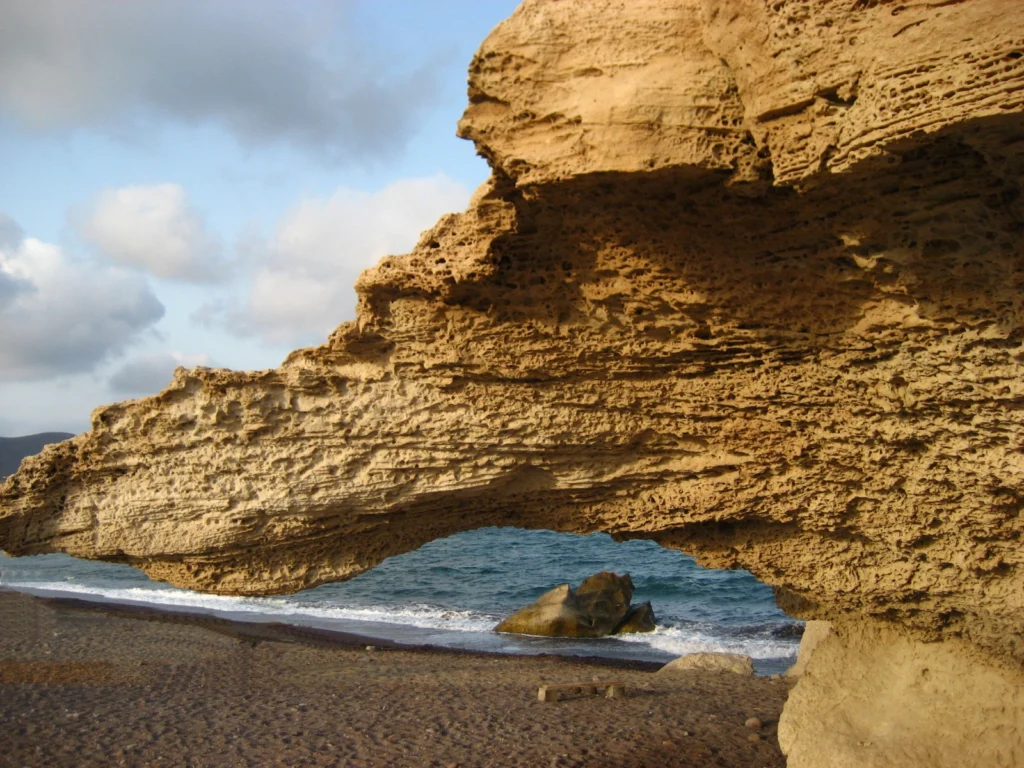
This picture shows a Quaternary aeolianite fossil dune at the Escullos beach, in the Nature Reserve of Cabo de Gata (Almeria, Spain). Originally a soft accumulation of sand grains, shaped by the wind into large mounds and ridges, the dunes eventually turn into rock. As the sediments compact under their own pressure and expel any …[Read More]

Short courses at EGU 2015

Short courses at EGU 2015

This year there are more short courses than ever to choose from at the General Assembly. You can supercharge your scientific skills, broaden your base in science communication and pick up tips on how to boost your career – be it in academia or outside. Here’s a small selection of what’s in store at EGU …[Read More]

Imaggeo on Mondays: Retreating Glacier

Imaggeo on Mondays: Retreating Glacier

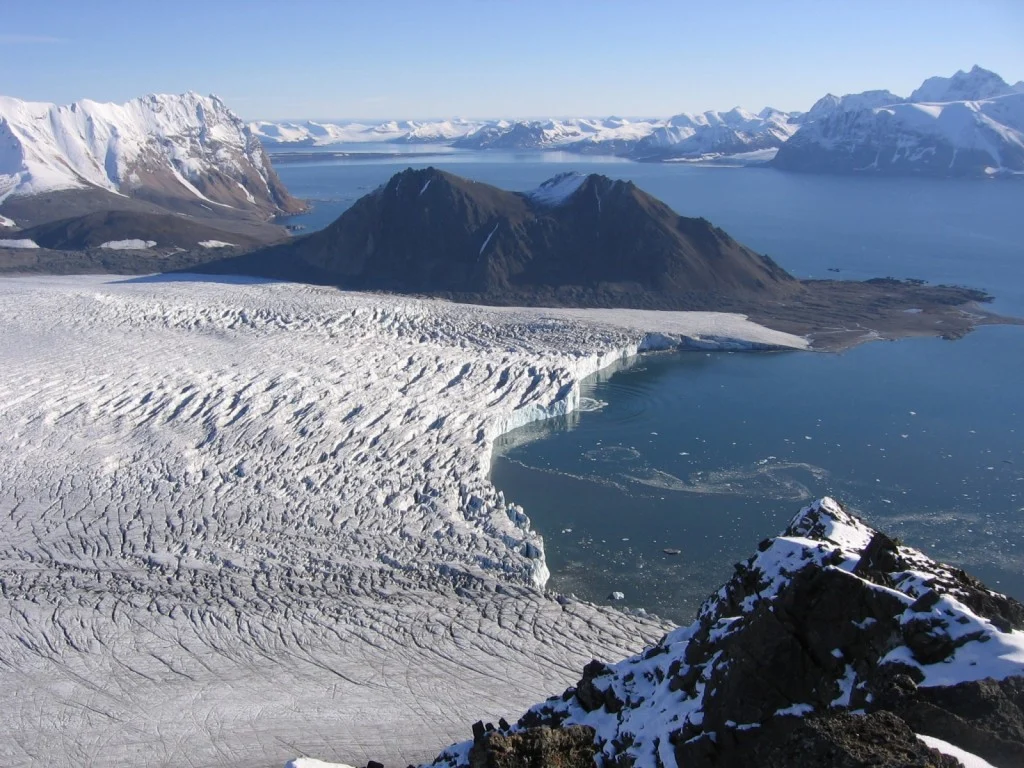
The Svalbard archipelago is considered to be one of the best places to study the geological history of the Earth because its rocks represent every geological period. This image shows a view from the peak of Fugleberget (569 m a. s. l.; 77º 00’ N, 15º 30’ E) on the south-western coast of the island …[Read More]

Imaggeo on Mondays: Pyroclastic flow, Montserrat

Imaggeo on Mondays:  Pyroclastic flow, Montserrat

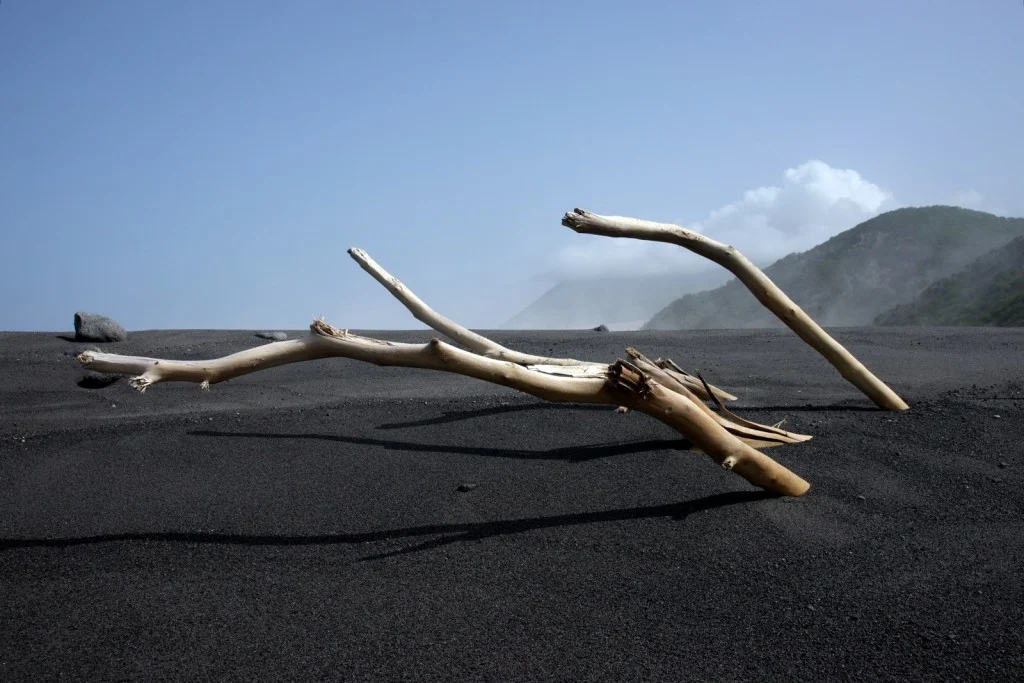
Below the warm and tranquil waters of the Caribbean, some 480 km away from Puerto Rico, the North America Plate is being subducted under the Caribbean Plate. This has led to the formation of the Lesser Antilles volcanic arc; the result of the formation of reservoirs of magma as fluids from the down going North …[Read More]

GeoEd: Education vs. Communication

GeoEd: Education vs. Communication

In this guest blog post, Sam Illingworth, discusses the perceived differences between science education and science communication in light of a recent publication on this very subject. If you are involved in either of these, we’d love to hear your opinions on how you think they differ (if at all) and how the approach to …[Read More]