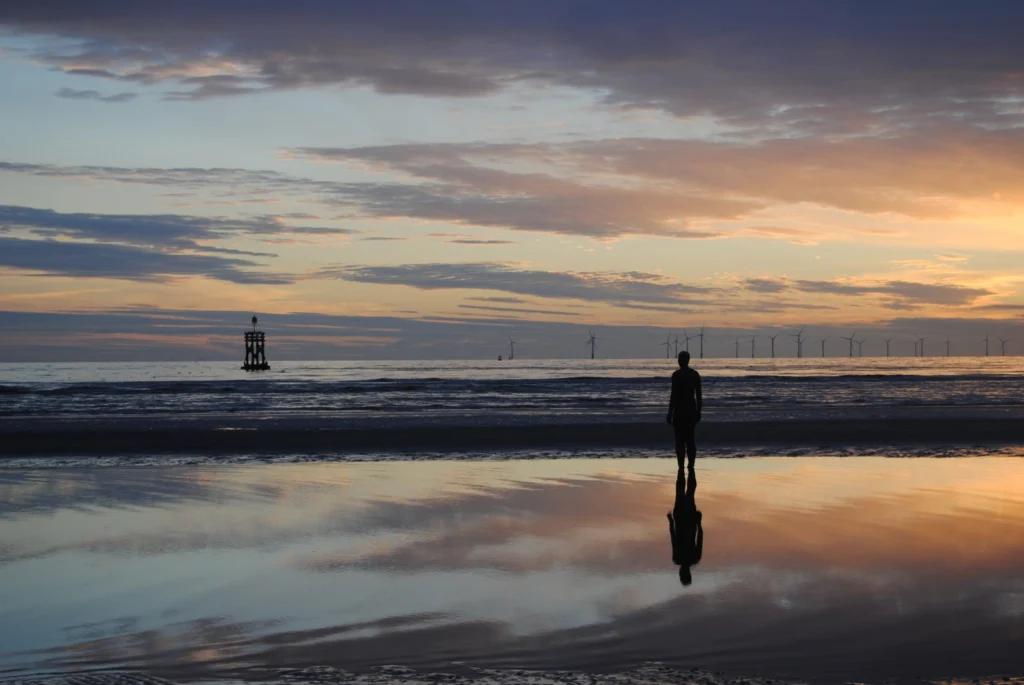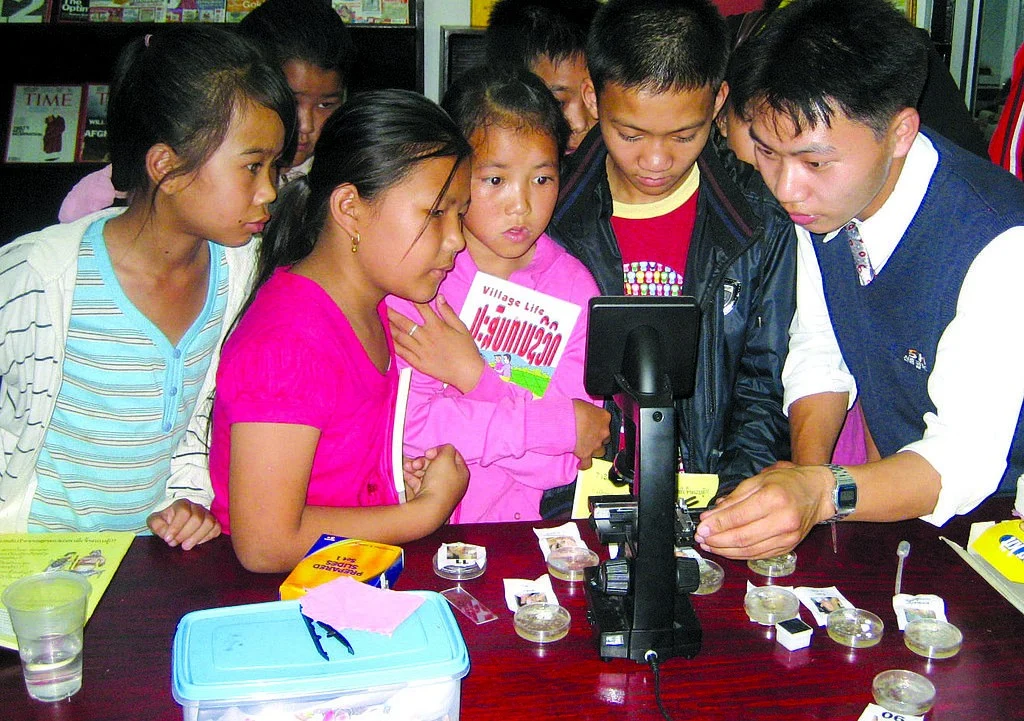
In this guest post, Sam Illingworth, regular contributor to GeoLog on all things science communication and education, discusses whether it is the responsibility of all geoscientists to communicate their science and research and challenges you to make some time to get involved in public engagement in 2016. As researchers it is very easy to get caught up in the whirlwind of our scientific endeavour ...[Read More]
The best of Imaggeo in 2015: in pictures
Last year we prepared a round-up blog post of our favourite Imaggeo pictures, including header images from across our social media channels and Immageo on Mondays blog posts of 2014. This year, we want YOU to pick the best Imaggeo pictures of 2015, so we compiled an album on our Facebook page, which you can still see here, and asked you to cast your votes and pick your top images of 2015. From the ...[Read More]
Looking back at the EGU Blogs in 2015: welcoming new additions
It’s a little over 12 months since we launched the new look EGU blogs and with the holidays and new year approaching, what better time to take stock of 2015 as featured in the EGU Blogs? The past year has been full of exciting, insightful and informative blog posts. At the same time, we’ve welcomed new additions to the network and division blogs. The network blogs A recent highlight of the year ha ...[Read More]
Geoscience hot topics – The finale: Understanding planet Earth
What are the most interesting, cutting-edge and compelling research topics within the scientific areas represented in the EGU divisions? Ground-breaking and innovative research features yearly at our annual General Assembly, but what are the overarching ideas and big research questions that still remain unanswered? We spoke to some of our division presidents and canvased their thoughts on what the ...[Read More]
Imaggeo on Mondays: Drawing in pencil
The picture was taken in Salina Turda, a fascinating salt mine in western Transylvania, in Durgău – Valea Sarată near Turda city. In the picture, the pockets created by salt dissolution can be observed. Over time, due to the erosive power of air currents, the walls have been reshaped: the corners have been rounded and, at the contact between the roof and the walls, a series of dissolution po ...[Read More]
GeoPolicy: What was decided from the Paris COP21?
Last week saw the world’s leaders come together in Paris for the 21st ‘Conference of the Parties’ (aka COP21) to discuss climate change. The 12 day meeting saw over 50,000 participants (half of which from Government organisations) come to reach an agreement on limiting greenhouse gas (GHG) production. Background Manmade climate change, resulting from the increased production of GHG into the atmosp ...[Read More]
EGU 2016: Registration open & short courses, townhall and splinter meeting requests
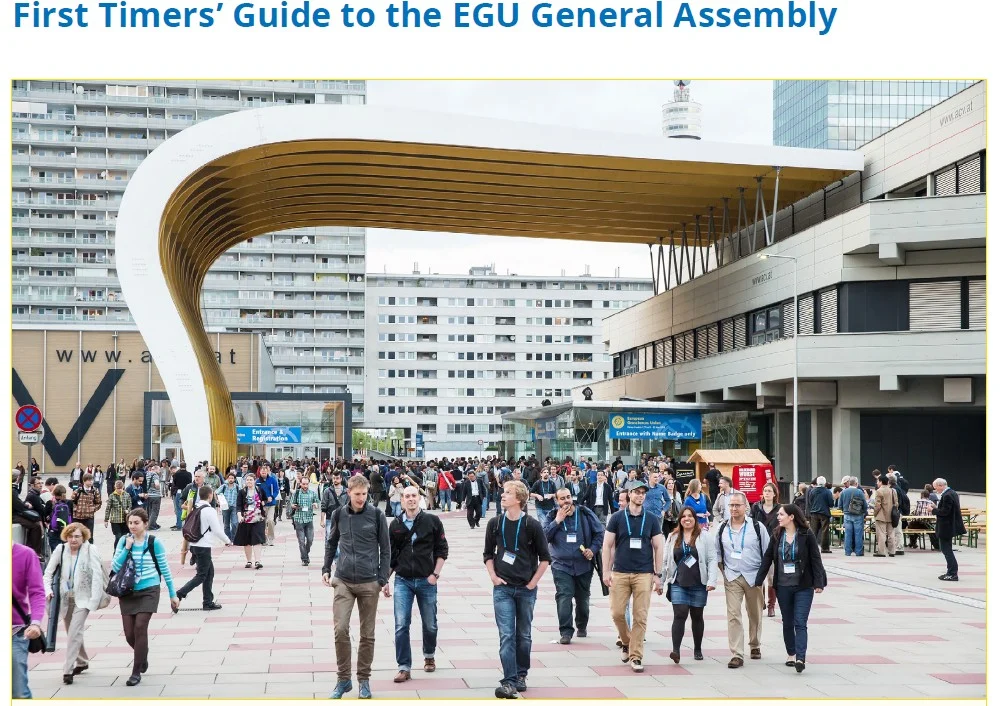
The EGU General Assembly brings together geoscientists from all over the world to one meeting that covers all disciplines of the Earth, planetary and space sciences. The conference is taking place in Vienna on 17–22 April 2016, providing an opportunity for both established scientists and early career researchers to present their work and discuss their ideas with experts in all fields of the geosci ...[Read More]
Imaggeo on Mondays: Flying Rocks
The picture was taken at a hillslope close to the glacier tongue of the Great Aletsch Glacier, the largest glacier in the Alps. With a length of 23 km it is located in the eastern Bernese Alps of Switzerland and composed of the three smaller glaciers Aletschfirn, Jungfraufirn and Eternal snow field converging at Concordia where the ice thickness was measured to be around 900m. The whole area was d ...[Read More]
Geoscience hot topics – Part II: the Earth as it is now and what its future looks like
What are the most interesting, cutting-edge and compelling research topics within the scientific areas represented in the EGU divisions? Ground-breaking and innovative research features yearly at our annual General Assembly, but what are the overarching ideas and big research questions that still remain unanswered? We spoke to some of our division presidents and canvased their thoughts on what the ...[Read More]
The Sustainable Geoscientist – how many papers should academics really be publishing?
In this guest blog post, Nick Arndt, Professor at the Institut des Sciences de la Terre, Grenoble University, reflects on the pressures on academics to publish more and more papers, and whether the current scientific output is sustainable. Imagine a highly productive car factory. Thousands of vehicles are built and each is tested as it leaves the factory; then it is stored in an enormous parking l ...[Read More]