Bridging the gap between student and teacher is not always easy. For students, the educator might seem ‘untouchable’ and inaccessible. A sense exacerbated when assignments are set and they turn out to be new, complex and unfamiliar. In this new installment of our GeoEd column, regular guest blogger Rhian Meara of Swansea University, discusses a simple approach to overcome some of these ...[Read More]
Presenting at the General Assembly 2017: A quick ‘how to’ from the EGU
The schedule is out, presentation slots have been assigned and it’s time to start thinking about putting yours together. Whether you have an oral, poster or PICO slot, we have a suite of simple guidelines to get you ready for the conference! Orals The guidelines for oral presentations are online. All oral presentations should have the dimensions 4:3 or 16:9 and last about 12 minutes, with 3 minute ...[Read More]
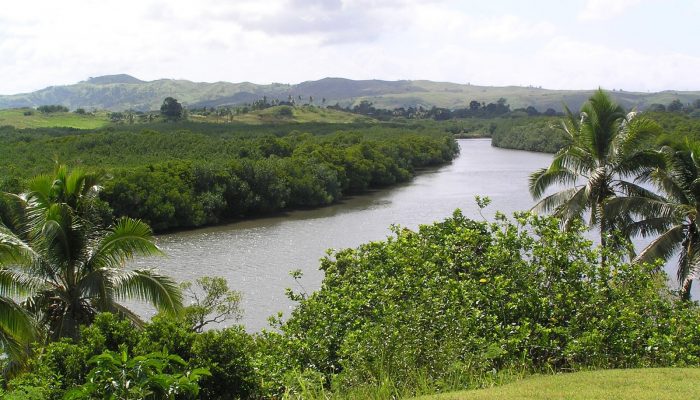
Imaggeo on Mondays: A Fijian paradise
Today’s post is brought to you by Lisa-Marie Shillito, a Lecturer in Landscape Archaeology at Newcastle University. Initially, this photo may seem like any other tropical paradise: lush forests line a meandering river, but there is much more to the forests in the foreground than first meets the eye. Over to Lisa for the details. I first visited Fiji as an undergraduate student, where I undertook m ...[Read More]
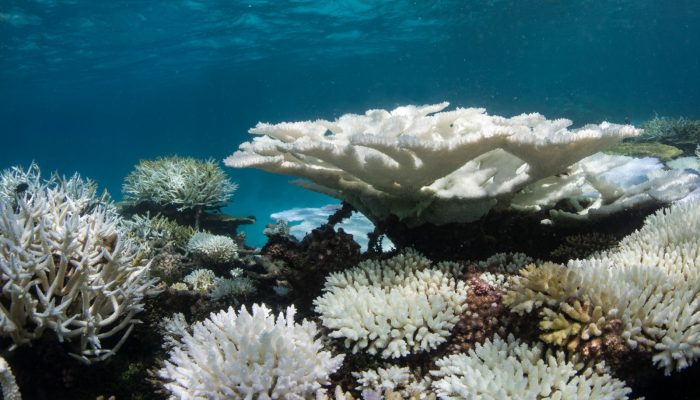
Geosciences Column: How El Niño triggered Indonesia corals die-off
In the glistening waters of Indonesia, shallow corals – the rain forests of the sea – teem with life. Or at least they did once. Towards the end of 2015 the corals started to die, leaving a bleak landscape behind. An international team of researchers investigated the causes of the die-off. Their findings, published recently in the EGU’s open access journal, Biogeosciences, are rather ...[Read More]
EGU 2017 General Assembly programme is now online!
The EGU General Assembly 2017 programme is available here. Take a look and – if you haven’t already – register for the conference by 16 March to make the early registration rates! Last year, we updated the scientific programme of the General Assemby and it includes Union-wide Sessions, such as Special Scientific Events (Medal Lectures, Great Debates and many more) short courses and topical meeting ...[Read More]
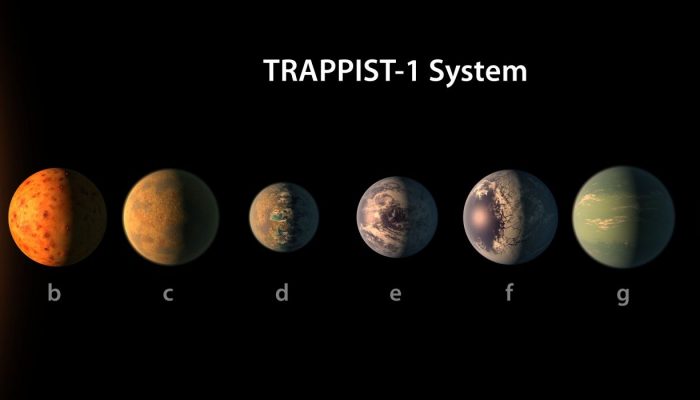
February GeoRoundUp: the best of the Earth sciences from around the web
Drawing inspiration from popular stories on our social media channels, as well as unique and quirky research news, this monthly column aims to bring you the best of the Earth and planetary sciences from around the web. Major story Undoubtedly the story of the month is the discovery of a star system of seven Earth-sized planets just 40 light-years away from our own. What makes the finding so excit ...[Read More]
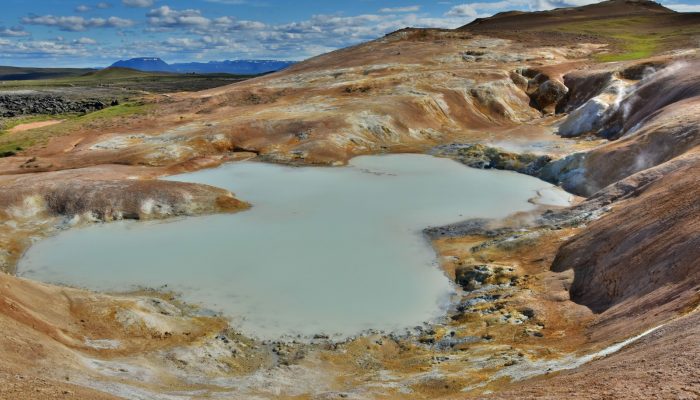
Imaggeo on Mondays: harnessing Earth’s inner heat
Iceland, the land of ice and fire, is well known for its volcanicity. Most famously, it is home to Eyjafjallajökull: the volcano which caused wide spread mayhem across European airspace when it erupted in 2010. But not all the local volcanic activity is unwelcome. High temperature geothermal areas are a byproduct of the volcanic setting and the energy released can be used to power homes and infras ...[Read More]
Last chance to enter the EGU Photo Contest 2017!
If you are pre-registered for the 2017 General Assembly (Vienna, 23 -28 April), you can take part in our annual photo competition! Winners receive a free registration to next year’s General Assembly! But hurry, there are only a few days left to enter! Every year we hold a photo competition and exhibit in association with our open access image repository, Imaggeo and our annual General Assembly. Th ...[Read More]
Imaggeo on Mondays: a storm is coming
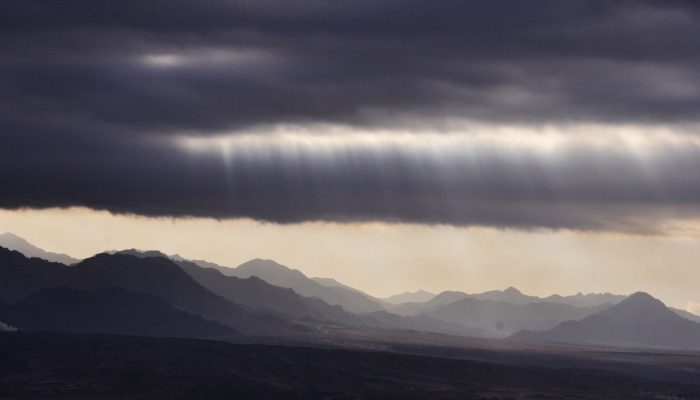
Coastlines globally are immensely diverse: from the beautifully topical and sun kissed beaches of the Caribbean, to the wet and misty British coastline, through to the raw and wild Alaskan shores, they are home to scores of flora and fauna; rich habitats shaped by powerful forces of nature. In stark contrast, some coastlines, (28,000 km worldwide to be precise) are dry almost barren places, where ...[Read More]
Get involved: become an early career scientist representative
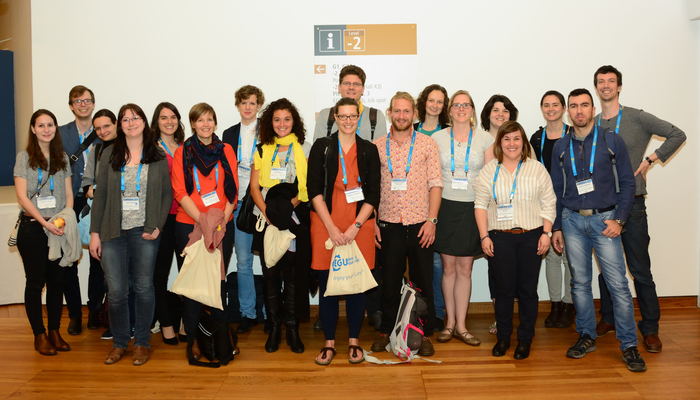
Early career scientists (ECS) make up a significant proportion of the EGU membership and it’s important to us that your voices get heard. To make sure that happens, each division appoints an early career scientists representative: the vital link between the Union and the ECS membership. After tenure of two or four years, a few of the current ECS Representatives are stepping down from their post at ...[Read More]