GeoLog

Geosciences Column

GeoSciences Column: The ‘dirty weather’ diaries of Reverend Richard Davis
GeoSciences Column: The ‘dirty weather’ diaries of Reverend Richard Davis

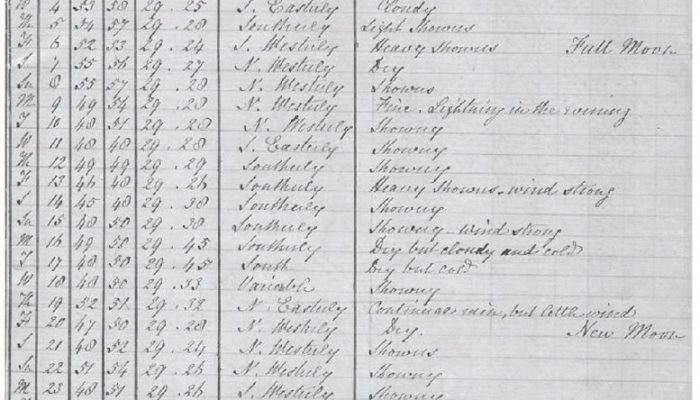
Researching the Earth’s climate of the past, helps scientists make better predictions about how the climate and our environment will continue to be affected by, change and adapt to rising temperatures. One of the most invaluable sources of data, when it comes to understanding the Earth’s past climate, are historical meteorological records. Accounts of weather and climate conditions for the Souther ...[Read More]

Geosciences column: Making aurora photos taken by ISS astronauts useful for research

Geosciences column: Making aurora photos taken by ISS astronauts useful for research

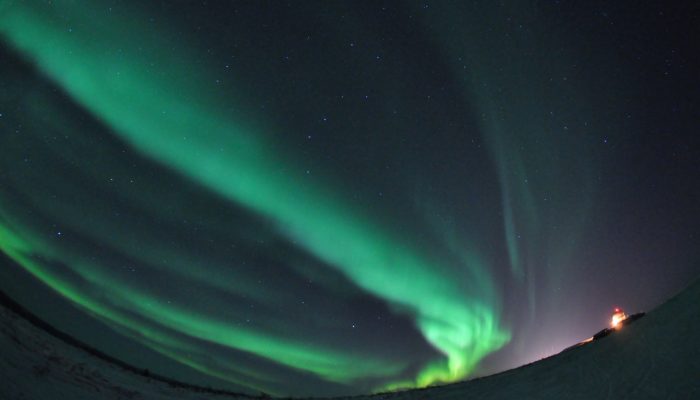
It’s a clear night, much like any other, except that billions of kilometers away the Sun has gone into overdrive and (hours earlier) hurled a mass of charged particles, including protons, electrons and atoms towards the Earth.  As the electrons slam into the upper reaches of the atmosphere, the night sky explodes into a spectacular display of dancing lights: aurora. Aurora remain shrouded in myste ...[Read More]

This calls for a celebration: GeoLog’s 1000 post!

This calls for a celebration: GeoLog’s 1000 post!

As far as blogging milestones go, today is pretty special. This is GeoLog’s 1000 post! Since the EGU’s official blog launched back in March 2010 (that’s right, there’s over 6 years of back catalogue for you to enjoy!), we’ve shared posts about research spanning almost every discipline in the Earth sciences; highlighted member’s adventures in the field and showcased the work of outstanding early ca ...[Read More]

Geosciences Column: A new rock outcrop map and area estimation for the entire Antarctic continent

Geosciences Column: A new rock outcrop map and area estimation for the entire Antarctic continent

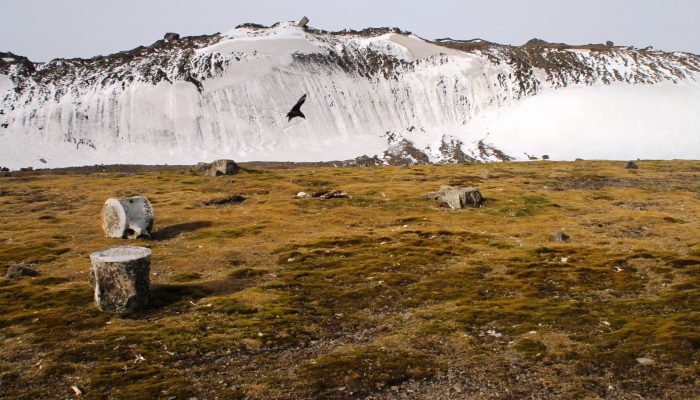
Antarctica has been known as “the frozen continent” for almost as long as we have known of its existence. It may be the only place on Earth where, instead of information on the extent of glaciers or ice caps, there exists a dataset of all non-icy areas compiled from satellite imagery. However, this repository is far from perfect: while satellite resolution and coverage have been steadily improving ...[Read More]