GeoLog

Geosciences Column

GeoSciences Column: When could humans last walk, on land, between Asia & America?
GeoSciences Column: When could humans last walk, on land, between Asia & America?

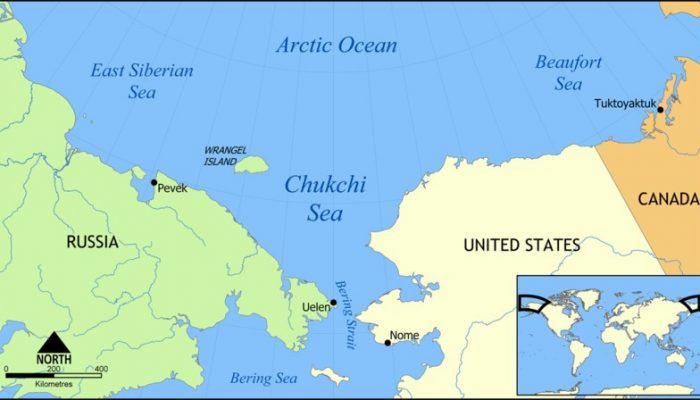
Though now submerged under 53 m of ocean waters, there once was a land bridge which connected North America with Asia, allowing the passage of species, including early humans, between the two continents. A new study, published in the EGU’s open access journal Climate of the Past, explores when the land bridge was last inundated, cutting off the link between the two landmasses. The Bering Strait, a ...[Read More]

GeoSciences Column: Is smoke on your mind? Using social media to assess smoke exposure from wildfires

GeoSciences Column: Is smoke on your mind? Using social media to assess smoke exposure from wildfires

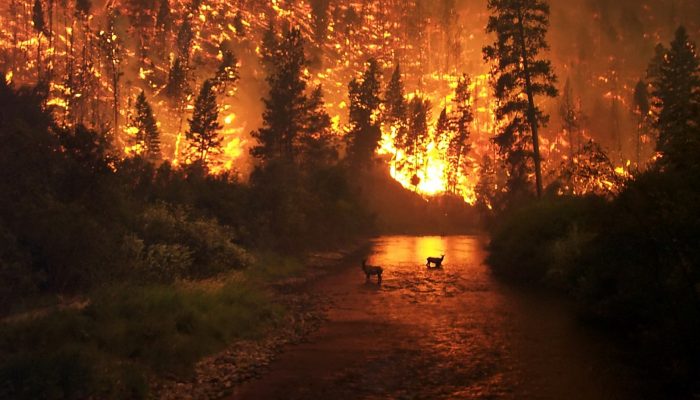
Wildfires have been raging across the globe this summer. Six U.S. States, including California and Nevada, are currently battling fierce flames spurred on by high temperatures and dry conditions. Up to 10,000 people have been evacuated in Canada, where wildfires have swept through British Columbia. Closer to home, 700 tourists were rescued by boat from fires in Sicily, while last month, over 60 pe ...[Read More]

GeoSciences Column: Can seismic signals help understand landslides and rockfalls?

GeoSciences Column: Can seismic signals help understand landslides and rockfalls?

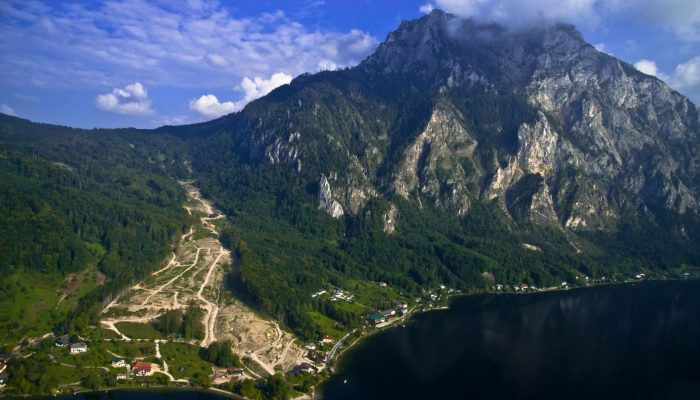
From the top of a small gully in the French Alps, a 472 kg block is launched into the chasm. Every detail of it’s trajectory down the slope is scrutinised by two cameras and a network of seismometers. They zealously record every bounce, scrape and tumble – precious data in the quest to better understand landslides. What makes landslides tick? In 2016, fatalities caused by landslides tipped 2 ...[Read More]

Geosciences Column: The dangers of an enigmatic glacier in the Karakoram

Geosciences Column: The dangers of an enigmatic glacier in the Karakoram

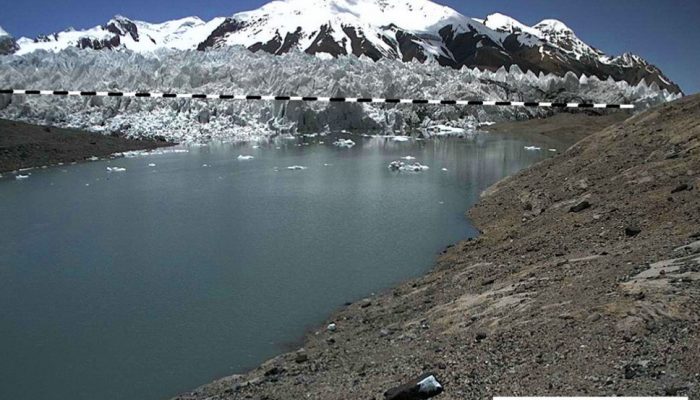
Nestled among the high peaks of the Karakoram,  in a difficult to reach region of China, lies Kyagar Glacier. It’s trident-like shape climbs from 4800 to 7000 meters above sea level and is made up of three upper glacier tributaries which converge to form an 8 km long glacier tongue. Until recently, it’s remoteness meant that studying its behaviour relied heavily on the acquisition of data by satel ...[Read More]