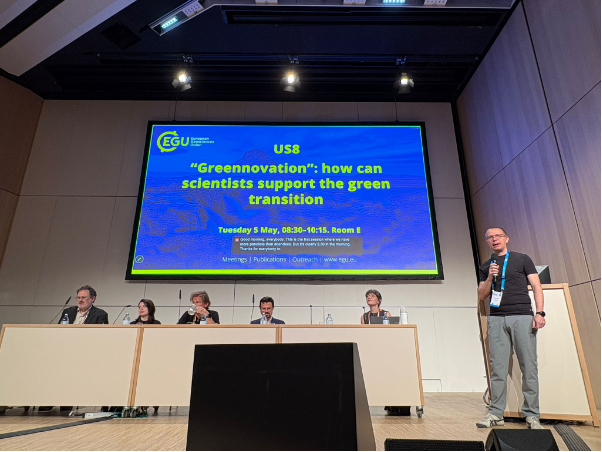
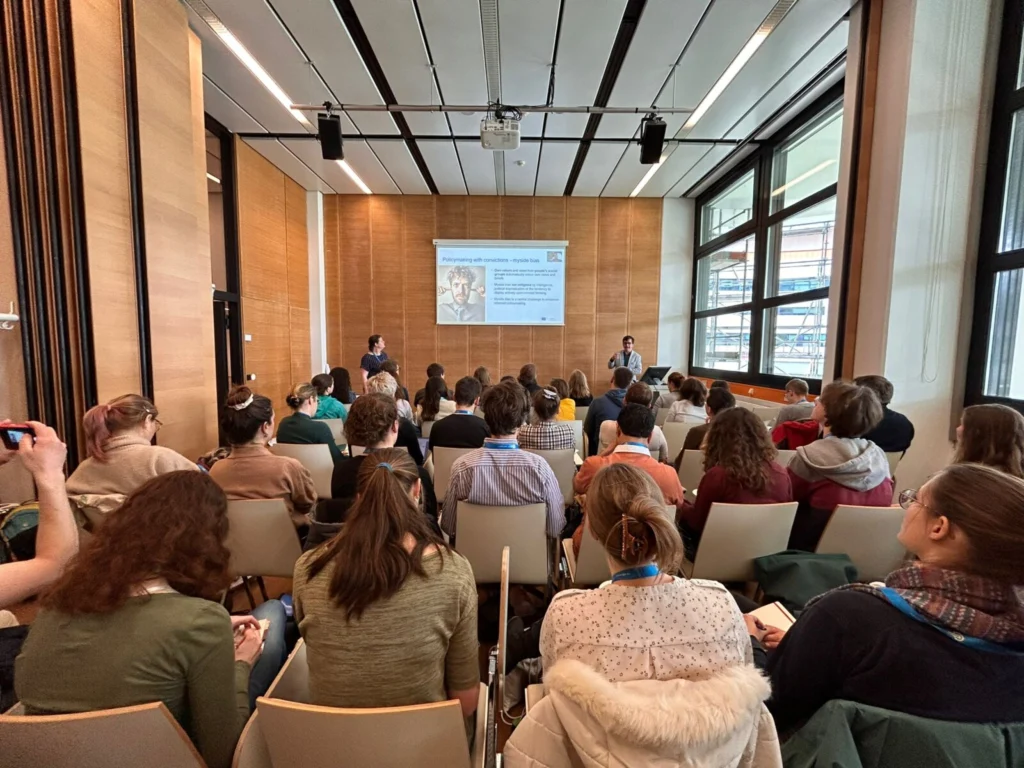
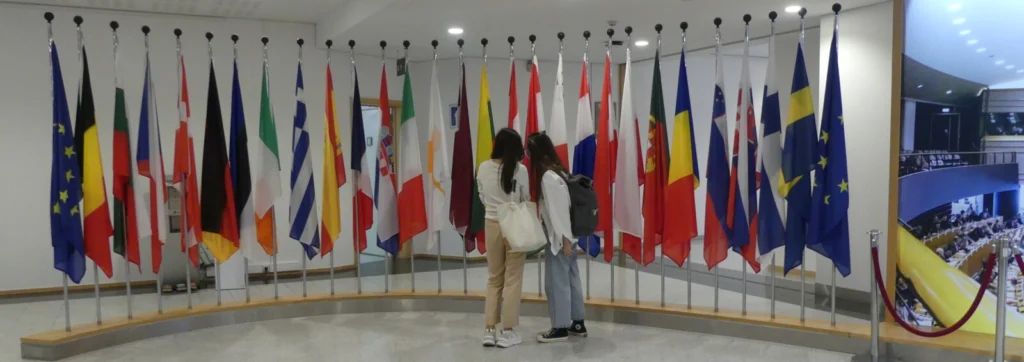
As we left EGU26 behind with record participation, it was amazing to see increased interest in science-policy sessions from the scientific community. Thanks to all panellists who contributed to the stimulating discussions, and to all participants for igniting them! Below is a look into some of the key themes emerged from the #science4policy sessions at EGU26. Innovation and emerging …[Read More]
GeoPolicy
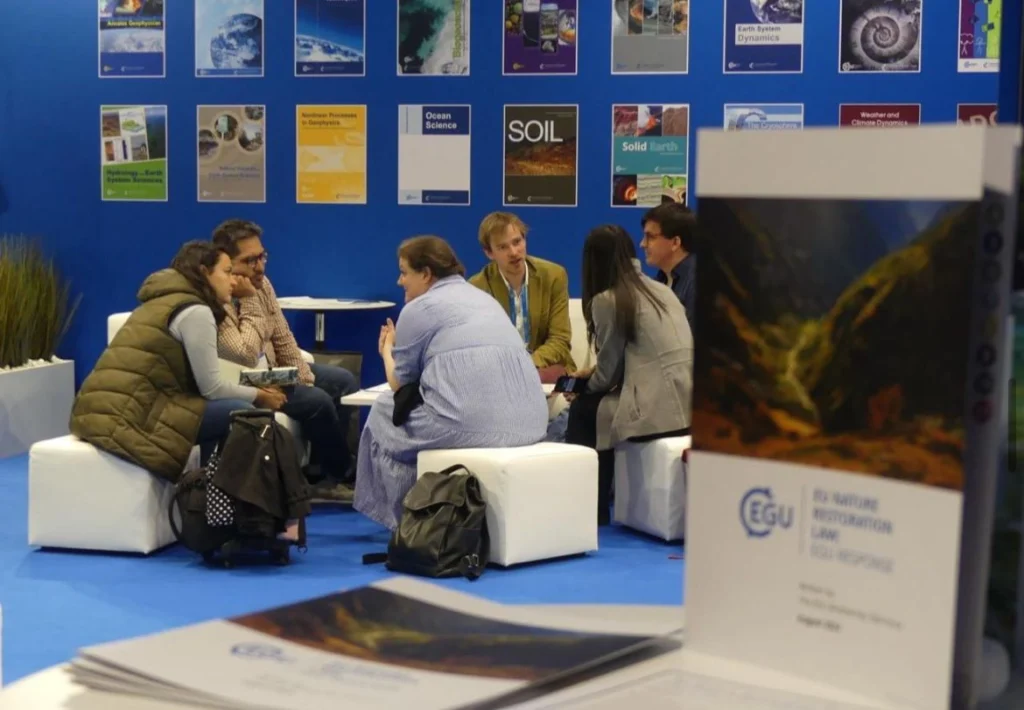
GeoPolicy: Jump into Science for Policy at EGU26!
Each year, the EGU General Assembly offers a diverse programme of scientific and skills-focused sessions where participants can explore new research, grow their network, broaden their expertise, and build new skills. Among these are sessions that focus on science for policy, showcasing how researchers can start engaging in policymaking, connect with decision-makers, and create policy …[Read More]
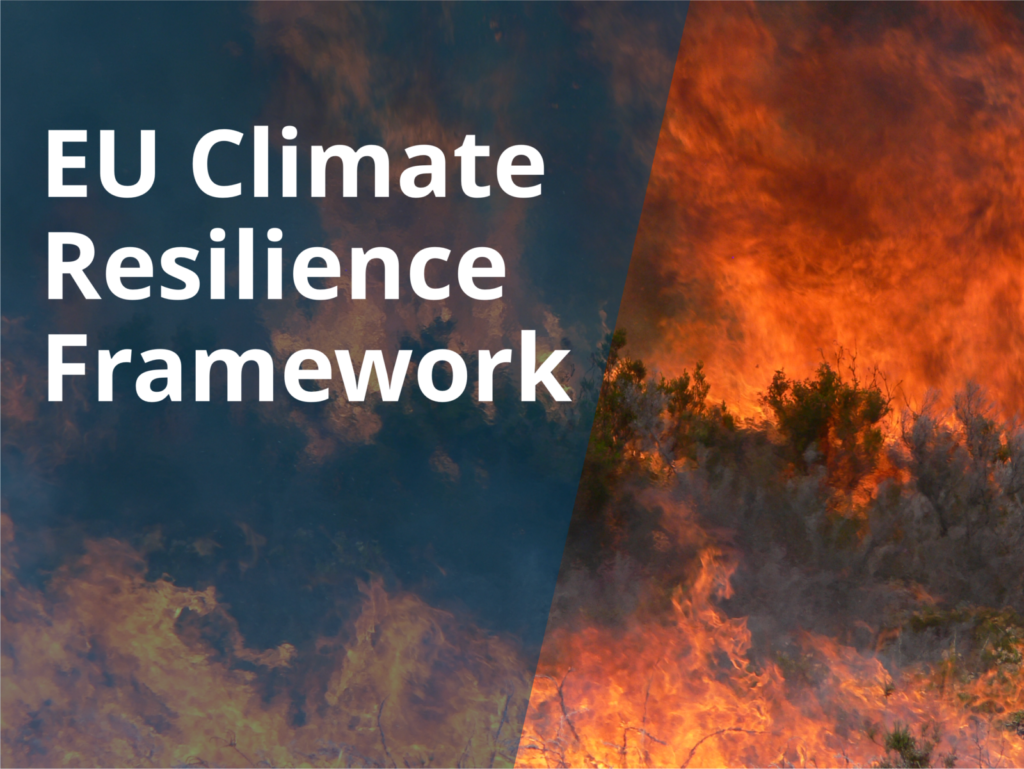
GeoPolicy: Response to the new European climate resilience framework
Climate change is having a profound impact on the planet. According to several reports, 2023 was the warmest year on record, with the global average temperature over the 12-month period from February 2023 to January 2024 exceeding the 1.5 °C threshold above pre-industrial levels. Climate change acts as a risk multiplier, as its impacts transcend …[Read More]
GeoTalk: Meet Marie Cavitte, policy officer for the Cryosphere Division, member of the EGU Climate Hazards Task Force, former Blue Book trainee
Welcome, Marie! Could you please introduce yourself to our readers? Hi, my name is Marie Cavitte. I’m a glaciologist and climatologist with a passion for the polar regions. I spent 10 years studying Antarctica. I started off during my Masters, then PhD, looking at the oldest ice on Earth, hunting for THE region of the …[Read More]
Rethinking Europe’s historical climate leadership in a ‘Time of Transition’
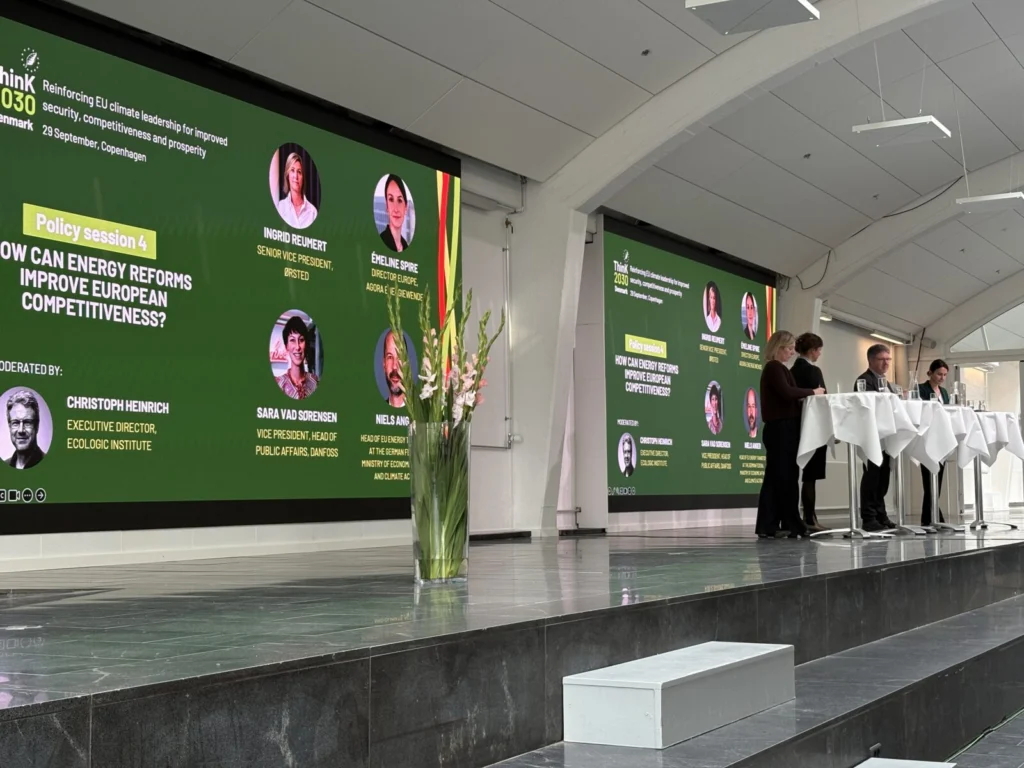
The Think2030 Dialogue Denmark was held in crucial times, since once the uncontested frontrunner in global climate governance, Europe now faces the dual challenge of renewing its leadership and maintaining competitiveness amid a shifting geopolitical and technological landscape, alongside a constantly changing multilateral world order. At a time when global competition over clean technologies, resources, …[Read More]
GeoPolicy: The first case of rights of Nature in Europe: The Mar Menor Lagoon
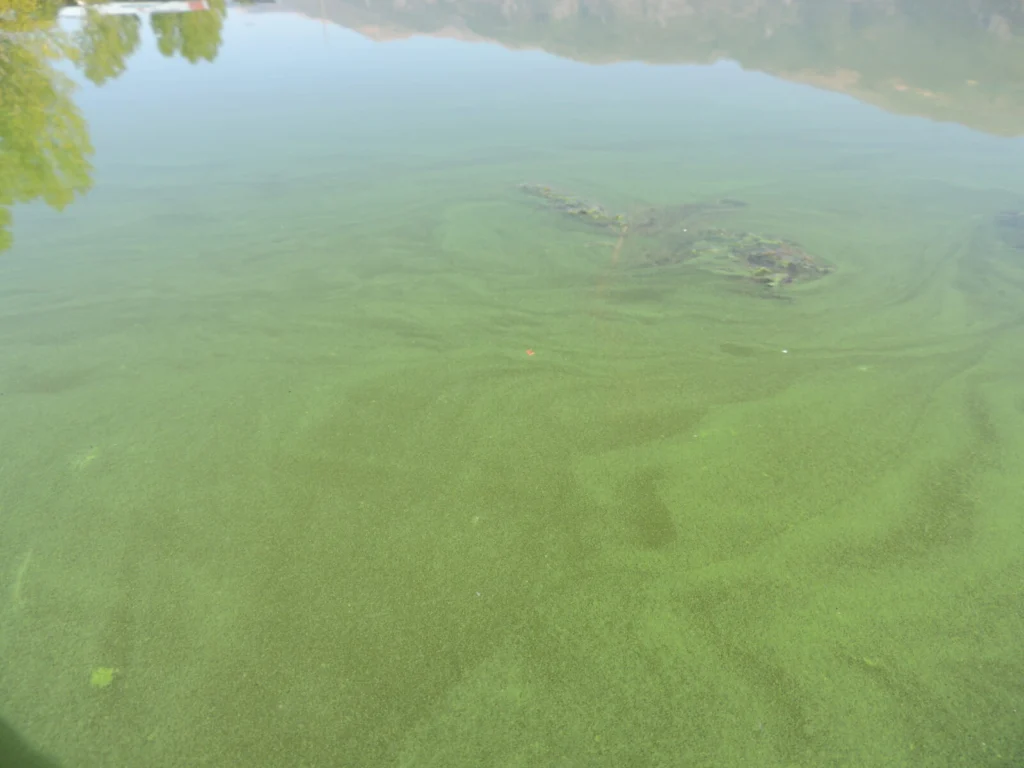
The rights of Nature: A new paradigm Does Nature have inalienable rights just as humans do? This is what the rights of Nature paradigm stands for, marking a radical departure from the assumption that Nature is property under the law. The idea of rights for Nature stems from legal philosophy and political science. Partially, it …[Read More]
GeoPolicy: The academic practice of resistance: Learning solutions in the age of autocracy
This blog summarises The Anti-Autocracy Handbook: A Scholars’ Guide to Navigating Democratic Backsliding. This handbook provides practical strategies for academics facing politically hostile environments and offers a framework to protect scientific integrity and academic freedom without compromising personal safety. Around the world, we are witnessing a disturbing rise in democratic backsliding, and academia is increasingly …[Read More]
GeoPolicy: Your guide to engaging with science for policy at EGU25
Each year, the EGU’s Science for Policy Programme at the EGU General Assembly provides participants with insights on how their research and expertise can be integrated into the policymaking process and the opportunities that exist for them to engage. This month’s GeoPolicy Blog post highlights some of the exciting #Sci4Pol sessions and initiatives that you …[Read More]
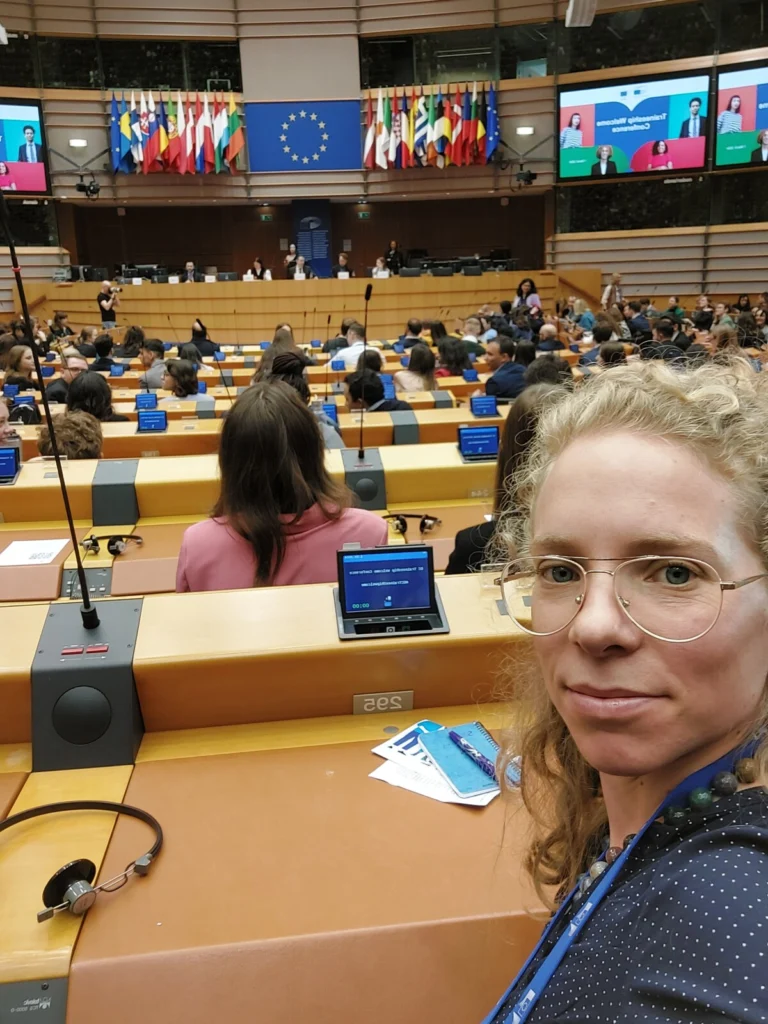
GeoPolicy: A Week Inside the European Parliament – Science, Policy, and the Role of Experts
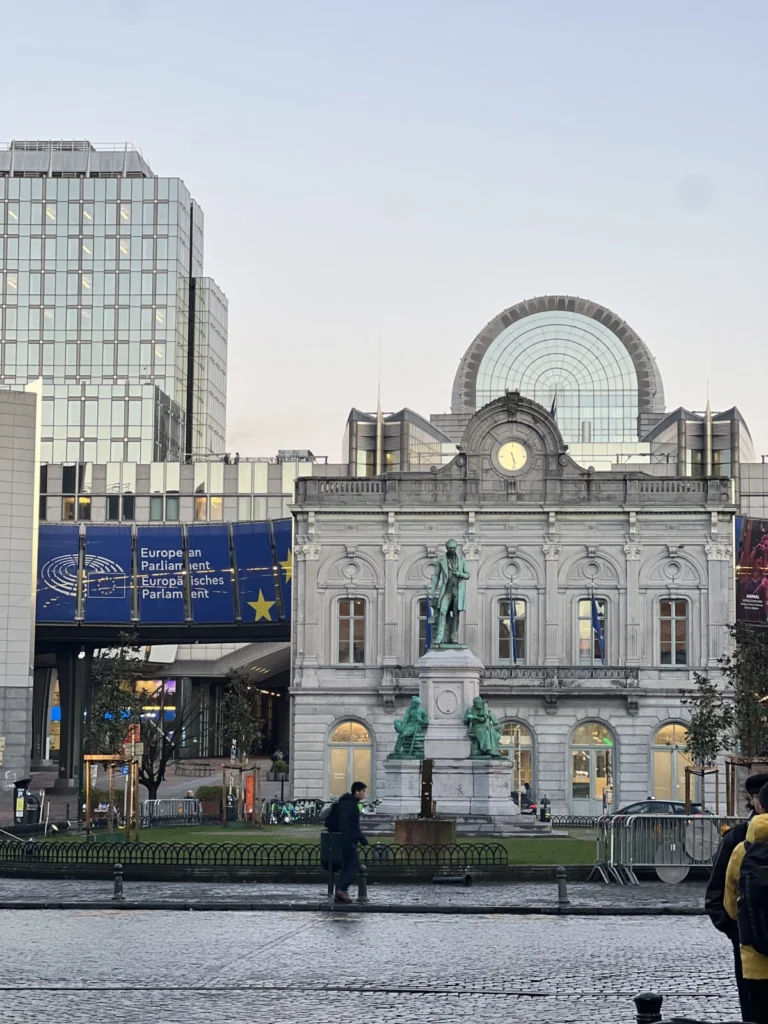
As the selected scientist in the EGU’s 2024 Science-Policy Pairing Scheme, I had the opportunity to experience life inside the European Parliament for a week with the support of Member of the European Parliament (MEP) Jutta Paulus and her team, who are part of the Group of the Greens/European Free Alliance. A week is short, but …[Read More]
GeoPolicy: Science Diplomacy in a new Geopolitical order
We have entered a new era of “harsh” geopolitics. Those were the words of the European Commission President Ursula von der Leyen in her keynote speech at the World Economic Forum in Davos on January 21, 2025. It is an era with geostrategic rivalries where commitment to international organisations (e.g. UN, WHO) and global solidarity …[Read More]