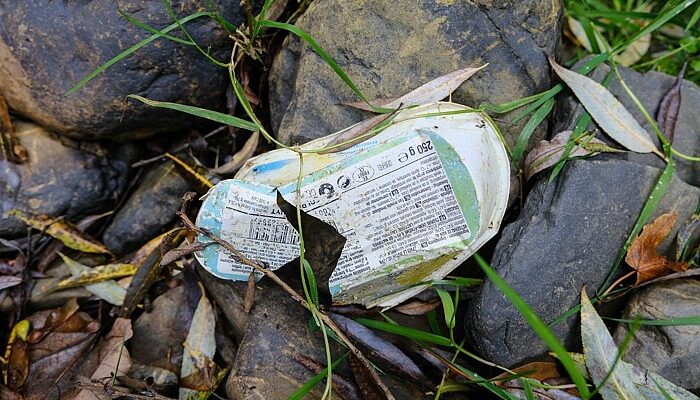
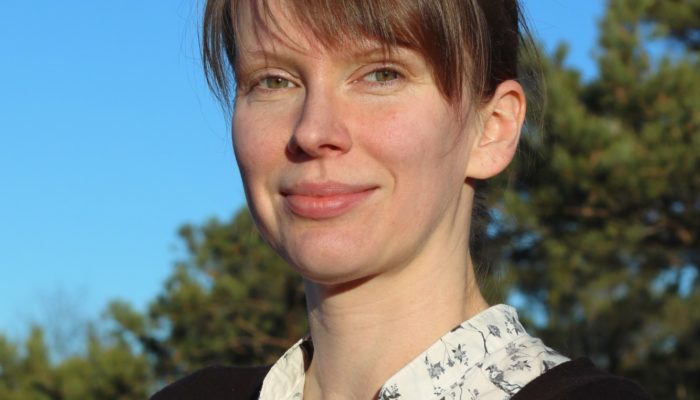
In July 2021, the Benelux area, Germany, and France experienced heavy rainfall followed by mass flooding, causing widespread damage. Along the vast quantities of plastic swept along the riverbanks, Rahel Hauk, a researcher from Wageningen University, conducted fieldwork to assess the impact of the flood event on plastic deposition. Amidst the debris, Hauk and her colleagues noticed a large volume ...[Read More]
GeoPolicy: Fluvial geomorphology and its potential for policy impact
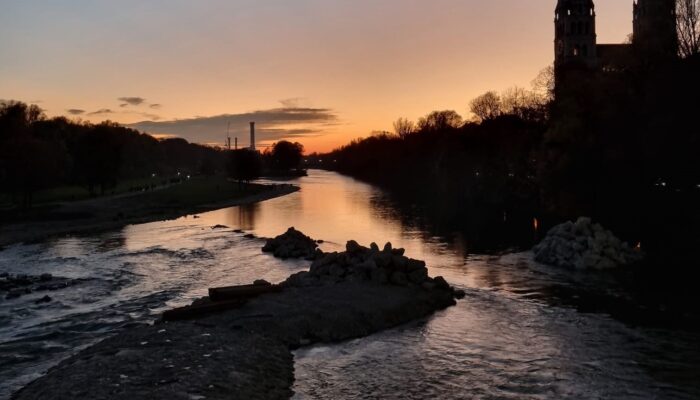
In this month’s GeoPolicy blog post, Dr Grace Skirrow outlines how researchers can share their expertise with environmental regulators to have policy impact and the role that fluvial geomorphology can play in policy decisions. Fluvial Geomorphology and why it is relevant for policymakers Fluvial Geomorphology (“fluvial”, derived from the Latin “fluvialis”, meaning “of the river”) is the study of l ...[Read More]
Winners announced: Here are the best EGU Blog Posts of 2022!
As future-focused as we like to be at EGU, we sometimes pause to look back at the year gone by – just a brief glimpse to appreciate all the good work of 2022! As always, we had so many inspiring and thought-provoking blog posts published this year across the EGU’s official blog GeoLog and division blogs. Thank you to each of you for your writing contribution! To continue our annual appreciation fo ...[Read More]
GeoTalk: meet Francesco Avanzi, researcher in meltwater security!
Hi Francesco. Thanks for agreeing to this interview! To break the ice, could you tell our readers a bit about yourself and your research? Hey Simon! I’m an Italian hydrologist and earned a PhD at Politecnico di Milano with a dissertation on how snowmelt contributes to seasonal runoff. I then did a postdoc at UC Berkeley, California, where I collaborated with a major US hydropower company to improv ...[Read More]
Why do we keep dismissing drought?
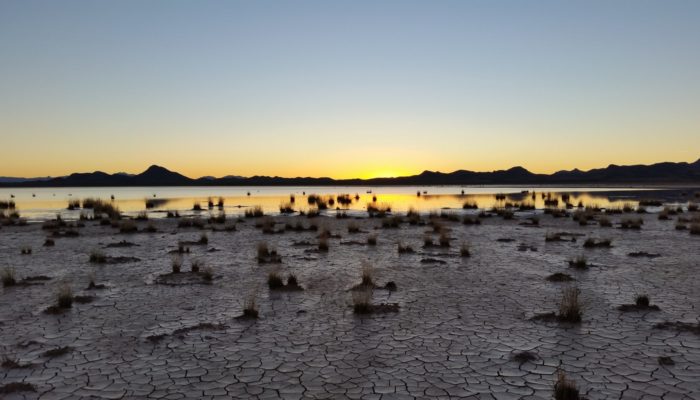
“If you see me, then weep” Like the foreboding inscription witnessed by Dante as he passed through the gates of Hell, the inscription chiselled into the so-called “hunger stone” marks the passing of a threshold into suffering. As the hunger stone emerges from the dwindling waters of the Elbe River, Czechia, it reveals a history of desiccation. Where spiritual torment is pro ...[Read More]
Imaggeo On Monday: The Papingo’s rock pools
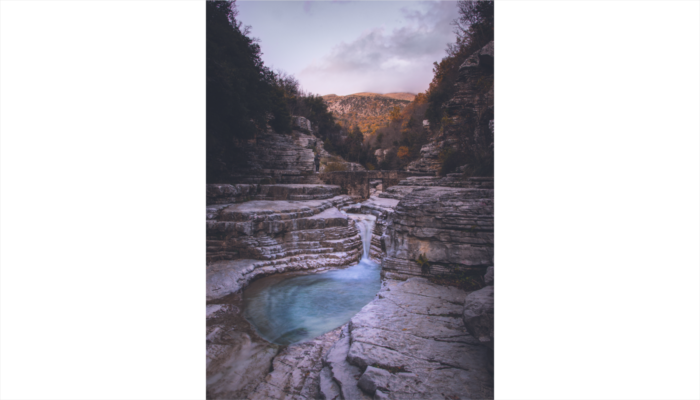
The Papingo’s rock pools are located at the mountainous area of Epirus in northwestern Greece, at an altitude of 980 meters. The Rogovo stream, over the years, has eroded the limestone rocks creating a complex of water falls and cavities (natural rock pools) with clear and cold running water, which the locals call “ovires”. Photo by Athanasios Serafeim, as described on imaggeo.egu.eu. ...[Read More]
GeoTalk: meet Céline Heuzé, award-winning Early Career Ocean Scientist!
Hi Céline. Thank you for joining us today. Congratulations on winning the 2022 Ocean Sciences Division Outstanding Early Career Scientist Award! Could you tell our readers a bit about yourself and your research? As of just a few months ago, I am tenured! My exact job title is “Senior Lecturer in climatology” at the University of Gothenburg, in southwest Sweden. Originally I am from France, and I a ...[Read More]
How Ancient Egyptian Decline Synced With Hydrological Change….And How They Survived
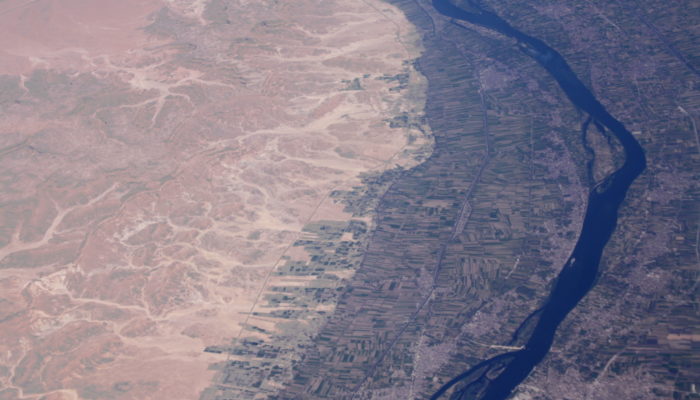
Cairo’s survival was, is, and will be dependent on the flow of the Nile. Since the city was founded in 10th century CE the Nile’s scouring waters have left behind untouched ground onto which the city has spilled and grown. Modern Cairo’s youngest districts are closest to the Nile, founded on earth which was underwater centuries before. It is the river’s changing nature that made the Nile Val ...[Read More]
Imaggeo On Monday: A steady silent witness
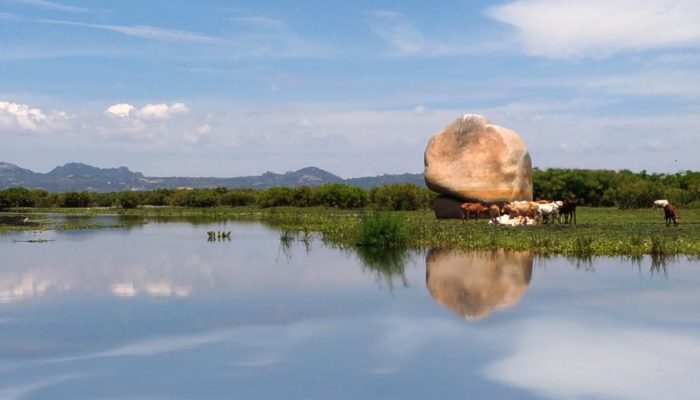
I took this picture during a sunny field work day in the Mara Wetland, Tanzania. The granitic inselberg appeared to me as a huge silent witness not only of siltation and inundation of the wetland but also of the human actions. Slash-and-burn is widely used to deforest lands and riparian vegetation for new crops and grazing fields along the Mara River. The induced habitat degradation is jeopardizin ...[Read More]
Congratulations to the winners of the EGU Best Blog Posts of 2021
At EGU, we like to believe that a new year is more meaningful when we pause to look back at the year gone by – just a brief glimpse to appreciate all our good work and progress! 2021 was certainly an excellent year for our blogging network at EGU. Across the EGU’s official blog, GeoLog and division blogs we had so many inspiring, thought-provoking and even entertaining posts this year. Thank you t ...[Read More]