Detail of a photo: Maze of layered canyon walls and buttes in bands of red, cream and grey, receding into the distance in soft evening light.
GeoLog

GeoTalk

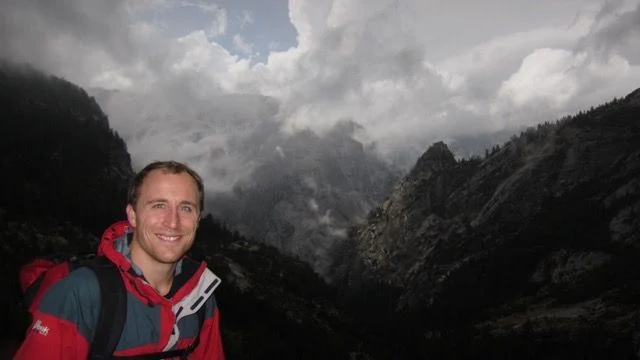
GeoTalk: Talking about ‘ocean burps’ with James Rae
GeoTalk: Talking about ‘ocean burps’ with James Rae
Trying to understand the reasons behind the global warming of our climate is a never ending quest for scientists across the geosciences. Scientists often rely on deciphering past change to help us understand, and perhaps predict, what might happen in the future. Many will be familiar with the common saying ‘the past is the key …[Read More]

GeoTalk: How hydrothermal gases change soil biology

GeoTalk: How hydrothermal gases change soil biology

The biosphere is an incredible thing – whether you’re looking at it through the eye of a satellite and admiring the Amazon’s vast green landscape, or looking at Earth’s surface much more closely and watching the life that blossoms on scales the naked eye might never see, you are sure to be inspired. Geochemist, Antonina …[Read More]

GeoTalk: Stacia Gordon

GeoTalk: Stacia Gordon

Geotalk is a regular feature highlighting early career researchers and their work. Following the EGU General Assembly, we spoke to Stacia Gordon, the winner of the Tectonics and Structural Geology Division Outstanding Young Scientist Award, 2014. First, could you introduce yourself and tell us a little more about your career path so far? My name …[Read More]

GeoTalk: Beate Humberset

GeoTalk: Beate Humberset

In this edition of Geotalk, the regular feature were we highlight the work and achievements of early career researchers, we are talking to Beate Humberset, the winner of the Outstanding Student Poster (OSP) Award for the Solar- Terrestrial Sciences Division (ST) in 2013. In addition, Beate is the Young Scientist Representative for the ST Division …[Read More]

GeoTalk: Want a record of historical floods? Ask the taxman

Extreme weather events, like catastrophic floods, are the malicious exclamation points of Earth’s chaotic and variable climate system; they arrive without warning and extract huge costs, both economic and humanitarian, from the communities they strike. Evidence suggests the frequency and severity of these events may be on the rise in a changing climate, but scientists …[Read More]

GeoTalk: What can you learn from a human hair?

Jim Ehleringer is Director of the Stable Isotope Ratio Facility at the University of Utah in Salt Lake City in the US. In the past few years he has been developing a method for deducing people’s diets and travel history from a sample of their hair. Here, he talks to the EGU press office about …[Read More]