GeoLog

General Assembly

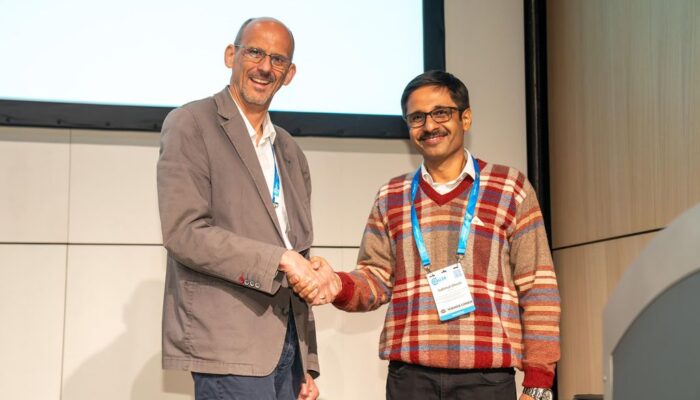
Subimal Ghosh wins the 2024 Alexander von Humboldt medal for unlocking Indian monsoon secrets
Subimal Ghosh wins the 2024 Alexander von Humboldt medal for unlocking Indian monsoon secrets
Last month, on 19 April 2024, Subimal Ghosh from IIT Bombay brought immense pride to India by receiving the Alexander von Humboldt Medal 2024 at the EGU 2024 General Assembly in Vienna, Austria. This prestigious award in Geoscience recognizes Ghosh’s exceptional work in hydrometeorology, climate services, climate education, and the societal impacts of the South Asian Summer Monsoon System. Ghosh i ...[Read More]

The climate crisis: about debates, privilege and the need for action

The climate crisis: about debates, privilege and the need for action

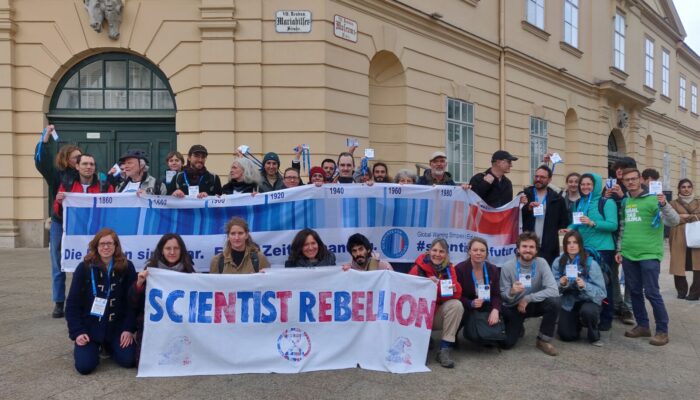
In this blog post I am expanding on the blog post about the third EGU Climate Great Debate and its survey results on what you thought we can do as scientists. After conducting an interview with Maien Sachisthal, an active member of Scientist Rebellion, I reflected on the Great Debate and scientists within society, sharing insights on the Scientist Rebellion and Scientists 4 Future protest events t ...[Read More]

Predators or gardeners: how penguins fertilise Antarctica’s biodiversity

Predators or gardeners: how penguins fertilise Antarctica’s biodiversity

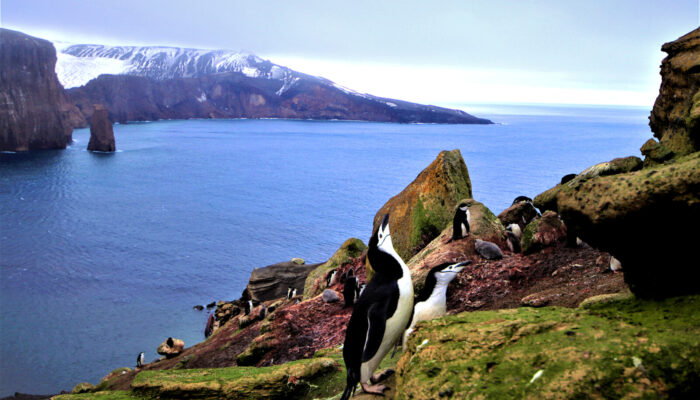
On the desolate Antarctic peninsula, a colony of penguins creates a hub of biodiversity. One may ask, how exactly do those aquatic birds help maintain and enrich the variety of different kinds of organisms from plants and animals, to a wide range of insects and micro-organisms that live on our planet? The answer is quite intriguing. Scientists from the University of Science and Technology of China ...[Read More]

The EGU Great Debate: About the Anthropocene, scientists and comfort zones?

The EGU Great Debate: About the Anthropocene, scientists and comfort zones?

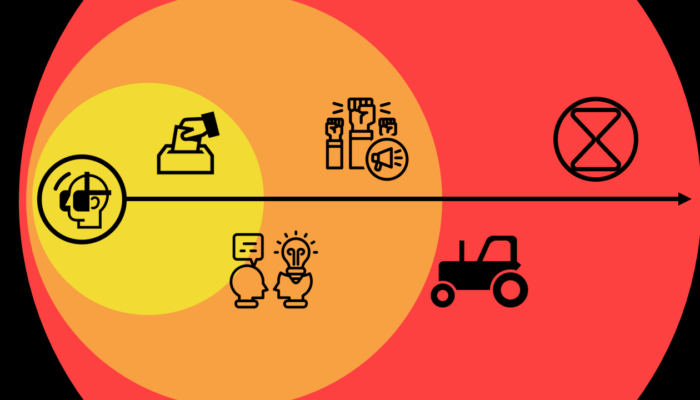
  EGU has hosted a Great Debate with world-renowned climate scientists and activists about the growing human impact on our natural and social environment for many years. There are many aspects to the debate, from voting bad politicians out, to communication duties of scientists, the interconnection of a need for social equity and decarbonization, and more. In this blog post, I want to focus o ...[Read More]

Congratulations to the winners of the EGU24 Photo Competition!

Congratulations to the winners of the EGU24 Photo Competition!

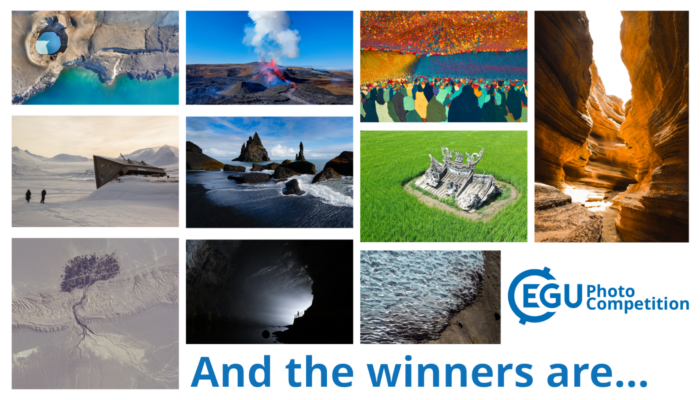
For this year’s Photo Contest, EGU received a number of amazing images capturing a broad spectrum of the geosciences. Since the selection committee whittled the field down to 10 finalists, you have been voting for your favourites throughout EGU24’s week-long conference, both on-site in Vienna at the EGU booth, and online. After an enthusiastic response from voters, we are now ready -and very ...[Read More]

Looking for answers towards the stars: stone tools and nuclides unveil the earliest solid evidence of humans in Europe

Looking for answers towards the stars: stone tools and nuclides unveil the earliest solid evidence of humans in Europe

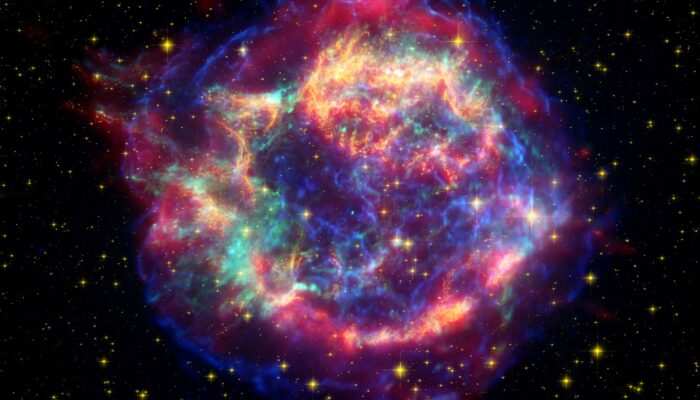
When stars explode, supernova-style, the explosion sets off streams of high energy particles across the universe, mainly protons and alpha particles, that after millions of years reach us here on Earth. Secondary cosmic rays pass through our bodies and almost everything around us, and they penetrate a few meters into the ground where they interact with atoms in soil and rock. This produces new iso ...[Read More]

Turning adversity into opportunity: mapping plastic pollution in rivers

Turning adversity into opportunity: mapping plastic pollution in rivers

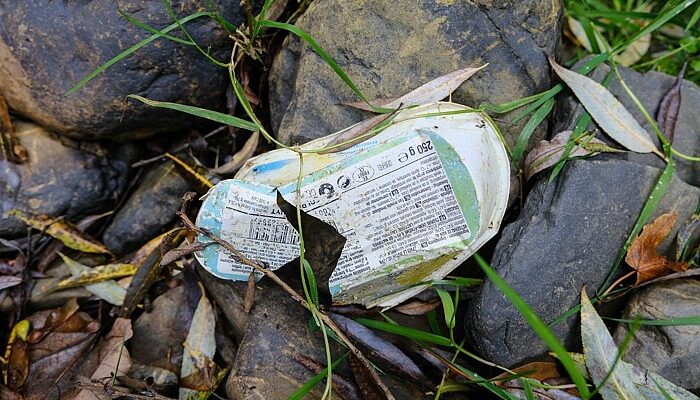
In July 2021, the Benelux area, Germany, and France experienced heavy rainfall followed by mass flooding, causing widespread damage. Along the vast quantities of plastic swept along the riverbanks, Rahel Hauk, a researcher from Wageningen University, conducted fieldwork to assess the impact of the flood event on plastic deposition. Amidst the debris, Hauk and her colleagues noticed a large volume ...[Read More]

Past ice and future predictions – scanning and drilling the changing Antarctic ice

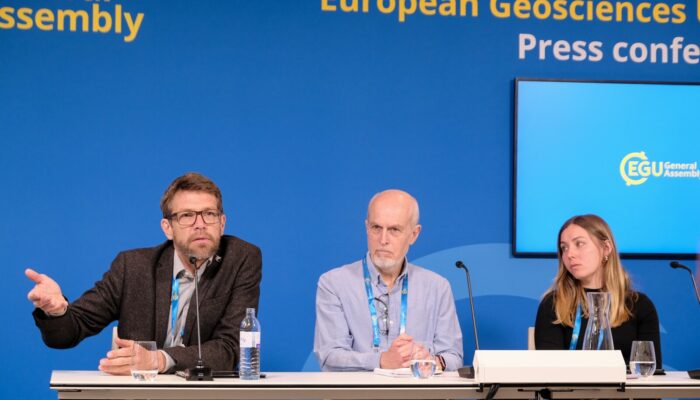
In front of the blue EGU press conference background, Olaf Eisen (left), Robert Larter (middle) and Emma Pearce (right) are engaged in discussion.

Did you know that some of the scientists of each General Assembly get invited to a press conference to face a group of curious journalists? I did not – but as press assistant for the #EGU24, I had the unique chance to attend the press conference “Unveiling Antarctica’s secrets: new research brings us one step closer to predicting the future of the icy continent”. Prominent scientists (Fig.1) ...[Read More]

Beyond the output

Beyond the output

The EGU General Assembly provides ground for formal presentations and sessions conveying a body of knowledge. However, science is so much more. It is a social process driven by shared values, such as openness and integrity, and established customs, like peer review. As such, working in science is inherently a collaborative effort, and the EGU supports that by giving participants plenty of opportun ...[Read More]