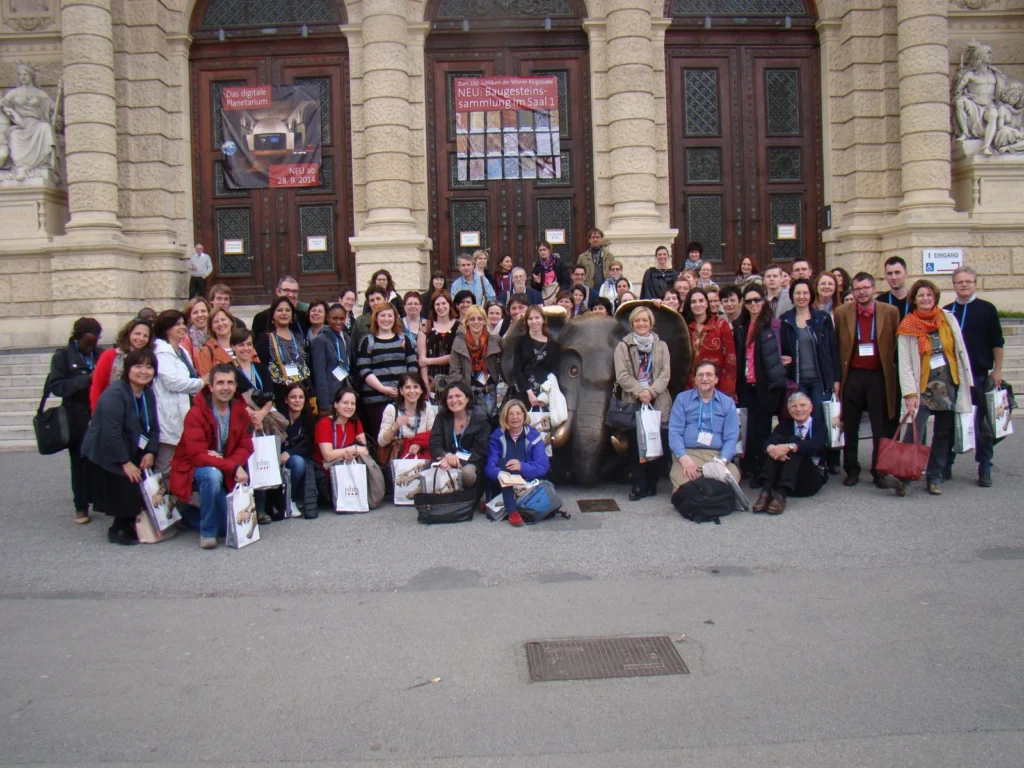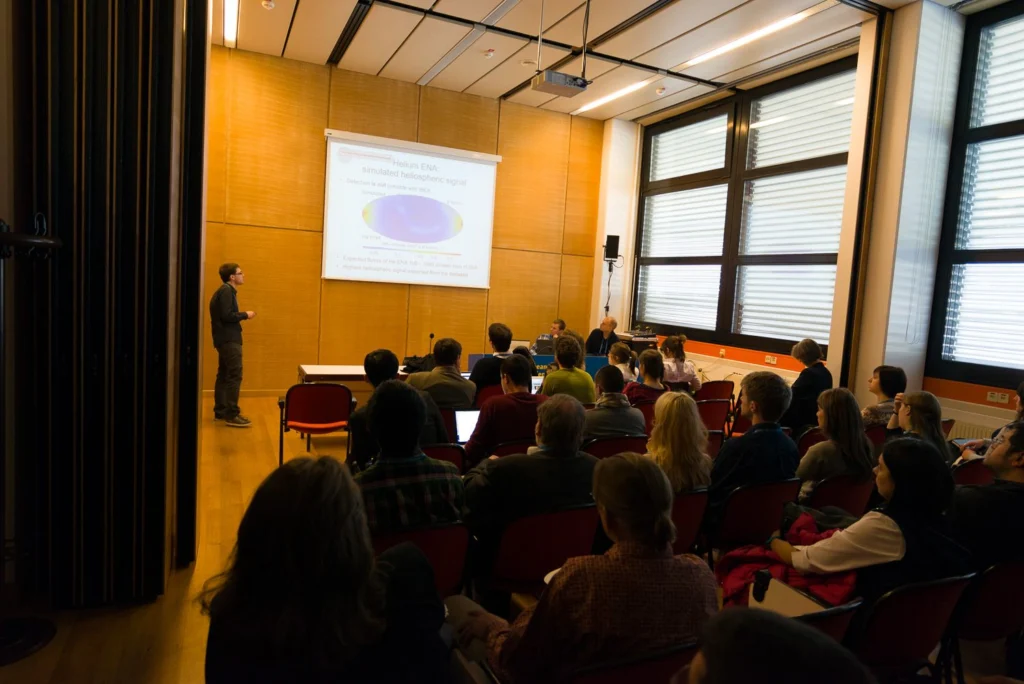
The EGU offers a platform for early career scientists (ECS) to become involved in interdisciplinary research in the Earth, planetary and space sciences, through sessions, social events and short courses at the annual General Assembly in April. One of the ways of ensuring that the voice of the Union’s ECS membership is heard is via …[Read More]
EGU GA 2015
GeoEd: EGU General Assembly and GIFT 2015
The most recent issue (Winter/Spring 2015) of the Teachers Clearinghouse for Science and Society Education Newsletter includes a piece, by Earth Science Correspondent, Michael J. Passow, on the 2015 General Assembly and the GIFT (Geosciences Information For Teachers) Workshop. Passow gives an account of this year’s workshop, on the topic of mineral resources, and outlines …[Read More]
GeoTalk: Deciphering the mysteries of the Mediterranean Sea with Katrin Schroeder
Geotalk is a regular feature highlighting early career researchers and their work. Following the EGU General Assembly, we spoke to Katrin Schroeder, the winner of a 2015 Arne Richter Award for Outstanding Young Scientists. First, could you introduce yourself and tell us a little more about your career path so far I am a physical …[Read More]
Imaggeo on Mondays: The place where water runs through rocks
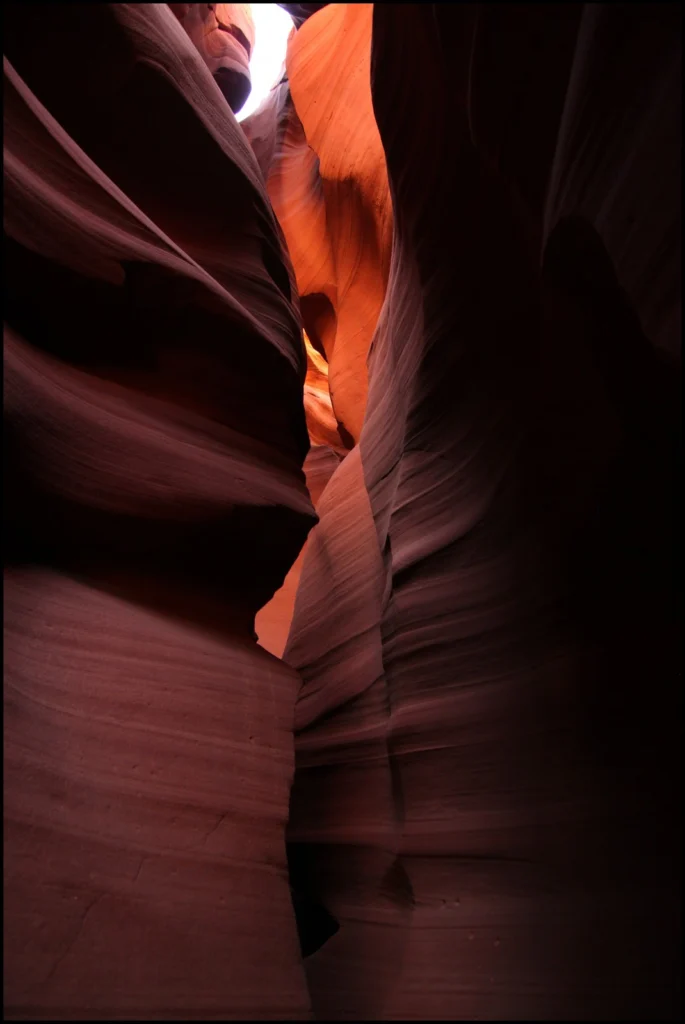
Antelope Canyon, located in Arizona, USA, was formed by erosion of the Navajo Sandstone, primarily due to flash flooding and secondarily due to other sub-aerial processes (think of physical weathering processes such as freeze-thaw weathering exfoliation and salt crystallisation). Rainwater runs into the extensive basin above the slot canyon sections, picking up speed and sand …[Read More]
Imaggeo on Mondays: Sunset over the Labrador Sea
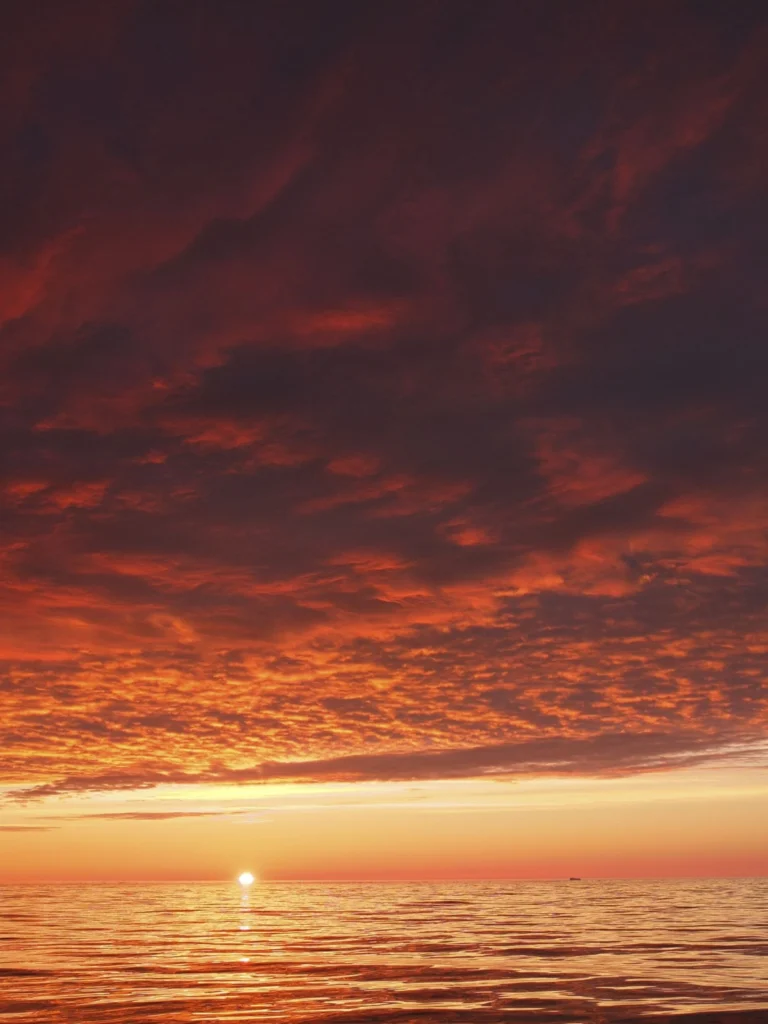
Ruby skies and calm waters are the backdrop for this week’s Imaggeo image – one of the ten finalist images in this year’s EGU Photo contest. “I took the picture while on a scientific cruise in West Greenland in 2013,” explains Christof Pearce, a postdoctoral researcher at Stockholm University. “We spent most of the time …[Read More]
Imaggeo on Mondays: A voyage through scales – The Badlands National Park, South Dakota.
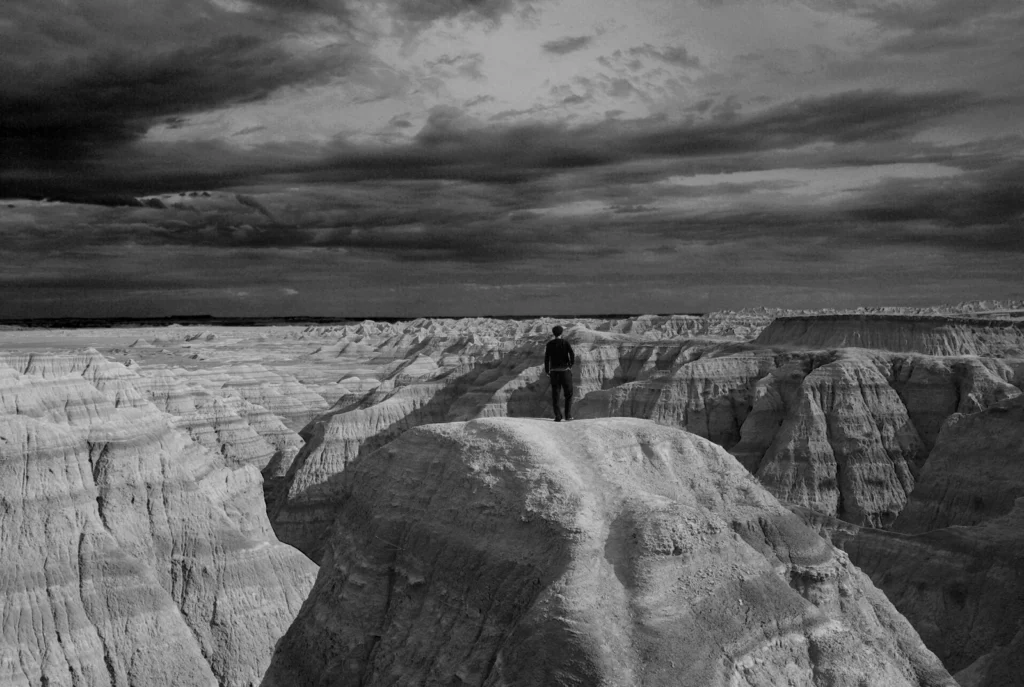
Layer upon layer of sand, clay and silt, cemented together over time to form the sedimentary units of the Badlands National Park in South Dakota, USA. The sediments, delivered by rivers and streams that criss-crossed the landscape, accumulated over a period of millions of years, ranging from the late Cretaceous Period (67 to 75 million …[Read More]
Geosciences Column: Recent and future changes in the Greenland Ice Sheet
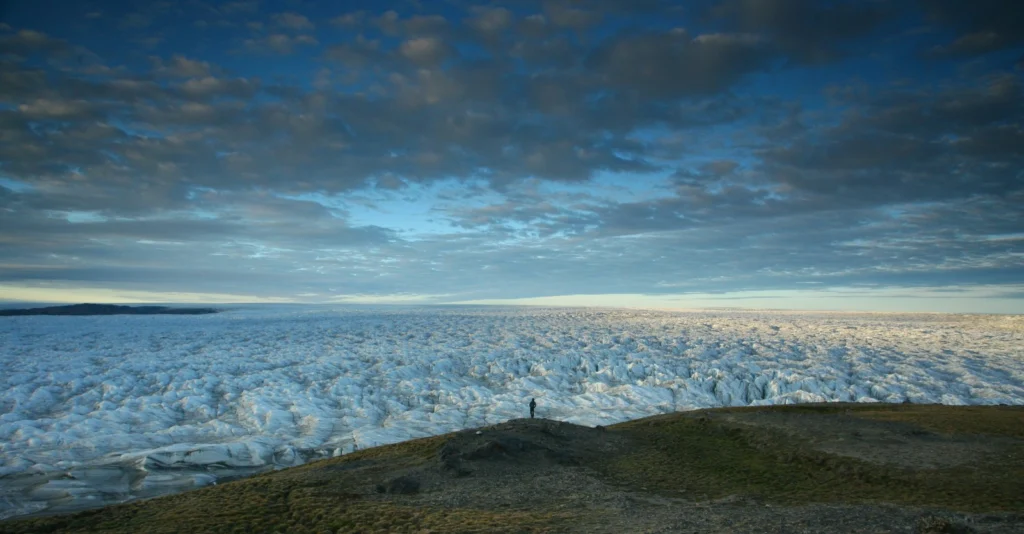
Over the past few decades, the Arctic region has warmed more than any other on Earth. The Greenland Ice Sheet is losing mass faster than ever before, and is expected to keep melting with consequences for global sea-level rise and ocean circulation. At a media briefing, during the EGU’s General Assembly in April (stream it …[Read More]
General Assembly 2015 – Highlights
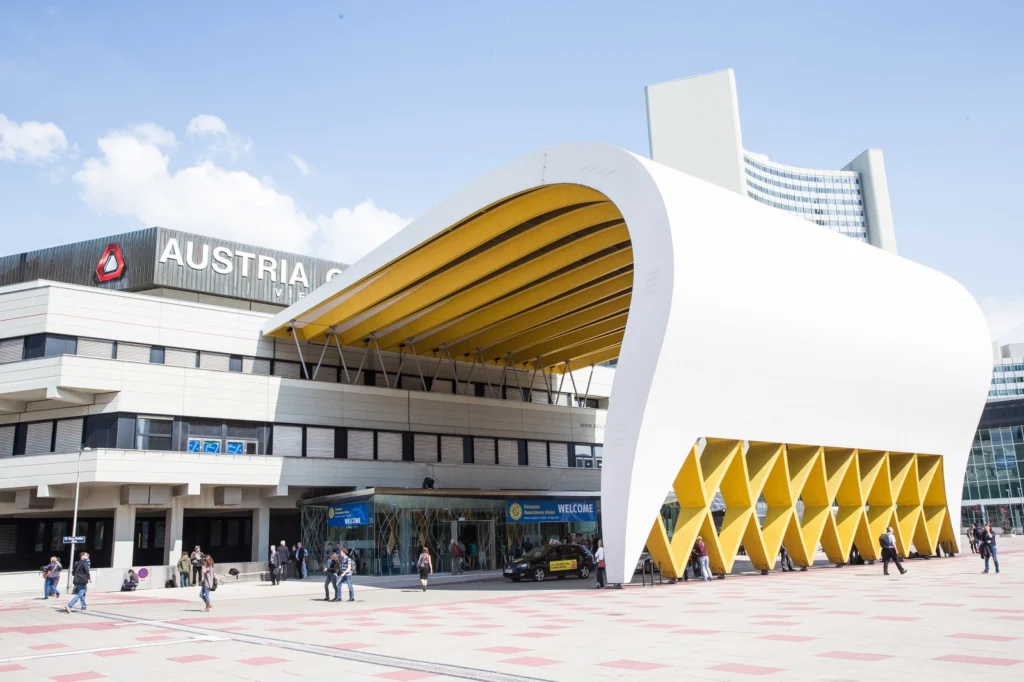
It’s been just over a month since the EGU General Assembly 2015 in Vienna. The conference this year was a great success with 4,870 oral, 8,489 poster, and 705 PICO presentations. There were 577 unique scientific sessions, complimented by an impressive 310 side events, making for an interesting and diverse programme. The conference brought together …[Read More]
GeoTalk: How hydrothermal gases change soil biology
The biosphere is an incredible thing – whether you’re looking at it through the eye of a satellite and admiring the Amazon’s vast green landscape, or looking at Earth’s surface much more closely and watching the life that blossoms on scales the naked eye might never see, you are sure to be inspired. Geochemist, Antonina …[Read More]
Meet the experts: The future of solar-terrestrial research
This year’s General Assembly saw more Short Courses than ever before! With many of the 50 courses on offer having been organised by and/or for early career scientitst, there was no excuse not to pick up some new skills. In this guest blog post, Jone Peter Reistad a PhD candidate at the University of Bergen, …[Read More]