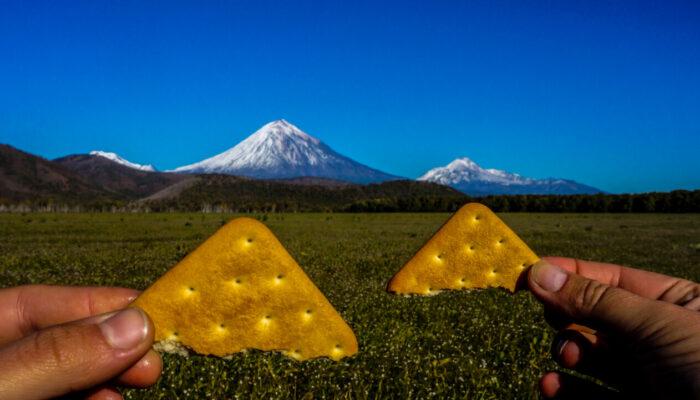
When I joined the European Geosciences Union in 2024 as a media professional, my primary mandate felt straightforward: democratising scientific understanding and building durable, trustworthy bridges that connect scientists, researchers, journalists, and public communicators. Now, in my third year at EGU, I find myself looking out over our scientific community with a mixture of reverence and uneas ...[Read More]
The existential modelling crisis – and how to overcome it
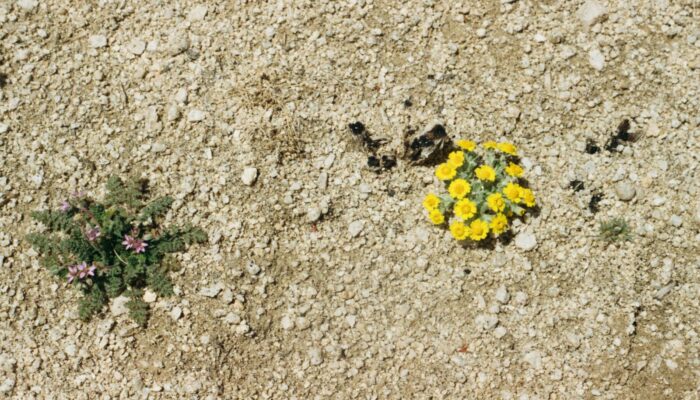
Recently, we had a big name in fire ecology visiting our institute. He had come, among other things, to look for records of a certain fire-adapted shrub in my university’s herbarium. While myself and a colleague helped him go through the stacks of pressed and archived specimens, I asked him why there were so little contributions to the herbarium in recent years. His response was: “People sto ...[Read More]
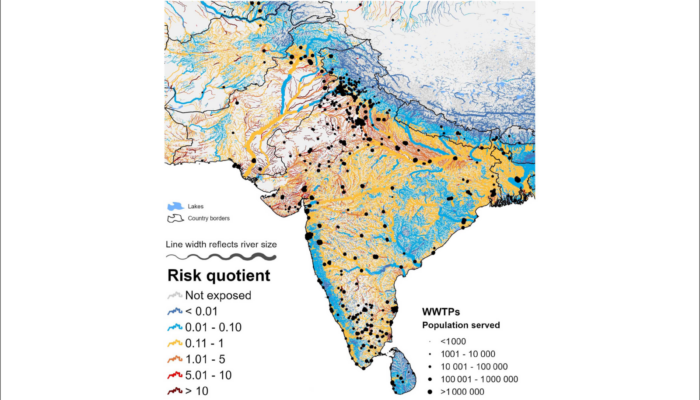
Here is how HydroFATE, a new high-resolution model, is predicting contaminant hotspots in global waterways
Ever wonder what happens to the chemicals and medications we use once they go down the drain? The fourth Sunday of September each year marks the World Rivers Day, and this post is dedicated to our global rivers and what humankind can do to preserve our waters. This is because pharmaceuticals and household products, even after being flushed or washed away, don’t just disappear. Many of these substa ...[Read More]
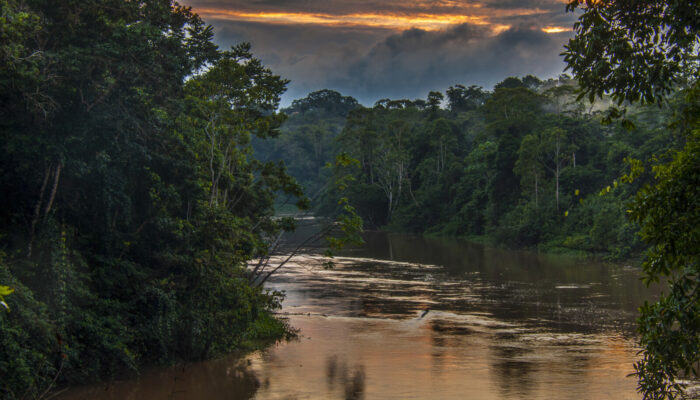
Tropical rainforest, the lungs of our planet, might be releasing more than just CO2!
When I was thirteen years old, my family and I almost lost our lives due to a carbon monoxide (CO) leak. I never stopped thinking about that incident even though it happened over twenty years ago. Not only because it was a premature realisation of my own mortality, but also because of how sneaky it was: We did not smell it, see it, hear it, or feel it. It was a subtle and slow killer that could ha ...[Read More]