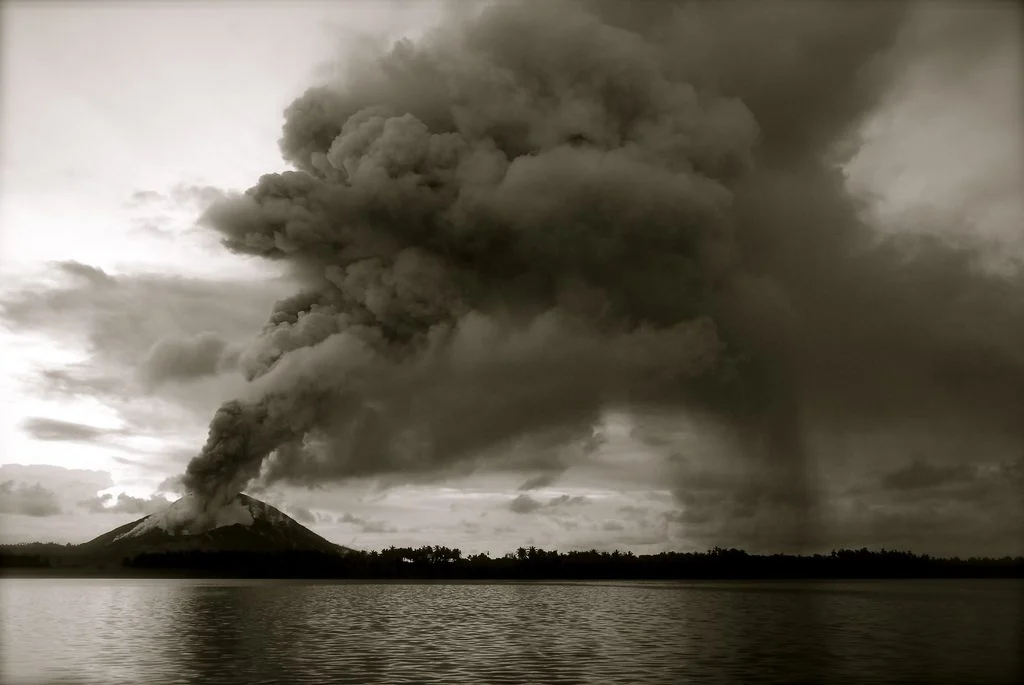
The dawn of the Dark Ages coincided with a volcanic double event – two large eruptions in quick succession. Combined, they had a stronger impact on the Earth’s climate than any other volcanic event – or sequence of events – in the last 1200 years. Historical reports reveal that a mysterious dust cloud dimmed the …[Read More]
Testing triggers of catastrophic climate change
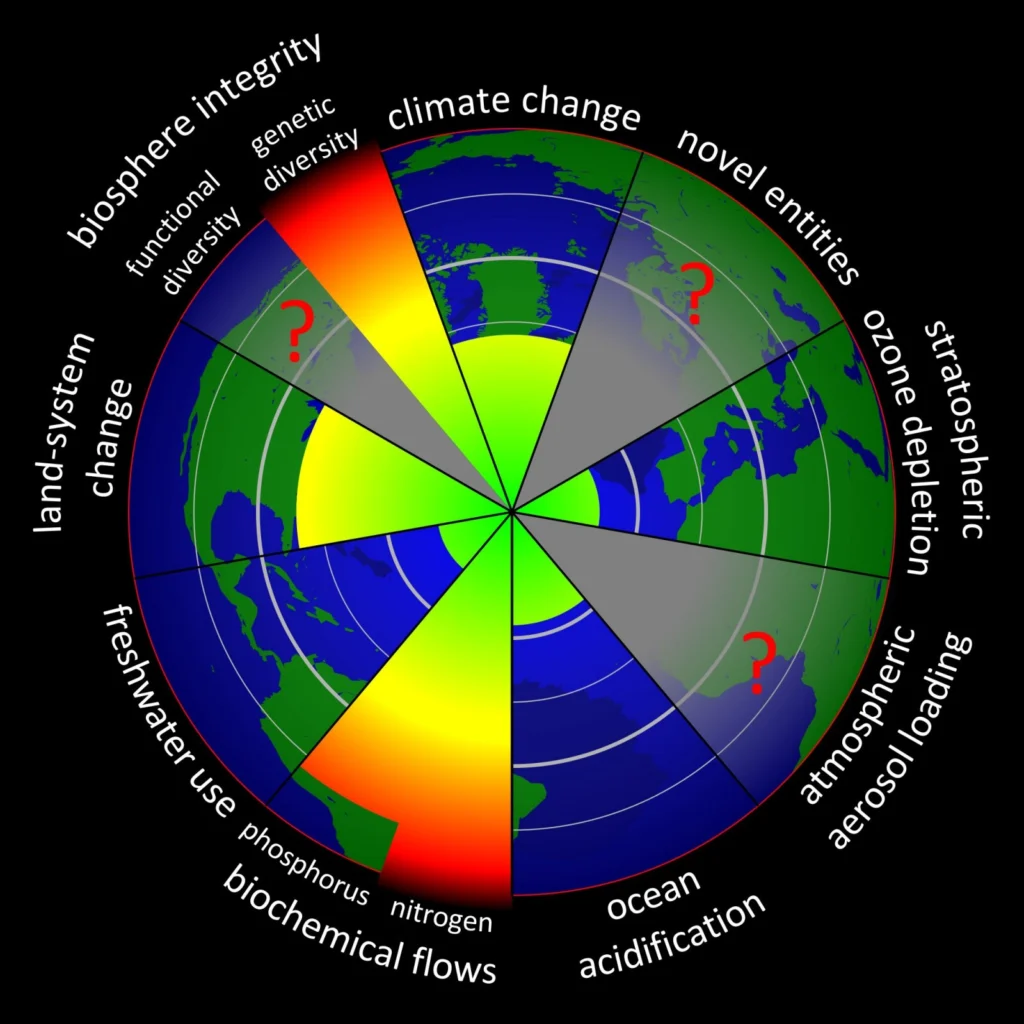
The research presented during the EGU’s 2016 General Assembly have wide-reaching implications for how we understand planet Earth. In today’s post, Sara Mynott, an EGU press assistant during the conference, writes about findings presented at the meeting which highlight the importance of the biosphere when it comes to understanding the threat posed to our planet …[Read More]
GeoTalk: A smart way to map earthquake impact
Last week at the 2016 General Assembly Sara, one of the EGU’s press assistants, had the opportunity to speak to Koen Van Noten about his research into how crowdsourcing can be used to find out more about where earthquakes have the biggest impact at the surface. Firstly, can you tell me a little about yourself? …[Read More]
What’s on in Vienna this weekend
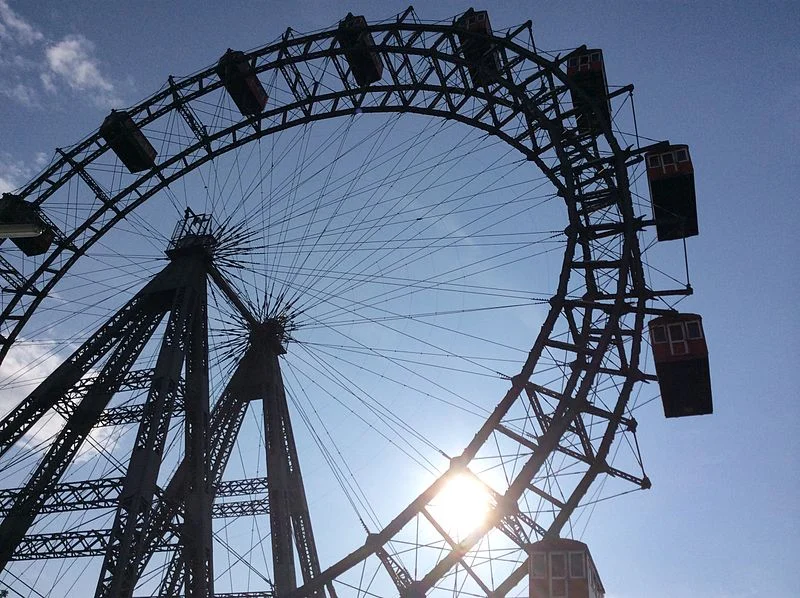
The General Assembly is coming to an end, with only one full day left to go. Many of the participants will make their way home over the weekend, but if you’ve chosen to stay on for a little longer, then this list of cultural activities and things to do in Vienna might just be the …[Read More]
Methane seeps – oases in the deep Arctic Ocean
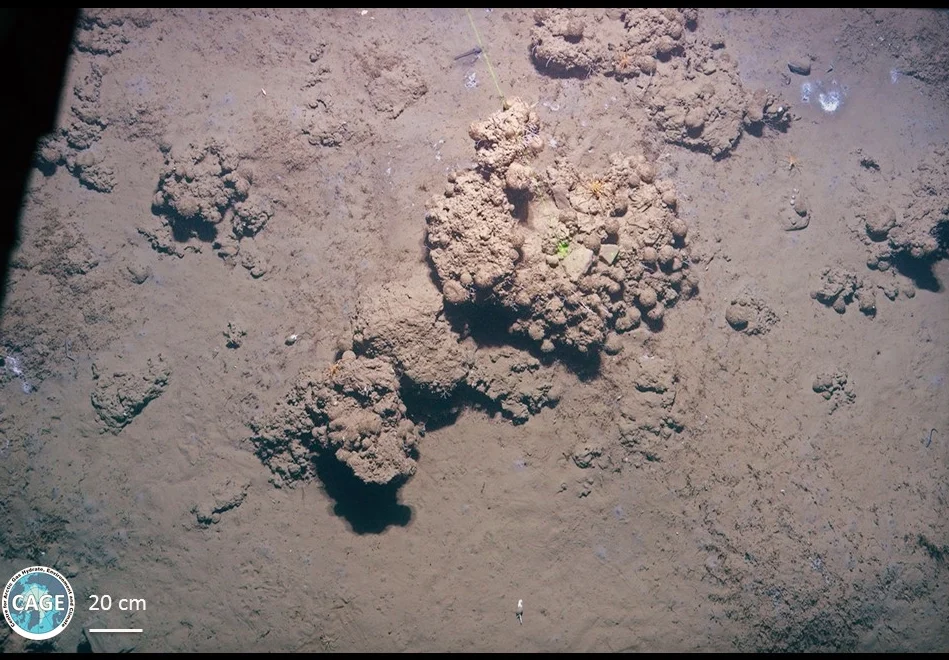
The deep Arctic Ocean is not known for its wildlife. 1200 metres from the surface, well beyond where light penetrates the water and at temperatures below zero, it it’s a desolate, hostile environment. There are, however, exceptions to this, most notably around seeps in the seafloor that leak methane into the water above. Here, methane …[Read More]
GeoTalk: Matthew Agius on how online communication can help identify earthquake impact
In this edition of GeoTalk, we’re talking to Matthew Agius, a seismologist from the University of Malta and the Young Scientist Representative for the EGU’s Seismology Division. Matthew gave an enlightening talk during the EGU General Assembly on how communication on online platforms such as Facebook can help scientists assess the effect of earthquakes. Here …[Read More]
Imaggeo on Mondays: Beneath a star-studded sky
Marco Matteucci captured this image of the night sky on the slopes of Mount Rosa, the second tallest peak in Alps. Mount Rosa straddles the border between southern Switzerland and Italy the pink mountain’s name comes from the Franco-Provençal word rouése, meaning glacier. Much off the Swiss side of the mountain is enveloped in the …[Read More]
GeoEd: Working together
When a geoscientist steps into a classroom, set to share their wonders of the Earth with a host of eager young minds, they are heading straight into unknown waters. Which students will rock the boat? What works well for this class and what should you steer well clear of? Not knowing the answers can turn …[Read More]
Imaggeo on Mondays: Spectacular splatter – the marvels of a mud volcano
Mud volcanoes, unlike many others, do not extrude lava. Instead, they release glutinous bubbling brown slurry of mineral-rich water and sediment. They range in size from several kilometres across, to less than a metre – the little ones are known as mud pots, reflecting their diminutive nature. The world’s largest, though, is Lusi: a mud volcano …[Read More]
Geosciences Column: The Toba eruption probably did have a global effect after all
Almost everyone has heard of the Toba super-eruption, which took place on the island of Sumatra roughly 74,000 years ago, but the only evidence of tephra or tuff (volcanic fragments) from the eruption is in Asia, with nothing definite further afield. It has sometimes been thought that this huge eruption may have led to a …[Read More]