

GeoLog
Avatar photo

Bárbara Ferreira

Bárbara Ferreira was the Media and Communications Manager of the European Geosciences Union from 2011 to 2019. Bárbara has also worked as a science writer specialising in astrophysics and space sciences, producing articles for the European Space Agency and others on a freelance basis. She has a PhD in astrophysics from the University of Cambridge.

Scientists share new observations from comet-chasing Rosetta Mission
Scientists share new observations from comet-chasing Rosetta Mission
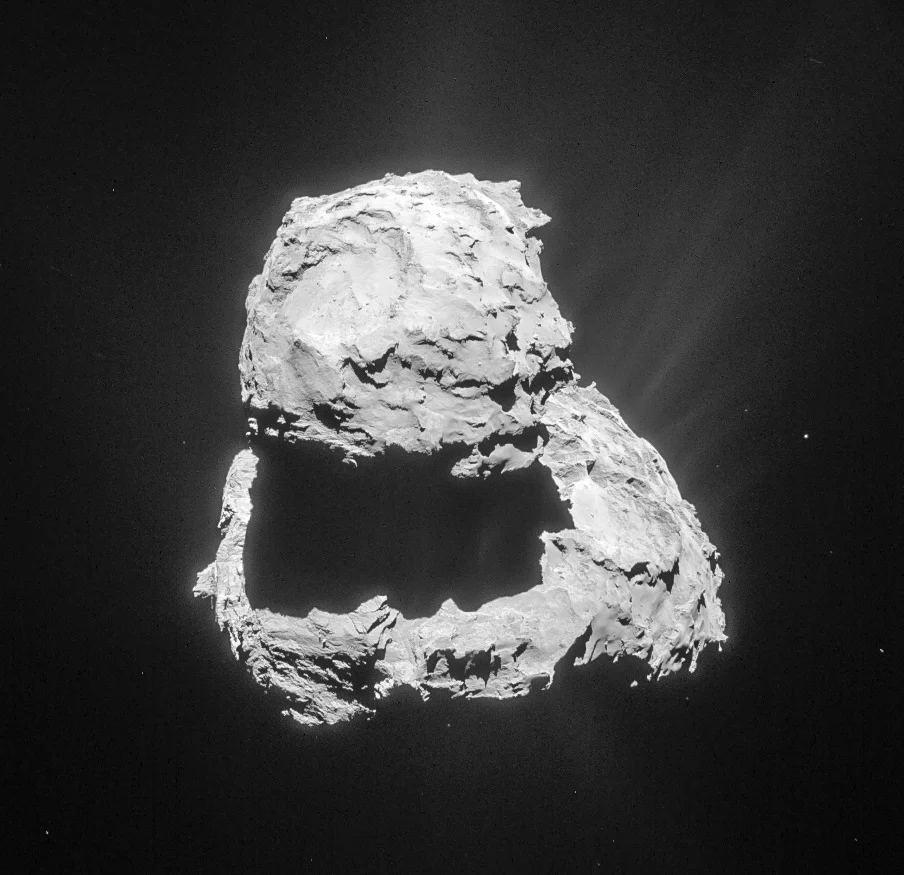
Scientists working on the European Space Agency (ESA) Rosetta Mission provided an update on the comet-chaser and its lander, Philae, at the European Geosciences Union (EGU) General Assembly last week, as well as sharing new science gained from the duo so far. These new results from Rosetta were announced at a press conference on Tuesday 14 April, with additional research presented at the Rosetta s ...[Read More]

Introducing the new EGU young scientist representatives at Union level

Introducing the new EGU young scientist representatives at Union level

While each of the division young scientist representatives gather feedback from young scientists in their fields, the Union-level representative gathers information from each of the division reps and takes it to the EGU’s Programme Committee – the group responsible for organising the EGU’s annual General Assembly – and, from this year onwards, to the EGU Council as well. Following a two-year term, ...[Read More]

EGU2014: Applying for financial support to attend the General Assembly

A limited amount of the overall budget of the EGU General Assembly is reserved to assist young scientists and established scientists from low and lower middle income countries who wish to present their work at the meeting. From 2005 to 2013, the total amount awarded grew from about €50k to €90k. For the 2014 General Assembly, the EGU has allocated €110k for financial support for scientists to atte ...[Read More]

Imaggeo on Mondays: Rainbow in stone

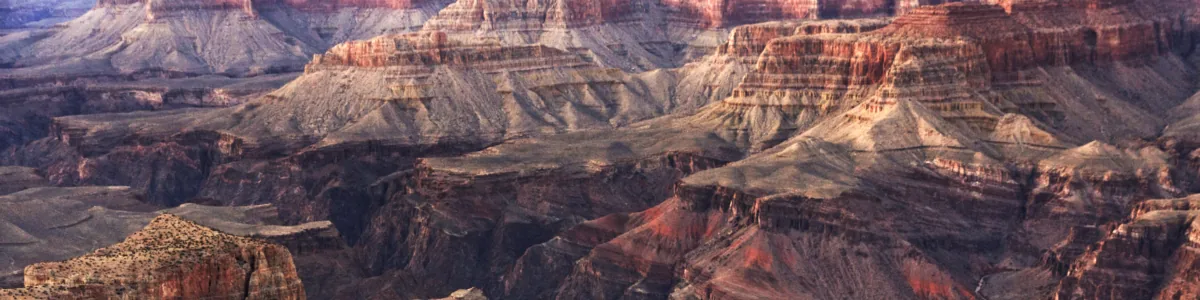
Nothing better characterises the wild US West than endless landscapes of red hoodoos, spires of rock protruding from the bottom of an arid drainage basin or badland. Found mainly in desert and dry, hot areas, hoodoos are distinctive from similarly-shaped formations, such as spires or pinnacles, because their profiles vary in thickness throughout their length. Their distinctive colour bands are the ...[Read More]

Register for the EGU General Assembly 2013

Online pre-registration to the 2013 EGU General Assembly is open until 13 March 2013. The meeting, taking place in Vienna from 07–12 April, brings together over 10,000 scientists from all over the world and covers all disciplines of the Earth, planetary, and space sciences. To register, you will need to create an account with Copernicus, our meetings’ organiser, if you don’t already have one ...[Read More]

Imaggeo on Mondays: Amazonian floodplain

After the Nile, the Amazon River is the second longest river in the world and, by releasing up to 300,000 cubic metres per second into the Atlantic Ocean, accounts for approximately one-fifth of the planet’s total river flow. The river and its tributaries are characterised by extensive annual flooding of over 350,000 square kilometres of forested areas. Floodplain water levels may exceed 9m. Not a ...[Read More]

A story of Spitfires? Archaeological geophysics in Burma (Part 3)

Buried beneath the soils of Burma lies a mystery that has been almost 70 years in the making: were a shipment of Spitfire aircraft concealed beneath a British airbase at the end of the Second World War? Dr Adam Booth, a geophysicist at Imperial College London and regular GeoLog contributor, is part of an archaeological team who are trying to unearth the truth in this tale. He’s posting to GeoLog f ...[Read More]

Imaggeo on Mondays: Storm in Mount Waddington

This week’s Imaggeo on Mondays is brought to you by the photographer herself, Marion Bisiaux (now at Stendhal University, Grenoble, France), who tells us about her exciting field trip to the British Columbia’s Coast Range. This picture was taken during the Waddington Range Ice Core Project in which I participated during my PhD at the University of Nevada, Reno, US and at the Desert Research Instit ...[Read More]

Geosciences Column: Spotting signs of sea-quakes

A French and Algerian study team seeks markers of underwater earthquakes off the Algerian coast. The team also matched the site’s paleoseismic history to land-based historical reports. Wayne Deeker reports. The Mediterranean Sea represents the boundary between the African and Eurasian plates. Yet the fault segment off the Algerian coast is one of the most active in the western Mediterranean. It is ...[Read More]

A story of Spitfires? Archaeological geophysics in Burma (Part 2)

Buried beneath the soils of Burma lies a mystery that has been almost 70 years in the making: were a shipment of Spitfire aircraft concealed beneath a British airbase at the end of the Second World War? Dr Adam Booth, a geophysicist at Imperial College London and regular GeoLog contributor, is part of an archaeological team who are trying to unearth the truth in this tale. He’ll be posting to GeoL ...[Read More]