TS
Tectonics and Structural Geology

Tectonics and Structural Geology

Mind Your Head #4: Job uncertainty in academia – know your strengths and possibilities!
Mind Your Head #4: Job uncertainty in academia – know your strengths and possibilities!

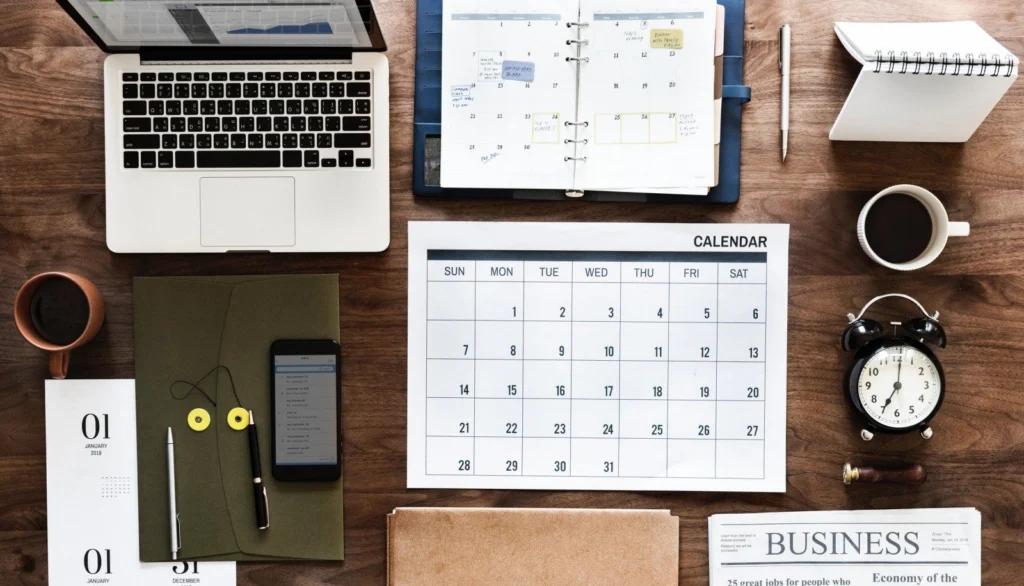
Mind Your Head is a blog series dedicated towards addressing mental health in the academic environment and highlighting solutions relieving stress in daily academic life. In the three previous blog post of this ‘Mind your head’ series, we discussed the importance of communication with fellow ECS, time management, and a healthy relationship with your advisors. However, there is one …[Read More]

Mind your head #3: A healthy relationship with your advisor

Mind your head #3: A healthy relationship with your advisor

Mind Your Head is a blog series dedicated towards addressing mental health in the academic environment and highlighting solutions relieving stress in daily academic life. Besides the professional environment in general, the relationship between early career researchers and their advisors also plays an important role in the degree of stress researchers might experience. This relationship …[Read More]

Minds over Methods: Linking microfossils to tectonics

Minds over Methods: Linking microfossils to tectonics

This edition of Minds over Methods article is written by Sarah Kachovich and discusses how tiny fossils can be used to address large scale tectonic questions. During her PhD at the University of Brisbane, Australia, she used radiolarian biostratigraphy to provide temporal constraints on the tectonic evolution of the Himalayan region – onshore and offshore on board …[Read More]

Minds over Methods: Experimental seismotectonics

Minds over Methods: Experimental seismotectonics

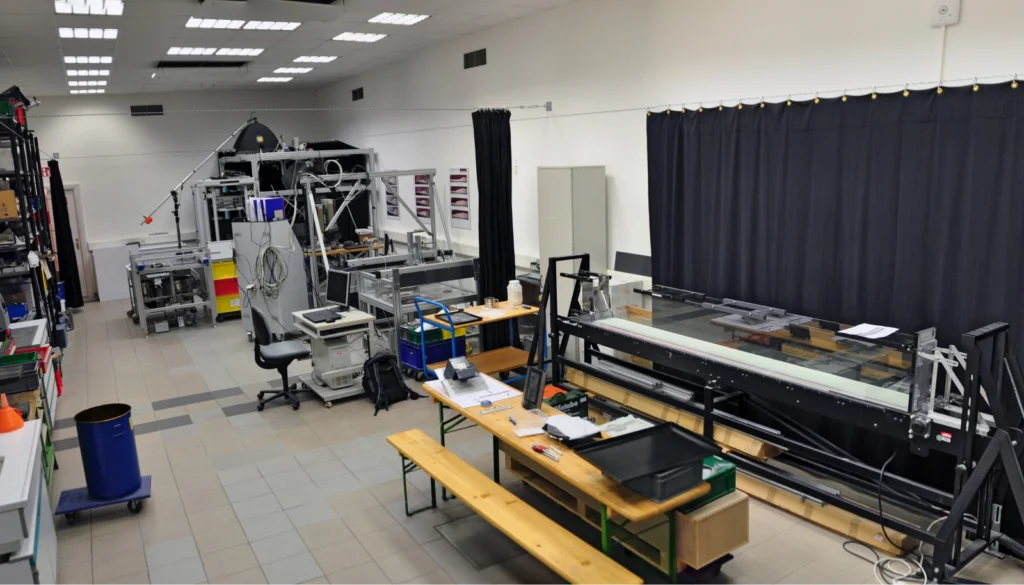
For our next Minds over Methods, we go back into the laboratory, this time for modelling seismotectonics! Michael Rudolf, PhD student at GFZ in Potsdam (Germany), tells us about the different types of analogue models they perform, and how these models contribute to a better understanding of earthquakes along plate boundaries.   Experimental seismotectonics – …[Read More]

Minds over Methods: Reconstructing oceans lost to subduction

Minds over Methods: Reconstructing oceans lost to subduction

Our next Minds over Methods article is written by Derya Gürer, who just finished a PhD at Utrecht University, the Netherlands. During her PhD, she used a combination of many methods to reconstruct the evolution of the Anadolu plate, which got almost entirely lost during closure of the Neotethys in Anatolia. Here, she explains how the …[Read More]

EGU – Realm and Maze? An interview with Susanne Buiter, the current chair of the EGU Programme Committee

EGU – Realm and Maze? An interview with Susanne Buiter, the current chair of the EGU Programme Committee

Susanne Buiter is senior scientist and team leader at the Solid Earth Geology Team at the Geological Survey of Norway. She is also the chair of the EGU Programme Committee. This means that she leads the coordination of the scientific programme of the annual General Assembly. She assists the Division Presidents and Programme Group chairs …[Read More]

Paris: From quarry to catacombs

Paris: From quarry to catacombs

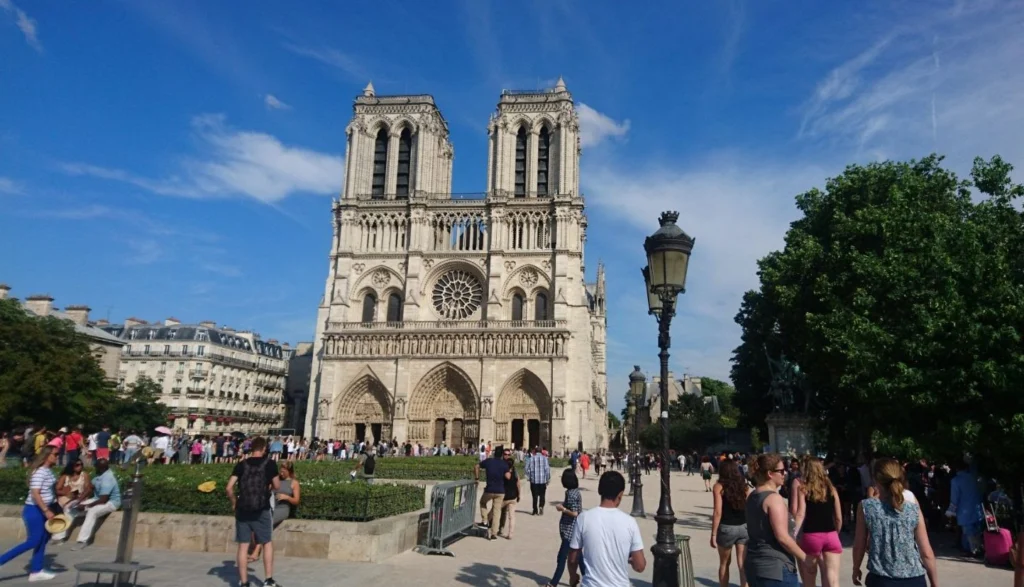
Paris, 2000 ya. Claude is sweating all over. It’s mid-July and the sun is burning on his skin. With his hammer and shovel he is digging up grey and white stones. The faults and fractures in the rock help him to get the rocks out easily. But still, it’s hot and humid and his shift …[Read More]

How Rome and its geology are strongly connected

How Rome and its geology are strongly connected

Walking through an ancient and fascinating city like Rome, there are signs of history everywhere. The whole city forms an open-air museum, full of remnants of many different times the city has known, from the Imperial to the Medieval times, the Renaissance, the Fascist period, and finally the present day version of Rome. For historians …[Read More]