SSP
Stratigraphy, Sedimentology and Palaeontology
Avatar photo

Jon Noad

I graduated in 1985 and started working as a mining geologist in South Africa. I returned to the UK to work in marine cable laying and completed a Masters in Sedimentology at evening classes. This led to a full time PhD, working in eastern Borneo, after which I joined Shell International working Middle East exploration and several production roles. I moved to Shell Canada in Calgary, followed by senior geoscience roles at Murphy, Husky and Gran Tierra (Colombia). I then started a consultancy in 2017 and ran field trips and courses for industry as well as teaching at several universities. I now work as a Palaeontologist monitoring construction sites. Twitter handle @dinojonrox

The Guinness Book of Sedimentology: your guide to the world’s largest EVER sedimentary landforms

The Guinness Book of Sedimentology: your guide to the world’s largest EVER sedimentary landforms

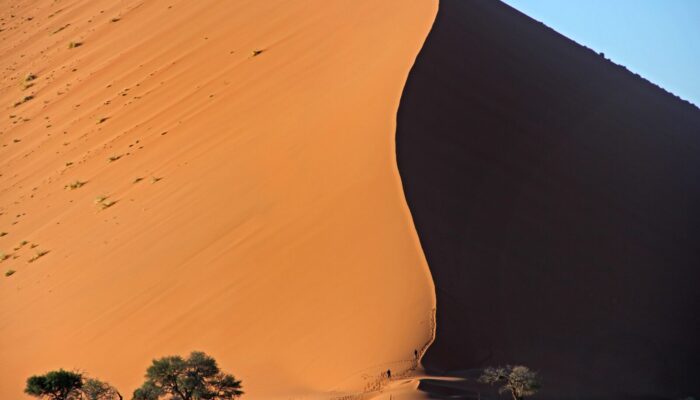
There is something about really BIG things that always grabs people’s attention – look at dinosaurs for example. The geological record is littered with the extreme and today we will explore the biggest, the tallest, the deepest and steepest sedimentary structures and landforms ever to grace our planet. Depositional environments ranging from fluvio-lacustrine and aeolian, coastal environments ...[Read More]

Broadening our Understanding of Bird Ichnology through Neoichnology

Broadening our Understanding of Bird Ichnology through Neoichnology

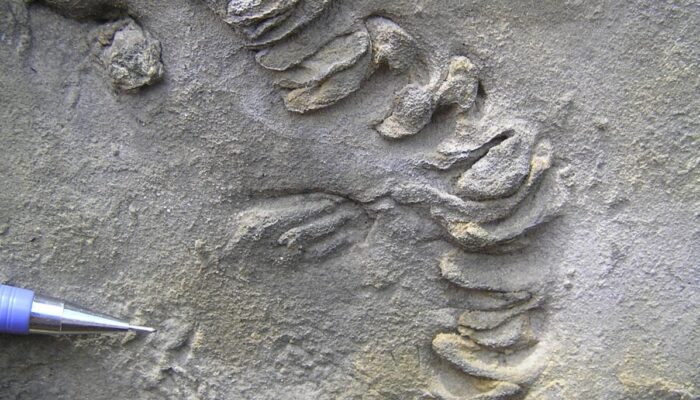
Introduction Bird footprints are some of the most recognizable traces in the fossil record. Yet birds exhibit a wide variety of behaviours which may be preserved as ancient traces. Records include feeding traces like probing, nesting structures and possibly coprolites, but the study of the traces left by modern birds extends their scope to courtship-related scrapes, swimming and diving traces, bir ...[Read More]

A Story of Fertilizer and the Colour Purple

A Story of Fertilizer and the Colour Purple

Introduction It is sometimes difficult to admit that you are (officially) a nerd, but I have a confession to make. I have collected dinosaurs on stamps for the last thirty years. Over 10,000 of these stamps have been issued across the world, and the vast majority of these issues are in my collection. One question that I am often asked is when the first dinosaur stamp was issued, which turns out to ...[Read More]

The Geology of Wine

The Geology of Wine

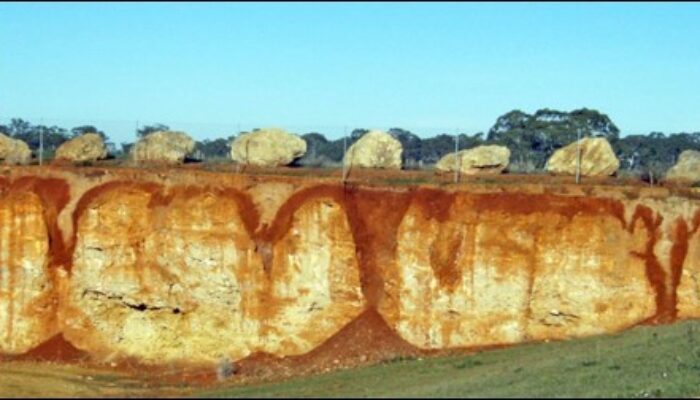
I am sure that there are many geologists who take a keen interest in wine, and not just in drinking it. Explaining the vast diversity of quality, flavours and aromas is no simple task, and what fascinates me is the relative role of the geology, and the associated soils, in determining which vineyards are winners and losers. Many factors will influence the character of the wine, generally summarize ...[Read More]

Fiascos in the Field

Fiascos in the Field

Introduction There are always new things to learn about geology. Only today I discovered a stromatolite bed in a completely terrestrial setting. But behind any new discovery lies the logistic challenge in getting out into the field and, most importantly, staying safe. Over the years I have led many field trips and spent months in the field, mostly successful but with numerous hiccups along the way ...[Read More]

The Geology of the Galápagos and Its Impact on the Wildlife

The iconic view of volcanic terrain at Bartholomé Island Introduction The Galápagos Islands, located around 1000 km off the Ecuadorian coast, are justifiably known as one of the world’s premier wildlife viewing destinations. The isolated terrain hosts some extraordinary animals and plants, many endemic to the islands. It was here that Charles Darwin was inspired to develop his theory of evolution. ...[Read More]

Outcrop analogues to Carbon Sequestration Targets: the Gog Quartzite of Alberta – including a short virtual field trip!

Outcrop analogues to Carbon Sequestration Targets: the Gog Quartzite of Alberta – including a short virtual field trip!

Introduction In 2022 I was asked to put together a virtual field trip looking at carbon sequestration (CCS). We are particularly lucky in Alberta in having three excellent Cambrian targets for CCS including the Basal Cambrian Sandstone, currently being used for CCS in Shell’s QUEST project, quartzites of the Deadwood Formation (being utilized for a CCS project in Saskatchewan) and the Gog Quartzit ...[Read More]

Tapping into commercial datasets – a woefully underutilized resource

Tapping into commercial datasets – a woefully underutilized resource

Tapping into commercial datasets Over the last two years, I have had the opportunity to work on a variety of construction related projects across Alberta, both as a palaeontologist and as geologist. They have included pipeline lays and inspections, bridge and highway remediation, building projects, quarrying and dam construction. Each of the projects has offered the chance to examine brand new exp ...[Read More]

The Sedimentology of Palaeontology

The Sedimentology of Palaeontology

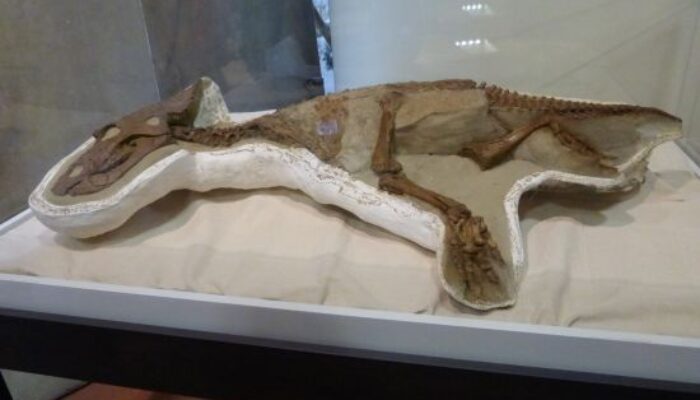
A chance to reflect Over the last year, I have been lucky enough to spend more than two months in the field examining a variety of outcrops representing terrestrial, glacial and marine depositional settings. To protect Alberta’s fossil heritage, the law demands that all sites where excavation will be undertaken must be assessed for their paleontological potential. Should it prove likely that signi ...[Read More]