EGU Blogs

Division blogs

NP
Nonlinear Processes in Geosciences

ECS SpotLight: The link between European warm-temperature extremes and atmospheric persistence

ECS SpotLight: The link between European warm-temperature extremes and atmospheric persistence

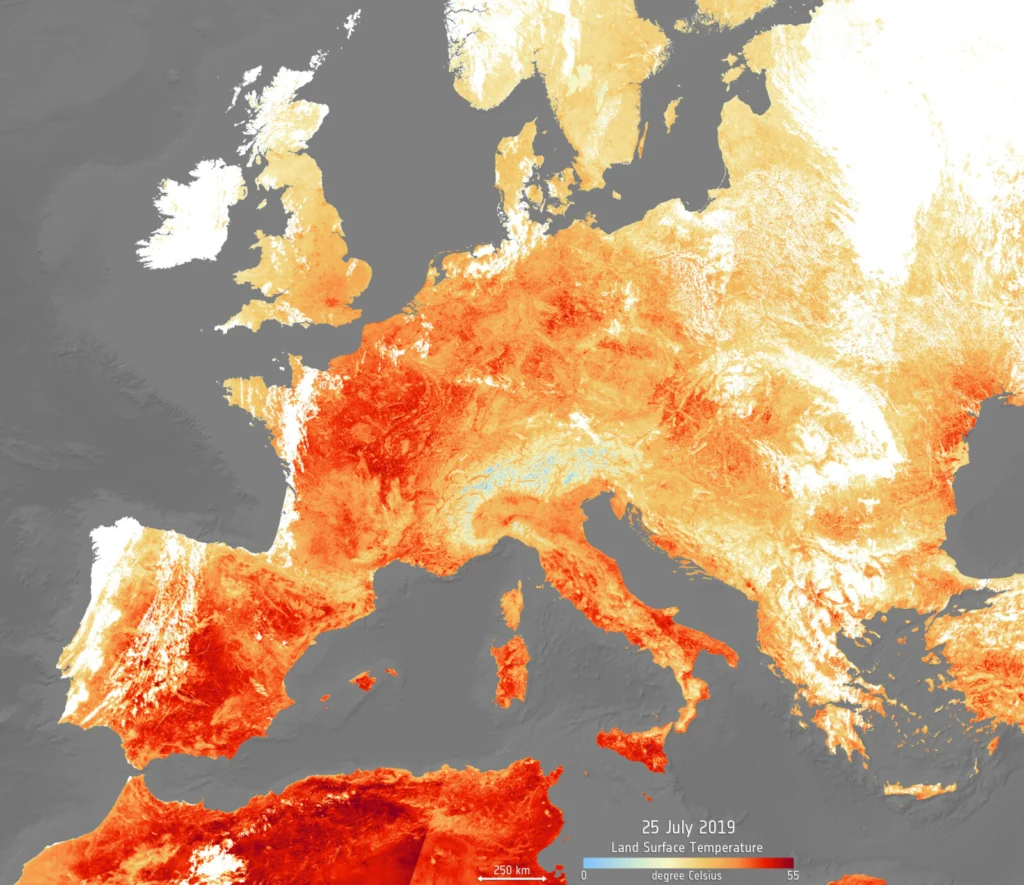
Persistent atmospheric circulation patterns are not a necessary requirement for warm temperature extremes in Europe. This key finding from a recent study led by Emma Holmberg challenges a more traditional meteorological view of persistence, which typically considers summertime heatwaves, especially in northern regions of Europe, to be synonymous with persistent atmospheric flow patterns. Furthermore, wintertime …[Read More]

NH
Natural Hazards

Is culture the missing link to disaster risk reduction?

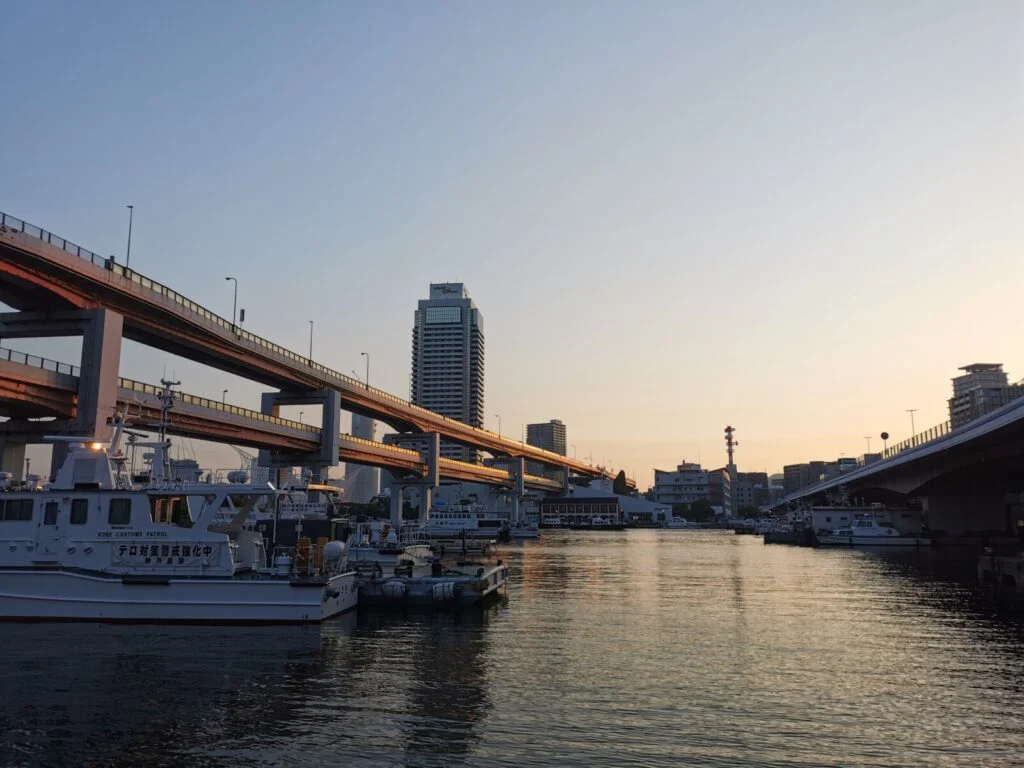
The City of Kobe, Chuo Ward (photo credit: Asimina Voskaki)

Sophocles, a great tragic writer of Classical Athens, said that “success is dependent on effort”. When it comes to disaster risk reduction, are we doing enough to develop a culture of resilience and how do cultural factors affect people’s willingness to protect themselves and build an effective disaster reduction and reconstruction mechanism? In 1995 (17/01/1995), …[Read More]

HS
Hydrological Sciences

Join the IAHS’ New Scientific Decade: Science for Water Solutions – HELPING

Join the IAHS’ New Scientific Decade: Science for Water Solutions – HELPING

What are the most pressing research topics in the international community of hydrologists? What are people working on? And how can you become involved?  Many hydrologists, especially early career scientists, struggle to find answers to these questions.  That is where the scientific decades of the International Association of Hydrological Sciences (IAHS) come in. Specifically, its …[Read More]

HS
Hydrological Sciences

Ma Terre en 180 Minutes: reducing our carbon footprint with concrete actions

Ma Terre en 180 Minutes: reducing our carbon footprint with concrete actions

As with all professional activities, one of the greatest challenges for us, geoscientists, is how to reduce our own CO2 emissions linked to our research activities over the coming decades. A collective of 57 researchers came together in 2021-2022 to promote awareness and concrete action to decarbonize scientific activities: it was the birth of Ma …[Read More]

GD
Geodynamics

Modelling CPO evolution with D-Rex

Modelling CPO evolution with D-Rex

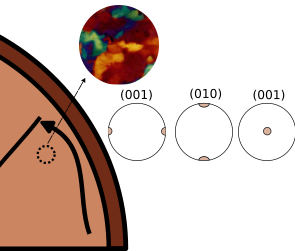
As a result of Earth’s mantle convection, rocks in the earth’s interior flow and develop a crystallographic texture. These textures reveal the planet’s thermal and tectonic history and are responsible for the viscous anisotropy, which can be used to study the planet’s deeper recesses that are not visible through other means. This necessitates the use …[Read More]

GM
Geomorphology

Flat but Fascinating: A New Perspective on Berlin at the 17th Annual International Young Geomorphologists’ Meeting 

Flat but Fascinating: A New Perspective on Berlin at the 17th Annual International Young Geomorphologists’ Meeting 

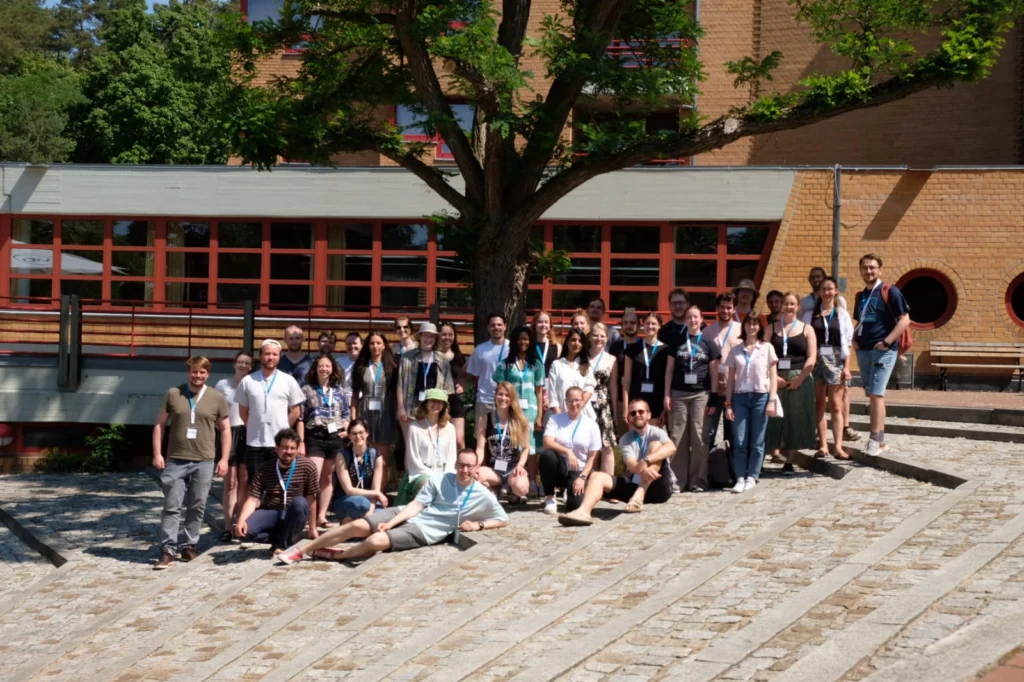
Emma Lodes, PhD student, GFZ-Potsdam (Germany) Twitter: @LodesEmma    |    email: lodes@gfz-potsdam.de When I consider places with exciting geomorphology, Germany’s capital does not spring to mind. Berlin is an isolated urban hub encircled by the flat, agriculturally dominated state of Brandenburg. Northeastern Germany was leveled by ice sheets during the last several glaciations, and …[Read More]