
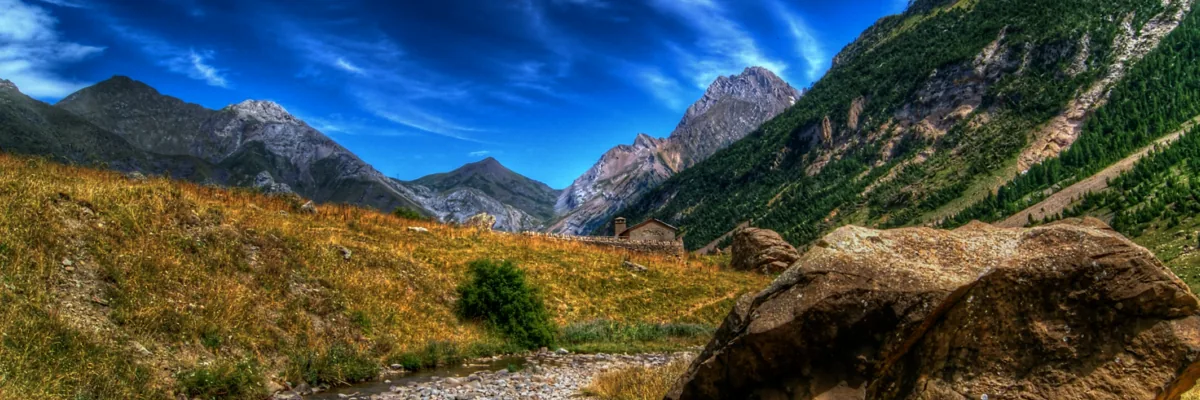
Antonio Jordán, University of Seville, Sevilla, Spain Most Gypsisols are formed when gypsum (calcium sulfate) from gypsiferous parent materials is dissolved and moves through soil water, precipitating in an accumulation soil horizons. Triassic rock outcrops in almost all Andalusia consist mainly of red and variegated clays and in some cases by clays of different colors …[Read More]
Division blogs
Words on Wednesday: Global trends in extreme precipitation – climate models versus observations
Words on Wednesday aims at promoting interesting/fun/exciting publications on topics related to Energy, Resources and the Environment. If you would like to be featured on WoW, please send us a link of the paper, or your own post, at ERE.Matters@gmail.com. *** Asadieh, B. and Krakauer, N. Y.: Global trends in extreme precipitation: climate models versus observations, Hydrol. Earth Syst. Sci., …[Read More]
Monday paper: Short-term changes in soil Munsell colour value, organic matter content and soil water repellency after a spring grassland fire in Lithuania
Pereira P, Úbeda X, Mataix-Solera J, Oliva M, Novara A: Short-term changes in soil Munsell colour value, organic matter content and soil water repellency after a spring grassland fire in Lithuania. Solid Earth, 5, 209-225. DOI: 10.5194/se-5-209-2014. Abstract Fire is a natural phenomenon with important implications on soil properties. The degree of this impact depends upon …[Read More]
Monday paper: Thermal shock and splash effects on burned gypseous soils from the Ebro Basin (NE Spain)
León J, Seeger M, Badía D, Peters P, Echevarría T: Thermal shock and splash effects on burned gypseous soils from the Ebro Basin (NE Spain). Solid Earth, 5, 131-140. DOI: 10.5194/se-5-131-2014. Abstract Fire is a natural factor of landscape evolution in Mediterranean ecosystems. The middle Ebro Valley has extreme aridity, which results in a low plant …[Read More]
Four years in Tibet – Eva Huintjes
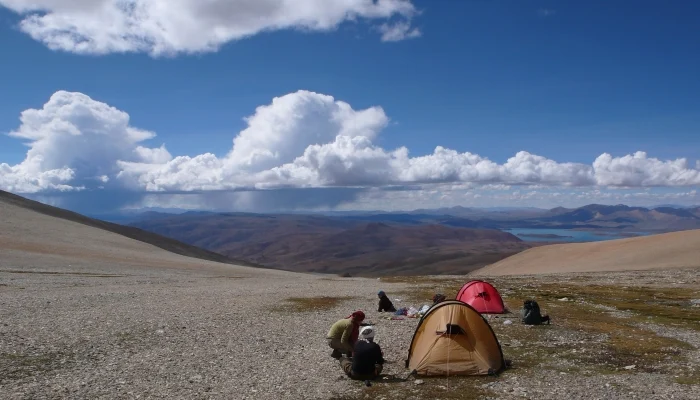
The Tibetan Plateau – area: 2.5 million km2, mean elevation: 4,700 m a.s.l., surrounded by a series of high mountain ranges that are home to some of the world’s highest peaks: Himalayas, Karakoram, Pamir, Kunlun Shan. Considering these characteristics and the unique cultural heritage of Tibet the decision was easy when I was asked if …[Read More]
Connectivity: an emerging issue
Antonio Jordán (University of Seville, Spain) Paulo Pereira (Mykolas Romeris University, Lithuania) Saskia Keesstra (Wageningen University, The Netherlands) Artemi Cerdà (University of Valencia, Spain) What is connectivity? Over the recent decades, a growing number of studies have highlighted the role of hydrological and sediment connectivity processes in relation to watershed management, topography, aspect, soil …[Read More]
Georisks in the Mediterranean and their mitigation
An international scientific conference about Georisks in the Mediterranean and their mitigation is going to be held in Malta between the 20th and 21st July, 2015. This Scientific Conference is organised by the University of Malta, as part of the SIMIT project: Integrated Civil Protection System for the Italo-Maltese Cross-Border Area. The meeting will bring together experts and …[Read More]
A Climate Modeling Workshop in the South of France!
Climate and its effects on the past, present and future of the human race is a heated, topic of debate these days. There are many competing interests at stake from governments and politicians to the big oil and energy companies of the world to the scientists trying to work on climate change problems to the …[Read More]
9th international Young Geomorphologists’ Workshop
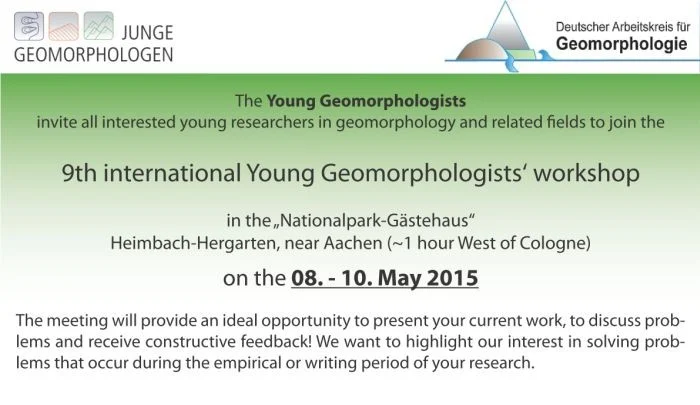
We’re happy to announce the 9th international young geomorphologists’ workshop, organized by the “Junge Geomorphologen” from Germany. The workshop will take place on 08.-10. May 2015 in Heimbach-Hergarten, near Aachen, Germany (see flyer). The meeting will provide an ideal opportunity to present your current work, to discuss problems and receive constructive feedback! We want to …[Read More]
Welcome to the AS division blog
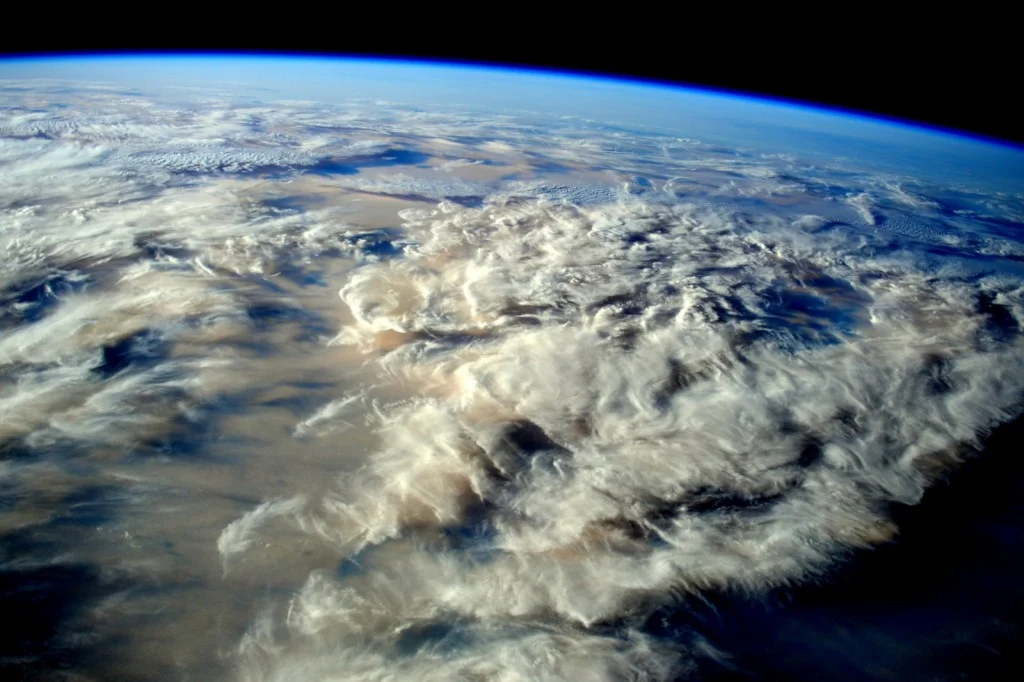
The Atmospheric Sciences Division of the EGU is launching its new blog. This blog hopes to address a number of topics, as well as the major challenges, related to the atmospheric sciences. In this introductory post, I would like to present some of the topics we will address here and also some hurdles the …[Read More]