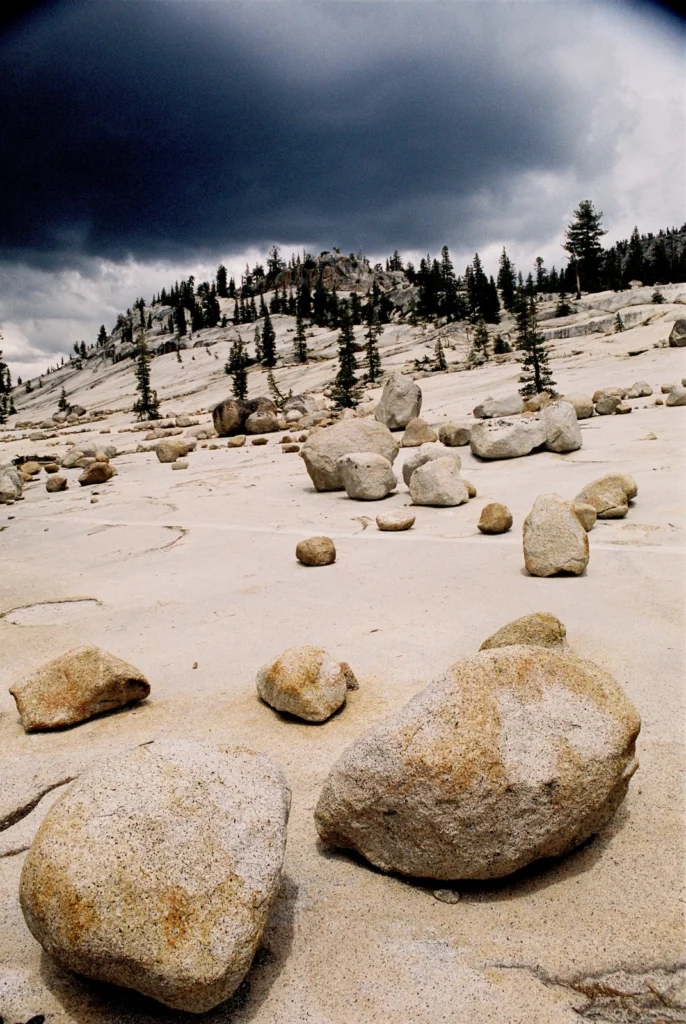
When you think of California, with its sun-soaked beaches and Hollywood glamour, glaciers may not be the first thing that spring to mind – even for ice nerds like us. However, Yosemite National Park in California’s Sierra Nevada is famous for its dramatic landscape, which was created by glacial action. With our latest image of …[Read More]
Division blogs
Image of the Week — Looking back at 2016
I cannot believe that a full year has passed since this very cute pink unicorn wished you a Happy New Year. Yet, over the past 12 months our blog has attracted more than 16,200 visits. And the blog analytics show that you, our dear readers, are based not only in Europe but literally all over the world! …[Read More]
Image of the Week – The Sound of an Ice Age
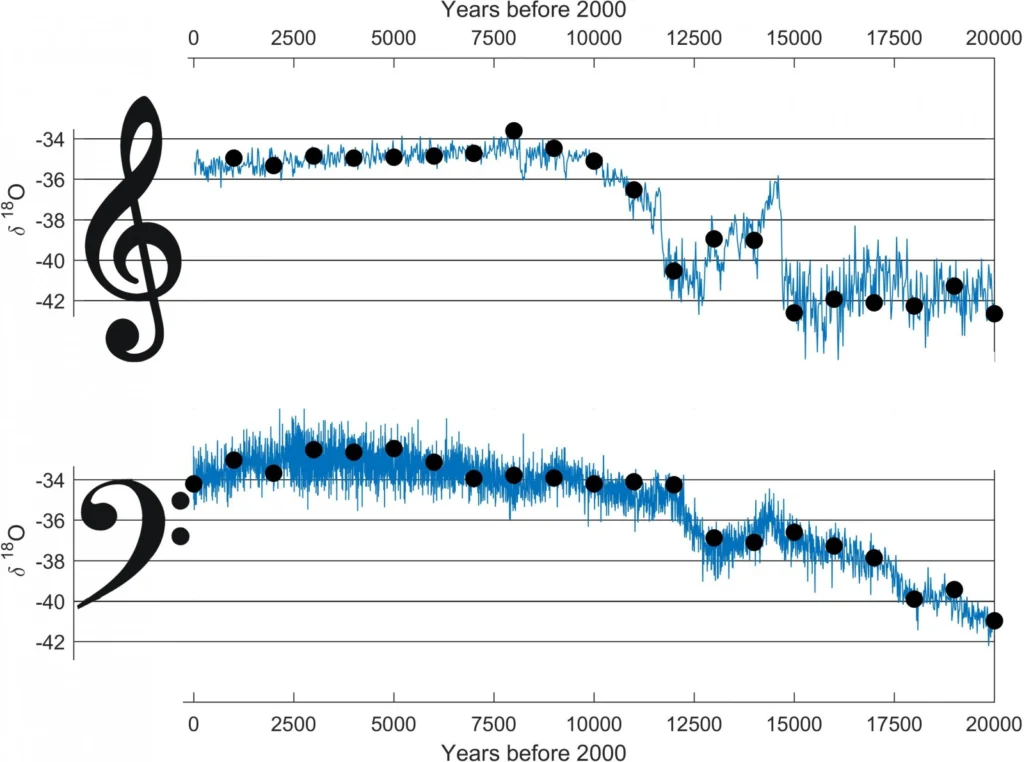
New Year’s Eve is just around the corner and the last “image of the week” of 2016 will get you in the mood for a party. If your celebration needs a soundtrack with a suitably geeky touch then look no further. Here is the music for climate enthusiasts: The sound of the past 60,000 years …[Read More]
Image of the Week – Let it snow, let it snow, let it snow…
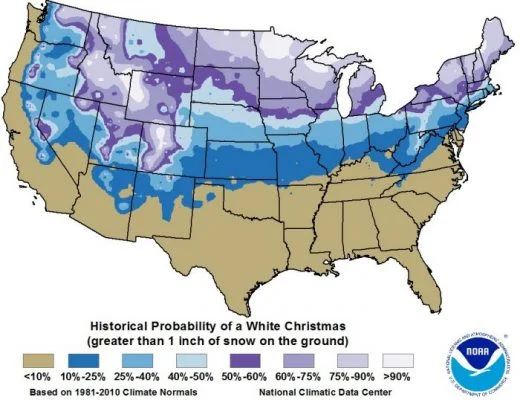
Christmas is coming to town and in the Northern Hemisphere many of us are still dreaming of a white Christmas, “just like the ones we used to know”. But how likely is it that our dreams will come true? What is the definition of a White Christmas ? Usually Christmas can be defined as a …[Read More]
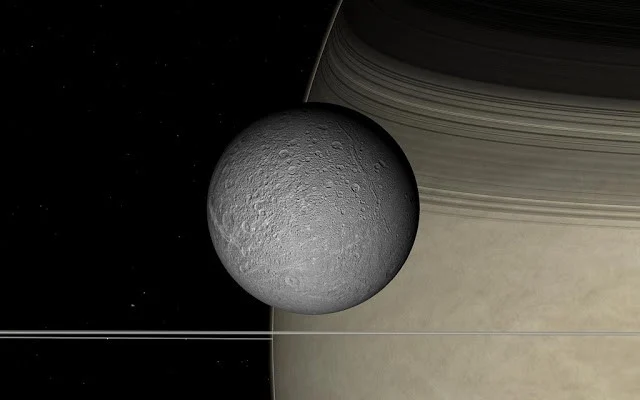
A water ocean inside Saturn’s moon Dione
Deep inside Saturn’s moon Dione lies a global ocean of liquid water, according to scientists of the Royal Observatory of Belgium. Such discovery places Dione as the third Saturn’s moon, beside Enceladus and Titan, to have a subsurface ocean. Previous models of planet interior, based on gravity and shape data of Cassini, predicted no ocean …[Read More]
Image of the Week — Allez Halley!
On the Brunt Ice Shelf, Antarctica, a never-observed-before migration has just begun. As the pale summer sun allows the slow ballet of the supply vessels to restart, men and machines alike must make the most of the short clement season. It is time. At last, the Halley VI research station is on the move! Halley, …[Read More]
Ice Cores “For Dummies”
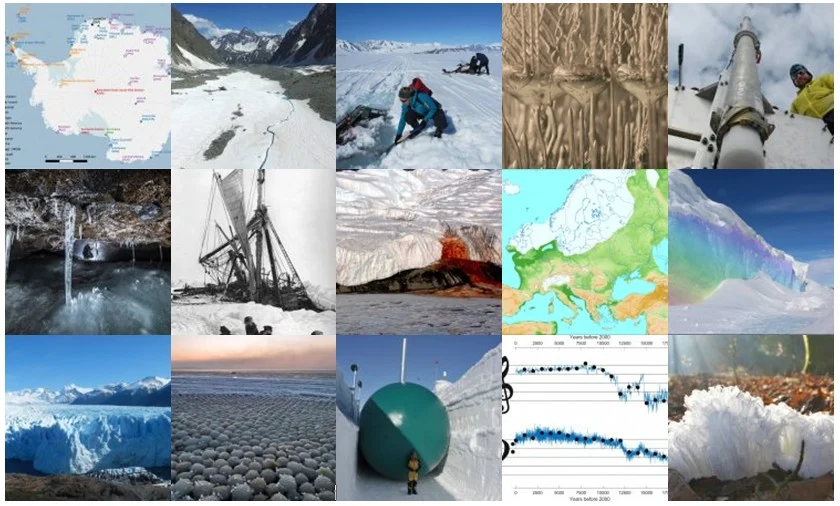
Ice cores are important tools for investigating past climate as they are effectively a continuous record of snowfall, which preserves historical information about climate conditions and atmospheric gas composition. In this new “For Dummies” post, we discuss the history and importance of ice-core science, and look at the way we can use ice core chemistry …[Read More]
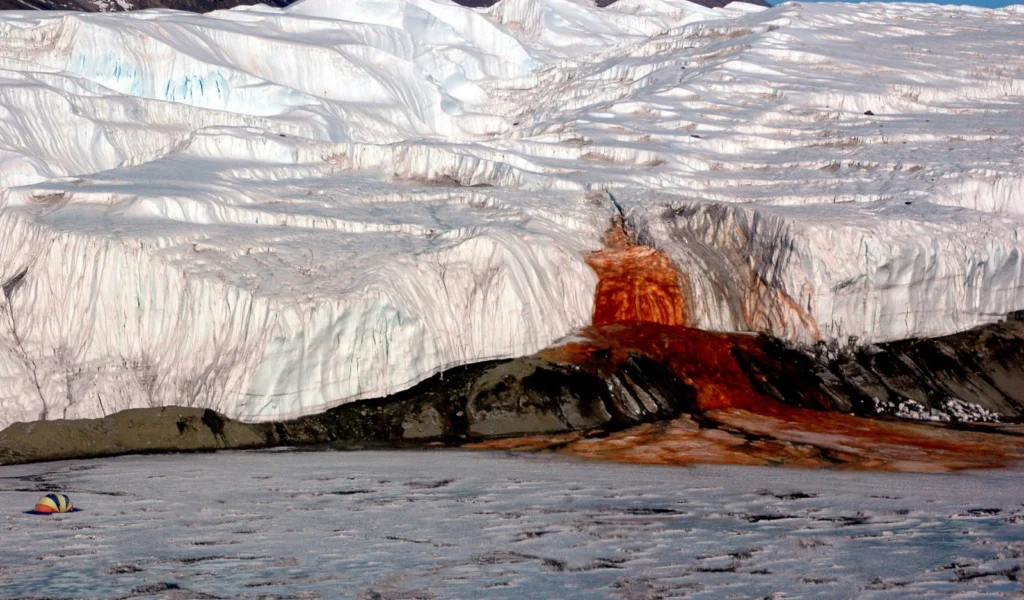
Image of the Week – Blood Falls!
If glaciers could speak, you might imagine them saying – “HELP!” The planet continues to warm and this means glaciers continue to shrink. Our new image of the week shows a glacier that appears to be making this point in a rather dramatic and gruesome way – it appears to be bleeding! If you went to …[Read More]
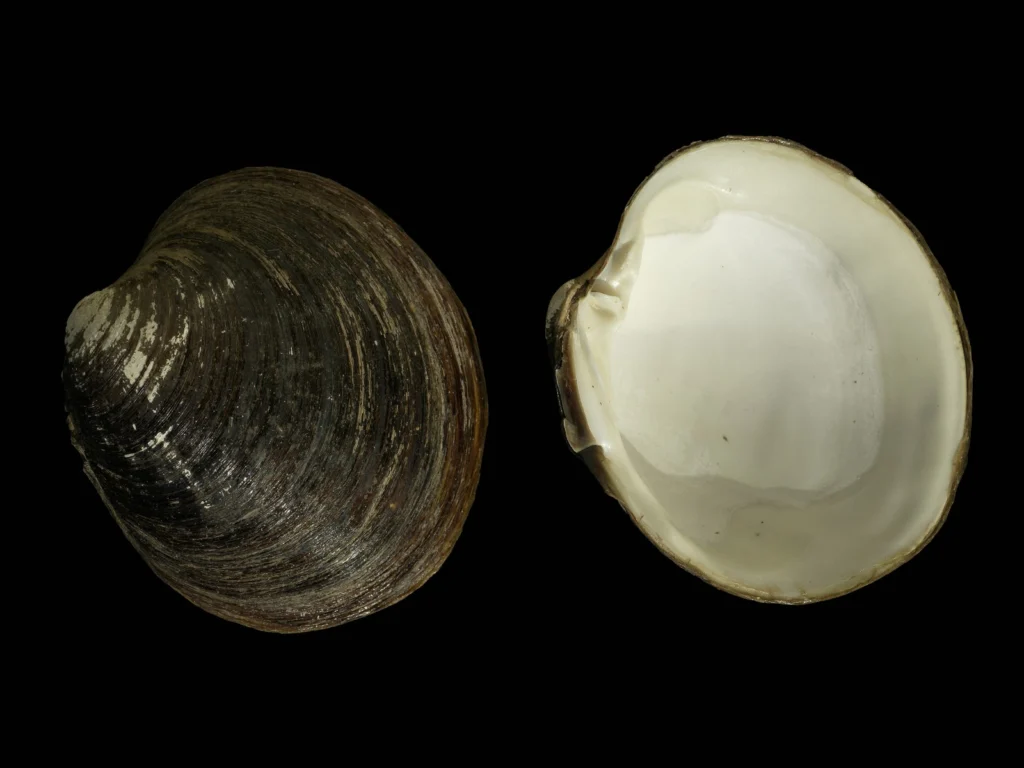
Coffee break biogeosciences–high resolution δ18O record from bivalves
Much like trees, clam shells have growth rings. The chemistry of these rings can be used as a proxy for ocean chemistry. Recently, an international team of scientists used the growth rings found in shells of Arctica islandica to produce an annual absolutely dated marine δ18O record for the last millennium which was published in …[Read More]
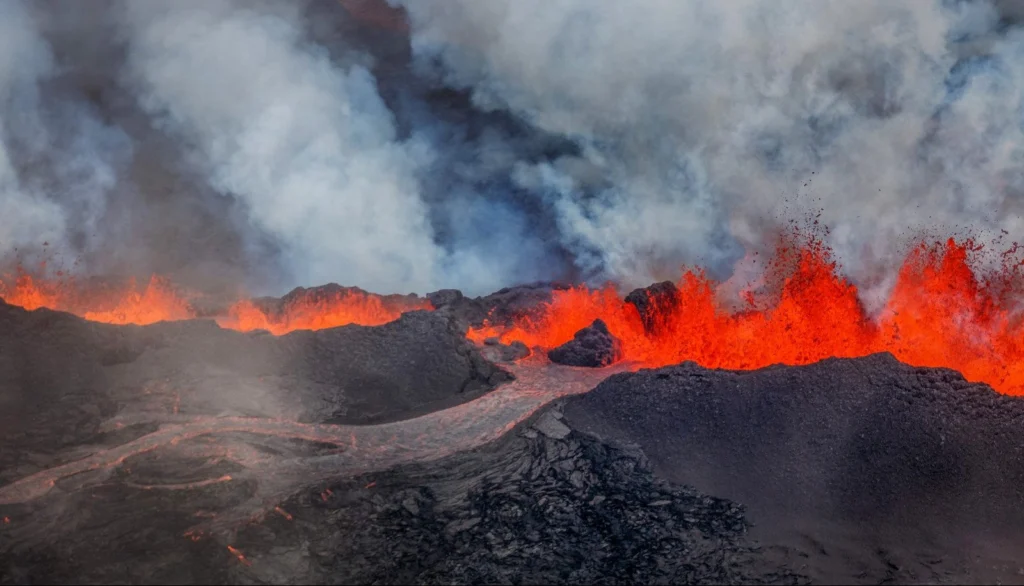
Minds over Methods: studying dike propagation in the lab
Have you ever thought of using gelatin in the lab to simulate the brittle-elastic properties of the Earth’s crust? Stefano Urbani, PhD student at the university Roma Tre (Italy), uses it for his analogue experiments, in which he studies the controlling factors on dike propagation in the Earth’s crust. Although we share this topic with …[Read More]