Congratulations on receiving the OSPP Award 2025! What was your reaction when you found out you had been selected for the award? I was very surprised when I received the email, and I read it several times to make sure it was real. After that, I felt extremely proud of my work because I could see the evaluation scores, comments, and recommendations from the judges. Their feedback confirmed that my ...[Read More]
Geodynamics
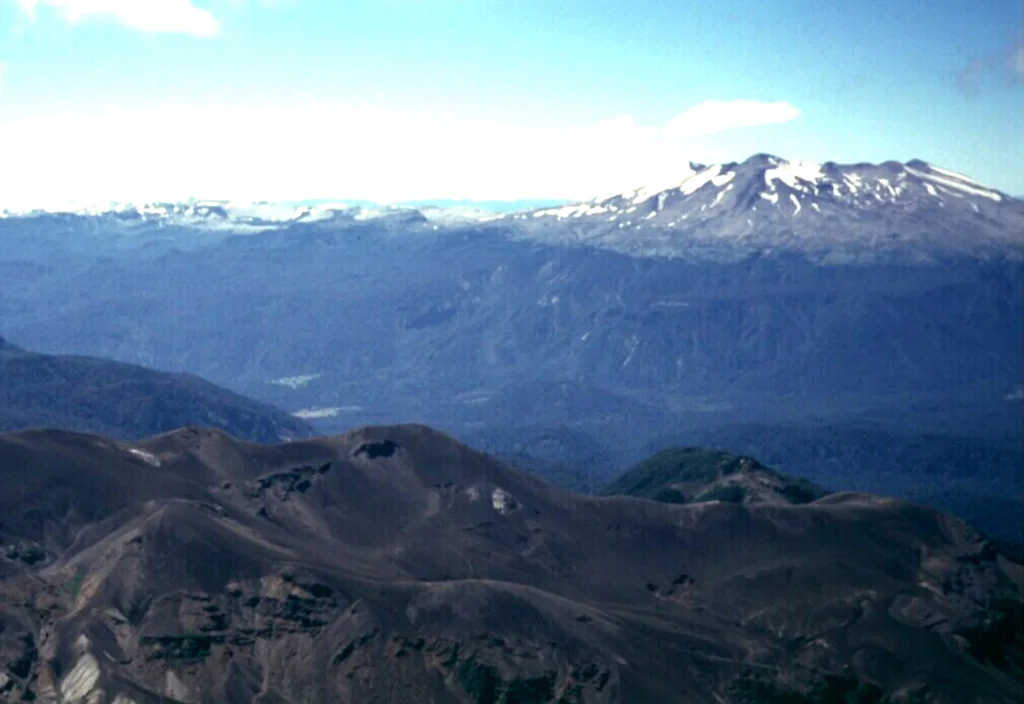
The pulsed rise of the Nahuelbuta Range: How glaciers indirectly built a mountain in Patagonia
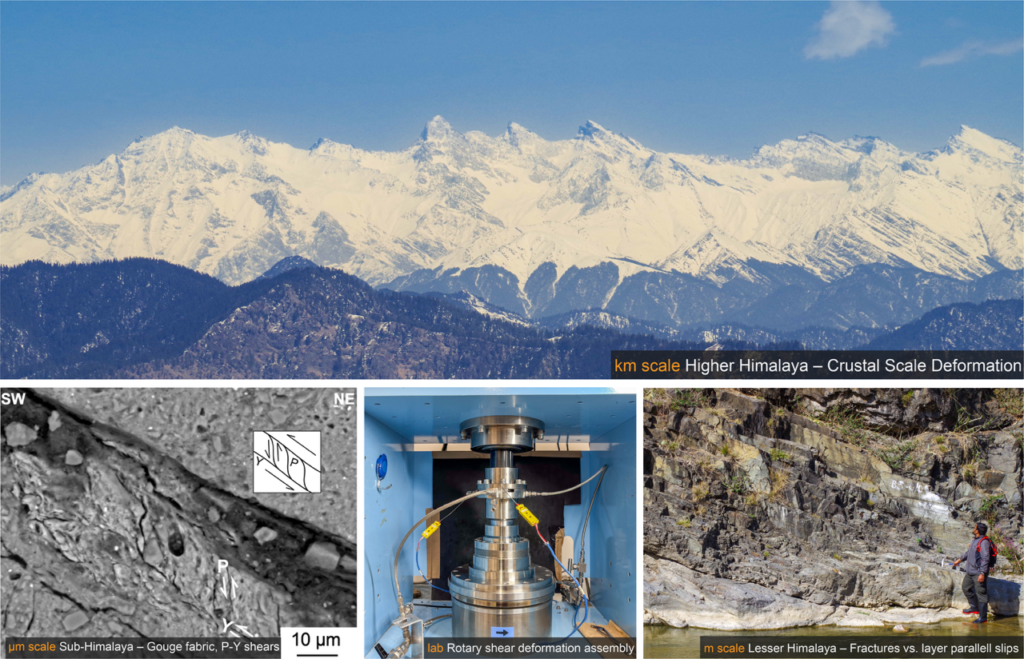
Forearc ranges are a striking example of how tectonic processes shape our planet. The Nahuelbuta Range in southern Chile is one of such settings. This week, Ambrosio Vega-Ruiz from the GFZ Helmholtz Centre for Geosciences, Germany, is telling us the story of this remarkable range, exploring how climate feedback can influence tectonic uplift across coastal forearcs. Tectonic uplift before tectonic ...[Read More]
Cryospheric Sciences
Chasing glacial lakes in the shadow of Everest
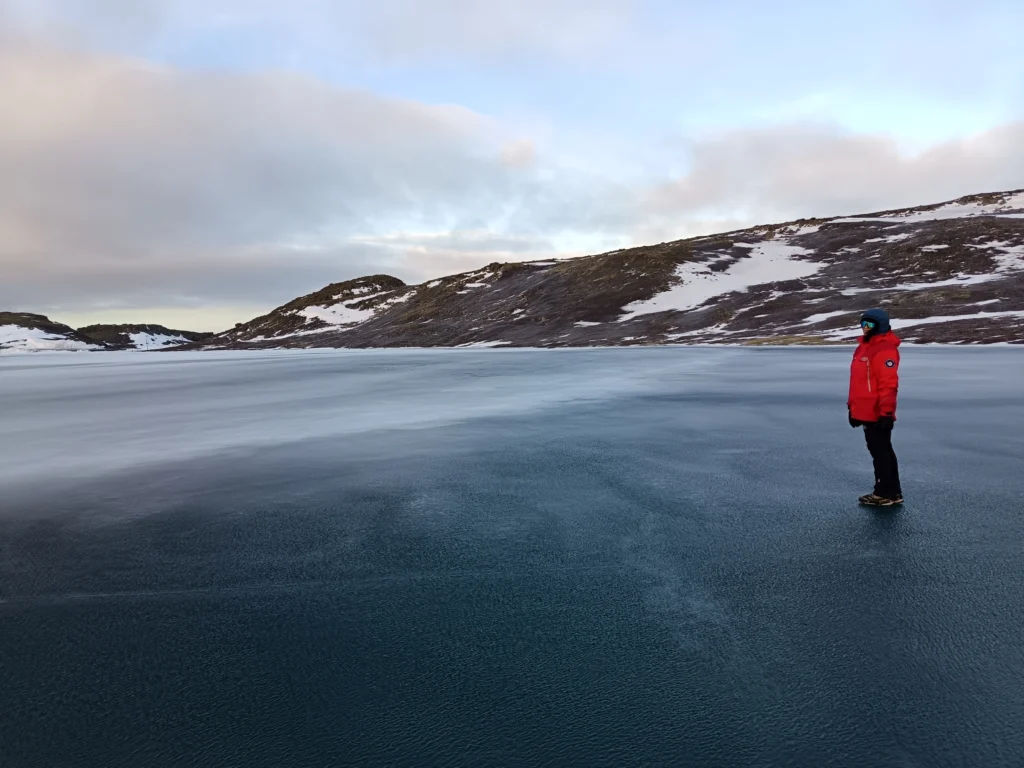
Turquoise lakes. Towering Himalayan peaks. A maze of rock, ice and meltwater. At first glance, this hardly looks like a glacier at all (Figure 1)… Yet as glaciers thin and retreat across the Himalayas, networks of meltwater ponds and glacial lakes are forming both on glacier surfaces and at their margins: one of the most visible signs of a changing high-mountain landscape. I spent four weeks in Ne ...[Read More]
Seismology
Could the Chilean Altiplano host natural hydrogen for the energy transition?
The contribution from Sergio León-Ríos, Associate Researcher at the Advanced Mining Technology Center (AMTC) at the University of Chile, where he does seismology research. Post edited by Adam Ciesielski prior to publication. Introduction Hydrogen sits at the heart of today’s energy transition. From policy documents to industry roadmaps, it is widely promoted as a clean alternative to fossil fuels. ...[Read More]
Geodesy
EGU Campfire Geodesy – Share Your Research – 21st Edition
We are excited to announce the 21st edition of Geodesy Campfire – Share Your Research in August. The Geodesy EGU Campfire Events “Share Your Research” give (early career) researchers the chance to talk about their work. We have two exciting talks by our guest speakers, Shrishail Raut and Michal Cuadrat-Grzybowski. Below, you can find the details of the topics awaiting us. We will have time to netw ...[Read More]
Hydrological Sciences
What machine learning can and cannot tell us about floods
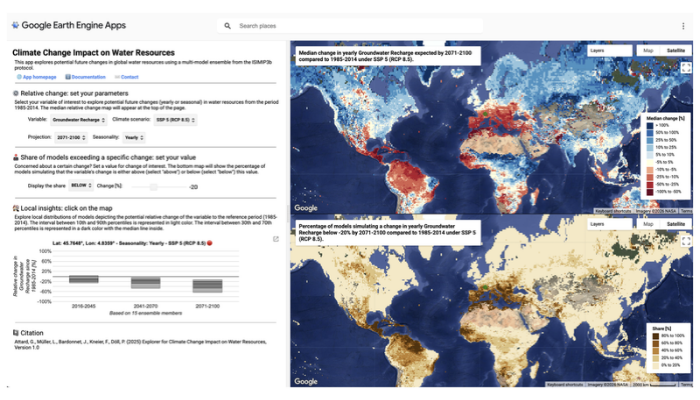
Floods are shaped by complex and nonlinear interactions between weather patterns, rainfall, soil properties, topography, land cover, and how wet a catchment already is. This complexity is one reason machine learning (ML) is increasingly used in hydrology. ML models can learn patterns from large and complex datasets with many variables. Early in my PhD, while exploring machine learning models for ...[Read More]
Solar-Terrestrial Sciences
My First EGU Experience: EGU26
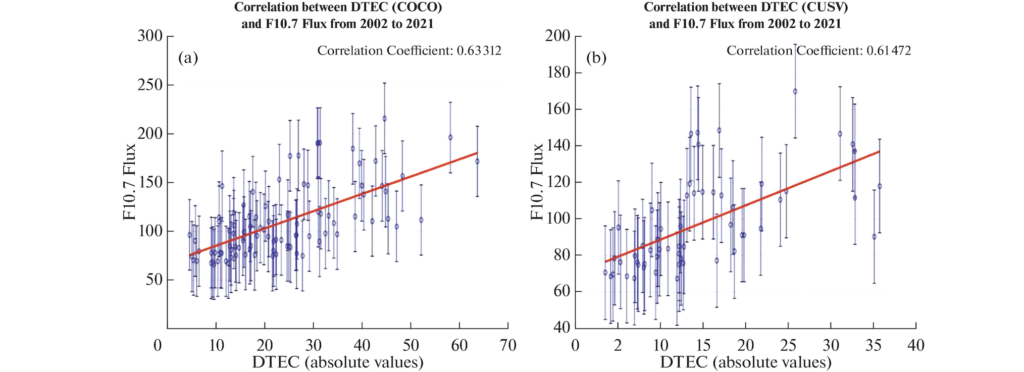
The journey to my first EGU General Assembly (GA) 2026 (EGU26) was memorable even before the conference began. What should have been a straightforward train ride to Vienna turned into an unexpected adventure when we were asked to get off at a small station and wait several hours for alternative transport. Surrounded by travellers, luggage, and a fair amount of confusion, it felt as though the EGU2 ...[Read More]
Geodynamics
From rifts to reefs: the geodynamic origins of shallow coral reef habitats at passive continental margins
Ocean Sciences
Fifty years of ocean chemistry in one place: GLODAPv3 is here!
Working with marine carbonate-system observations has taught me how much effort lies behind every row of an oceanographic dataset: long hours at sea, careful sampling, laboratory analyses, calibration and quality control. A single bottle of seawater may represent only one place, one depth and one moment, but when many such samples are brought together, they can reveal how the ocean is changing. On ...[Read More]
Climate: Past, Present & Future
Why the Same Soot Can Warm One City and Cool Another
Every time something burns incompletely —whether in a car engine, a factory furnace, a cooking fire, an agricultural field set alight after harvest, or a vast wildfire sweeping through savanna grasslands— tiny particles of black carbon are released into the atmosphere. You might know these more simply as soot. These particles are so small that thousands of them laid side by side would barely stret ...[Read More]