EGU Blogs

Division blogs

CR

Re-discovering the British North Greenland Expedition 1952-54
Re-discovering the British North Greenland Expedition 1952-54

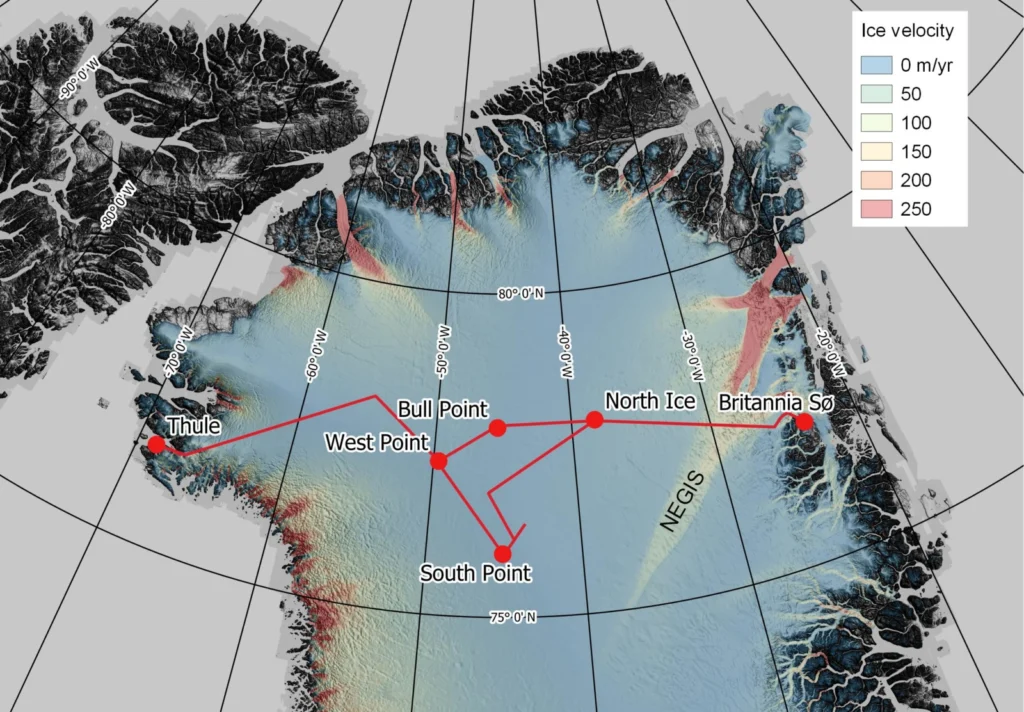
How did we (nearly) all forget about, or simply overlook, a large-scale two-year long mid-20th Century scientific expedition to the northern Greenland Ice Sheet? Particularly an expedition that kick-started some significant glaciological and geophysical careers, developed large-scale polar logistical capabilities, traversed the ice sheet, acquired some novel and critical data, and asked some big research …[Read More]

GD

The Sassy Scientist – Continual Conclave

The Sassy Scientist – Continual Conclave

Jay likes to put in a couple of continuous hours on his project. No distractions. No students. No nothing. Nothing, but focus and progress. And then his supervisor wants to talk. Again. He grumbles: How often should you meet with your supervisor as a PhD student? Dear Jay, Unfortunately there is no one-fits-all answer to …[Read More]

Do caldera eruptions occur in cycles?

Do caldera eruptions occur in cycles?

Caldera-forming eruptions represent some of the most dangerous natural hazards we have to face on Earth. If happening today, a single caldera-forming eruption would have a devastating impact on the population living around the volcano, destroy the surrounding environment, and also strongly influence the global climate. But what actually is a caldera and how do …[Read More]

GD

ASPECT 2021 hackathon

Minions with or versus dinos?

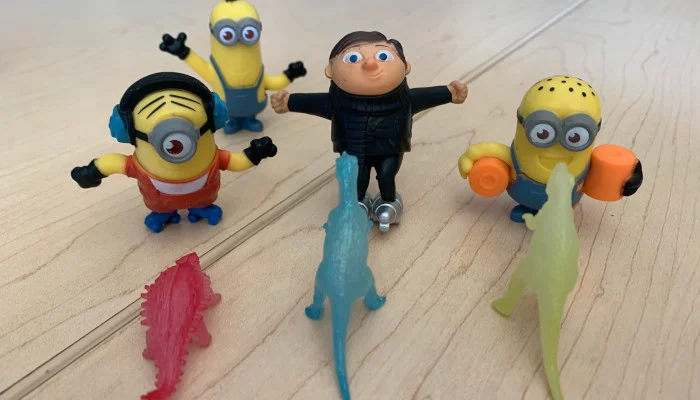
Last year we introduced the ASPECT hackaton on this geodynamics blog. It was the first hackathon which went virtual which brought a whole set of new challenges. This year was the 8th version of the yearly hackathon, and it was still virtual (unfortunately). Fortunately lessons where learned from the previous virutal hackathon and generally from …[Read More]

SSP

An online learning platform for cyclostratigraphy – www.cyclostratigraphy.org

An online learning platform for cyclostratigraphy – www.cyclostratigraphy.org

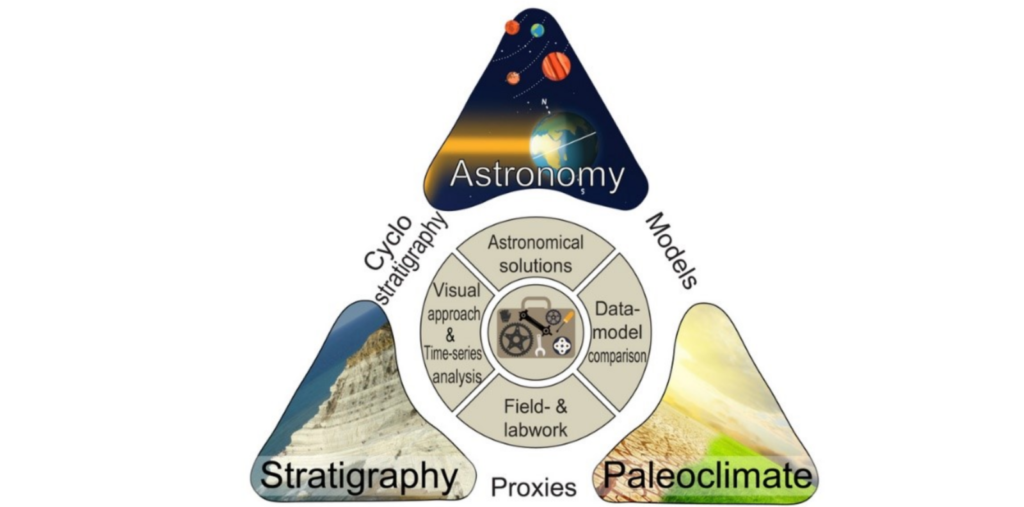
Cyclostratigraphers aim to read and understand the effect of climate-driven orbital changes in the geological record through time. In doing so, they start from an important prerequisite: An imprint of insolation variations caused by Earth’s orbital eccentricity, obliquity and/or precession (Milankovitch forcing) can be preserved in the geological rock record. The new www.cyclostratigraphy.org website is …[Read More]