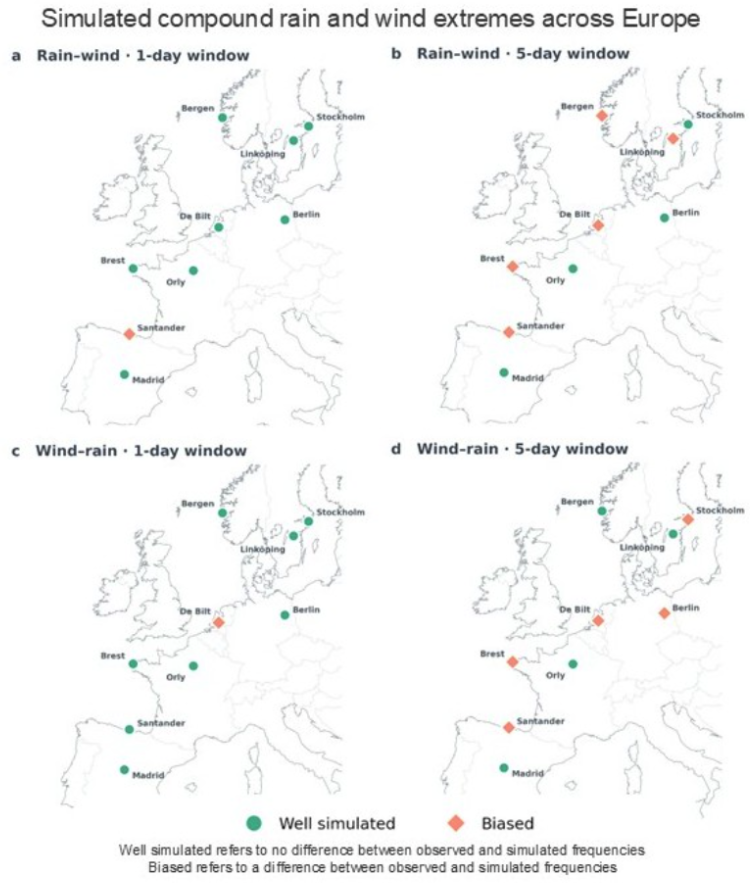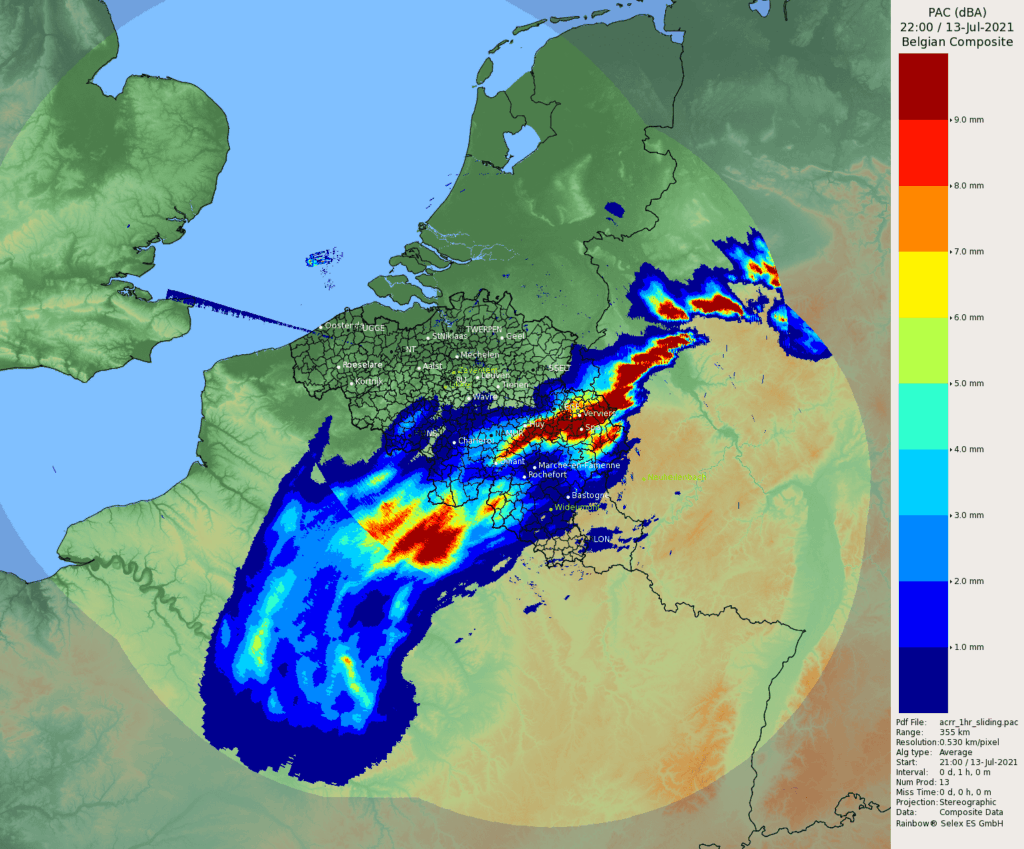
Extreme rainfall and strong winds can each cause major disruption. When they occur together—or within only a few days of each other—their combined impacts can be even more severe. Heavy rainfall may saturate soils and increase flood risk, while strong winds can damage infrastructure, disrupt transport and bring down trees or power lines. Forecasting these events is essential for early-warning syst ...[Read More]
Extreme events
ECS Spotlight: When “Day Zero Drought” Dries the Tap: How Drought is Reshaping Water Scarcity in the Anthropocene
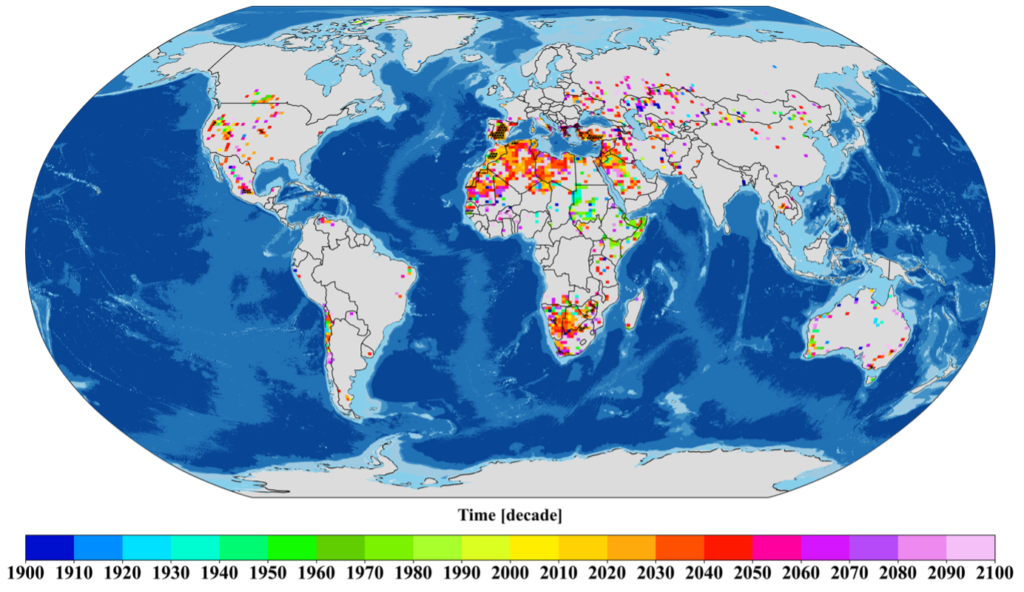
Extreme events are becoming increasingly observable, intense, and interconnected. Drought, traditionally viewed as a regional and temporary phenomenon, is now undergoing a fundamental shift. We introduce the concept of “Day Zero Drought” to describe a threshold where water demand exceeds available supply under persistent drought conditions. This study shows that water scarcity is no longer confin ...[Read More]
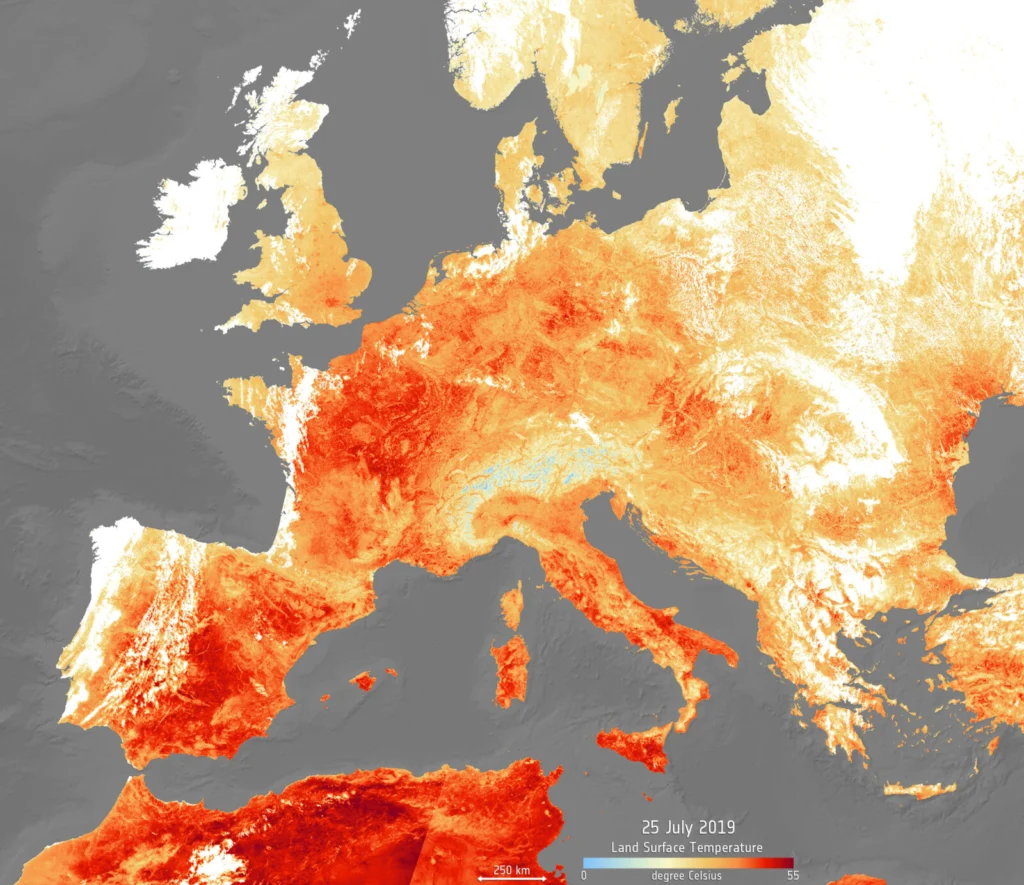
ECS Spotlight: Evolution of the Dynamics of Centennial Hot Summers in Western Europe With Climate Change
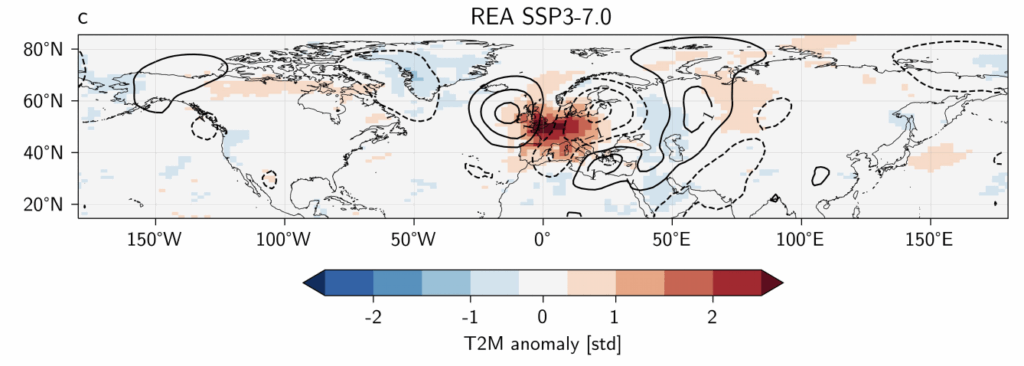
Extreme meteorological and climatological events can be immensely damaging and disruptive to society. Understanding the physical mechanisms driving these events, and how they will evolve with climate change is crucial for informing societal adaptation to our changing climate. However, extreme events are, by definition, rare. Our capacity to understand these events is, therefore, hindered by the sm ...[Read More]
From Theory to Impacts: Nonlinear Perspectives on Weather Extremes at UNDERPIN#2
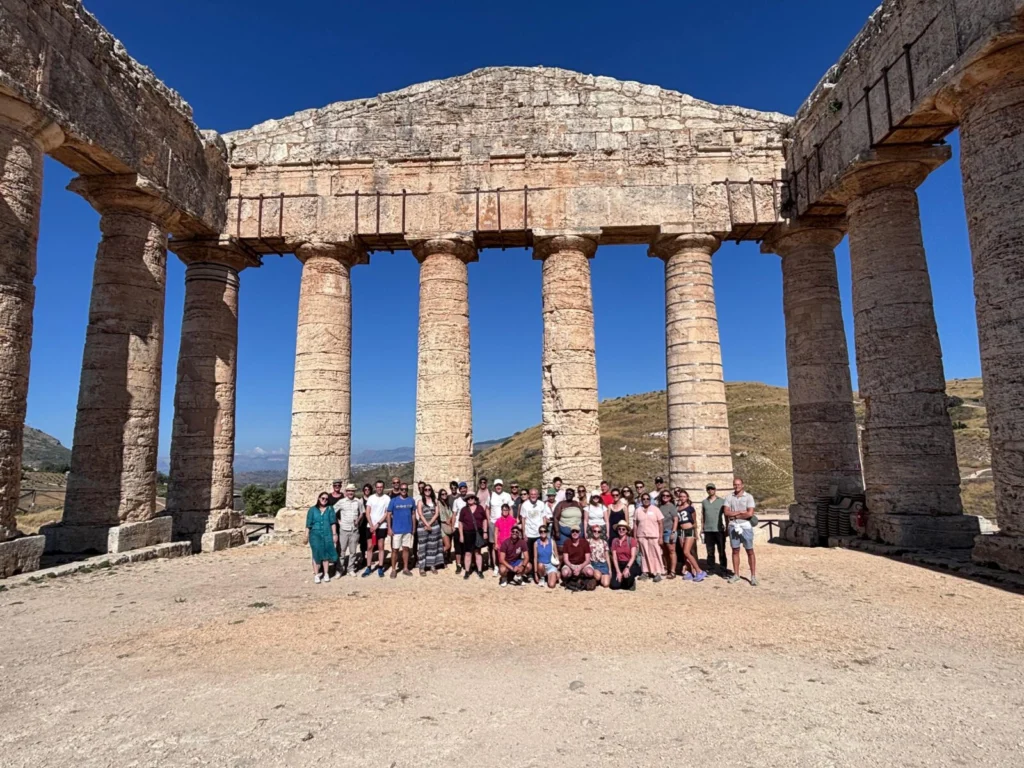
From 1–5 August 2025, the medieval hilltop town of Erice, Sicily, hosted the second UNDERPIN workshop, a meeting organised within the Nonlinear Processes in Geosciences community and dedicated to advancing the science of weather extremes. The event brought together a truly diverse group of researchers, spanning climate dynamics, attribution science, socio-economic impacts, statistical physics, and ...[Read More]
EGU NP Paper of the Month “Finite-size local dimension as a tool for extracting geometrical properties of attractors of dynamical systems”
The original goal of this study was to understand how the local dimension of the attractor of a dynamical system could be used to estimate the predictability of the future state of the system, and apply this in the case of radar images of rain. The local dimension using Extreme Value Theory (EVT) has been introduced and used in Faranda et al. (2017) to infer the current predictability of different ...[Read More]
Nonlinear Processes in Earth System Dynamics
Earth System Dynamics (ESD) is an open-access EGU journal focussing on an interdisciplinary view of the functioning of the Earth system and global change. Due its broad focus, ESD receives submissions of relevance to several different EGU divisions. Here, I would like to highlight five thought-provoking ESD papers that cover topics spanning environmental governance, extreme events, palaeo-climates ...[Read More]
ClimaMeter: Putting Extreme Weather in Climate Perspective
ClimaMeter offers a dynamic approach to contextualize and analyze weather extremes within a climate context. This framework provides both easily understandable immediate contextualization of extreme weather events as well as more in-depth technical analysis shortly after the events. Methodology: The foundation of ClimaMeter’s methodology lies in identifying weather conditions similar to those resp ...[Read More]
ECS SpotLight: The link between European warm-temperature extremes and atmospheric persistence
Persistent atmospheric circulation patterns are not a necessary requirement for warm temperature extremes in Europe. This key finding from a recent study led by Emma Holmberg challenges a more traditional meteorological view of persistence, which typically considers summertime heatwaves, especially in northern regions of Europe, to be synonymous with persistent atmospheric flow patterns. Furthermo ...[Read More]
How Climate Change fuels intense Thunderstorms in Italy
In the blistering heat of July 2023, a series of violent thunderstorms struck the serene landscapes of northern Italy, leaving behind a trail of devastation, despair, and grief. Unleashing their fury upon the unsuspecting region, these tempestuous storms unleashed torrential rains, hailstones the size of tennis balls, and ferocious winds exceeding 150 km/h. Amidst the chaos and destruction, homes ...[Read More]
Unraveling the Meteorological Factors and Climate Change’s Role in Italy’s Devastating Floods
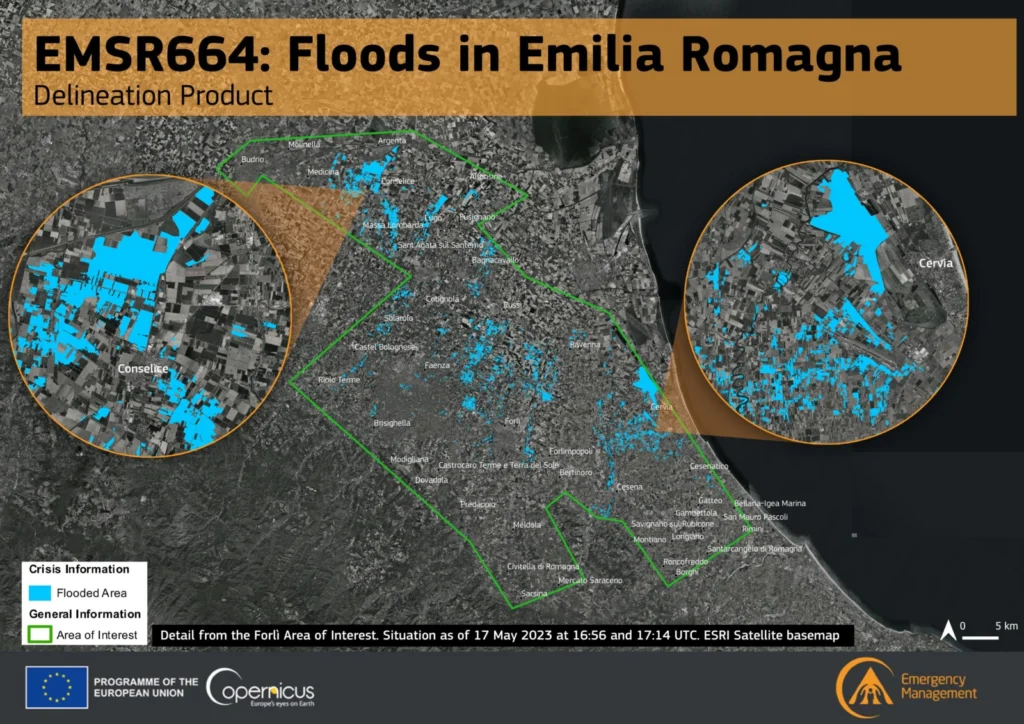
Italy has recently been struck by a series of catastrophic floods that have claimed lives, displaced thousands of people, and caused extensive damage to infrastructure. These floods were triggered by an extraordinary amount of rainfall, equivalent to six months’ worth, occurring within few days. The culmination of three distinct meteorological events, with low-pressure systems over the Thyrr ...[Read More]