NP
Nonlinear Processes in Geosciences
Avatar photo

Davide Faranda

I’m researcher in physics at the French National Center for Scientific Research (CNRS). I’m an expert of weather extreme events such as cold spells, heatwaves, cyclones and severe thunderstorms. My research activity focuses on the attribution of extreme events to climate change, that is understanding how much greenhouse gases influence the occurrence of extremes

NP Interviews: the 2021 Lewis Fry Richardson Medal Berengere Dubrulle

NP Interviews: the 2021 Lewis Fry Richardson Medal Berengere Dubrulle
Today’s NP Interviews hosts the 2021 Lewis Fry Richardson Medal Berengere Dubrulle. Berengere is senior scientist at the Centre National de la Recherche Scientifique and presently Director of the Les Houches Physics School. She received her PhD in astrophysics in 1990 under the supervision of J.-P. Zahn. She is a specialist of turbulence, and its application to astro and geophysical flows using th ...[Read More]

From the eyes of tropical cyclones to flooded strands : how climatologists use weather events to make climate predictions?

From the eyes of tropical cyclones to flooded strands : how climatologists use weather events to make climate predictions?

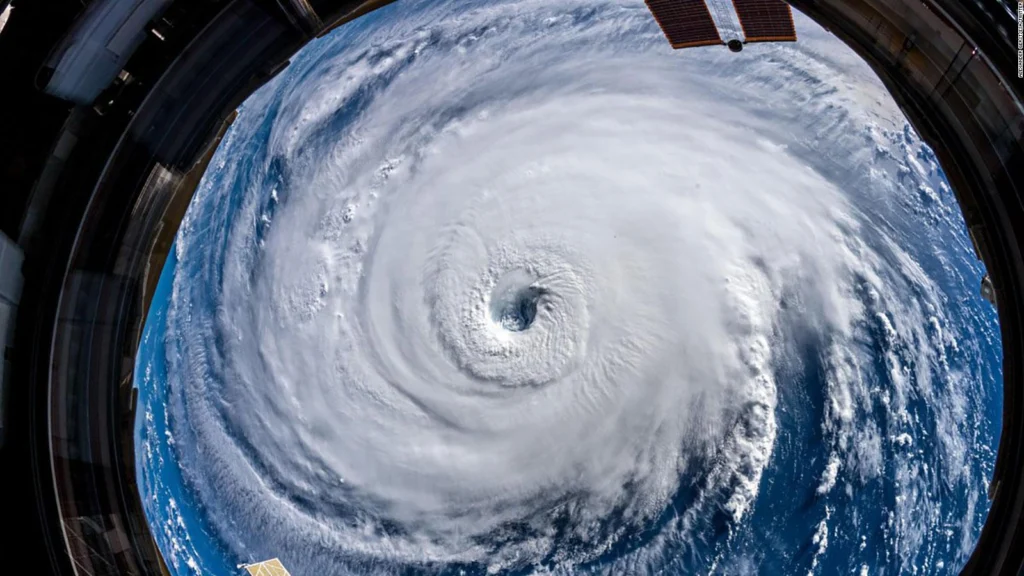
While extreme events are meteorological in nature, climatologists collect them to draw conclusions about the state of the present climate and to get clues how they possibly change in the future. Thus, climate and weather find common ground. If we consider an event alone, we are not studying the climate, we are in the field of meteorology, the goal of climatologists is therefore to put extreme even ...[Read More]

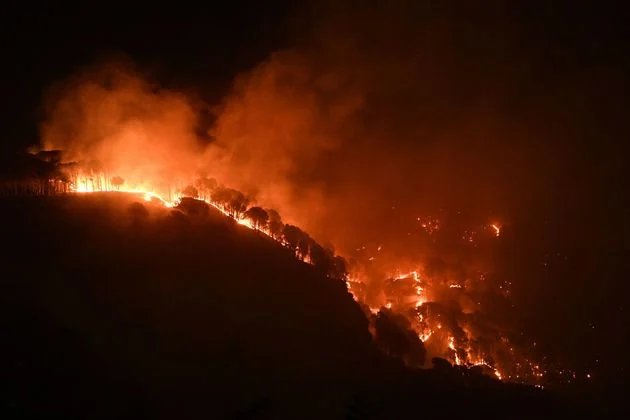
Three reasons why Forest-Fires worsen with climate change

Three reasons why Forest-Fires worsen with climate change

The brand-new IPCC AR6 report clearly states that “Unless there are immediate, rapid and massive reductions in greenhouse gas emissions, limiting warming to around 1.5°C, or even 2°C, will be out of reach”. Although as human beings we do not perceive changes in global Earth average temperatures as a threat to our lives, the IPCC report also states that extreme weather events will worsen; actually ...[Read More]

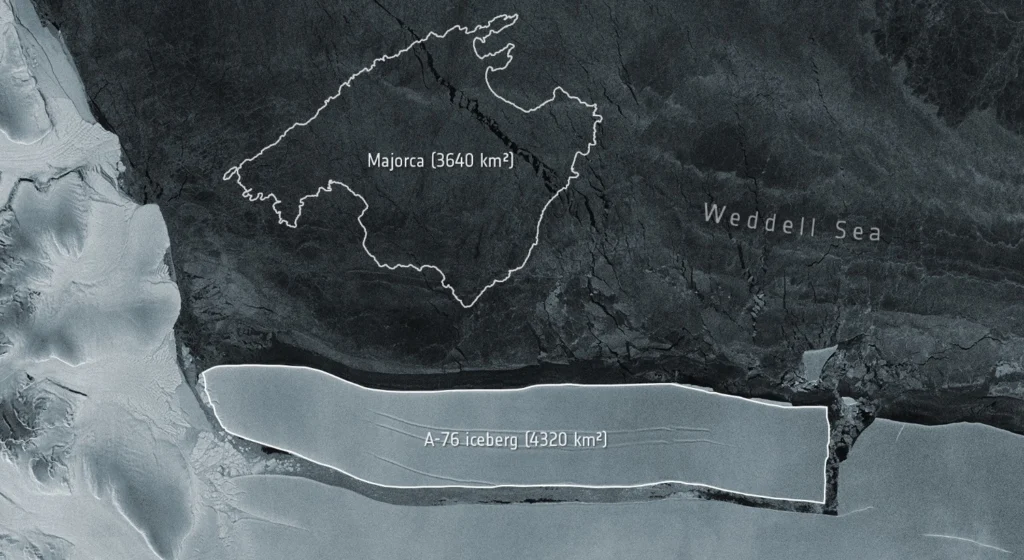
When carbon emissions break nature: icebergs and their feedback to climate change

When carbon emissions break nature: icebergs and their feedback to climate change

The largest iceberg in the world, named A-76, about 170 km long and 25 km wide, is drifting away from the Ronne pack ice in Antarctica. A76, originally spotted by the British Antarctic Survey (BAS), a British polar research organization with a base nearby, will wander and melt in the Weddell Sea, according to a statement released Wednesday, May 20, by the European Space Agency. Several studies are ...[Read More]

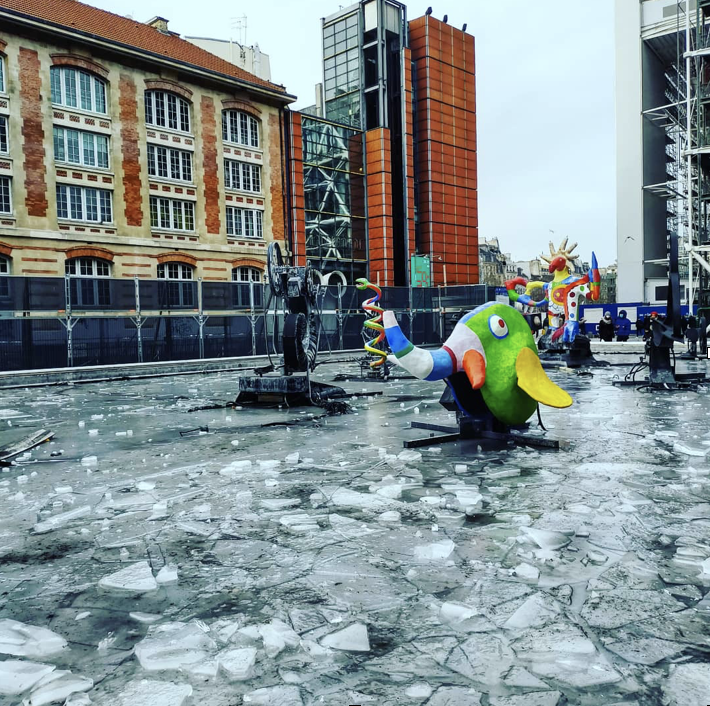
Four reasons for still observing cold spells despite the undeniable global climate change

Four reasons for still observing cold spells despite the undeniable global climate change

The winter of 2020-2021 has been characterized by various cold waves affecting – at different times – Western and Eastern Europe and North America.  The most striking pictures show Madrid covered by up to 40 cm of fresh snow, frozen Thames near London and Canal St Martin in Paris, heavy snow in Amsterdam and even on the Eolian Islands, just offshore Sicily. At first this seems contradi ...[Read More]

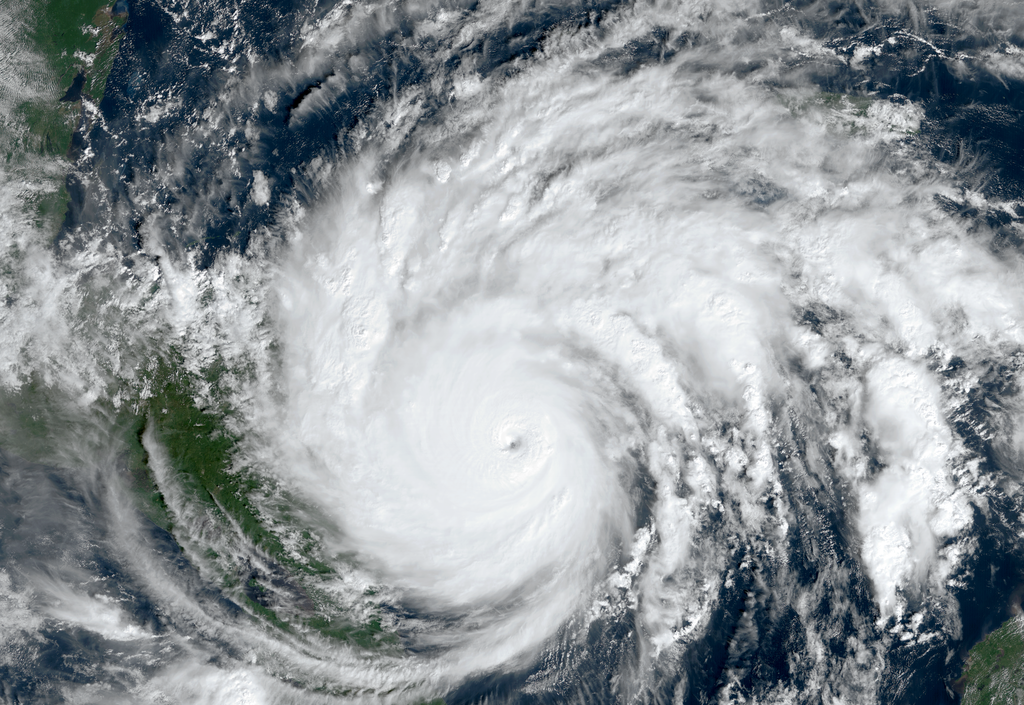
The never-ending 2020 hurricane season

The never-ending 2020 hurricane season

Iota, this is the name of the last category 5 hurricane in the Atlantic Ocean. Iota is a non-name because normally hurricanes are named by NOAA starting from A to Z but when the alphabet is over, they are just identified from a letter of the Greek alphabet. Iota is a special cyclone not just because its name implies that the hurricane season is particularly rich in storms but also because of its e ...[Read More]

Can we connect the exceptional floods in France and Italy associated with the storm Alex to climate change?

The first days of October were marked by an extreme weather event: storm Alex, a cyclone of Atlantic origin, caused massive showers and thunderstorms over Provence, the Alps, Piedmont and Liguria. In these regions, numerous historical records of precipitation were broken causing the flooding of several streams and rivers in which many people lost their lives. Economic damage was also significant a ...[Read More]

Is climate change making the weather more extreme?

Is climate change making the weather more extreme?

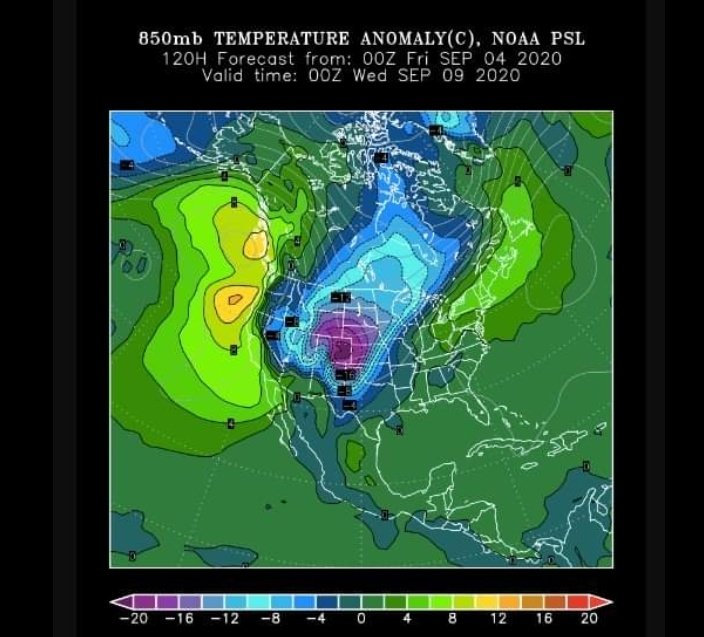
Denver, Sept. 06: it is midday and Jonathan and Maria are sunbathing at City Park. They feel uncomfortable as the temperature has already reached 36°C. While they decide to go back home, their favoured weather app displays an unbelievable snowstorm watch for Tuesday Sept. 08. The forecast turns out to be rather accurate as all Colorado experiences one of the earliest snowstorms on record in Septem ...[Read More]

Is planting trees a feasible large-scale solution to mitigate climate change?

Is planting trees a feasible large-scale solution to mitigate climate change?

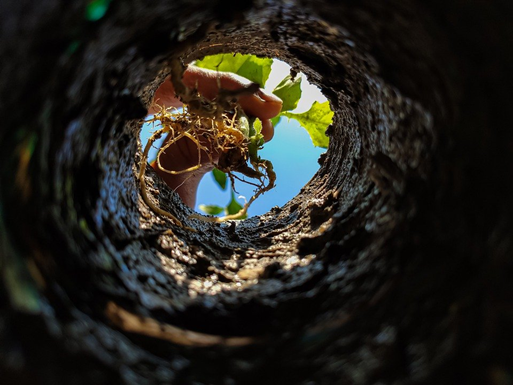
In the last few years it has become a common practice to compensate carbon dioxide (CO2) emissions by planting trees. This idea is simple and rooted on a very basic principle: trees get the energy of sunlight, and by photosynthesis they take water from the ground and CO2 from the air, releasing oxygen in the atmosphere. The CO2 is then stored in trees and surrounding soil. Tree planting efforts ar ...[Read More]

How Climate Sciences can help in understanding uncertainties in Covid-19 epidemic projections

How Climate Sciences can help in understanding uncertainties in Covid-19 epidemic projections

COVID-19 is currently affecting over 180 countries in the world and poses serious threats to public health as well as economic and social stability of many countries. Modeling and extrapolating in near real-time the evolution of COVID-19 epidemics is a scientific challenge, which requires a deep understanding of the factors undermining the dynamics of the epidemics. Despite the importance of havin ...[Read More]